
Film
The Roman Spring of Mrs. Stone
A luminous film about an older woman arriving in Rome at a crossroads. Vivien Leigh plays with extraordinary vulnerability as she navigates desire, mortality, and the city's intoxicating indifference. It's sensual and melancholic—a character study wrapped in European sophistication, for anyone who loves watching great actresses at the height of their powers.
If you liked this
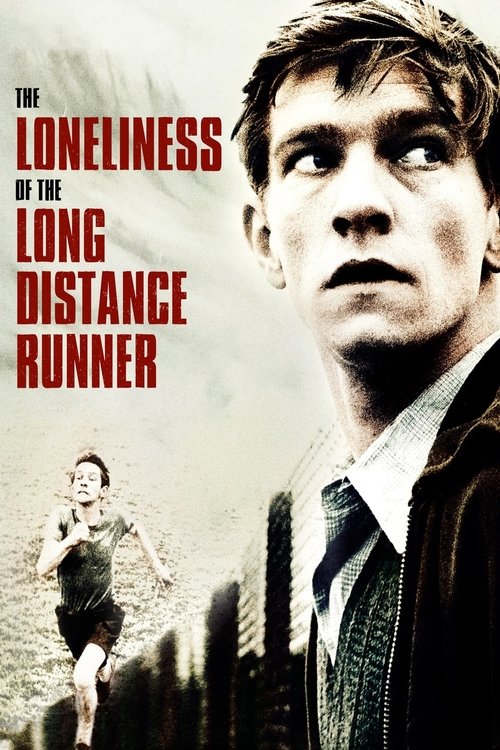
The Loneliness of the Long Distance Runner1962
A sharp social drama about a young man's rebellion against authority. Like Mrs. Stone, it observes desire and defiance in beautiful, uncompromising detail, with a protagonist at war with the world around them.
But It's slower than you'd expect, and the ending refuses catharsis. The protagonist isn't sympathetic in ways modern films often require.
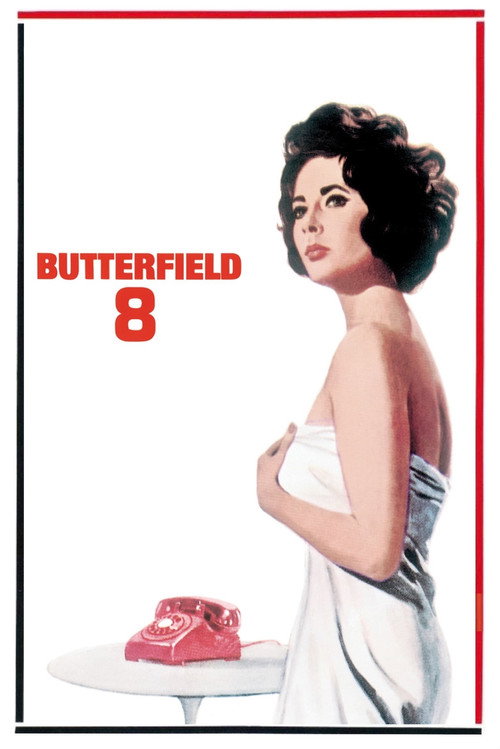
BUtterfield 81960
Elizabeth Taylor in a similar moral and romantic predicament, glamorous on the surface but haunted underneath. Both films use 1960s cinema to examine female vulnerability with remarkable honesty.
But The plot feels dated now—the 'woman with a past' anxiety that drove it has aged badly. Some scenes creak.
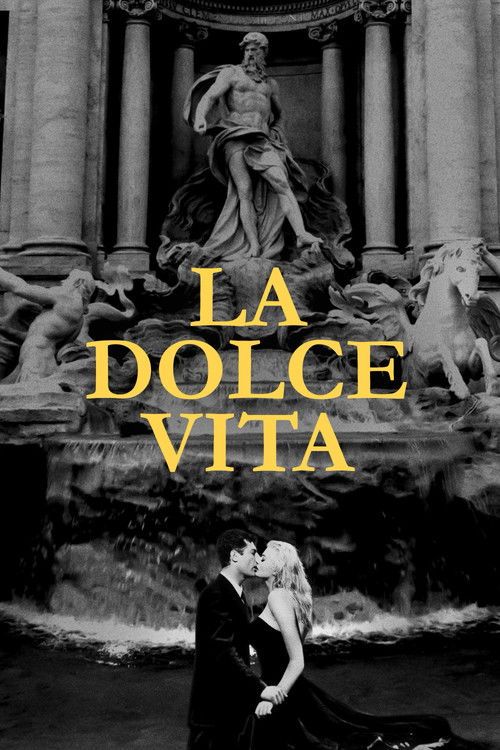
La Dolce Vita1960
Fellini's Rome is exactly the seductive, corrupting playground Mrs. Stone enters. A masterpiece about beautiful people spiralling through empty glamour and spiritual hunger—the other side of the same coin.
But It's nearly three hours of wandering and suggestion rather than plot. You need to surrender to its rhythm or it will feel pointless.
Not sure tonight? Get a pick in a minute, starting from The Roman Spring of Mrs. Stone
The wildcard
Something you would not have found on your own.
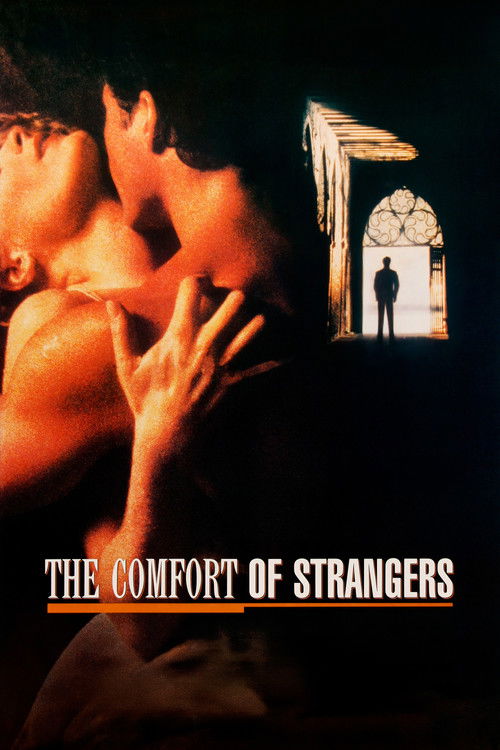
The Comfort of Strangers1990
Both are films about Westerners arriving in Italy and discovering that beauty and desire are tools others use against you. The seduction is real, but so is the peril.
A British couple's holiday in Venice becomes a slow entrapment by a mysterious Italian man. It shares Mrs. Stone's atmosphere of sensual danger and the trap of finding yourself in a foreign country with someone who sees through you.
But It's extremely dark and deliberately paced. Schrader doesn't offer release, and some will find it unpleasant rather than illuminating.
More like this (8)
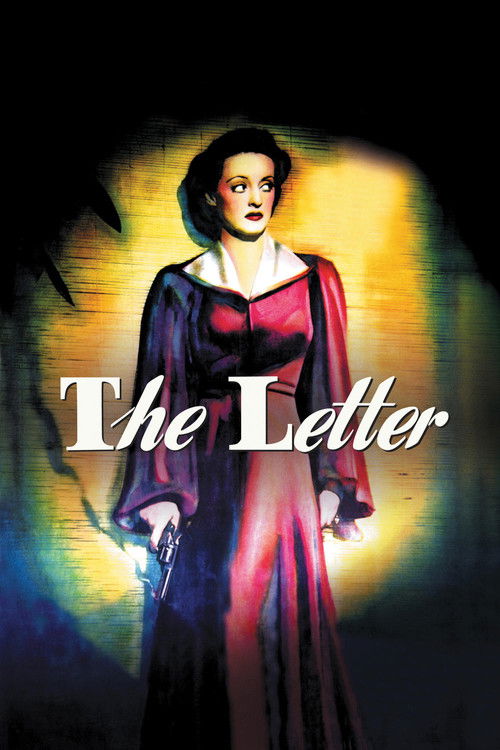
The Letter1940
Bette Davis at a similar turning point in her career, playing a woman whose desires are destructive and irredeemable. Both films trust their actresses with complicated, unsympathetic characters.
But It's a melodrama, full stop. The moral framework feels Victorian even by 1940 standards, and it doesn't try to hide that.
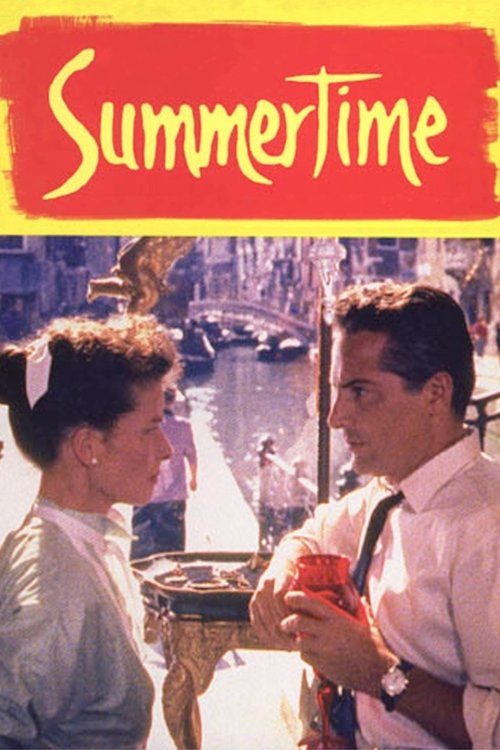
Summertime1955
Katharine Hepburn in Venice at a crossroads, falling for a local man. Another American woman finding passion and heartbreak in Italy—a gentler version of the same story, but surprisingly moving.
But It's whimsically romantic in places, and some scenes border on twee. The resolution is neat in a way Mrs. Stone deliberately avoids.
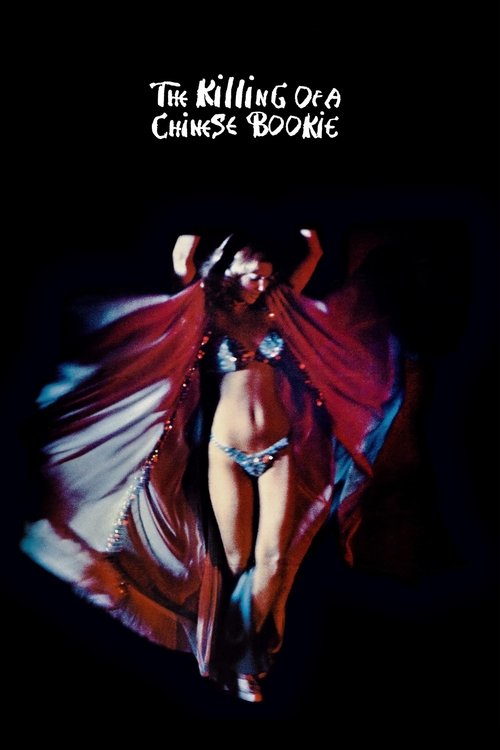
The Killing of a Chinese Bookie1976
Cassavetes' portrait of a man trapped by his own desires and the city's indifference. Like Mrs. Stone, it's a character study that refuses to sentimentalise its protagonist's decline.
But It's shot in a deliberately unglamorous style, murky and handheld. Cassavetes demands patience, and some find his approach boring.
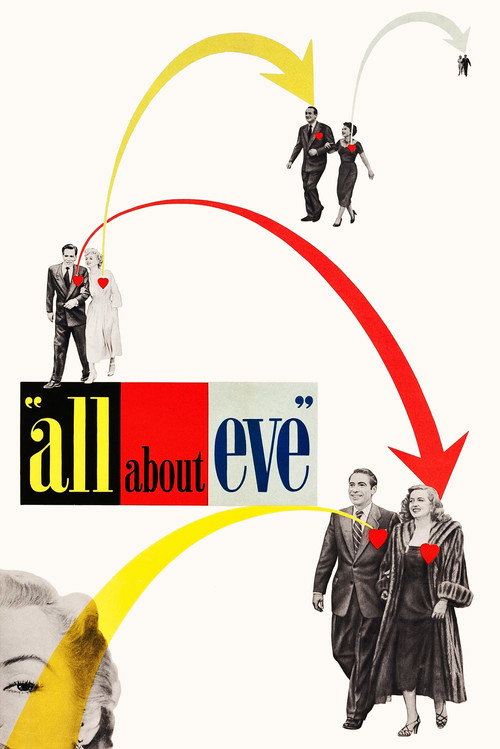
All About Eve1950
Bette Davis again, but now as an ageing actress watching her power drain away. It's bitingly funny about age, ambition, and the theatre—Mrs. Stone's spiritual predecessor.
But It's theatrical and occasionally camps it up. Some of Mankiewicz's dialogue feels written rather than spoken, which can distance you.
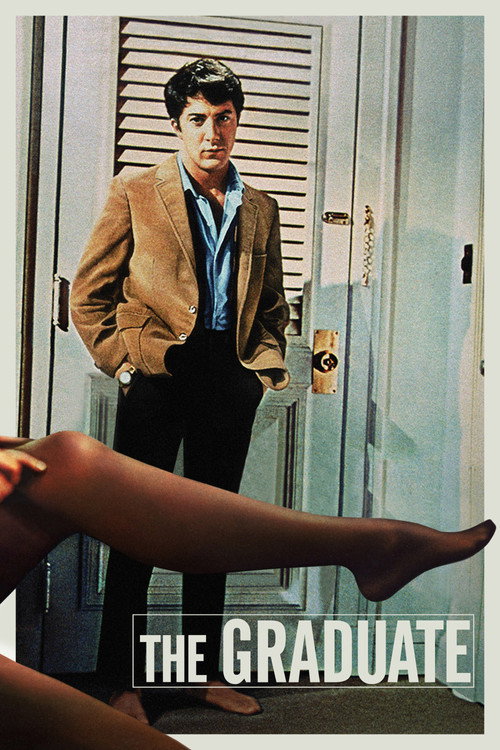
The Graduate1967
A younger man seduced by an older woman—the flip side of Mrs. Stone's story. Both films examine how desire and fear move people toward and away from each other across an age gap.
But It's become such a cultural monument that it's hard to see fresh. Also, the ending is neat in a way neither character has earned.
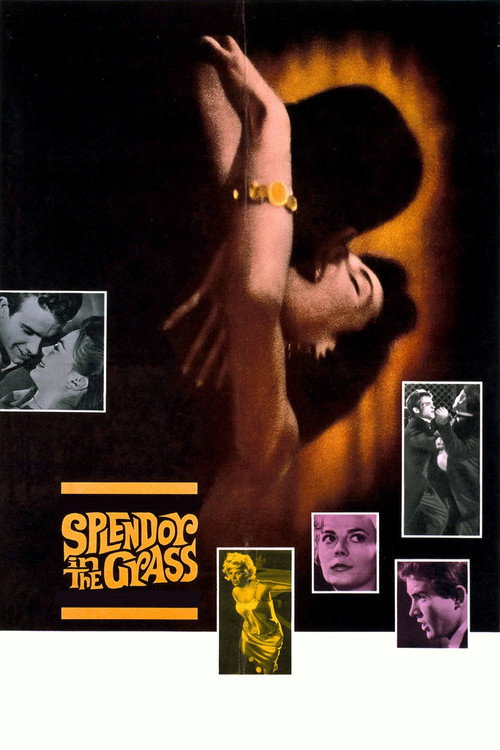
Splendor in the Grass1961
Elia Kazan exploring desire, class, and moral paralysis in 1920s Kansas. Like Mrs. Stone, it's passionate about watching attractive people destroy themselves through wanting the wrong things.
But The psychology feels period-typical now—it's bound up with sexual repression that modern viewers might find overstated. Some scenes are heavy-handed.
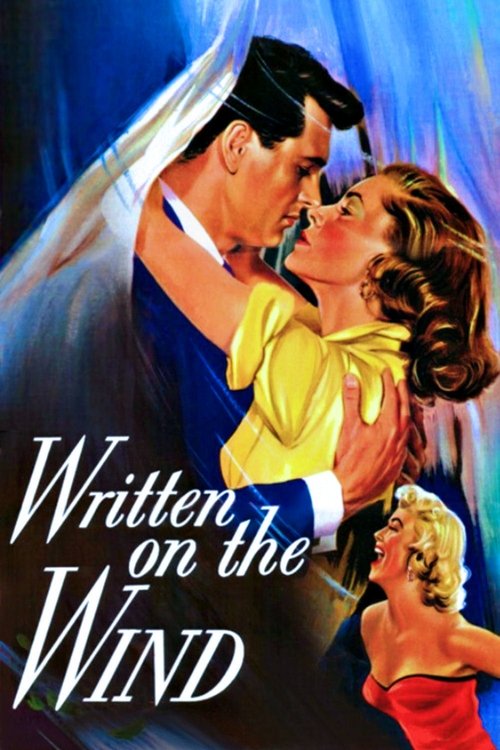
Written on the Wind1956
Both films use colour, luxury, and attractive surfaces to examine emptiness and mortality beneath. They're about what money and beauty cannot buy.
Douglas Sirk's melodrama about inherited wealth, desperation, and the gap between how the world sees you and who you actually are. It's gorgeously shot and emotionally ferocious—melodrama at its most serious.
But It requires accepting melodrama as a legitimate form, not a camp relic. If you can't do that, it will seem overwrought.
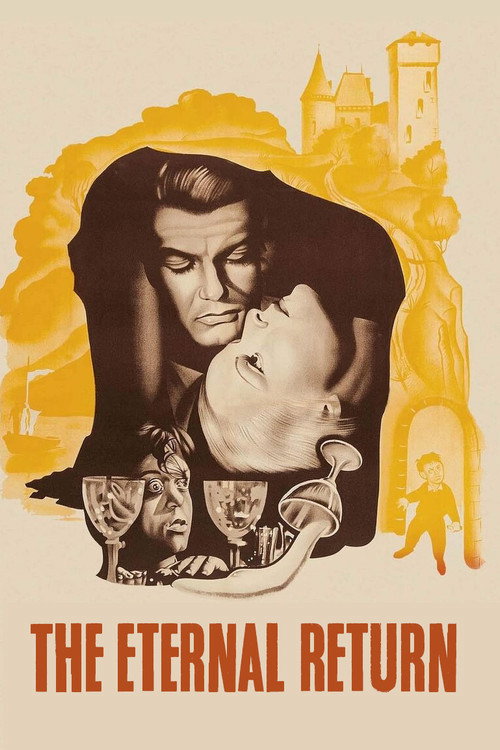
The Eternal Return1943
Like Mrs. Stone, it's about desire as a force that overwhelms judgment and morality. Both films trust that watching someone fall is enough—they don't need the person to survive it.
A French adaptation of Tristan and Isolde as a modern love story, shot in lush black and white. It's strange, urgent, and deeply romantic in ways that have nothing to do with plot—the mood is intoxication itself.
But It's in French with subtitles, and it's oblique. You'll have to pay close attention and accept that the story takes a backseat to atmosphere.
People
Cast
 Vivien LeighKaren Stone
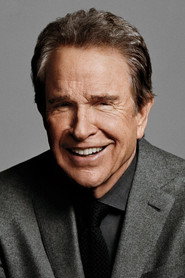 Warren BeattyPaolo di Leo
 Lotte LenyaContessa Magda Terribili-Gonzales
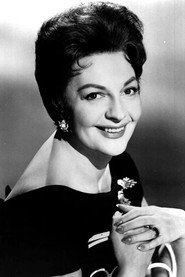 Coral BrowneMeg
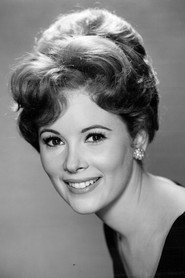 Jill St. JohnBarbara Bingham
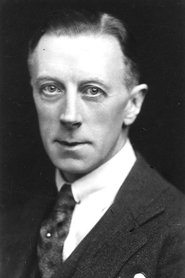 Ernest ThesigerStefano
 Jeremy SpenserYoung Man
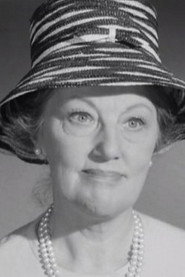 Stella BonheurMrs. Jamison-Walker
 Bessie LoveBunny
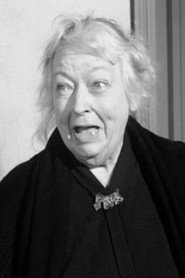 Josephine BrownLucia
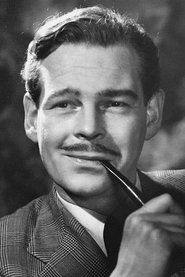 Peter DyneleyLloyd Greener
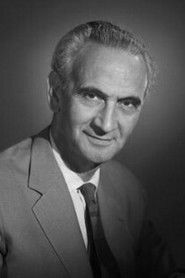 Carl JaffeBaron Waldheim
Directing
- José QuinteroDirector
Writing
- Tennessee WilliamsNovel
- Gavin LambertScreenplay
Production
- Lothar WolffAssociate Producer
- Robert LennardCasting
- Louis De RochemontProducer
Recommended by
Bonjour Tristesse, Summer and Smoke, Quartet, In the Cool of the Day