
Film
The Eternal Return
A 1943 French wartime romance that transposes the Tristan and Isolde legend into a contemporary love triangle. When a man accidentally drinks a love potion meant for his uncle, he's caught between duty and desire, between two women, between reason and enchantment. It's luminous and fatalistic, made in occupied France with a dreamlike intensity that feels almost dangerous.
If you liked this
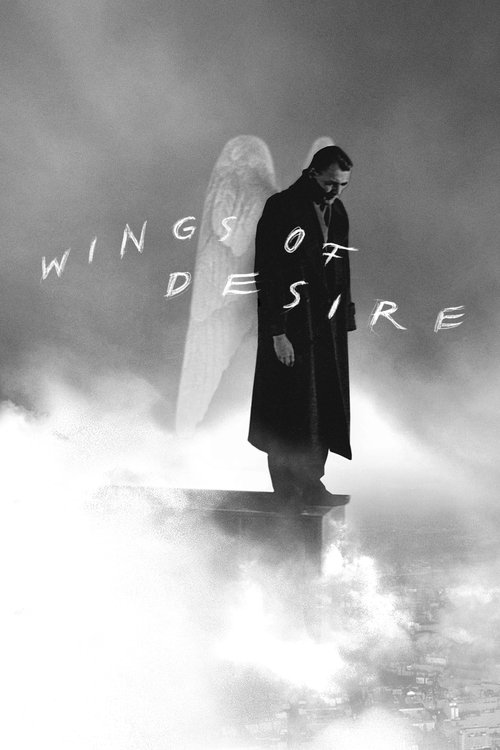
Wings of Desire1987
Wim Wenders' meditation on longing and romance, where desire and fate intertwine across Berlin. Like *The Eternal Return*, it treats love as something transcendent and slightly beyond human control, shot through with melancholy beauty.
But It's meditative and slow; angels observing the city can feel static if you want plot momentum. Some find the philosophical voiceover arch rather than moving.
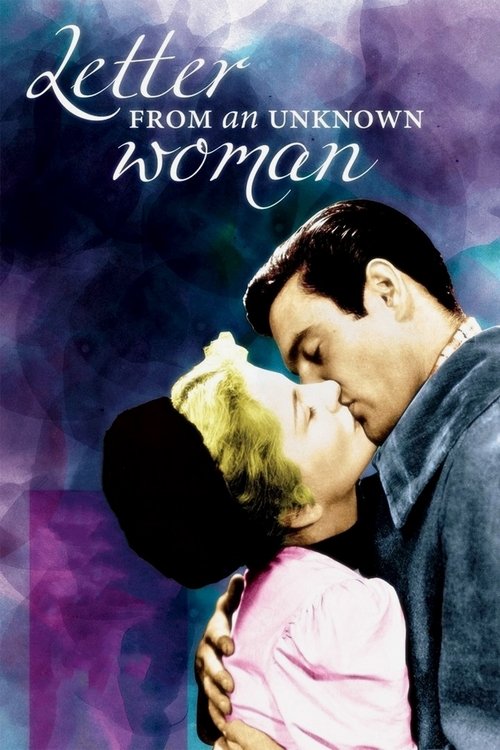
Letter from an Unknown Woman1948
Max Ophüls' masterpiece of unrequited devotion and romantic obsession. A woman loves a man across years without his knowledge. Like *Eternal Return*, it captures the pain of loving someone you cannot have, with visual rapture.
But The melodrama is extreme and unapologetic. If you resist emotional surrender, the film's fatalism will feel overwrought rather than tragic.
Hiroshima Mon Amour1959
Alain Resnais' hypnotic film about two lovers in Japan, where past trauma and present passion collide. Both films use romance to explore how the past binds us, with extraordinary visual poetry and a sense of doom.
But It's fragmented and abstract; dialogue repeats; plot clarity takes a back seat to mood and memory. Requires patience and surrender to cinema as music.
Not sure tonight? Get a pick in a minute, starting from The Eternal Return
The wildcard
Something you would not have found on your own.
Tristan and Isolde1920
*The Eternal Return* is a direct translation of the Tristan myth into 1943 France. Knowing the source reveals how Cocteau compressed legend into a contemporary love story and made the supernatural feel inevitable rather than extraordinary.
The literal source myth itself—or dozens of versions of it. *The Eternal Return* is a deliberate, ingenious modern transposition. Seeing the legend in its original form shows you exactly what Cocteau kept and why: the shape of tragic desire is eternal.
But There's no single definitive 'Tristan and Isolde'—you'd need to commit to a version or two, and medieval romance can read as unfamiliar now. The magic and passion take different forms across tellings.
More like this (7)
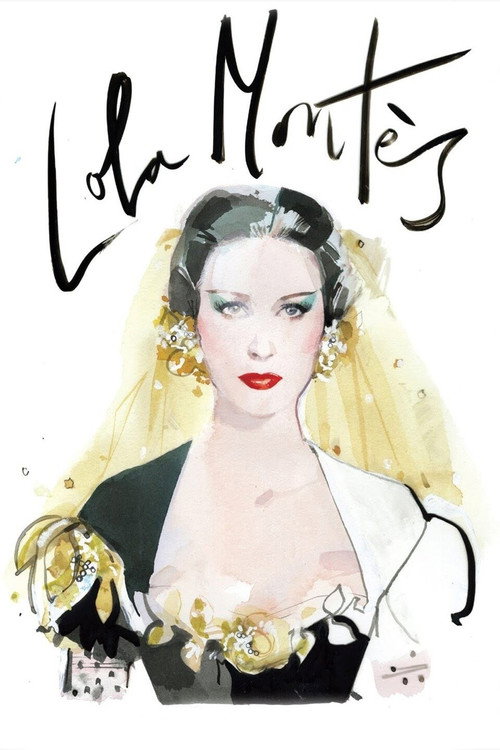
Lola Montès1955
Max Ophüls again—a dazzling, heartbreaking biography of a courtesan destroyed by love across Europe. The visual splendour and romantic tragedy echo *Eternal Return*'s sense that beauty and doom are inseparable.
But Ophüls' swooping camera can feel baroque to the point of exhaustion. The framing story distances you from the tragedy rather than deepening it.
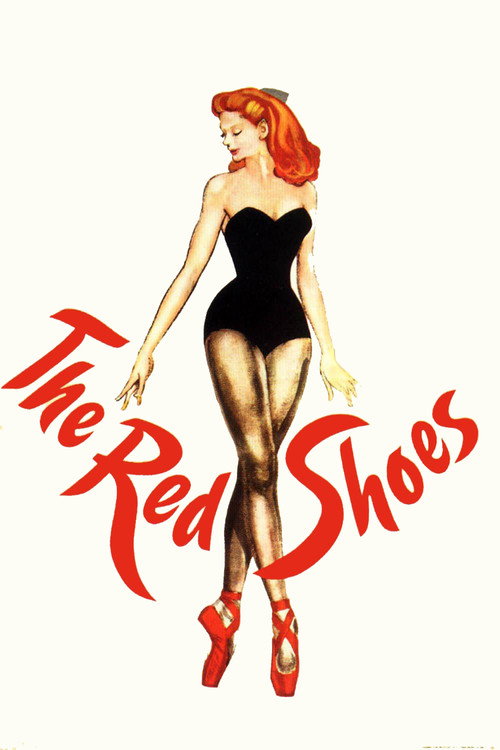
The Red Shoes1948
Powell and Pressburger's film about a woman torn between love and art. Like *Eternal Return*, it's visually sumptuous, operating at the level of myth and compulsion rather than realism. Fate feels inevitable.
But The ballet sequences are very long. The film's attitude toward women's autonomy feels dated and troubling in places.
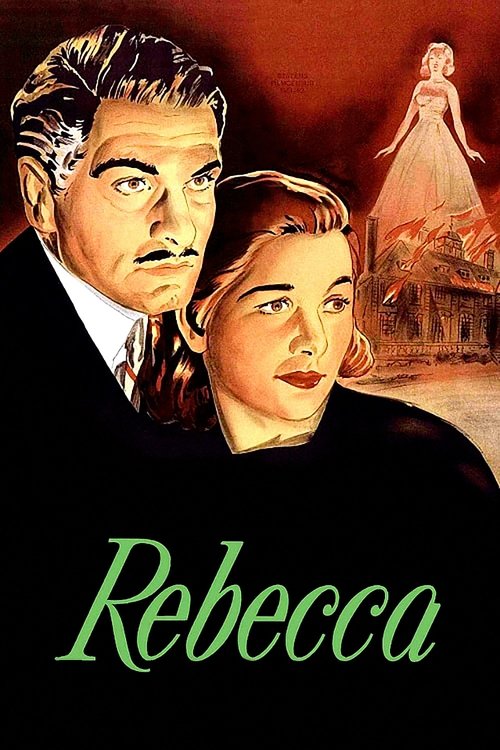
Rebecca1940
Hitchcock's gothic romance where the past lover haunts the present marriage. Both films are about being trapped by passion and the ghosts of other people's desires. Darkly romantic and claustrophobic.
But It's very plot-driven where *Eternal Return* is atmospheric. If you find Gothic melodrama overwrought, this leans harder into it.
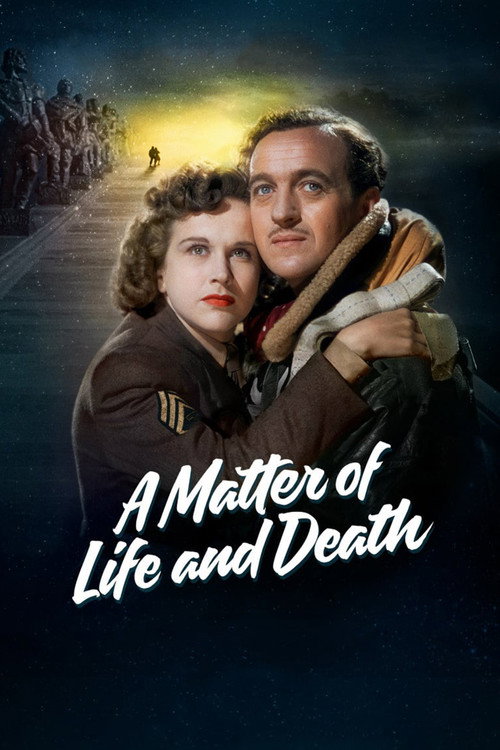
A Matter of Life and Death1946
Powell and Pressburger's lyrical wartime love story between a pilot and a radio operator. Like *Eternal Return*, it blends the magical with the romantic, treating love as something that transcends ordinary reality.
But The whimsy can tip into saccharine. The Technicolor is glorious but the film's tone shifts between romance, comedy, and courtroom drama—some find that jarring.
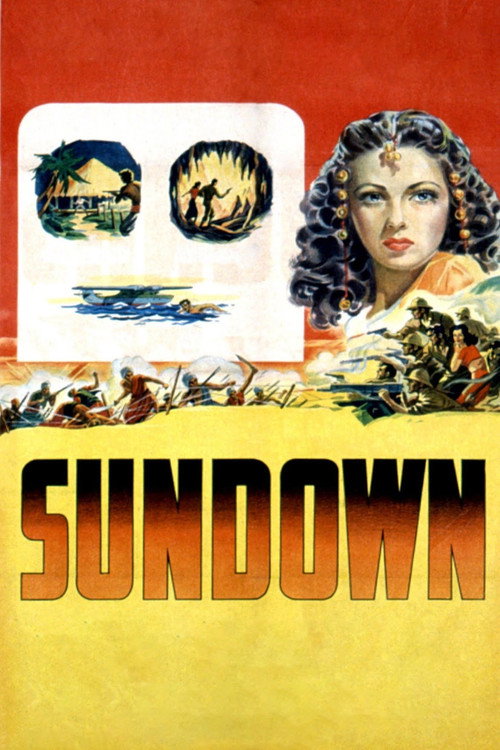
Sundown1941
Jean Renoir's wartime romance about desire and betrayal in colonial Africa. Sensual and morally complex, it shares *Eternal Return*'s interest in how passion disrupts order and rationality.
But It's lesser Renoir and somewhat dated in its colonial politics. The plotting can feel meandering and underdeveloped.
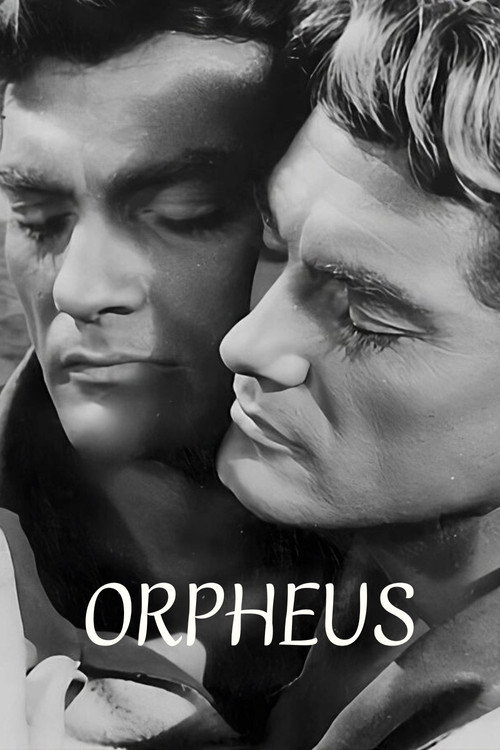
Orpheus1950
Both are Cocteau recasting classical myth as contemporary drama. Both treat the magical as real and the real as dreamlike. *Orphée* is what Cocteau learned after making *Eternal Return*.
Jean Cocteau's own film, a few years after *Eternal Return*, where he remakes the Orpheus myth for 1950s Paris. If you felt the mythic resonance in *Eternal Return*, this is Cocteau doubling down: ancient stories retold in modern dress, death and desire intertwined, poetry as the only truth.
But It's denser and more self-consciously 'artistic' than *Eternal Return*. Some find Cocteau's self-regard suffocating; others find the dreamlike register impenetrable.
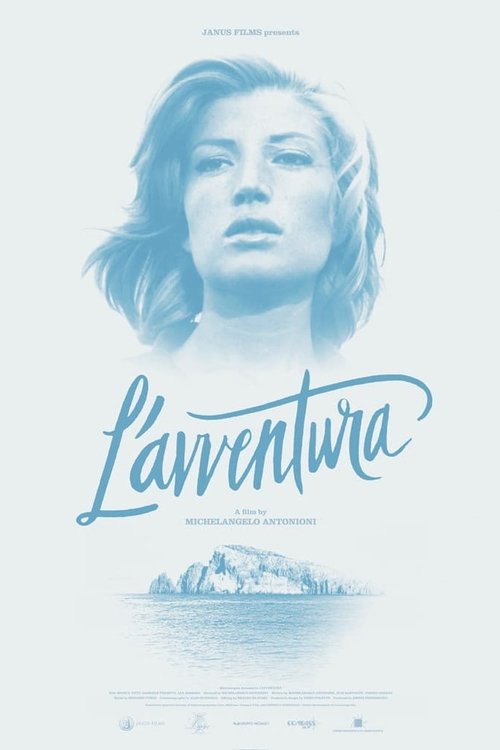
L'Avventura1960
Both treat romance as a force that unmakes people, a kind of beautiful doom. Both are more interested in the feeling of being trapped by desire than in the mechanics of plot. Both are visually sumptuous in service of emotional desolation.
Antonioni's slow, hypnotic film about desire and dissatisfaction among the wealthy. On the surface completely different—no love potion, no wartime urgency—but it shares *Eternal Return*'s fatalistic belief that love is compulsion, that we're bound to each other by forces we don't control, and that beauty and despair are the same thing.
But It's austere and very long. Antonioni's characters are privileged and often unlikeable. The pacing is glacial; if you want narrative momentum, this will frustrate you.
People
Cast
 Madeleine SologneNathalie la blonde
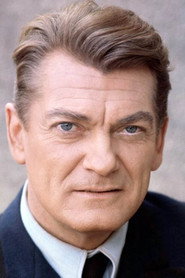 Jean MaraisPatrice
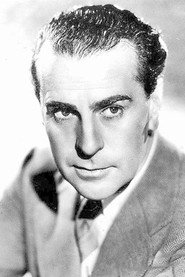 Jean MuratMarc
 Junie AstorNathalie la brune
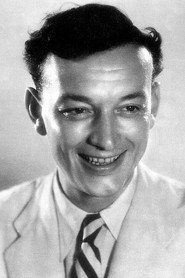 Roland ToutainLionel
 Jane MarkenAnne
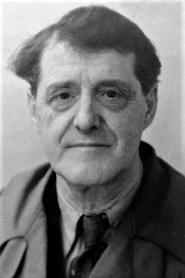 Jean d'YdAmédée Frossin
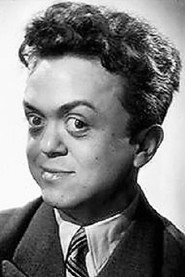 PiéralAchille Frossin
 Alexandre RignaultMorholt
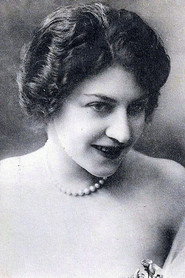 Yvonne de BrayGertrude Frossin