
Film
Orpheus
Cocteau's radical reimagining of the Orpheus myth, set in postwar Paris. A poet becomes entangled with Death herself, and the rules of that engagement—where you cannot look back, where mirrors are portals, where desire and loss are the same thing—become urgent and metaphysical. Gorgeous, strange, sometimes difficult. For people who believe cinema can remake ancient stories and make them truer.
Should you watch it?
Watch it if you like myth retold as a dreamy, slightly dizzy puzzle, where mirrors, radio static and stairways between worlds matter more than tidy plot logic.
Skip it if you need brisk momentum and a clear plot, since this one drifts through its ideas slowly and lingers on symbolism over suspense.
What it asks of you: Its ninety-five minutes stay dreamlike and deliberate, asking you to accept its rules without explanation and to trust that the strangeness is going somewhere.
Not sure? Find tonight's pick in a minute.
If you liked this
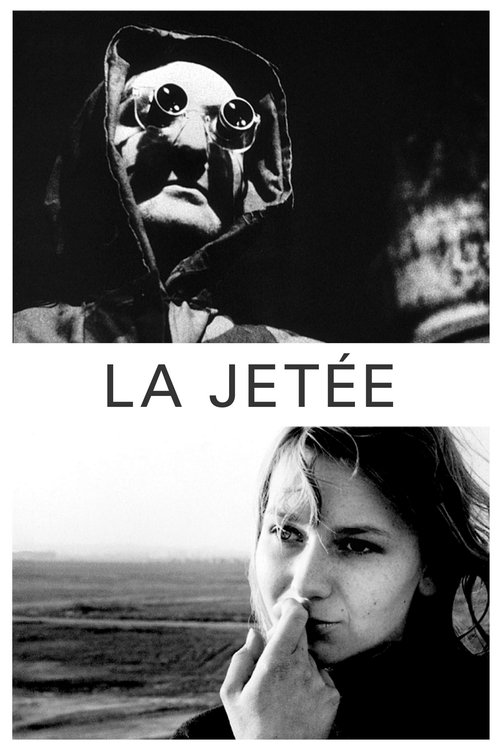
La Jetée1962
A meditation on memory, time, and the impossibility of changing the past, told almost entirely through still photographs and a whispered narration. Like Orpheus, it asks what we lose when we look back.
But At 28 minutes, it's hypnotic in a way that demands patience. Some find it too austere to engage with emotionally.
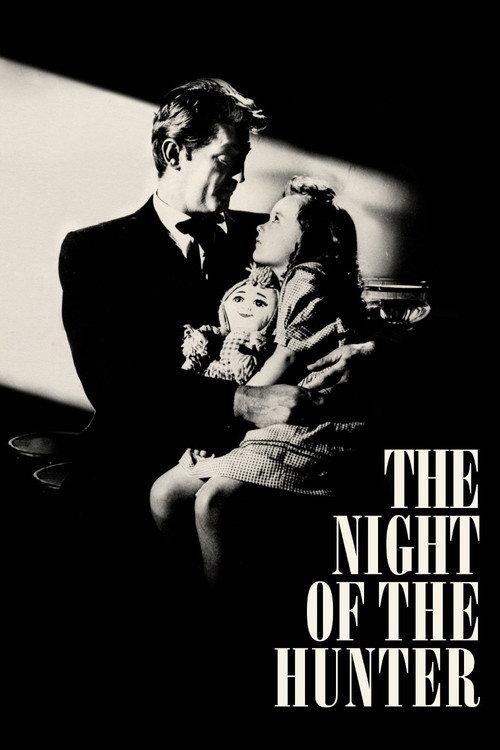
The Night of the Hunter1955
Charles Laughton's only directorial effort: a fairytale-dark noir about predation and innocence, shot like a fever dream. Visually bold in ways that feel like they owe to Cocteau's playfulness with cinema itself.
But It's genuinely unsettling and morally murky. The menace is not relieved by comfort, and the ending will divide you.
Stalker1979
Tarkovsky's profound meditation on desire, faith, and the impossibility of getting what we think we want. A man guides others toward a mysterious room that promises anything—but the journey inward is what matters.
But 162 minutes of slow, hypnotic pacing. If you need plot momentum, you will feel this acutely. Requires surrender, not effort.

Not sure tonight? Get a pick in a minute, starting from Orpheus
The wildcard
Something you would not have found on your own.
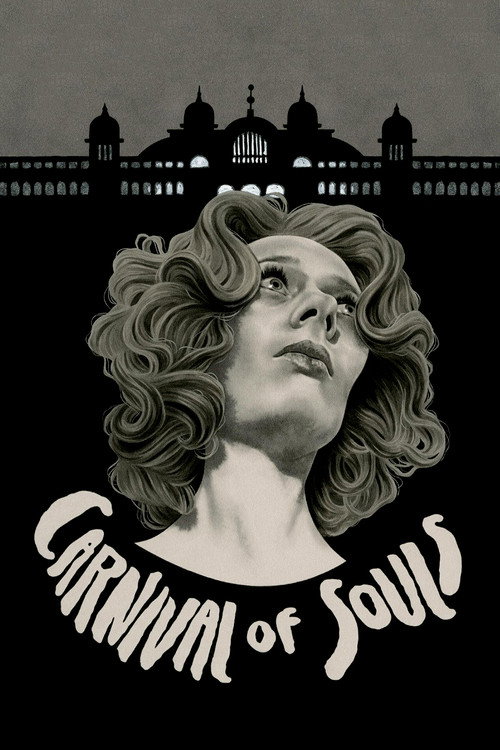
Carnival of Souls1962
Both films treat death as a palpable realm you can walk into, and both are haunted by the question: if you survive, are you still living?
A woman escapes death but suspects she remains among the dead. Shot in grainy black-and-white on a tiny budget by Herk Harvey, it has the dreamlike dread of a folk tale. Proof that strangeness needs no money.
But Extremely low-budget filmmaking shows on screen. The acting is uneven and the pacing is glacial—it's patient to the point of testing your patience.
More like this (7)
Mulholland Drive2001
Lynch's love letter and requiem for Hollywood, where the boundary between waking and dreaming collapses. Like Orpheus, it's about looking back at what you've lost and finding the real world unspeakable.
But Deliberately discontinuous. It demands you sit with ambiguity and will not resolve into a single truth. Maddening if you want clarity.

The Seventh Seal1957
Bergman's Death plays chess with a knight. A direct ancestor to Orpheus's engagement with mortality, but where Cocteau is playful, Bergman is grave. Essential cinema about what it means to face the inevitable.
But It's a serious, sometimes bleak philosophical inquiry. No lightness here, and the medieval setting can feel distant if you resist it.

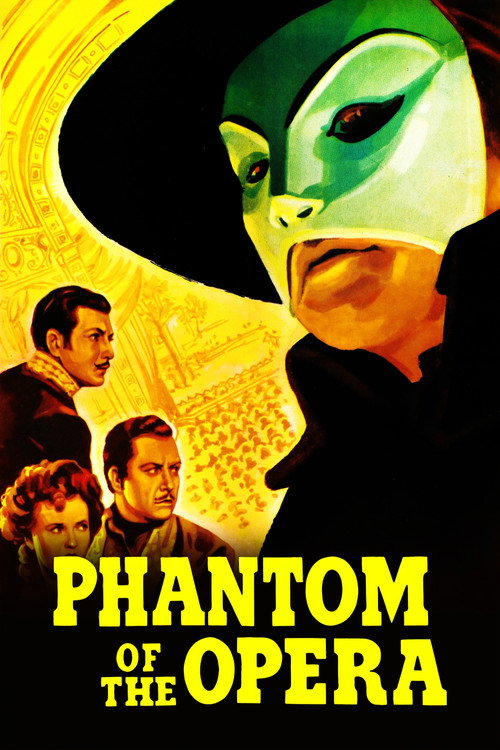
Phantom of the Opera1943
Universal's operatic masterpiece: lush, melodramatic, obsessed with beauty and monstrosity. The Phantom is Orpheus for the Hollywood age—a man destroyed by love and by his own art.
But The gender politics are dated and uncomfortable. And it's more interested in spectacle than psychology.
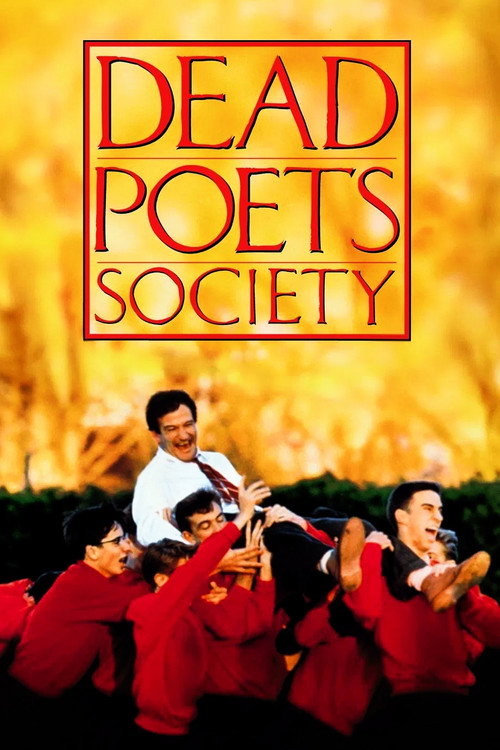
Dead Poets Society1989
A film about poetry, rebellion, and the cost of not looking away from what matters. Keating teaches his students to seize the day—to not live lives of quiet desperation.
But It can feel manipulative and sentimental in hindsight. The dead poet himself is never really challenged by the narrative.
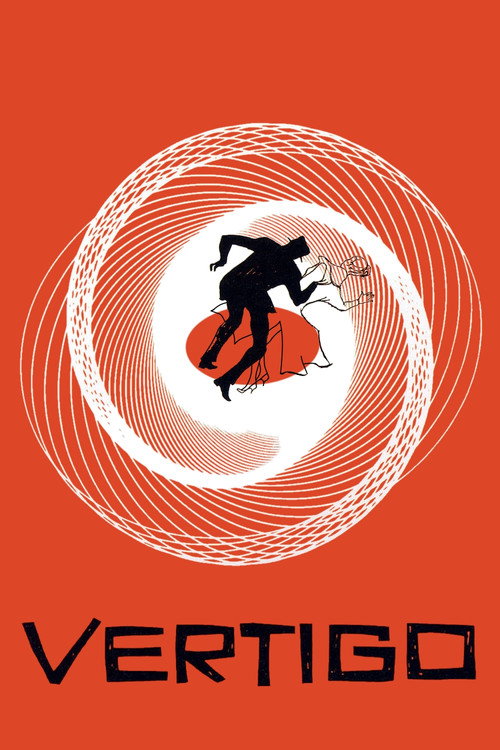
Vertigo1958
Hitchcock's descent into obsession and necrophilia, where a man pursues a woman who is essentially a ghost. The vertical spiral of the title mirrors the mythological descent. Visually and morally vertiginous.
But The ending may feel like it endorses its protagonist's sickness. And the pacing, though hypnotic, can feel glacial to modern viewers.
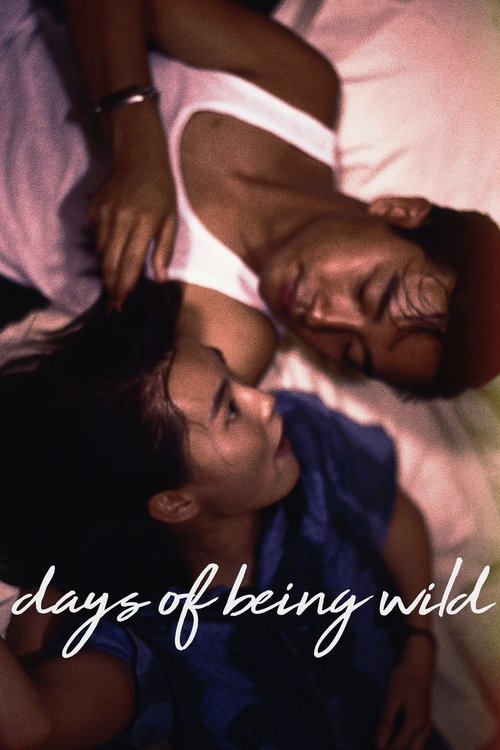
Days of Being Wild1990
Wong Kar-wai's lush, melancholic exploration of lost love and temporal displacement. A man searches for connection and origin across cities, always arriving too late. Gorgeously filmed and emotionally intricate.
But It's plotless in a way that some find pretentious. The beauty sometimes substitutes for narrative momentum, and you must be receptive to that choice.
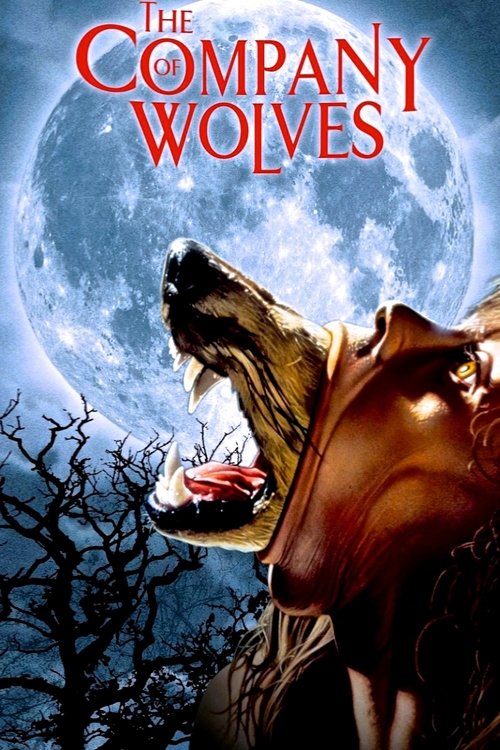
The Company of Wolves1984
Both films treat myths as living things that can be entered and inhabited. Both love cinema's power to make the impossible look like truth. Both are deeply sensual, deeply weird, and will not apologize for either.
Neil Jordan's fever dream of Little Red Riding Hood, where fairy tales nest inside fairy tales and sexuality blooms dark and dangerous. Puppetry, rotoscope, and fever-dream logic. As surreal as cinema gets while staying narrative.
But The surrealism is sometimes impenetrable. If you need metaphors to behave themselves, this will frustrate you. Also genuinely grotesque in places.
People
Cast
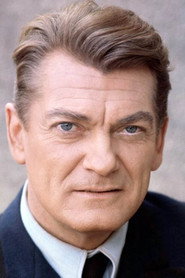 Jean MaraisOrphée
 François PérierHeurtebise
 María CasaresDeath
 Marie DéaEurydice
 Henri CrémieuxEditor
 Juliette GrécoAglaonice
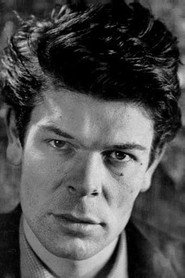 Roger BlinThe Poet
 Édouard DermitheJacques Cégeste
 André CarnègeJudge
- René WormsJudge
- Raymond FaureJournalist
 Pierre BertinCommissioner
Directing
- Claude PinoteauAssistant Director
- Jean CocteauDirector
Writing
- Jean CocteauWriter
Production
- André PaulvéExecutive Producer
- Alfred MarpauxProduction Designer
- Émile DarbonProduction Manager
- Jean-Marie LoutrelUnit Production Manager
Recommended by
Black Orpheus, Moulin Rouge!, Destiny, Ulysses, The Magic Flute, Sadko, Outward Bound, Death Takes a Holiday, A Midsummer Night's Dream, Ulysses 31, The Navigator: A Medieval Odyssey, Maciste in Hell, One Touch of Venus, The Goblin Market, Tomorrow Never Dies, Northanger Abbey, The Magic Flute, Dante's Inferno: An Animated Epic, The Eternal Return, The Strange Ones, The Willoughbys, The Master and Margarita, Oedipus the King, The Spider's Stratagem, The Man in the Mirror, The Inauguration of the Pleasure Dome, Cremaster 2, I Puritani, Les Indes Galantes, Orfeu