
Film
Sadko
- Fantasy
- Light-hearted
A Soviet fairy tale in sumptuous Technicolor: a poor musician brags to merchants that he'll find a magical bird, and the Ocean King's daughter falls in love with him and offers help. What follows is a picaresque adventure through fantastical lands, built entirely around music, spectacle, and the idea that beauty and song matter more than wealth. It's visually extraordinary and emotionally sincere in a way that feels almost impossible now.
Should you watch it?
Watch it if you love folk-tale fantasy told with lush colour, sung melodies and a fairy-tale sense of wonder, the kind of film where a boast becomes a voyage and the music carries the story as much as the plot does.
Skip it if you want fast pacing, realistic characters or a modern narrative drive; the storytelling is deliberately stylised and episodic, so its gentle, ceremonial rhythm may feel slow to restless viewers.
What it asks of you: It runs about eighty-five minutes and asks you to settle into a leisurely, storybook rhythm, letting songs and tableaux unfold at their own pace rather than chasing momentum.
Not sure? Find tonight's pick in a minute.
If you liked this
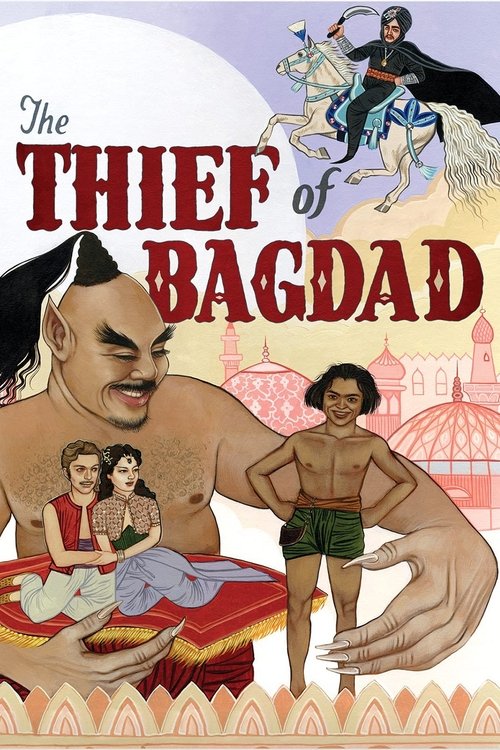
The Thief of Bagdad1940
Another Technicolor fantasy about an impossible quest through magical lands, with the same ravishing visual imagination and the same conviction that wonder is worth more than realism. The colour cinematography is breathtaking.
But It's British rather than Soviet, and the pacing assumes patience; modern action filmmaking will feel faster and snappier by comparison.
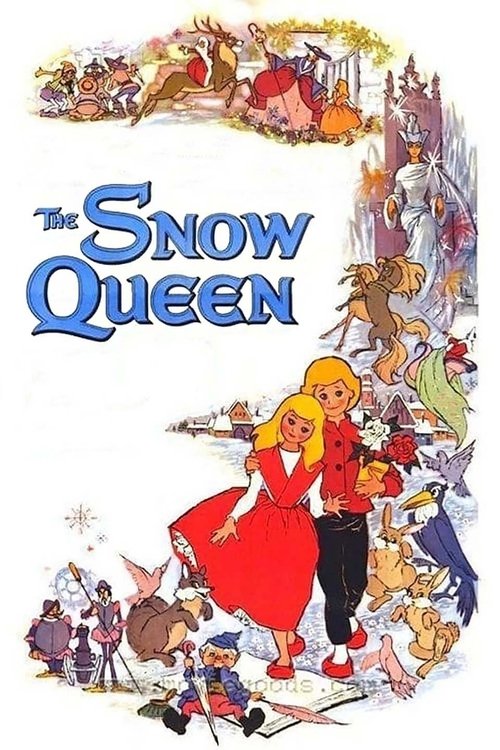
The Snow Queen1957
A Soviet fantasy with the same lush visual style, the same faith in fairy-tale logic, and the same willingness to be gorgeous and sincere. It has the same warmth underneath the spectacle that makes Sadko so winning.
But The dubbing on most available versions is thin, and some of the character work feels dated if you're used to contemporary voice acting.
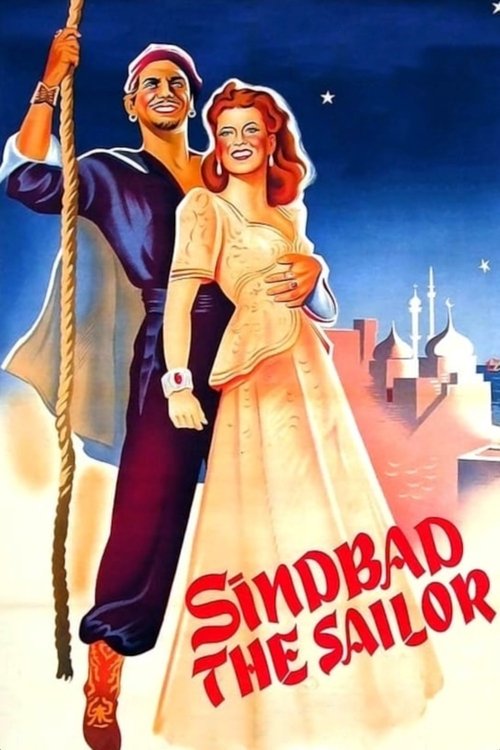
Sinbad the Sailor1947
Stop-motion adventure with the same spirit: a series of impossible encounters in impossible places, built around spectacle and the pleasure of seeing what comes next. It's pure imagination made tactile.
But The animation looks primitive by modern standards, and the story is fragmentary—each island is almost self-contained, which some find episodic rather than gripping.
Not sure tonight? Get a pick in a minute, starting from Sadko
The wildcard
Something you would not have found on your own.
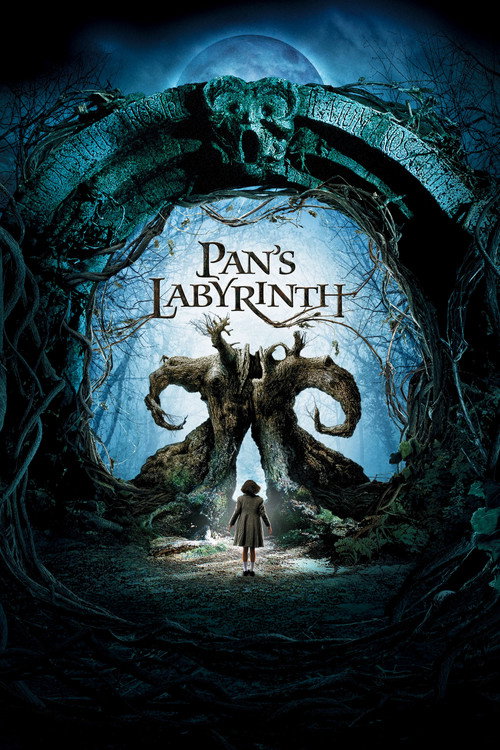
Pan's Labyrinth2006
Both use colour and spectacle to argue that beauty and imagination are worth fighting for, but Labyrinth asks what that looks like when beauty cannot save you.
A fantasy with the same visual gorgeousness and the same belief in the transformative power of imagination, but where the stakes are real and terrible. It shows what happens to the fairy tale when the world outside it is fascism.
But It's dark—genuinely dark, not just in tone but in subject matter. There's real violence and real death, and it's not a journey into wonder but a journey into survival.
More like this (8)
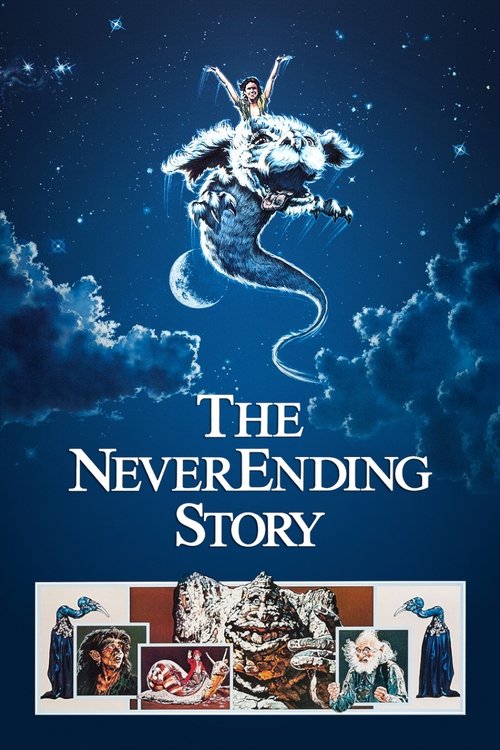
The NeverEnding Story1984
A modern fantasy that learned from films like Sadko: belief in magic, a story that feels like a story, and the conviction that imagination matters. It has real weight underneath the wonder.
But The '80s production design is very '80s, and the second half loses some of the momentum the first half builds.
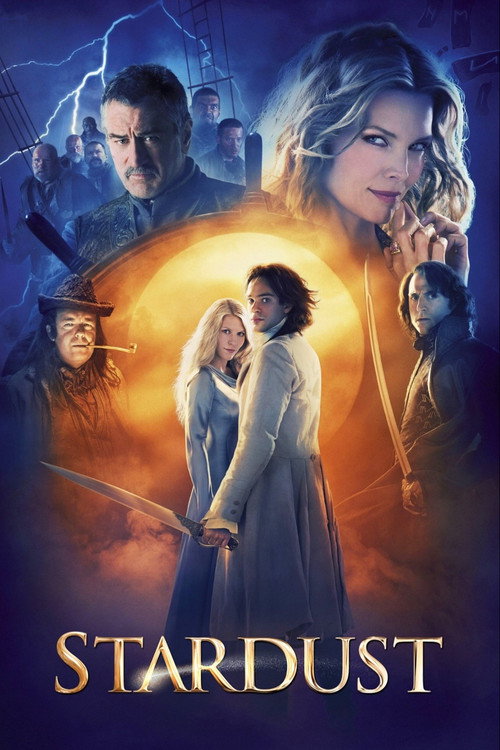
Stardust2007
A fantasy adventure that believes in itself and its own rules without winking, with genuine stakes and genuine beauty. It captures some of what makes Sadko work: sincerity, spectacle, and a hero who matters.
But It's much more modern and ironic in places, so the earnestness of Sadko is somewhat diluted. Some find the tone inconsistent.
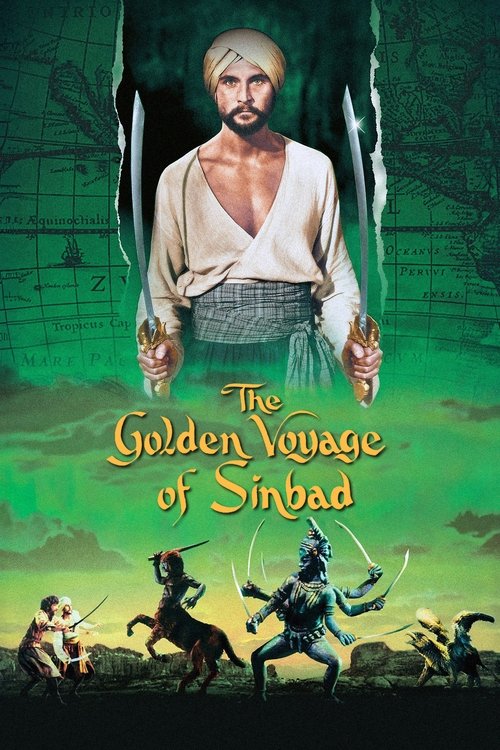
The Golden Voyage of Sinbad1973
Ray Harryhausen's stop-motion fantasy, which has the same episodic adventure structure and the same love of practical spectacle. Each encounter is a mini-miracle of craft and imagination.
But The dialogue is thin, and by modern standards the effects look quaint rather than transporting. You have to be in the mood for it.
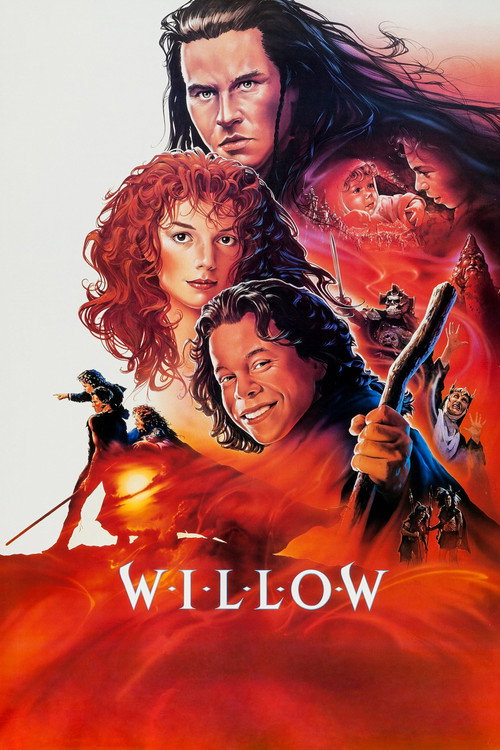
Willow1988
A fantasy adventure that builds its world with genuine care, has real stakes underneath the spectacle, and trusts the audience to follow a complicated quest. It's earnest in the way Sadko is.
But It's more action-driven than Sadko, and some of the humour undercuts the wonder. The pacing is faster, which some find more rewarding and others find more shallow.
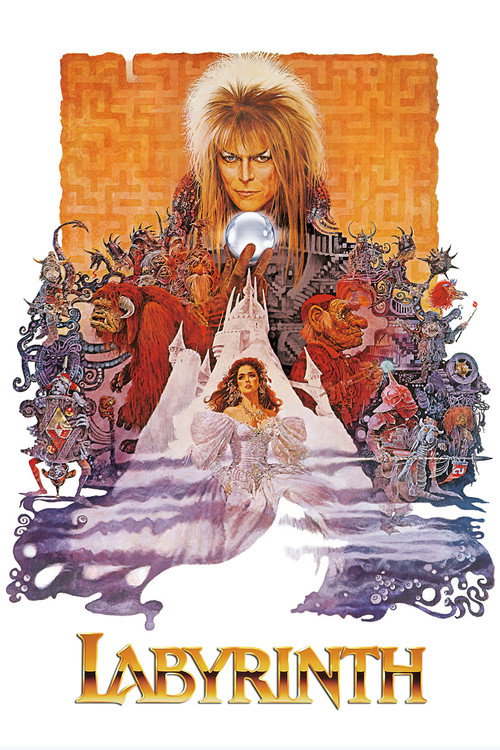
Labyrinth1986
A fantasy built on practical effects and genuine craft, with a protagonist who has to navigate an impossible world through intelligence and character rather than force. The design is extraordinary.
But It's darker and more gothic than Sadko, and the relationship dynamic at its heart won't resonate with everyone. It's also become somewhat overcultish, which can feel like baggage.
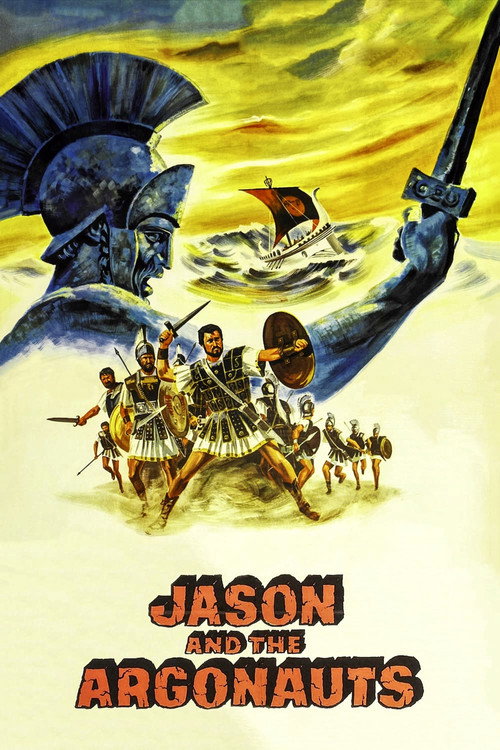
Jason and the Argonauts1963
Another Harryhausen adventure: a hero on a quest, mythological stakes, and effects that feel handmade and precious. The skeleton fight alone is worth the evening.
But It's very much a product of its era, and the narrative is more classical and less emotionally complex than Sadko. The dialogue is often stiff.
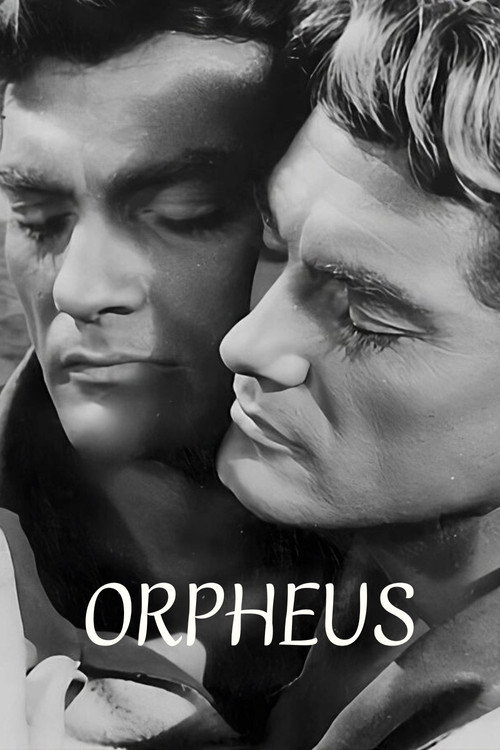
Orpheus1950
Both argue that a musician's art can move the world itself, and both are willing to violate narrative logic in service of that argument.
Jean Cocteau's modernization of the Orpheus myth: a poet trying to rescue his beloved from death. It has Sadko's faith in the transformative power of art, the same lush visual invention, and the same conviction that love is the only thing that matters.
But It's avant-garde in ways that can feel opaque; the logic is poetic rather than narrative, and if surrealism doesn't speak to you, you'll be frustrated.
Come and See1985
Both are Soviet films about what makes us human, but where Sadko argues it's our capacity for wonder, Come and See argues it's our capacity to endure when wonder is gone.
A Soviet film about a boy witnessing horror during war. It's included here not for similarity—it's the opposite of Sadko in almost every way—but because it asks the same question from the other direction: what does a human heart become when beauty is stripped away? It's a masterpiece.
But It is among the most difficult films ever made. It depicts atrocity, and it does not offer comfort or redemption. It will damage you. Watch it only if you are ready.

People
Cast
 Sergey StolyarovSadko
 Alla LarionovaLyubava
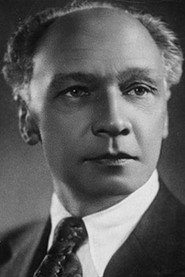 Mikhail TroyanovskyTrifon
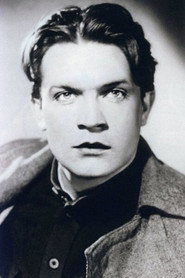 Nadir MalishevskyVyshata
- Boris SurovtsevIvashka
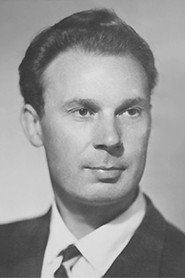 Yuri LeonidovKuzma
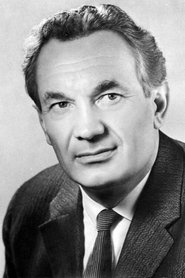 Ivan PereverzevTimofey Larionovich
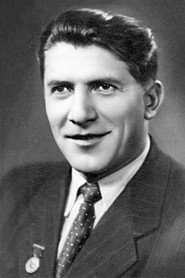 Nikolay KryuchkovOmelyan Danilovich
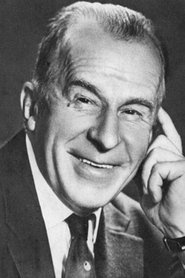 Sergei MartinsonThe Monk
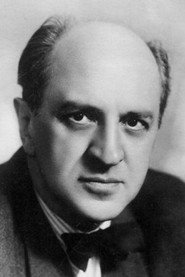 Mikhail AstangovMaharaja
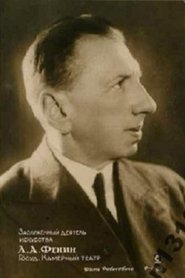 Lev FeninLeader of Varyags
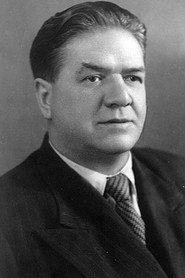 Stepan KayukovSea King
Directing
- Aleksandr PtushkoDirector
Writing
- Konstantin IsayevWriter
Production
- Maks GershengorinExecutive Producer