
Film
Cremaster 2
- Dark fantasy
- Strange
- Slow-burning
Matthew Barney's Cremaster 2 is a feature-length art film that fuses Western mythology, performance, and biological metaphor into something utterly unlike narrative cinema. Starring Norman Mailer as Harry Houdini and Barney himself as Gary Gilmore, it's visually stunning but deliberately oblique—a gothic fever dream that rewards patience and rejects easy interpretation. For viewers willing to sit with strangeness and ambiguity.
Should you watch it?
Watch it if you love art films that build a private mythology from images, where a gothic Western's dust, costume and ritual matter more than plot, and you don't mind piecing it together yourself.
Skip it if you want a story that moves forward and explains itself; this is abstract and deliberately opaque, so narrative-hungry viewers will likely feel adrift from the first frame.
What it asks of you: Settle in for a short, unhurried stretch of slow, stylized imagery where patience pays more than attention to who is doing what.
Not sure? Find tonight's pick in a minute.
If you liked this
Eraserhead1977
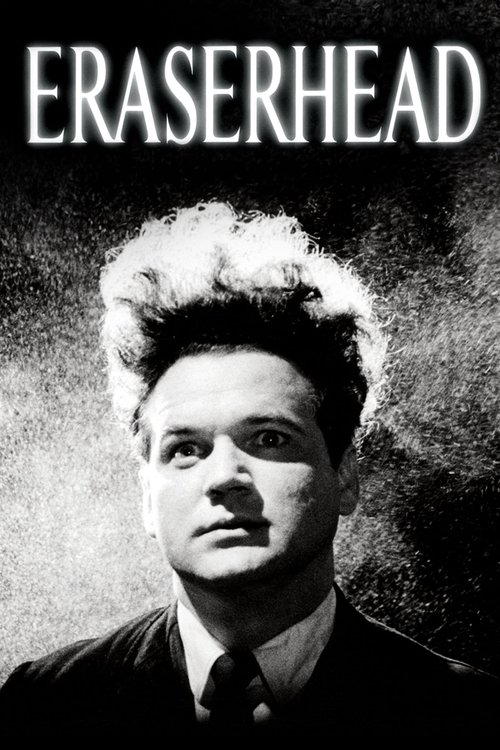
David Lynch's debut shares Barney's commitment to densely symbolic imagery, industrial textures, and the grotesque as a path to profound meaning. A touchstone for anyone drawn to uncompromising visual cinema that refuses to explain itself.
But It's slow, profoundly unsettling, and the narrative logic is intentionally murky. If you need plot clarity or conventional emotional beats, you will be frustrated.
Mulholland Drive2001
Lynch's fractured Los Angeles narrative uses performance, doubling, and identity dissolution as art. Like Cremaster 2, it demands active interpretation and rewards viewers who sit with its contradictions rather than seeking resolution.
But At three hours, it's demanding. The structure deliberately resists traditional answers, which some experience as maddening rather than fascinating.

Synecdoche, New York2008
Charlie Kaufman's meditation on art, death, and the blurring of reality and representation matches Cremaster 2's ambition to embody abstract ideas through image and performance. Both use genre trappings to explore deeper metaphysical territory.
But It's a puzzle that may never fully click. Some find that liberating; others find it exhausting and pretentious.

Not sure tonight? Get a pick in a minute, starting from Cremaster 2
The wildcard
Something you would not have found on your own.
The Ballad of Little Jo1993
Both films use the Western genre and themes of gender/identity performance to explore states of division and resistance to categorization. Cremaster 2 is abstract mythology; Little Jo is biographical and poetic, but the engine is identical.
Maggie Greenwald's historical Western stars Suzy Amis as a woman passing as a man on the frontier, collapsing gender and performance into a lyrical meditation on identity. Where Cremaster 2 abstracts sexual division biologically, this embodies it as lived Western history—more grounded, equally metaphorical.
But It's a quiet, elegiac film from 1993 that was critically overlooked. The pacing is deliberate and the dramatic arc is muted by design.

More like this (6)
The Holy Mountain1973
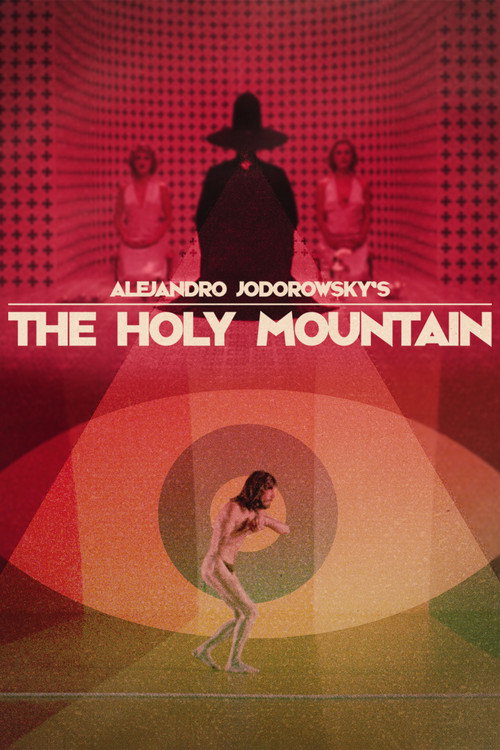
Jodorowsky's surrealist masterpiece uses the Western and religious iconography as raw material for visionary symbolism. Like Barney, he treats genre as a delivery system for metaphysics, not entertainment.
But It's excessive, occasionally grotesque, and utterly indifferent to whether you're enjoying it. The imagery can feel arbitrary if you resist the work required to find meaning.
Antichrist2009
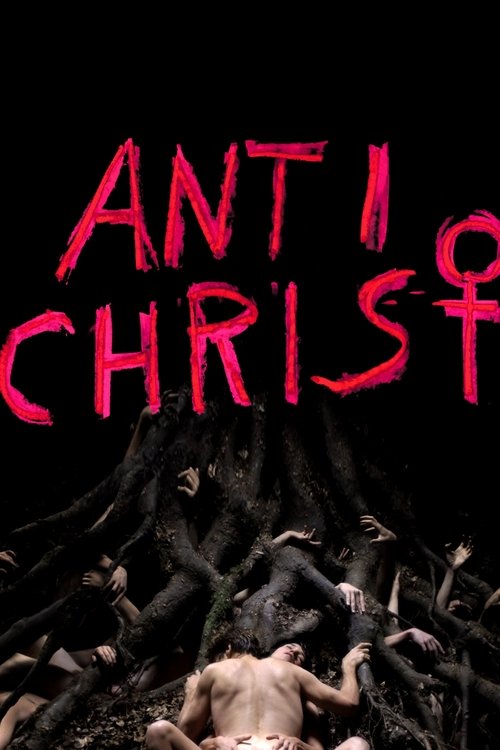
Lars von Trier uses extreme visual and thematic density to explore grief, sexuality, and nature as cosmic forces. The commitment to formal difficulty and metaphorical density echoes Barney's approach.
But Contains graphic sexual and violent imagery. The provocation isn't incidental; it's central, and some viewers find it obscures rather than clarifies the themes.
Vampire's Kiss1989
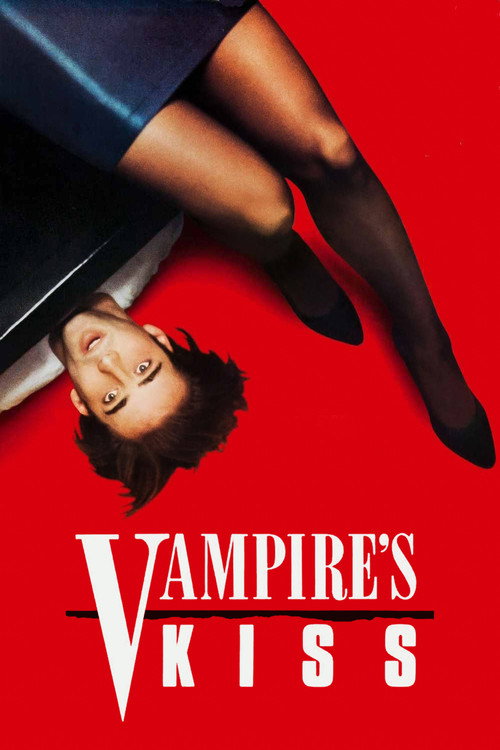
Nicolas Cage descends into obsessive delusion in a film that treats psychological collapse as both comedy and nightmare. Shares Cremaster 2's interest in performance, identity fracture, and the grotesque.
But It's a very strange 1989 film that hasn't aged into cult appreciation. The tone is genuinely hard to pin down, which works for some and alienates others.
Possession1981
Andrzej Żuławski's marriage-dissolution psychodrama uses gothic excess and experimental editing to externalize internal states. Shares Barney's baroque approach to making abstraction visceral.
But It's deliberately disorienting and the narrative is deliberately incoherent by design. The intensity can feel exhausting rather than illuminating.

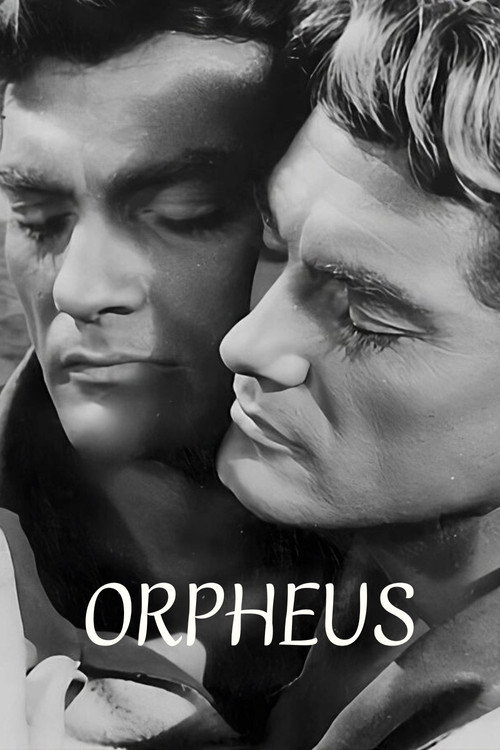
Orpheus1950
Cocteau's contemporary reimagining of the Orpheus myth uses performance, gender fluidity, and genre-mixing—the poetic Western to Cremaster 2's gothic one. Both treat classical narrative as material to transform, not preserve.
But It's a film of its era, which means its pacing and visual language can feel unfamiliar. The allegory requires some patience to decode.
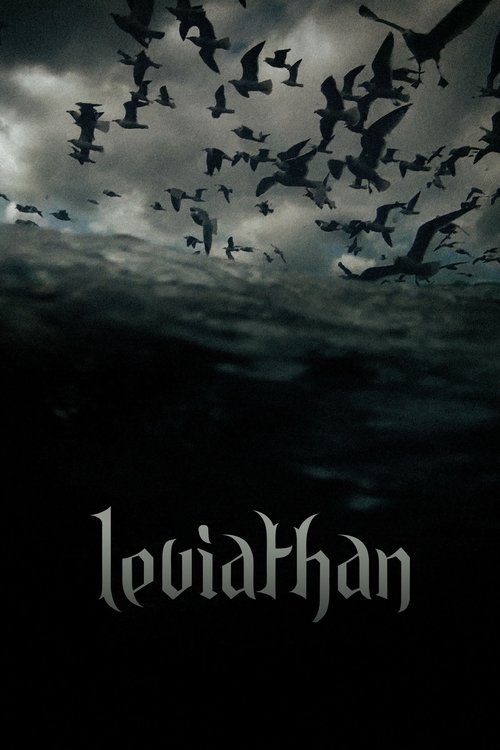
Leviathan2013
Both treat the biological body (Cremaster focuses on sexual division and fetal development; Leviathan on processing and death) as the subject and visual substance of cinema itself. Both reject narrative as a delivery system.
Lucien Castaing-Taylor and Verena Paravel's documentary uses industrial-scale fish processing and maritime imagery to create something between horror film and visual poem. It's Cremaster 2's commitment to the grotesque and sensory overwhelm in documentary form—no narrative, pure image and sound.
But There is no story. It's 87 minutes of fish, machinery, and abstraction. If you watch it looking for information or conventional documentary structure, you will feel lost.
People
Cast
 Norman MailerHarry Houdini
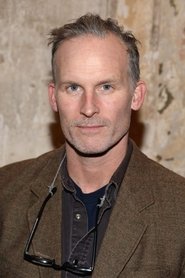 Matthew BarneyGary Gilmore
- Lauren PineBessie Gilmore
- Scott EwaltFrank Gilmore
 Patty GriffinNicole Baker
- Michael ThompsonMax Jensen
 Dave LombardoJohnny Cash (With Drums)
- Bruce SteeleJohnny Cash (With Bees)
- Steve TuckerJohnny Cash (voice)
Directing
- Matthew BarneyDirector
Writing
- Matthew BarneyWriter
Production
- Chelsea RomersaAssociate Producer
- Barbara GladstoneProducer
- Matthew BarneyProducer