
Film
The Inauguration of the Pleasure Dome
- Mythological fantasy
- Strange
Kenneth Anger's 1954 avant-garde masterpiece stages an occult masquerade where mythological deities enact a ritualistic ceremony. It's hypnotic, visually dense, and unapologetically esoteric—a 38-minute descent into ceremonial magic filtered through cinema. For those willing to abandon plot entirely and surrender to pure image and symbol.
If you liked this
Mulholland Drive2001
A fever dream of Los Angeles where reality fractures and reconstructs around symbols and desire. Like Anger, Lynch uses repetition, mirrors, and cryptic mythology to create genuine unease beneath elegant surfaces.
But Three hours of oblique storytelling with no conventional resolution. If you need plot clarity, this will frustrate you deeply.

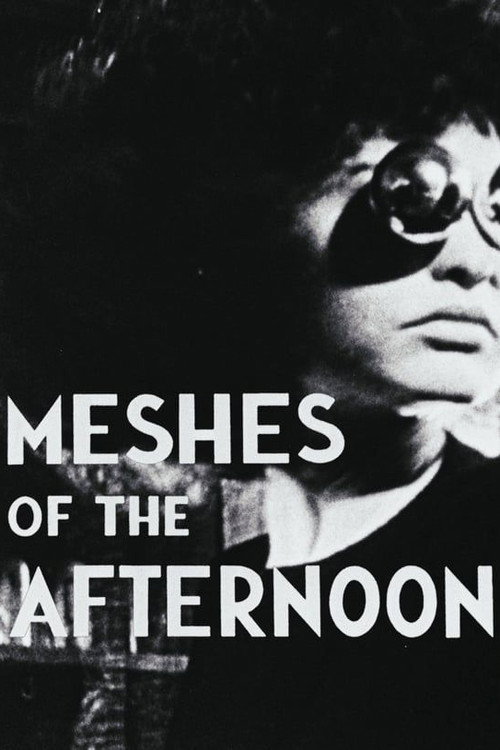
Meshes of the Afternoon1943
Maya Deren's 13-minute experimental classic that pioneered exactly what Anger does here: turning cinema into ritual and repetition into hypnosis. The DNA of avant-garde film, essential viewing.
But It's barely over 10 minutes and deliberately abstract. Some viewers find it precious rather than powerful.
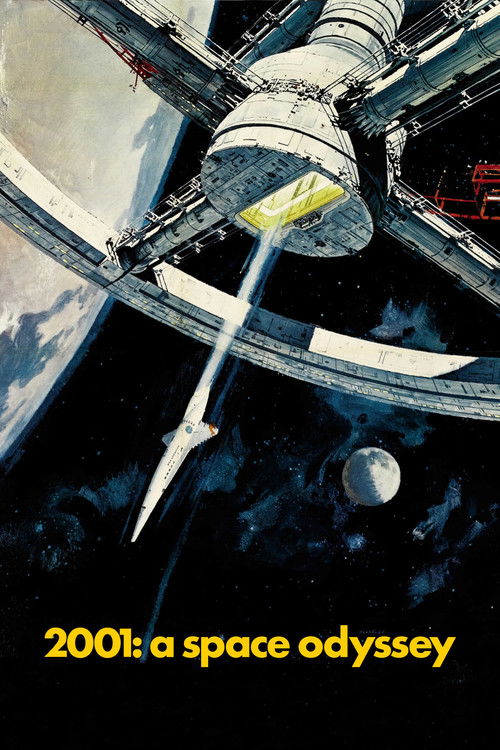
2001: A Space Odyssey1968
Kubrick's space-age ritual, equally obsessed with transcendence and symbols. Both films reject narrative comfort for visionary ambition and baroque imagery designed to unsettle rather than soothe.
But Nearly three hours of glacial pacing. The monolith won't speak to everyone, and some scenes move with geological slowness.
Not sure tonight? Get a pick in a minute, starting from The Inauguration of the Pleasure Dome
The wildcard
Something you would not have found on your own.
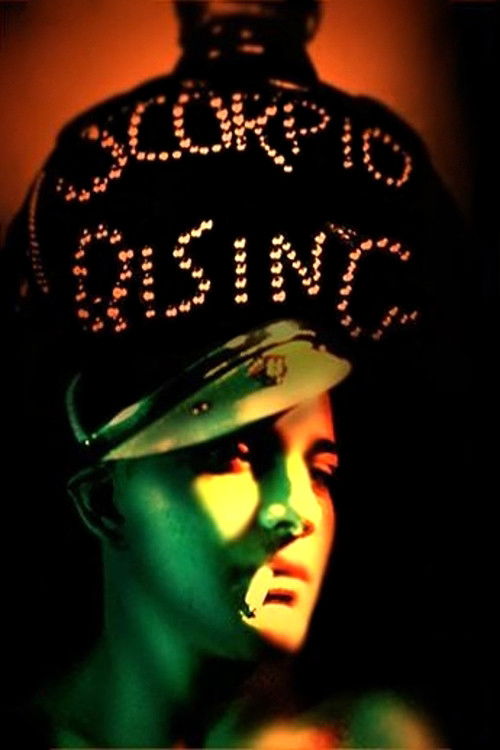
Scorpio Rising1964
Anger's own evolution—both turn cinema into ritual space where repressed desire becomes visible through pure image and sound, but Pleasure Dome is mythic and operatic while Scorpio Rising is vulgar and tribal.
Anger's own later masterpiece, built entirely from appropriated pop music and motorcycle culture, proves he could scale his ritualism to the everyday. If Pleasure Dome is the ceremony, this is the myth it creates.
But It's a collage of found footage and symbols; plotlessness becomes frustrating if you approach it looking for narrative. Some find it dated in its fetishes.
More like this (7)
The Holy Mountain1973
Jodorowsky's surrealist pilgrimage shares Anger's occult obsession and commitment to images that resist interpretation. Grotesque, gorgeous, and utterly committed to its own strangeness.
But It's deliberately disgusting in places and philosophically incoherent. The shock value sometimes overwhelms the actual ideas.

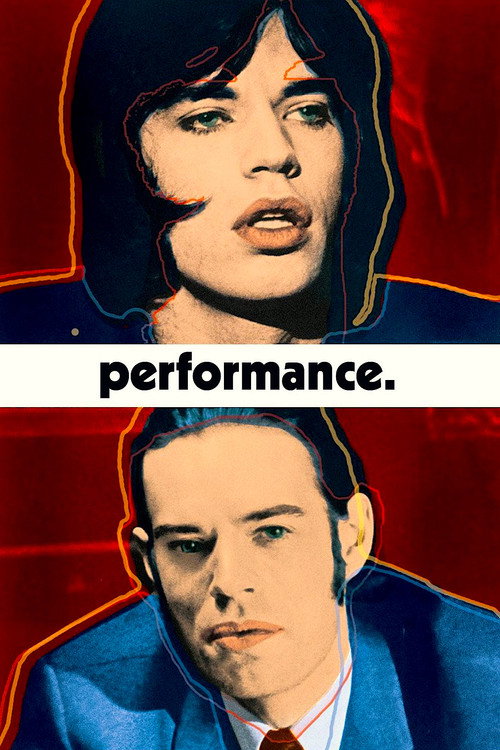
Performance.1970
Roeg and Cammell's portrait of a rock star and a fugitive offers the same hallucinatory decadence and gender-bending mysticism. Another film where style and occult aesthetics ARE the meaning.
But Muddled plotting and a dated sexual politics that hasn't aged especially well. Some viewers find it more pretentious than profound.
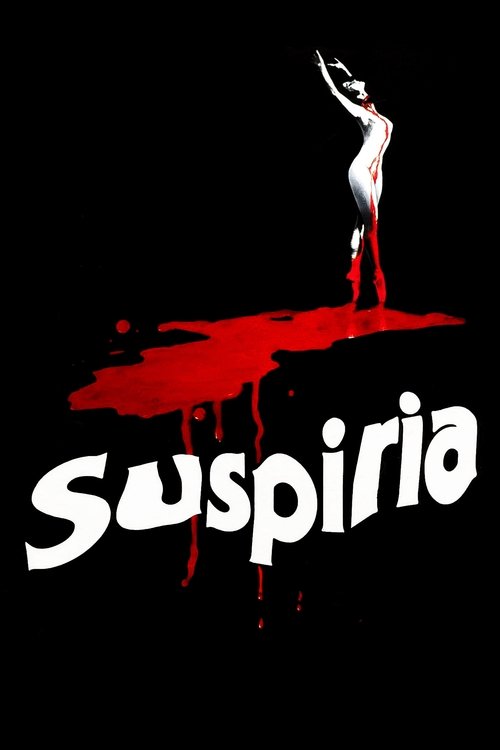
Suspiria1977
Argento transforms a ballet academy into a witches' coven through pure design and color. Like Anger, he trusts visual and musical language over logic to create genuine dread.
But The plot is thin as tissue and the dubbing is distracting. If you're looking for a murder mystery, you're in the wrong room.
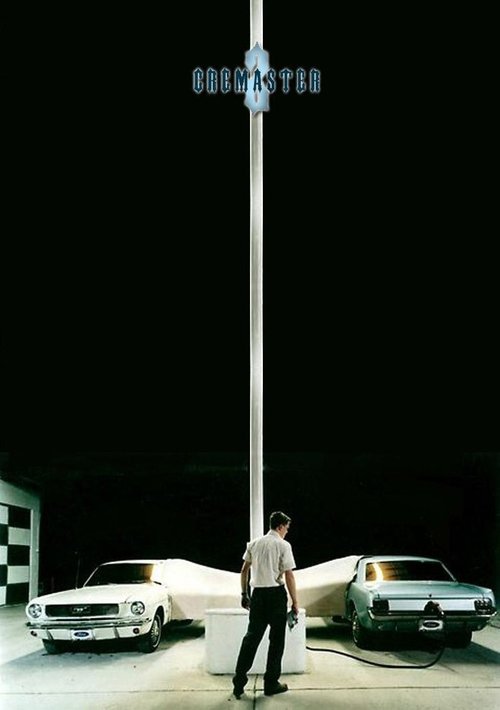
Cremaster 21999
Matthew Barney's obsessive epic about Gary Gilmore transforms biography into mythology and ritual. It shares Anger's faith that cinema can make the occult visible and the irrational coherent.
But A bewildering three-hour film with no conventional arc. You'll leave utterly confused unless you surrender to its logic entirely.
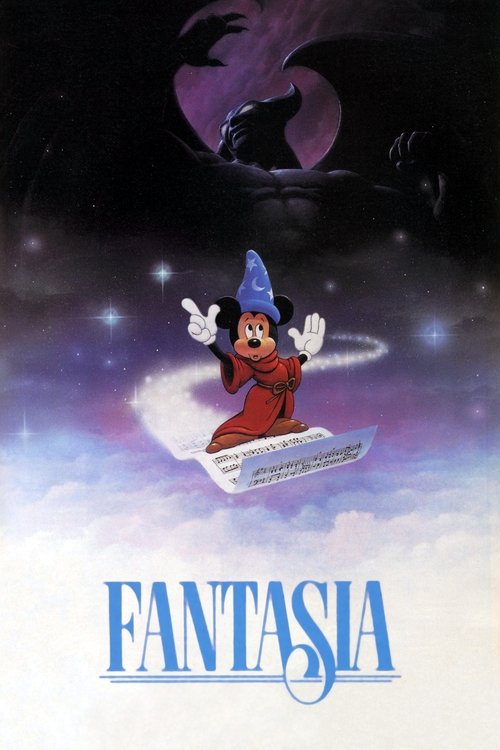
Fantasia1940
Disney's animated ritual sequences—especially the Bacchanal and Night on Bald Mountain—preview Anger's approach: pure music and myth without human plot to anchor you. High camp, high art, and genuinely disorienting.
But The entire middle section is tedious animation-school material. Family film baggage weighs down the visionary moments.
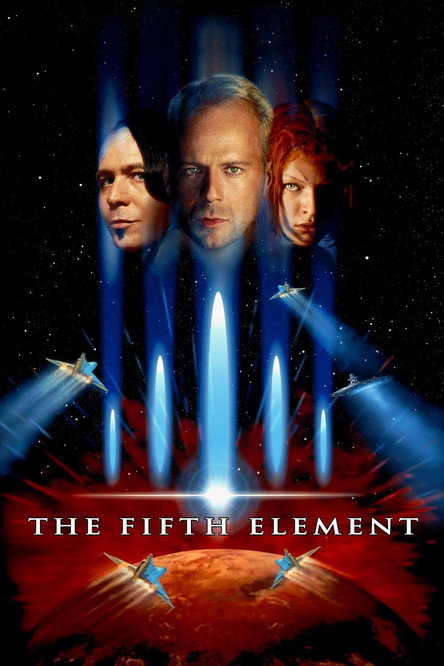
The Fifth Element1997
Luc Besson's maximalist space opera drowns you in color, symbolism, and baroque excess. It captures something of Anger's commitment to beauty and strangeness over coherence.
But It's deeply silly and the dialogue is terrible. The earnestness of its own absurdity can grate quickly.
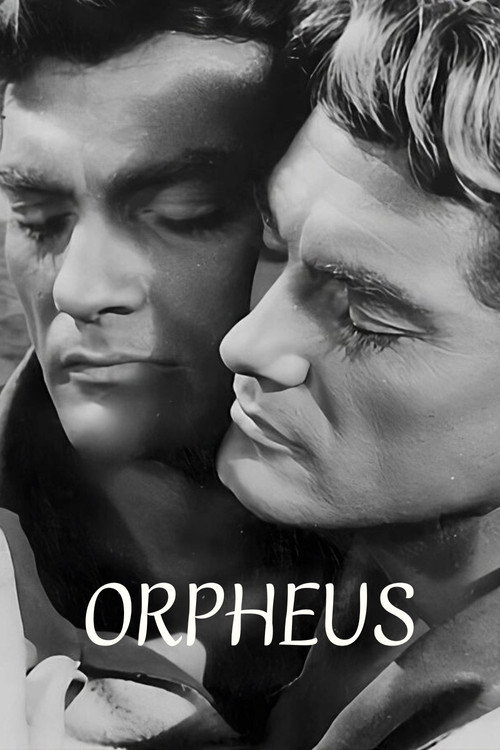
Orpheus1950
Both believe cinema itself is a magical art—that film is where transformation happens and myth becomes visible. Different registers and temperaments, but the same faith that the image is primary and plot is irrelevant.
Cocteau's modernist rework of the Orpheus myth uses mirror-worlds, ritual, and dream logic to explore desire and death. It's narrative cinema, but operating by the same magical rules as Pleasure Dome—symbol and myth over plot.
But It's slower and more sentimental than the avant-garde, which might feel like a compromise. Cocteau's romanticism won't appeal to those who prefer Anger's cold precision.
People
Cast
 Samson De BrierLord Shiva / Osiris / Nero / The Great Beast
 Marjorie CameronThe Scarlet Woman / Kali
- Joan WhitneyAphrodite
- Katy KadellIsis
- Renate DruksLilith
 Anaïs NinAstarte
 Curtis HarringtonCesare / Slave / Sleep-walker
 Kenneth AngerHecate
- Peter LoomeGanymede
Directing
- Kenneth AngerDirector
Writing
- Kenneth AngerWriter