
Film
The Wormwood Star
- Slow-burning
Kenneth Anger's 1956 avant-garde portrait of Marjorie Cameron—artist, occultist, and magick practitioner—filmed as a hypnotic visual essay. Ten minutes of her paintings, poetry readings, and ritualistic imagery, scored to ethereal music. A gateway into experimental cinema and the bohemian occultism of 1950s Los Angeles. Not narrative; pure atmosphere.
Should you watch it?
Watch it if you are drawn to art films that trade plot for mood, where a painter's images and spoken verse carry the whole experience and a ten-minute running time feels like a door left ajar.
Skip it if you want a conventional portrait with a life story, dates and interviews, since this offers only fragments of images and recitation with almost no context.
What it asks of you: Ten minutes of unhurried stillness, where the pictures and the poems arrive slowly and you must settle into its dreamlike, murmured rhythm rather than wait for events.
Not sure? Find tonight's pick in a minute.
If you liked this
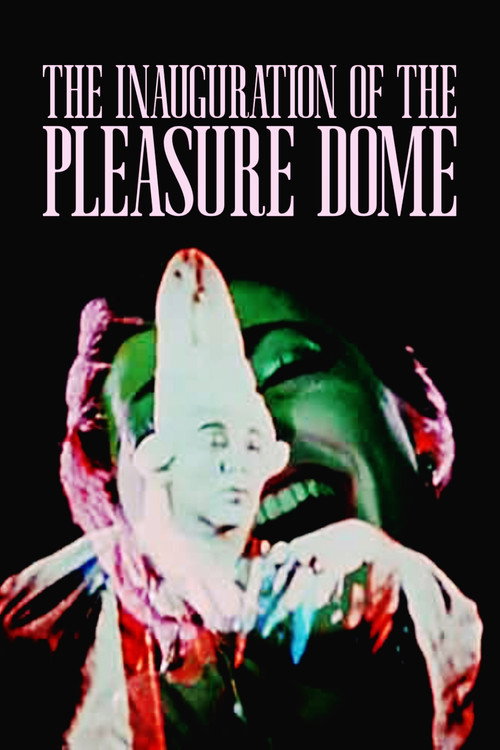
The Inauguration of the Pleasure Dome1954
Kenneth Anger's masterpiece, using similar mystical imagery and avant-garde technique but with narrative ambition—a wild ceremony of transformation. See how far Anger could push these ideas when he had a little more room.
But Longer, denser, and weirder. It's also occultist in theme, so if that element bothered you, this doubles down.
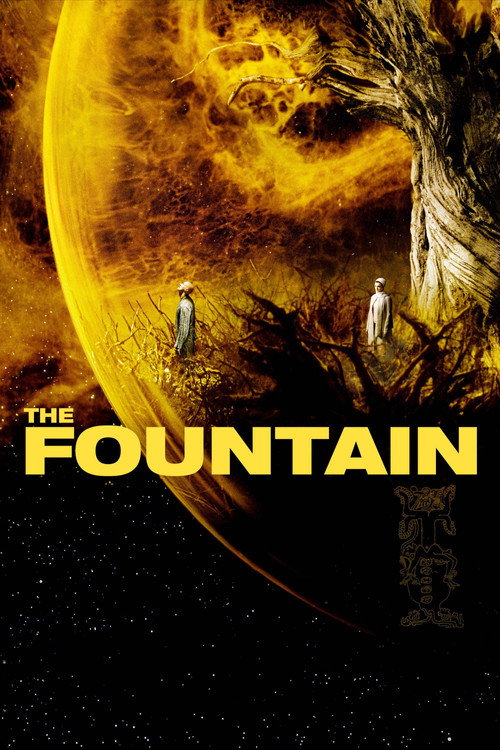
The Fountain2006
Darren Aronofsky's meditation on love, death, and transcendence across three timelines, with a visual language that mirrors Anger's symbolic abstraction. Obsessive, poetic, and genuinely mystical in feeling.
But Nearly three hours and deeply melancholic. Some find it overly precious; it requires patience and willingness to feel rather than decode.
In the Mood for Love2000
Wong Kar-wai's portrait of longing and restraint, built from colour, music, and glances rather than plot. Pure cinema as mood and visual poetry—the spiritual descendant of Anger's approach to form.
But Glacially slow and narratively slim. The beauty can feel remote if you need story momentum.

Not sure tonight? Get a pick in a minute, starting from The Wormwood Star
The wildcard
Something you would not have found on your own.
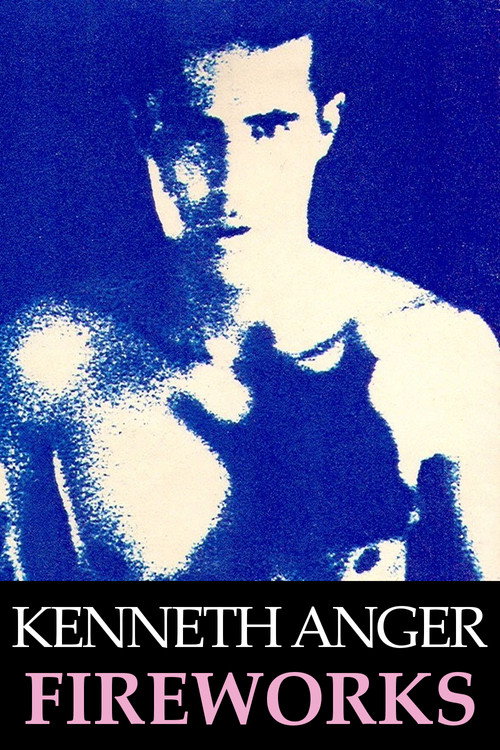
Fireworks1947
Anger's own earliest work—you're seeing the visionary impulse that led him to film Marjorie Cameron, and understanding his place in American experimental cinema.
Kenneth Anger's explosive debut—created when he was 17, smuggled into a Los Angeles screening, and seized by police. Raw, dreamlike, sexual, and dangerous in a way that shows the origin of Wormwood's mystical intensity. A masterpiece of underground cinema.
But Extremely abstract, only nine minutes, and its sexual content (though implicit) scandalized 1940s America. It will be impenetrable if you need narrative or conventional meaning.
More like this (7)
Synecdoche, New York2008
Charlie Kaufman's baroque exploration of art, obsession, and the self as subject. Chaotic but deeply personal, blending real and constructed reality in ways that echo Anger's collage of image and idea.
But Deliberately fragmented and difficult. It's a puzzle that resists solving, which some experience as pretentious rather than profound.

Jeanne Dielman, 23, quai du Commerce, 1080 Bruxelles1976
Chantal Akerman's three-hour portrait of routine and interior space transformed into profound meditation. A different kind of experimental cinema—structural rather than mystical—but equally devoted to seeing deeply.
But Three hours of domestic mundanity. If you're seeking visual spectacle or narrative momentum, you will be disappointed.

Dekalog1989
Krzysztof Kieślowski's ten-part meditation on morality, meaning, and human connection. Philosophical cinema that treats spiritual and ethical questions with the same reverence Anger brings to ritual and vision.
But Slow-burn Eastern European drama. Deeply melancholic and offers no easy answers to the questions it raises.

Mulholland Drive2001
David Lynch's portrait of Hollywood obsession and fractured identity, where dreams and reality blur. Another artist (like Cameron) consumed by visions and the cost of pursuing them.
But Deliberately cryptic and doesn't resolve neatly. If you want clarity, Lynch will frustrate you.

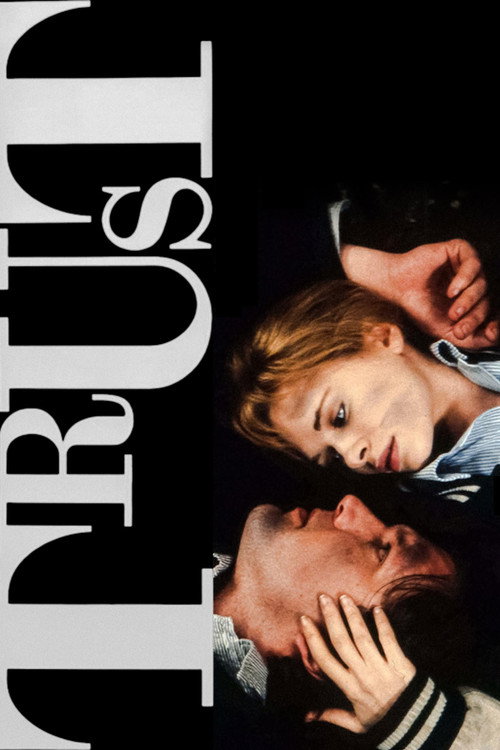
Trust1990
Hal Hartley's black-and-white portrait of alienation and connection in suburban America. Spare, poetic, and deeply strange—experimental in tone and theme without being formally experimental.
But Very low-key and emotionally cold. Some find it dryly funny; others find it simply tedious.
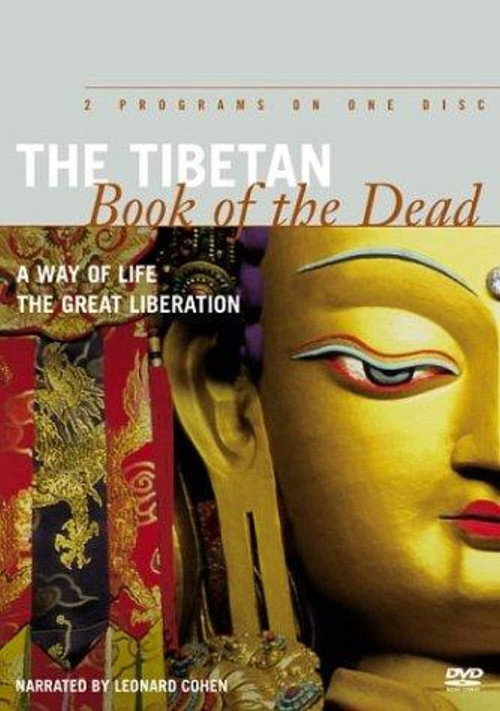
The Tibetan Book of the Dead: A Way of Life & The Great Liberation1994
Both are avant-garde artists using their medium as ritual technology to approach the transcendent; both are deadly serious about spiritual experience as something cinema can access.
Bill Viola's video art response to the Bardo Thodol, using slow-motion bodies emerging from darkness, confronting mortality and transcendence. Like Wormwood Star but with video's strange temporal logic—meditation made visible, ritual made electronic.
But No narrative, fourteen minutes of abstraction. Video art remains difficult for many; some experience it as self-indulgent rather than visionary.
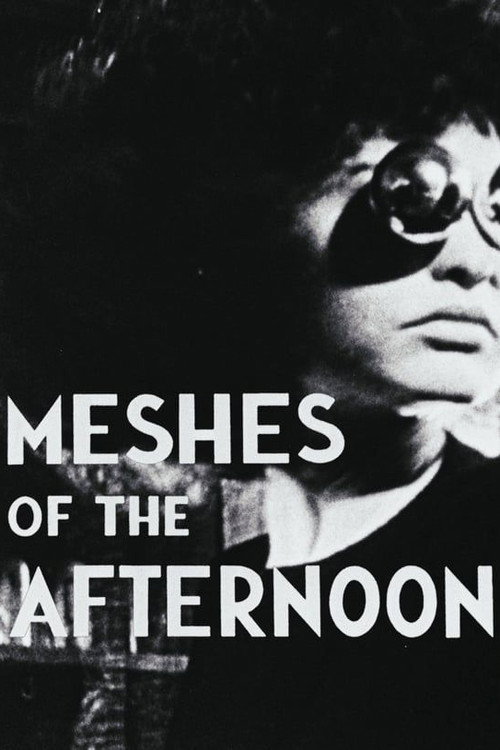
Meshes of the Afternoon1943
A parallel founding text of the experimental tradition Anger inherited; both Deren and Anger used cinema as a tool for exploring the occult, the self, and states of consciousness—different aesthetics, same spiritual ambition.
Maya Deren's thirteen-minute masterpiece—a woman in a house haunted by versions of herself, filmed in black-and-white abstraction. The film that founded experimental cinema as we know it, and it's hypnotic, intimate, and genuinely uncanny.
But Silent, dreamlike, and sometimes dizzying. The repetition and formal constraint can feel monotonous if you're watching passively.
People
Cast
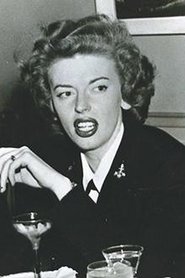 Marjorie CameronThe Woman
Directing
- Curtis HarringtonDirector
Production
- Curtis HarringtonProducer