
Film
Trust
Other titles called Trust: the 2018 series (FX).
Hal Hartley's directorial debut is a deadpan romance between a pregnant teenage dropout and a moody electronics repairman—two misfits who find unexpected kinship. Shot in stark black-and-white, it's funny in a way that sneaks up on you, full of awkward pauses and non-sequiturs. For anyone drawn to indie cinema's odd-couple stories and characters who speak in their own peculiar rhythms.
Should you watch it?
Watch it if you love deadpan, offbeat American indies where two prickly misfits circle each other with more wit than sentiment, the way Hal Hartley's early work does.
Skip it if you want brisk plotting or big emotional swings; this one lingers in its awkward silences and deliberately flat delivery, which can feel like waiting for a scene to start.
What it asks of you: It runs about an hour and forty-five minutes at a low simmer, asking you to sit with long pauses and dry, sideways talk rather than being carried along by momentum.
Not sure? Find tonight's pick in a minute.
If you liked this
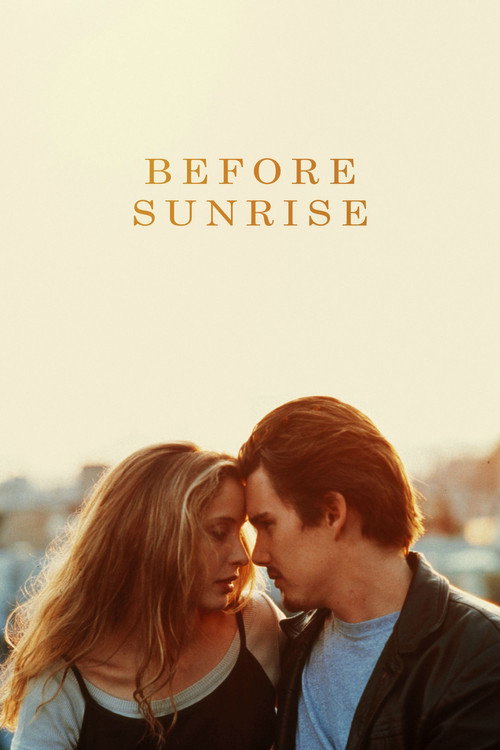
Before Sunrise1995
Linklater's dialoguehavy romance captures that same magic of two people discovering each other through conversation—verbal sparring, vulnerability, genuine connection. Richard and Céline feel as real and specific as Maria and Matthew.
But It's essentially ninety minutes of people talking. If you need plot momentum or grand romantic gestures, this will feel static and slow.
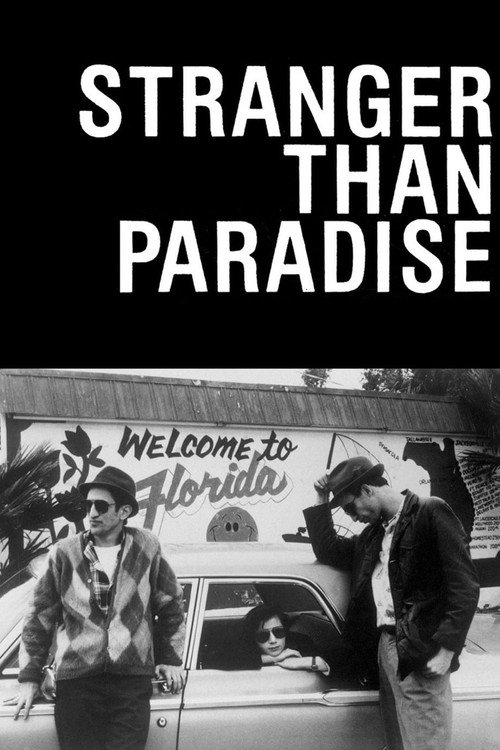
Stranger Than Paradise1984
Jarmusch's deadpan indie classic shares Trust's bone-dry humor and affection for awkward people in mundane situations. Both films find profound moments in silence and small gestures, refusing sentimentality.
But The pacing is deliberately glacial, and the deliberate flatness of tone won't land if you want energy or emotional catharsis. It can feel like nothing's happening.
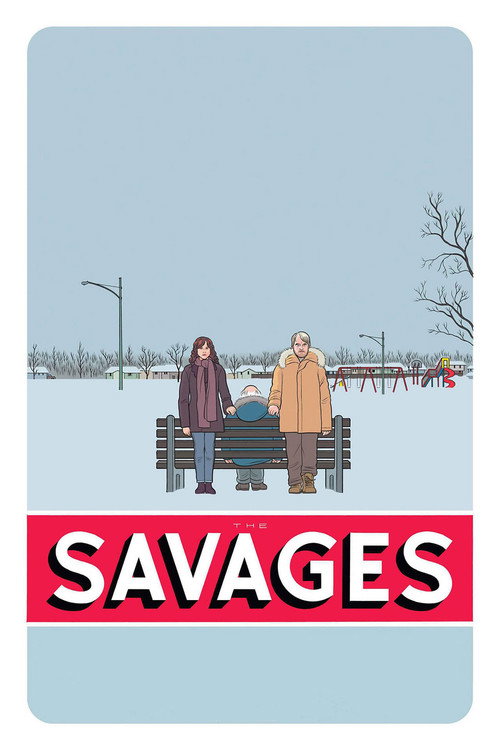
The Savages2007
Tamara Jenkins captures family dysfunction and class anxiety with the same unsentimental eye and dark comedy. Two people stuck together, arguing and caring in equal measure, trying to figure out what they owe each other.
But It's about aging parents and mortality—heavier subject matter. The comedy emerges from genuine discomfort, which some find more painful than funny.
Not sure tonight? Get a pick in a minute, starting from Trust
The wildcard
Something you would not have found on your own.
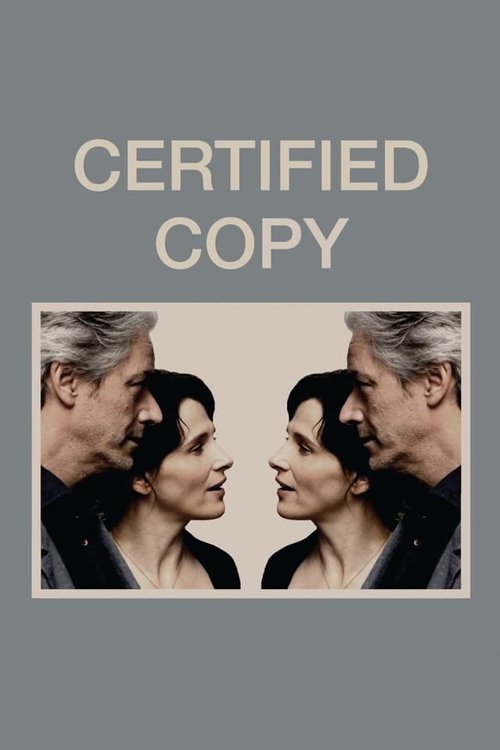
Certified Copy2010
Both films treat romance as an intellectual and emotional match between two people who think differently. The romance lives in argument and discovery, not sentiment.
Abbas Kiarostami's film is a radical, philosophical romance about a woman and a stranger spending a day together, debating authenticity and performance. Like Trust, it's built on conversation and mutual fascination between two people who shouldn't connect.
But It's a philosophical puzzle-box in Italian, not a narrative. The central conceit asks you to accept a major shift midway through, which feels like a cheat to some.
More like this (7)
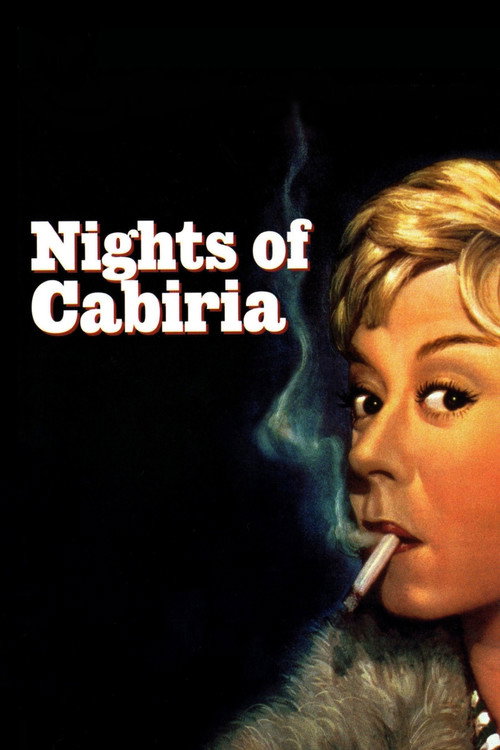
Nights of Cabiria1957
Fellini's portrait of a vulnerable woman navigating exploitation and hope has the same emotional generosity as Trust, treating its struggling protagonist with warmth rather than judgment. Heartbreaking and oddly joyful.
But It's in Italian, from the 1950s, and the emotional beats are operatic—nothing like Hartley's cool register. It also ends in a way some find unbearable.
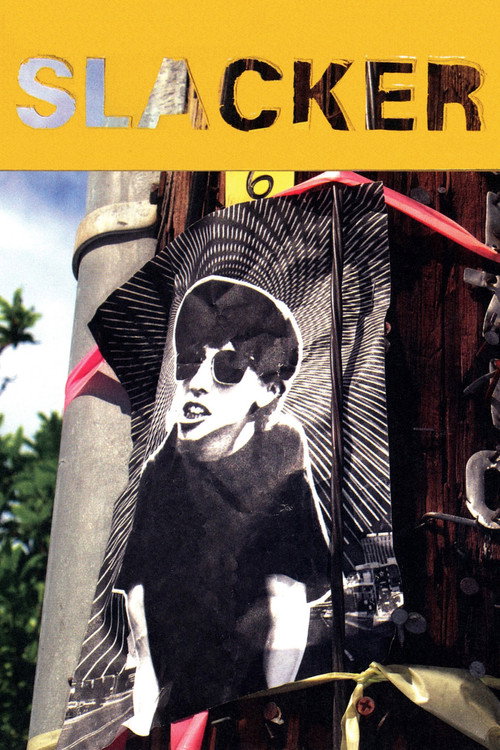
Slacker1990
Linklater's other 1990 debut is equally fractured and funny, full of conversations between people who don't fit anywhere. Both films trust their audience to find meaning in apparently slight moments and overlapping dialogue.
But There's no narrative spine, just a series of encounters. If you need a plot or characters you care about across the whole film, it will feel shapeless.
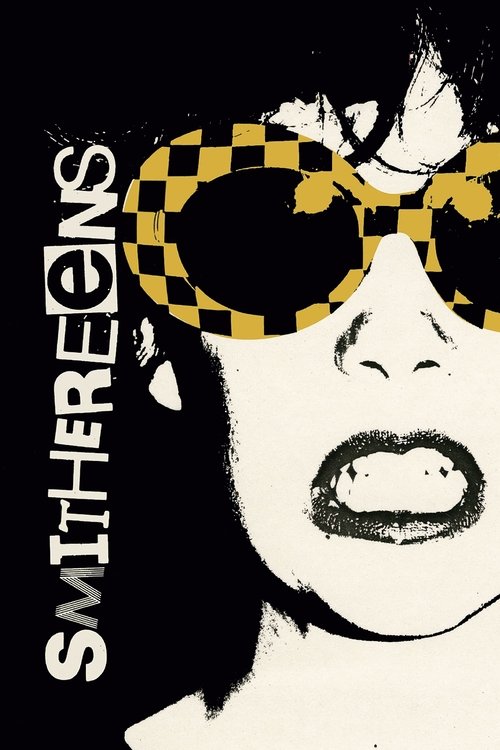
Smithereens1982
Susan Seidelman's debut also follows a scrappy young woman trying to survive in the margins, finding connection with unlikely people. Similar low-budget authenticity and refusal to make anyone's life romantic or heroic.
But The tone is grittier and more punishing than Trust. There's less tenderness and more exploitation in how the world treats its protagonist.
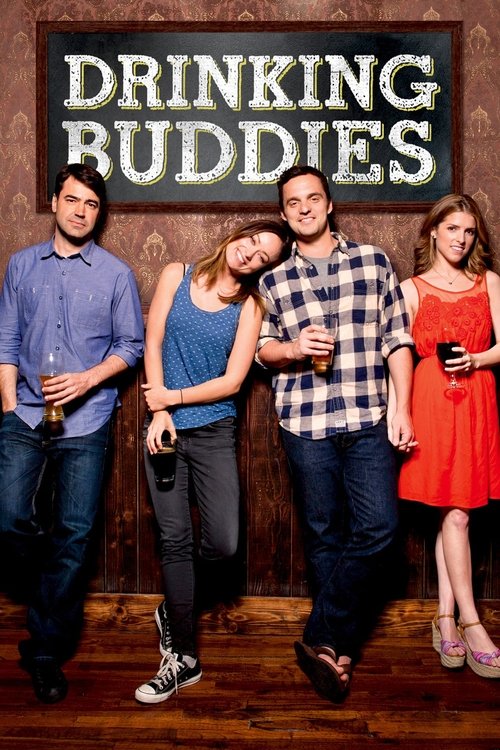
Drinking Buddies2013
Joe Swanberg's improvised comedy about two friends in a will-they-won't-they situation captures awkward attraction and emotional hesitation. Built on naturalistic dialogue and the spaces between what people say.
But The improvisation can feel shapeless, and the resolution may frustrate you if you want decisive character movement. Some find it aggressively low-stakes.
River's Edge1986
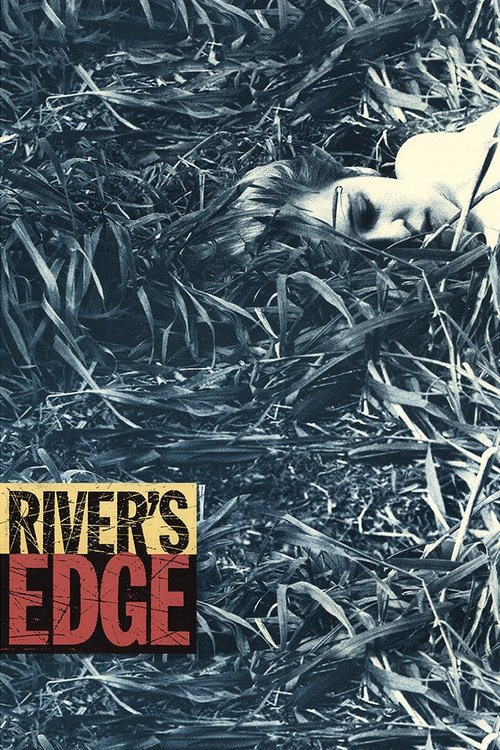
Tim Hunter's cult film explores alienated youth with unflinching sympathy and dark humor. Like Trust, it refuses to judge its characters, finding tragedy and peculiar grace in how they fumble toward connection.
But It's based on a true crime incident involving a murdered girl. The subject matter is disturbing, and the film's detachment from that darkness bothers some viewers.
Mulholland Drive2001
Both explore how two people construct a shared reality together, and what happens when the stories they tell about themselves stop matching.
Lynch's labyrinthine mystery about performance and identity contains sequences that feel like Trust filmed by someone having a fever dream. Two women in an emotional tangle, circling around truth and self-deception.
But It's a deliberately fragmented non-narrative that most people find either revelatory or infuriating. It demands multiple viewings and interpretation; there's no final answer.

Gerry2002
Both films distrust plot and dialogue's ability to capture why people stay with each other. Both find profundity in presence, silence, and the failure of language.
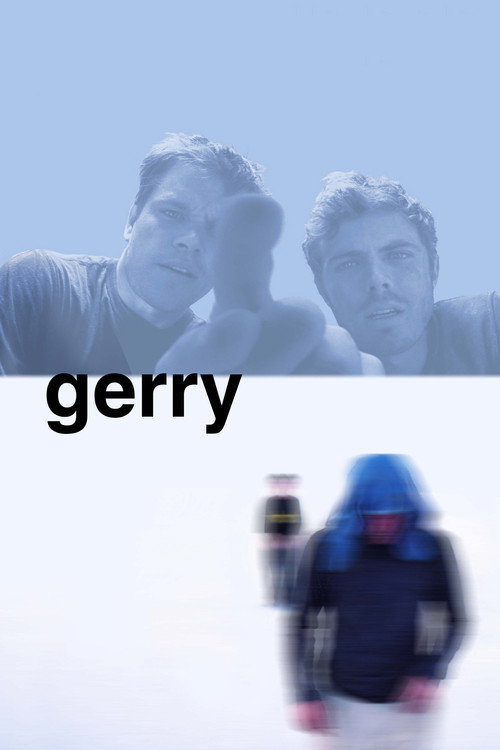
Gus Van Sant's film strips everything away: two friends, a hiking trip, a series of long static shots. It's radical minimalism about connection, miscommunication, and what it means to be with someone when words fail.
But This is a brutally demanding film—long sequences of people walking, shot from far away. Many leave before the ending. It's less a film than an endurance test.
People
Cast
 Adrienne ShellyMaria Coughlin
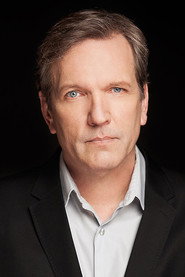 Martin DonovanMatthew Slaughter
- Rebecca NelsonJean Coughlin (as Merritt Nelson)
- John MacKayJim Slaughter
 Edie FalcoPeg Coughlin
- Gary SauerAnthony
- Suzanne CostollosRachel
 Jeff HowardRobert
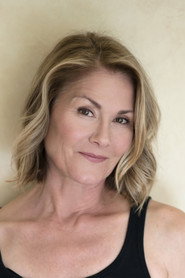 Karen SillasNurse Paine
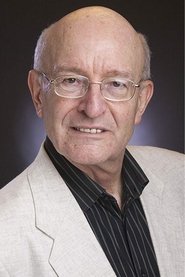 Tom ThonDeli Man
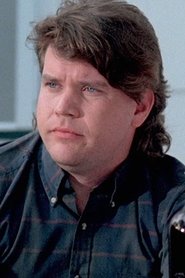 Mark Chandler BaileyBruce (as M.C. Bailey)
Directing
- Hal HartleyDirector
- Ted HopeFirst Assistant Director
- Adrienne TienScript Supervisor
- Eddie RosensteinSecond Assistant Director
- Richard SpectorSecond Second Assistant Director
Writing
- Hal HartleyWriter
Production
- Sarah VogelAssistant Production Coordinator
- Jerome BrownsteinExecutive Producer
- Ted HopeLine Producer
- Bob GosseLocation Manager
- Bruce WeissProducer
- Hal HartleyProducer
- Alan BrucknerProduction Assistant
- Brian GuthermanProduction Assistant
- David DoernbergProduction Assistant
- Heather McGowanProduction Assistant
- Laurel BridgesProduction Assistant
- Ingrid RudeforsProduction Coordinator
- A. Seymour RuarkProduction Manager
Recommended by
The Unbelievable Truth, Years Later: The Unbelievable Truth and Its Consequences, The Wormwood Star