
Film
Stranger Than Paradise
Stranger Than Paradise is deadpan minimalism as comedy: three losers drift from a bare Manhattan apartment to snowbound Cleveland to sun-bleached Florida, and almost nothing happens in long, static, black-and-white takes. It's the film that invented a whole strand of American indie cinema—patience-testing, wry, oddly moving. Watch it for mood and rhythm, not plot; it rewards viewers who like their comedy bone-dry and their silences loaded.
If you liked this
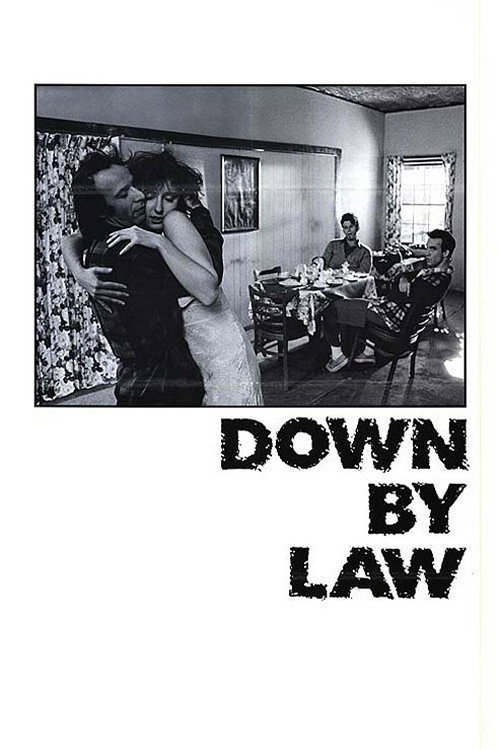
Down by Law1986
Jarmusch's very next film, and the natural following step: three mismatched men stuck together, this time in a Louisiana jail cell, with the same loose, hangout rhythm and gorgeous black-and-white photography.
But Same deliberate pace and shaggy plotting—if the slowness got to you before, this won't fix that.
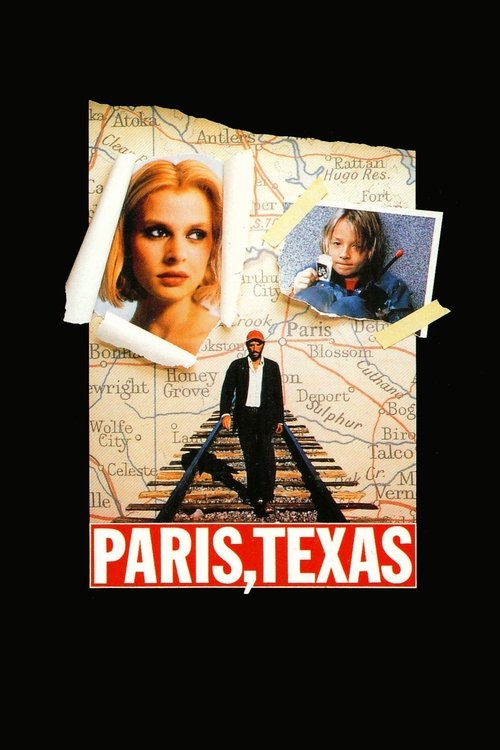
Paris, Texas1984
Wenders' road movie shares the same wide-open American emptiness and wandering men who barely talk, but trades irony for real ache—Ry Cooder's slide guitar instead of deadpan jokes.
But It's slower and far more sincere; the tears are real here, not a punchline waiting to land.
Leningrad Cowboys Go America1989no page yet
Aki Kaurismäki's Finnish answer to American road comedy—a hapless band touring the US in pointed boots and towering quiffs, filmed with the same flat, unblinking deadpan humor.
But It's broader and sillier, closer to a live-action cartoon than that cool, watchful detachment ever gets.
The wildcard
Something you would not have found on your own.
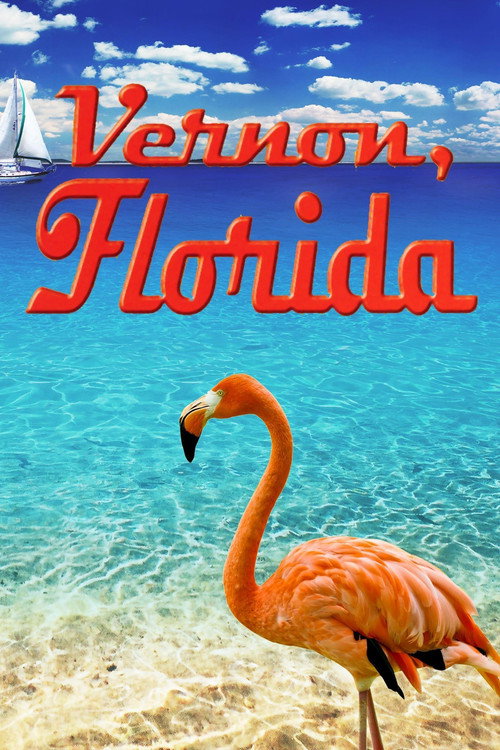
Vernon, Florida1981
Jarmusch's deadpan treats dead air as comedy; Morris does the same thing with actual people instead of actors, proving the technique works as documentary too.
Errol Morris's documentary just sits with a handful of eccentric small-town Floridians and lets their non-sequiturs run—the same flat, patient camera and deadpan comic timing, except every word is real.
But There's even less narrative here—it's basically portraits with no throughline at all, and some will want more shape.
More like this (8)
Smoke1995no page yet
A Brooklyn cigar shop becomes the hub for a loose ensemble of drifters and regulars, told with the same patience and small, human observations rather than big plot turns.
But It's warmer and more sentimental than that earlier deadpan chill, with an ending that actually ties things up.
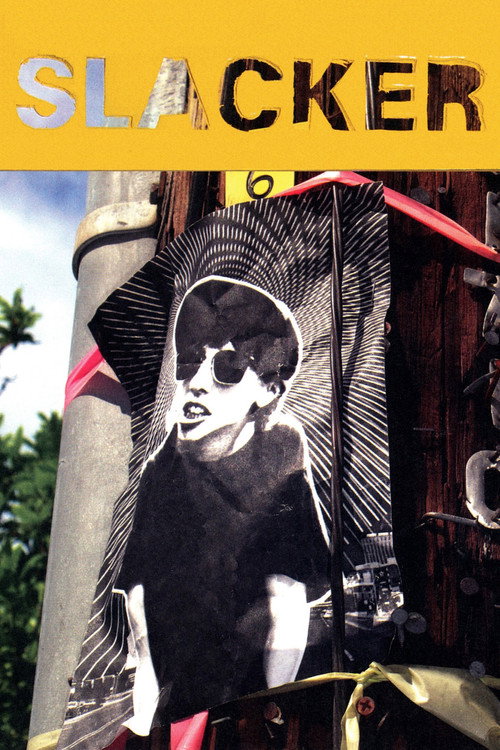
Slacker1990
Linklater's plotless wander through Austin, hopping from one aimless conversation to the next, has the same structure without any of the winter chill—just talk, drift, repeat.
But No real characters to hold onto—it's a mood and a place more than a story, and some find that thin.
The Unbelievable Truth1990no page yet
Hal Hartley's debut has the same clipped, deadpan line readings and small-town drift, following a mechanic and a teenager circling each other in flat, funny non-sequiturs.
But Hartley's dialogue is more stylized and quotable than Jarmusch's mumbled naturalism—less silence, more deliberate artifice.
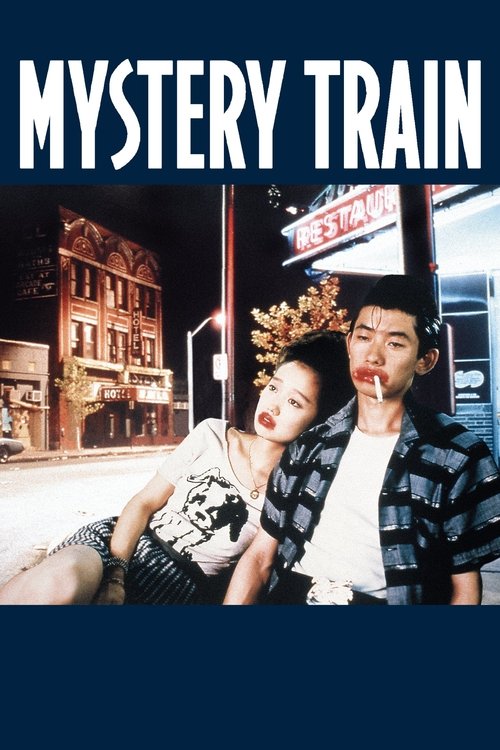
Mystery Train1989
Jarmusch again, this time three interlocking stories set in one grubby Memphis motel over one night—same episodic structure, same love of American in-between places.
But Splitting attention three ways means less time with any one character than the original gives you.
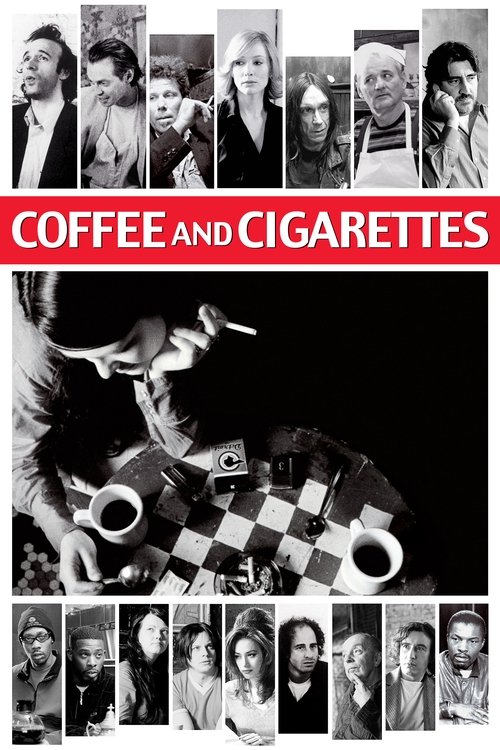
Coffee and Cigarettes2004
A string of short vignettes—famous faces sniping and stalling over coffee and cigarettes—distills Jarmusch's deadpan timing down to its purest, funniest form.
But It's a collection of sketches, not a film with momentum; some vignettes land far better than others.
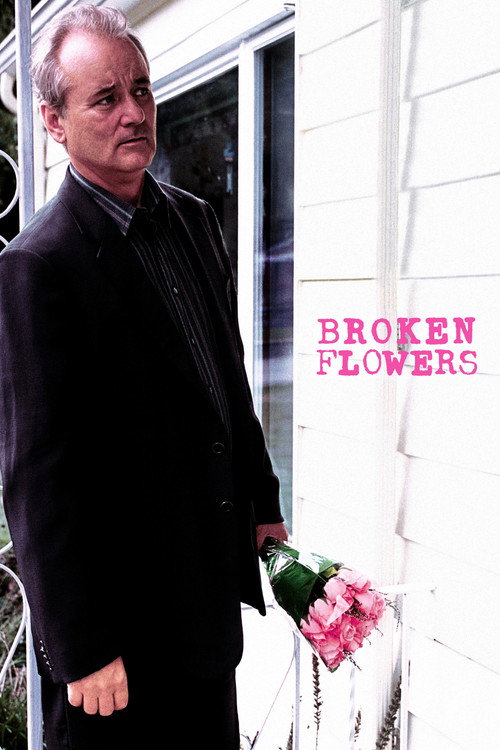
Broken Flowers2005
Bill Murray plays a Jarmusch drifter for the 2000s: a man driving around visiting old girlfriends, wringing comedy and melancholy out of long silences and dead-eyed reaction shots.
But It's glossier and more polished—studio-adjacent Jarmusch, missing the scrappy homemade texture that started it all.
El Norte1983no page yet
Both films are about people caught between countries, family and belonging in an indifferent America; one plays it as a shrug, the other as tragedy.
A brother and sister flee civil war in Guatemala and cross into the US chasing a new life—the same rootlessness Willie and Eva feel, but played entirely straight, and devastating.
But It's a genuinely heavy, sometimes brutal watch with none of the comic cushioning—there is no deadpan joke here.
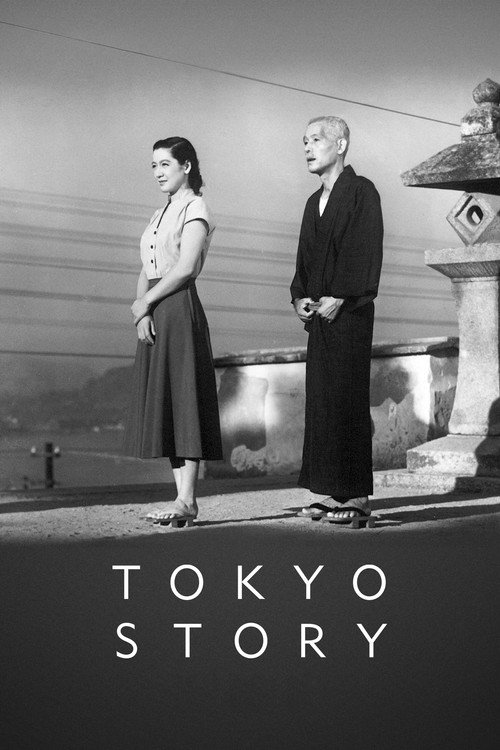
Tokyo Story1953
Jarmusch borrowed Ozu's stillness and framing wholesale; watching this shows you exactly where the nothing-happens-and-it's-riveting trick actually comes from.
Ozu's masterpiece about an aging couple visiting indifferent children uses the same static camera, patient long takes and understated performances that Jarmusch has openly credited as an influence.
But It's a much sadder, more formal film—no jokes, no cool irony, just quiet heartbreak throughout.
People
Cast
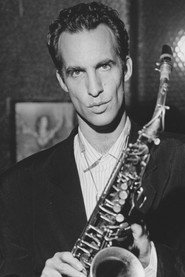 John LurieWillie
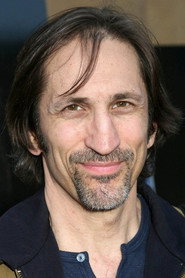 Richard EdsonEddie
- Cecillia StarkAunt Lotte
- Danny RosenBilly
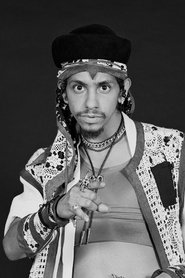 RammellzeeMan with money
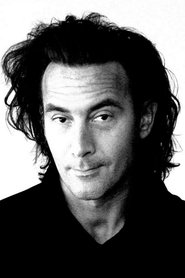 Tom DiCilloAirline Agent
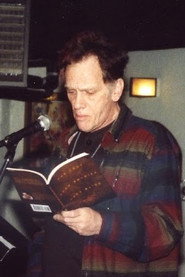 Richard BoesFactory Worker
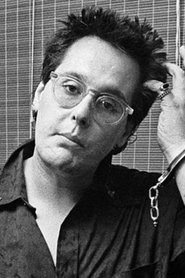 Rockets RedglarePoker Player
- Harvey PerrPoker Player
- Brian J. BurchillPoker Player
 Sara DriverGirl with Hat
Directing
- Jim JarmuschDirector
Writing
- John LurieIdea
- Jim JarmuschScreenplay
Production
- Otto GrokenbergerExecutive Producer
- Sara DriverProducer
- Guido ChiesaProduction Assistant
- Louis TancrediProduction Assistant
- Matt BuchwaldProduction Assistant
- Sam EdwardsProduction Assistant
- Stephen TortonProduction Assistant
- Tom JarmuschProduction Assistant
- Una McClureProduction Assistant
- Sara DriverProduction Manager
Recommended by
Perfect Strangers, Night on Earth, Coffee and Cigarettes, Mystery Train, Down by Law