
Film
Un Flic
Jean-Pierre Melville's final film is a cool, marble-hard thriller about desire and duty colliding in Paris. Alain Delon plays a police commissioner whose affair with a woman entangles him with a bank robber. It's glacial, elegant, morally ambiguous—less interested in plot mechanics than in watching powerful men circle each other with professional distance and personal hunger. For fans of crime cinema that trusts its audience's intelligence.
Should you watch it?
Watch it if you care more about cold, deliberate professionals doing their jobs in silence than about plot gimmicks, and you enjoy a crime story where the tension comes from watching a plan click into place.
Skip it if you need romance and a brisk pace; the love affair at its heart is cool and sketched rather than felt, and long stretches go quiet.
What it asks of you: Settle in for a little under two hours of unhurried scenes, where much of the meaning sits in glances, pauses and the methodical preparation rather than in talk.
Not sure? Find tonight's pick in a minute.
If you liked this
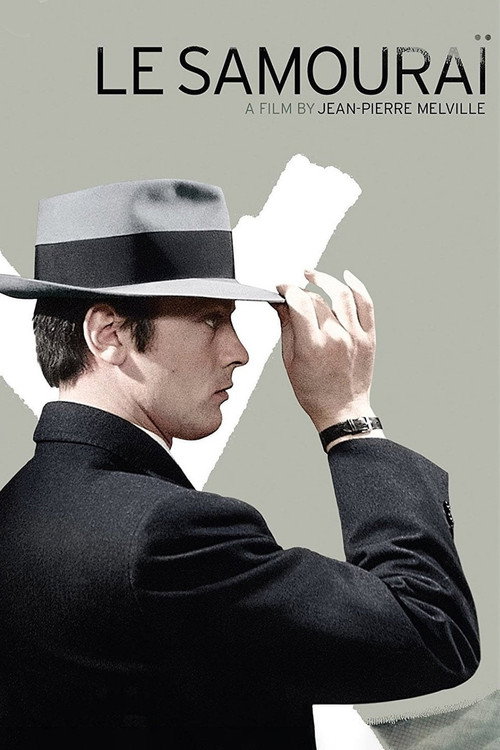
Le Samouraï1967
Melville's masterpiece, also starring Delon as an assassin of almost inhuman precision. Slow-burn, visually perfect, with a moral coldness that influenced every stylish thriller made since. If you're discovering Melville, start here.
But The plot is thin and the pace deliberately glacial—some find it hypnotic, others find it airless and empty.
The Asphalt Jungle1950
Huston's prototype heist film, all careful planning and emotional vulnerability. It's the DNA of every bank robbery movie that followed. Thrilling, beautifully structured, and surprisingly tender about its criminals.
But Fifty years older than Un Flic, and it shows. The pacing is gentler, the stakes feel smaller by modern standards.

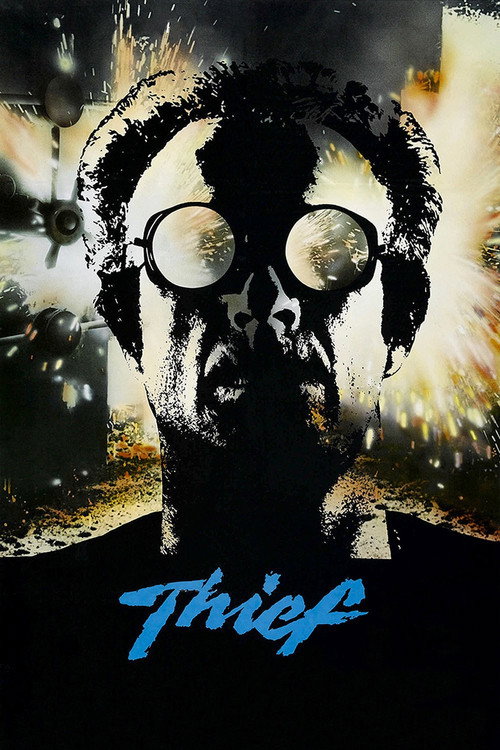
Thief1981
Michael Mann and James Caan exploring the same territory: a professional life so perfect it's sterile, an affair that cracks it. Neon-lit, propulsive, and genuinely moving. Mann learned from Melville and made something tenser.
But The romantic subplot overwhelms the crime plot for some viewers. It's as much about loneliness as it is about stealing.
Not sure tonight? Get a pick in a minute, starting from Un Flic
The wildcard
Something you would not have found on your own.
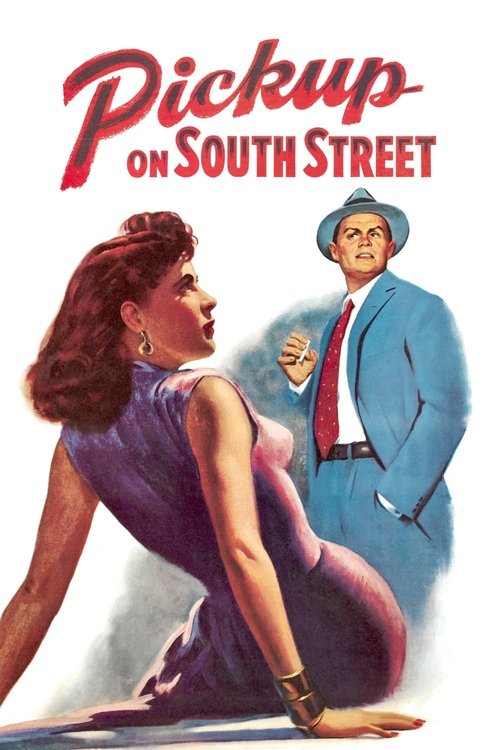
Pickup on South Street1953
Both films use a theft as the mechanism to explore competing loyalties: to the law, to women, to professional codes. Both ask whether morality exists when everyone is compromised.
Fuller's scrappy Cold War thriller about a petty thief who steals a woman's purse containing classified microfilm. It has Un Flic's structure—a crime that entangles an outsider—but it's American pulp: messier, louder, more sensual. Fuller loved violence and women and made no apologies.
But It's aggressively low-brow in comparison to Melville's marble coolness. Some viewers find Fuller's direction crude compared to the French New Wave's sophistication.
More like this (7)
In the Mood for Love2000
Wong Kar-wai's film about two neighbours who discover their spouses are having an affair. The inverse of Un Flic's structure but the same ache: two people circling each other, never quite touching, in a constrained space. Visually sumptuous.
But Narratively minimal; the film is almost pure mood and color. If you need plot to anchor yourself, this will frustrate you.

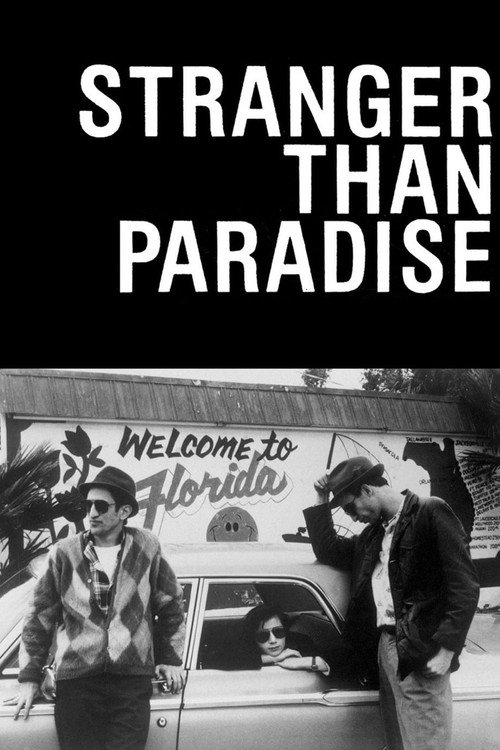
Stranger Than Paradise1984
Beineix's stylish thriller about obsession and the criminal underworld. It has Un Flic's visual sophistication and its interest in men wanting things they cannot have. Wildly entertaining and genuinely clever.
But The tonal shifts between thriller and romance are jarring. Some scenes feel campy in ways the film doesn't seem to intend.
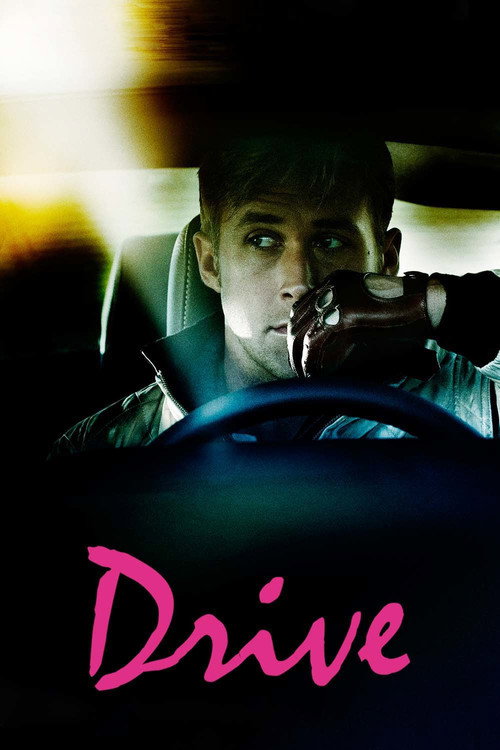
Drive2011
Refn's neo-noir remake of the Melville template: a stoic professional, a woman, inevitable violence. Long silences, gorgeous neon, the fantasy of being untouchable. A love letter to 1970s crime cinema.
But Deliberately slow and stylized to the point of passivity. The main character barely speaks, and the plot moves at a snail's pace.
The Killing1956
Kubrick's racetrack heist film, with that same Melville precision about planning and betrayal. Not as visually refined as Un Flic, but the mechanics of the robbery and the human failures that derail it are fascinatingly rendered.
But It's in black and white and feels dated. The non-linear narrative, striking for 1956, now reads as choppy.

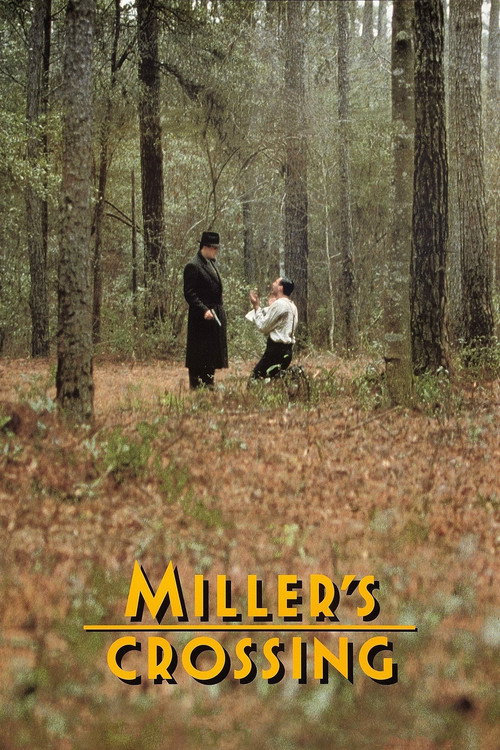
Miller's Crossing1990
The Coen Brothers' Prohibition-era gangster film, all manners and violence and men protecting their codes. It shares Un Flic's interest in how professionals conduct themselves when the personal intrudes on the professional.
But The dialogue is dense and theatrical; it can feel more like a stage play than a film. Some find it mannered.
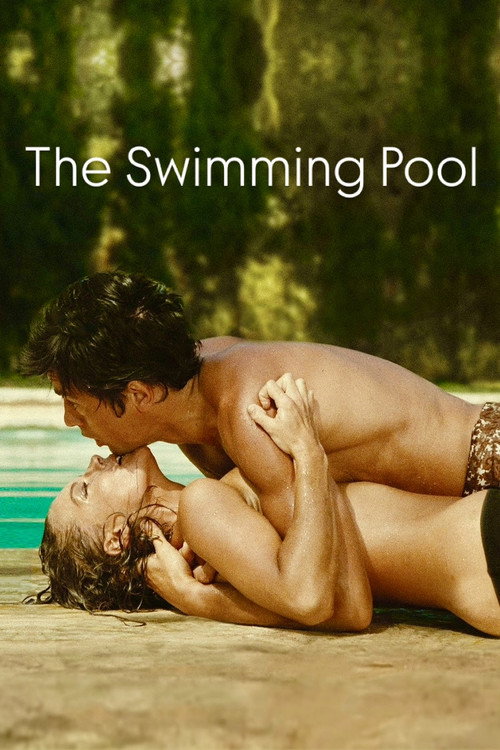
The Swimming Pool1969
Delon again, in Deray's erotic thriller about two couples at a villa. Like Un Flic, it's about desire disrupting order, but it leans harder into the sensuality. A slow burn with real tension underneath.
But The plot is gossamer-thin and the film is interested only in psychological states and surface beauty. Very little happens, and it happens very slowly.
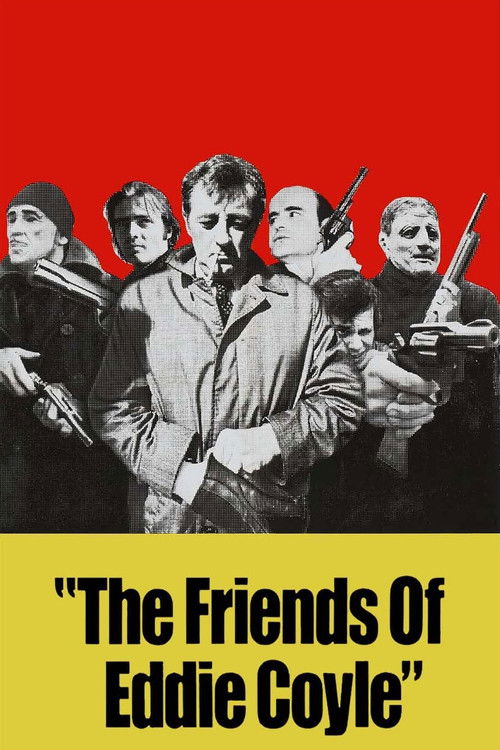
The Friends of Eddie Coyle1973
Both films are about professionals caught between loyalty and self-preservation, but where Melville sees style in that contradiction, Yates sees only wear and damage. Same moral question, opposite visual registers.
Peter Yates made this Boston crime film the year after Un Flic, and it's the American equivalent: realistic, unglamorous, about a small-time crook trying to navigate between the mob and the feds. Caan gives a performance of quiet desperation. No aesthetics, just human stakes.
But It's deliberately drab and the dialogue is naturalistic to the point of mumbling. There are no cool set pieces or beautiful shots. It feels like a documentary.
People
Cast
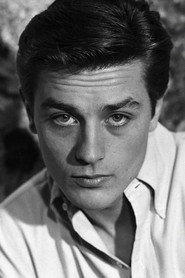 Alain DelonCommissioner Édouard Coleman
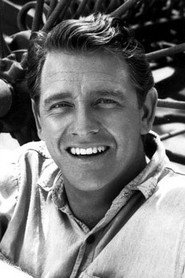 Richard CrennaSimon
 Catherine DeneuveCathy
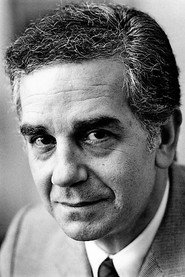 Riccardo CucciollaPaul Weber
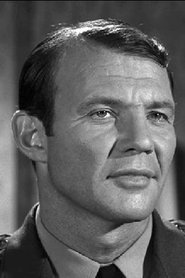 Michael ConradLouis Costa
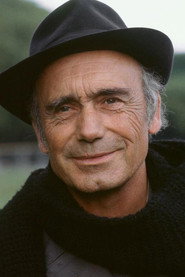 Paul CrauchetMorand
 Simone ValèreWeber's Wife
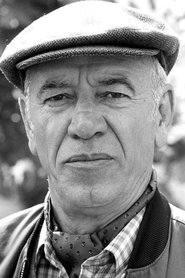 André PousseMarc Albouis
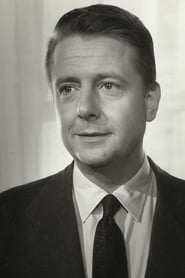 Jean DesaillyDistinguished Man
- Valérie WilsonGaby
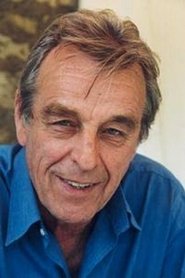 Henri MarteauPolice Officer Instructor of Shooting
Directing
- Marc GrunebaumAssistant Director
- Jean-Pierre MelvilleDirector
- Jean-François DelonFirst Assistant Director
- Pierre TatiSecond Assistant Director
Writing
- Jean-Pierre MelvilleWriter
Production
- Ennio NobiliCo-Producer
- Robert DorfmannProducer
- Pierre Saint-BlancatProduction Manager