
Film
French Connection II
Popeye Doyle pursues a drug kingpin to Marseilles in this grittier, angrier sequel that trades New York's streets for foreign intrigue. Gene Hackman dominates, playing a cop increasingly unmoored from civilization. It's a character study wrapped in procedural tension—less about solving the case than watching obsession corrode a man from inside out.
Should you watch it?
Watch it if you want a gritty, unshowy chase thriller where the pleasure lies in a stubborn, abrasive cop grinding through a foreign city and its underworld.
Skip it if you want tight plotting and a fast pace, since this sequel spends long stretches on brooding, procedural waiting and its cruelty can feel relentless.
What it asks of you: Settle in for nearly two hours of deliberate, grinding pressure in an unfamiliar city, where dread builds slowly rather than arriving in bursts of action.
Not sure? Find tonight's pick in a minute.
If you liked this
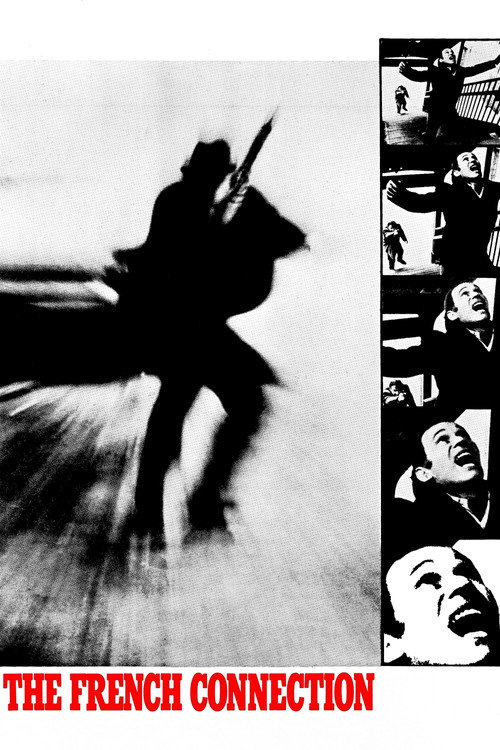
The French Connection1971
The original that started it all: tighter, cleaner, with one of cinema's greatest car chases. You'll understand why Hackman's Doyle became iconic, and why he's so toxic in the sequel.
But Seventies pacing feels deliberate in ways modern thrillers won't. If you want constant momentum, this builds instead of sprinting.
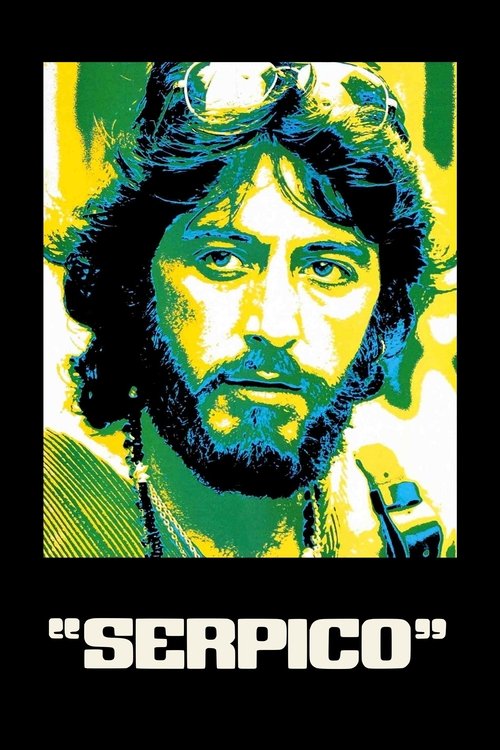
Serpico1973
Al Pacino as an idealistic cop crushed by institutional corruption. Same era, same moral weight, same sense that the system itself is the real criminal. Sidney Lumet directs with unflinching clarity.
But It's a procedural about bureaucracy, not action. Long stretches are paperwork and meetings, which is the point but not everyone's evening.
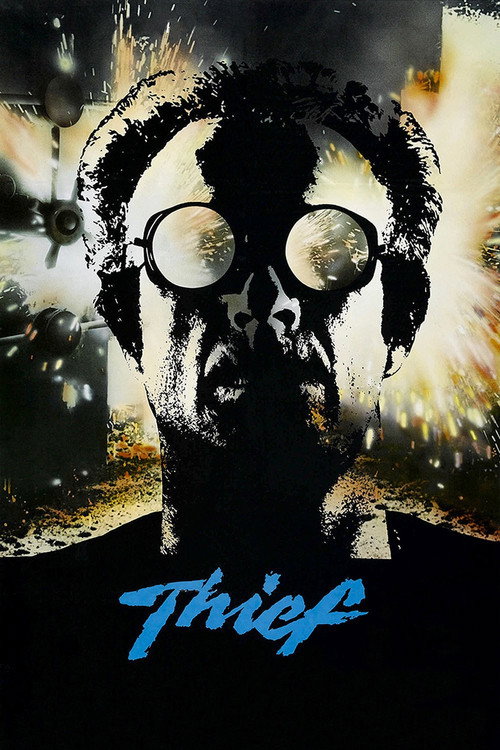
Thief1981
Michael Mann's debut about a professional criminal unwilling to be remade by society. Obsessive, stylish, and deeply lonely in the same way Doyle becomes—a character study of someone destroying themselves through their own code.
But The heist scenes are brilliant but quiet. If you're expecting Ocean's Eleven explosiveness, the restraint will frustrate you.
Not sure tonight? Get a pick in a minute, starting from French Connection II
The wildcard
Something you would not have found on your own.
Un Flic1972
Both are elegies for men consumed by the cop-criminal dynamic. Melville invented the template; Friedkin made it American and rawer. Same spiritual DNA, different country.
Jean-Pierre Melville's final film about a Parisian detective obsessed with a criminal he can never quite catch. Same year as the original French Connection but French itself—cooler, more fatalistic, with the same theme of masculine obsession that destroys from within.
But It's a French New Wave crime film, so it's glacial, philosophical, and more interested in mood than plot. The ending refuses catharsis.
More like this (8)
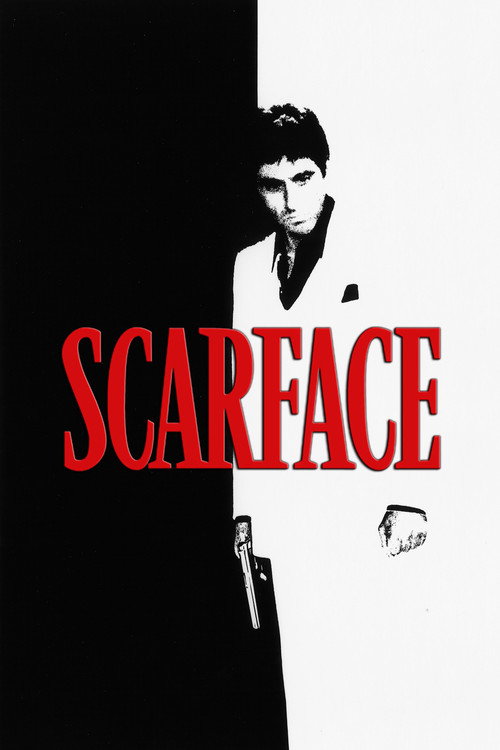
Scarface1983
Tony Montana's cocaine empire mirrors Doyle's descent into paranoia and excess, just from the other side of the law. Pacino at full intensity, with a surveillance-state energy that echoes the original French Connection.
But It's relentlessly loud and brutal for 170 minutes. The excess is the point, but it can feel exhausting rather than gripping.
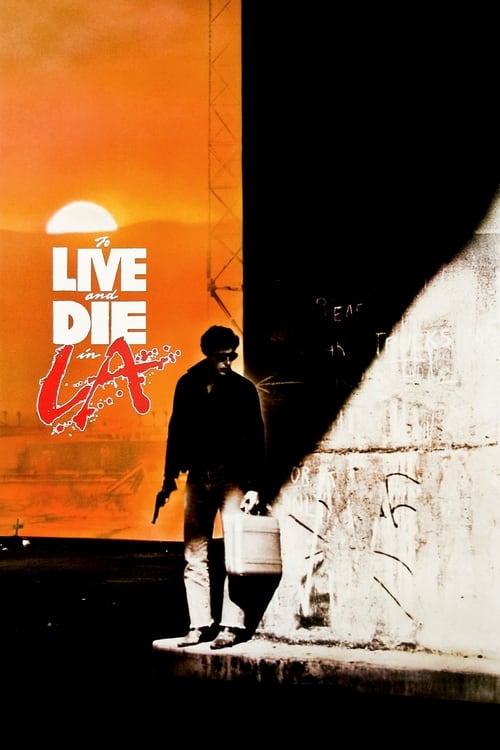
To Live and Die in L.A.1985
William Friedkin (director of French Connection II) made this even angrier cop thriller about counterfeiting and corruption. A federal agent obsessed to the point of self-destruction, with the same grim authenticity and moral murk.
But The 1980s synth score dates it badly for some tastes, and the plot is deliberately convoluted rather than clear.
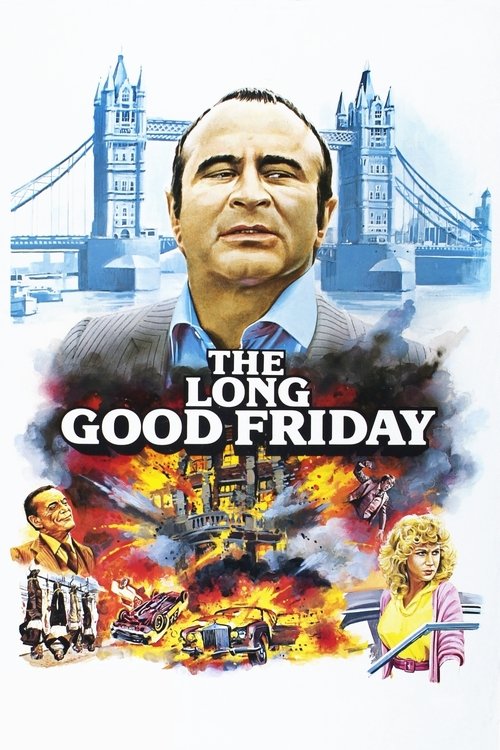
The Long Good Friday1980
Bob Hoskins as a crime boss watching his empire collapse in real time. Like French Connection II, it's a study of power eroding, with mounting paranoia and violence that feels inevitable rather than thrilling.
But It's British, lower-key, and the climax is ambiguous in a way that leaves some viewers cold. Not a conventional thriller ending.
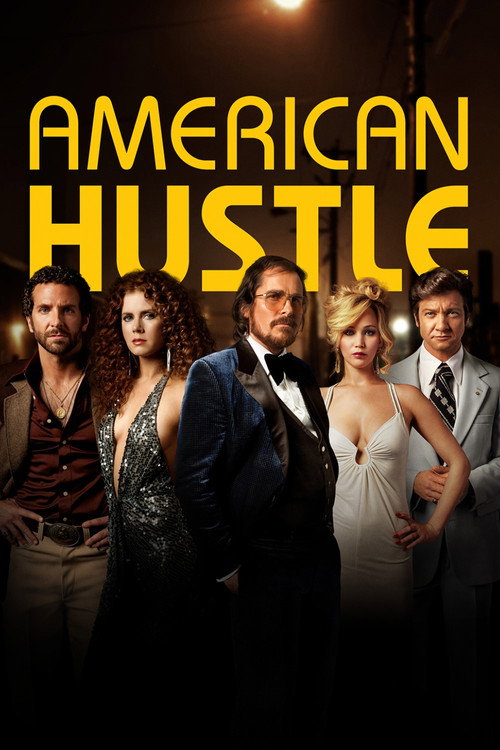
American Hustle2013
Con artists and undercover cops playing each other in a 1970s-set crime drama with genuine chemistry. Captures that era's procedural grit without quite the bleakness, but with real stakes and complicated motivations.
But It prioritizes style and character work over plot propulsion. Some find it self-satisfied, and the ending feels soft compared to what came before.
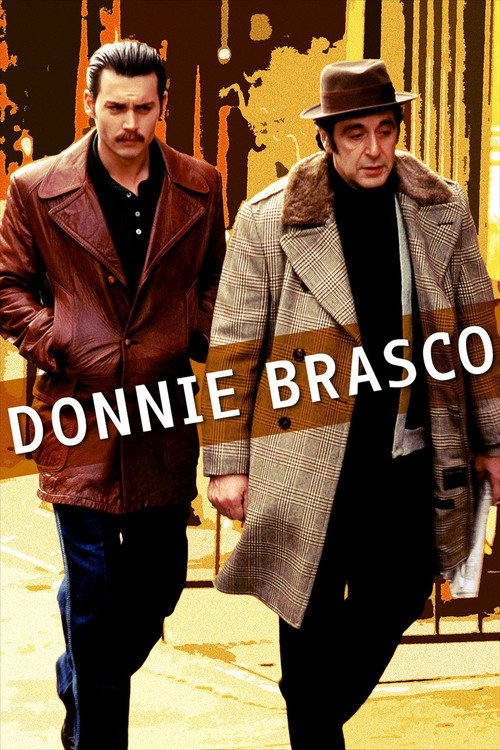
Donnie Brasco1997
An undercover cop goes deep with the Mafia and loses himself in the same way Doyle does. Johnny Depp and Al Pacino examine loyalty, corruption, and what it costs to live a lie. Quieter than you'd expect but morally complex.
But The pacing is deliberate and the violence, when it comes, is brutal rather than spectacular. Some sequences drag before payoff.
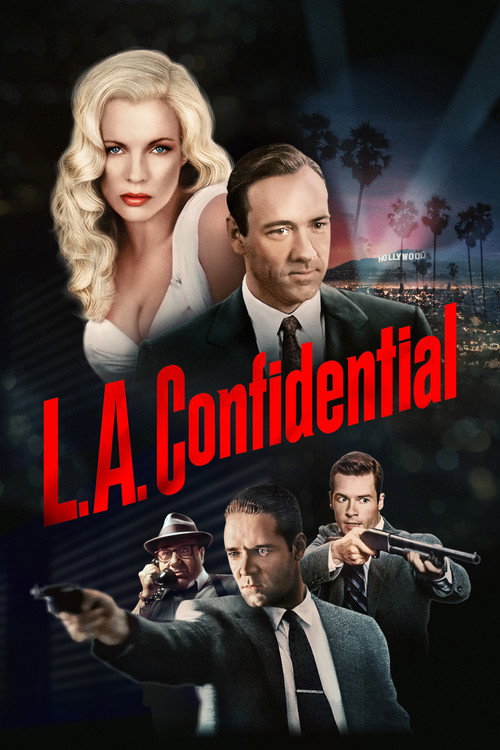
L.A. Confidential1997
Corrupt 1950s Los Angeles cops chasing a serial killer while the department tears itself apart. Russell Crowe and Guy Pearce in a procedural that values character and institutional rot over spectacle or speed.
But It's a mystery that requires you to track multiple threads. If you're not engaged by the investigation itself, the film feels slow.
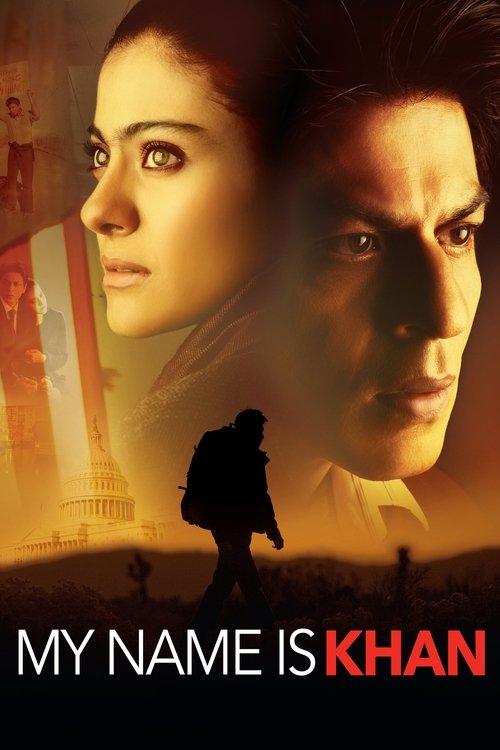
My Name Is Khan2010
Both are stories about men on quests that consume them. One destroys; one redeems. Same engine, opposite outcomes. Watching them together shows what obsession can do depending on what it's aimed at.
An autistic Muslim man wrongly hunted as a terrorist travels across America to clear his name, becoming obsessed with his mission like Doyle becomes obsessed with Charnier. It's a chase narrative about belonging and justice, but tender instead of brutal.
But Bollywood melodrama runs through it—it's sweeping and emotional in ways that read as sentimental to Western audiences. The pacing is generous, the emotions unguarded.
The Battle of Algiers1966
Both are about cops and criminals in colonial or post-colonial settings, where law enforcement is morally bankrupt and obsession serves power rather than justice. French Connection II plays Doyle's obsession as personal tragedy. Pontecorvo shows the same obsession as systemic violence.
A documentary-style thriller about French colonial police trying to crush an Algerian independence insurgency. It's French Connection in reverse—the interrogations, the surveillance, the moral bankruptcy of the occupying force. Gritty, procedural, politically corrosive.
But It's a political film from 1966 about colonialism and terrorism, which means some will find it didactic. Black and white, measured pace, no heroes—just systems crushing people.

People
Cast
 Gene Hackman"Popeye" Doyle
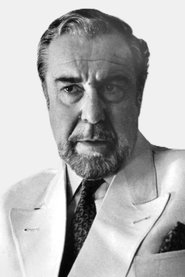 Fernando ReyAlain Charnier
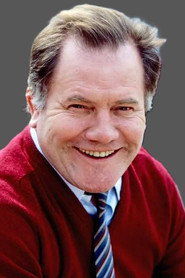 Bernard FressonHenri Barthélémy
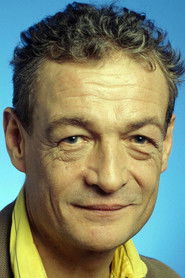 Philippe LéotardJacques
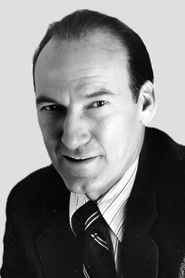 Ed LauterGeneral William Brian
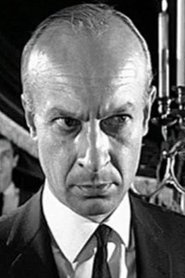 Charles MillotMiletto
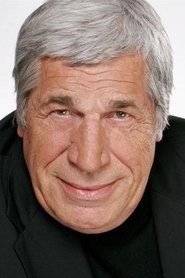 Jean-Pierre CastaldiRaoul
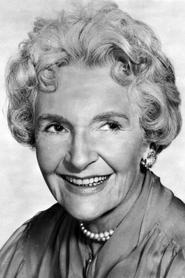 Cathleen NesbittThe Old Lady
- Samantha LlorensDenise
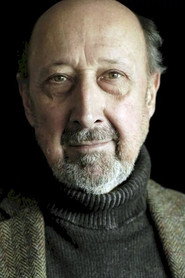 André PenvernBartender
- Reine PratYoung Girl on the Beach
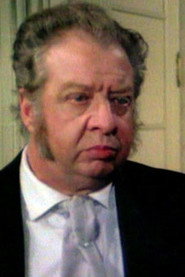 Raoul DelfosseDutch Captain
Directing
- Bernard StoraAssistant Director
- Gwen FieldAssistant Director
- Pierre TatischeffAssistant Director
- Thierry ChabertAssistant Director
- John FrankenheimerDirector
- Lucie LichtigScript Supervisor
- Marc MonnetSecond Assistant Director
Writing
- Alexander JacobsScreenplay
- Laurie DillonScreenplay
- Robert DillonScreenplay
- Laurie DillonStory
- Robert DillonStory
Production
- Margot CapelierCasting
- Robert MonosmithOther
- Robert L. RosenProducer
- Pierre Saint-BlancatProduction Manager
- René FargeasUnit Production Manager
- Robert FugierUnit Production Manager