
Film
To Live and Die in L.A.
- Crime
- Revenge action
- Relentless
William Friedkin's neon-soaked 1985 thriller about a vengeful Secret Service agent hunting a counterfeiter through Los Angeles. It's propulsive, morally murky, and visually audacious—less interested in justice than in the intoxicating momentum of pursuit itself. For those who love crime stories with style and moral ambiguity.
Should you watch it?
Watch it if you love crime films where the morality is murky and the set pieces feel dangerous, with a grimy, neon-soaked 1980s texture and a hero who pushes past every line you hoped he would respect.
Skip it if you want tidy heroes and clear justice, since almost everyone here is compromised and the film's sympathies stay deliberately uncomfortable rather than comforting.
What it asks of you: It runs just under two hours and moves in lurches, with long stretches of ordinary planning and sudden bursts of brutal violence, so it rewards patience and a tolerance for bleakness.
Not sure? Find tonight's pick in a minute.
If you liked this
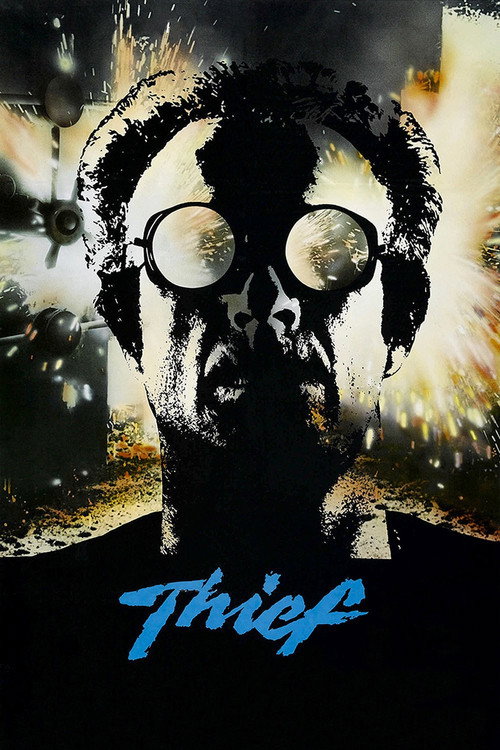
Thief1981
Michael Mann's coolly elegant heist film shares Friedkin's fascination with obsessive men and criminal craft. James Caan gives a performance of controlled intensity, and the film moves with the same propulsive inevitability.
But It's patient and deliberate—if you're expecting constant action, the long stretches of quiet character work might feel slow.
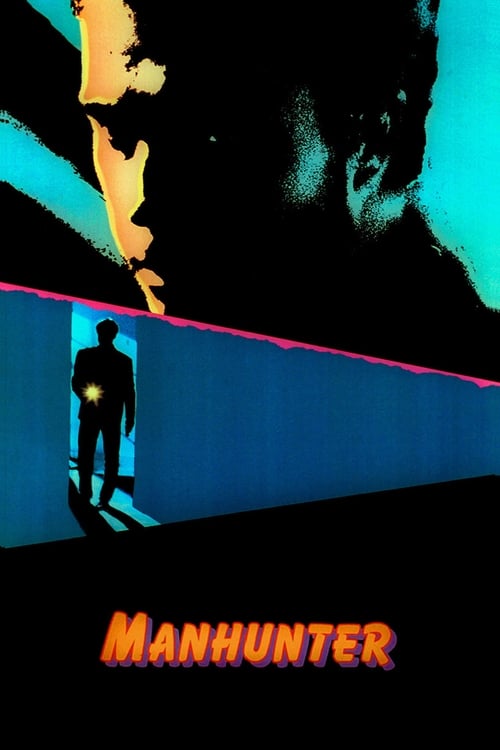
Manhunter1986
Mann's serial killer procedural has that same neon-lit '80s aesthetic and features an agent consumed by his quarry. Brian Cox's Hannibal Lecter is unsettling in ways the later films never matched, and the film's moral texture is wonderfully complicated.
But It predates and is overshadowed by Silence of the Lambs. Comparing them isn't fair, but most people will anyway.
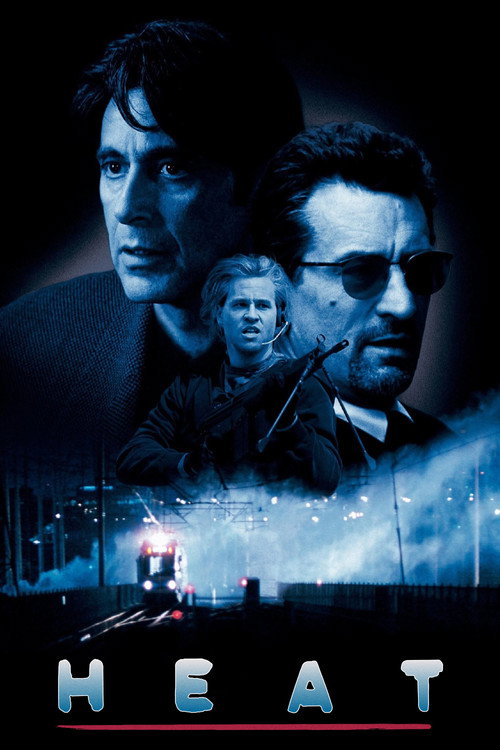
Heat1995
Mann's magnum opus expands the cat-and-mouse dynamic into an epic three-hour meditation on obsession and masculine ambition. De Niro and Pacino orbit each other with such gravitational pull that you feel the inevitability of their collision.
But Its length demands patience, and some find Mann's philosophical approach to crime more interesting than its plot mechanics.
Not sure tonight? Get a pick in a minute, starting from To Live and Die in L.A.
The wildcard
Something you would not have found on your own.
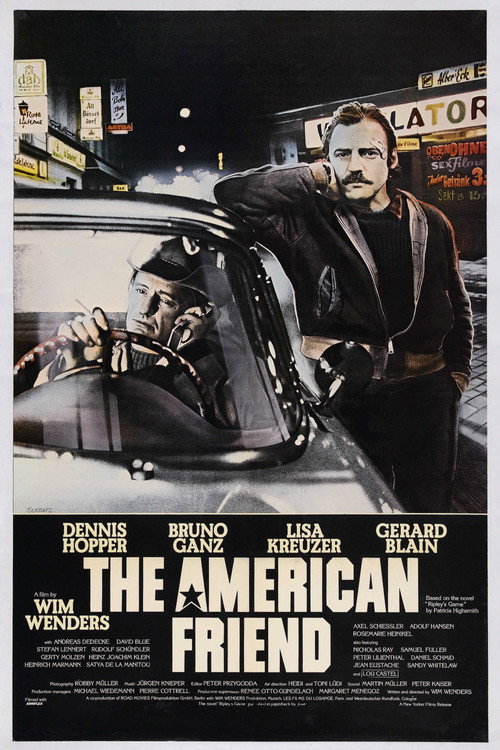
The American Friend1977
Both are fascinated by the moment a decent man crosses into criminality and finds he can't return.
Wim Wenders' adaptation of Ripley's Game is a European art film about a man pulled into crime, shot in cool, muted tones with long sequences of moral unease. It's about corruption and complicity, but approaches them like a philosopher, not a polemicist. The connection: both films are fascinated by how good men become criminals.
But It moves at its own pace and trusts you to find the tension. If you need plot momentum, this will feel slow and distant.
More like this (8)
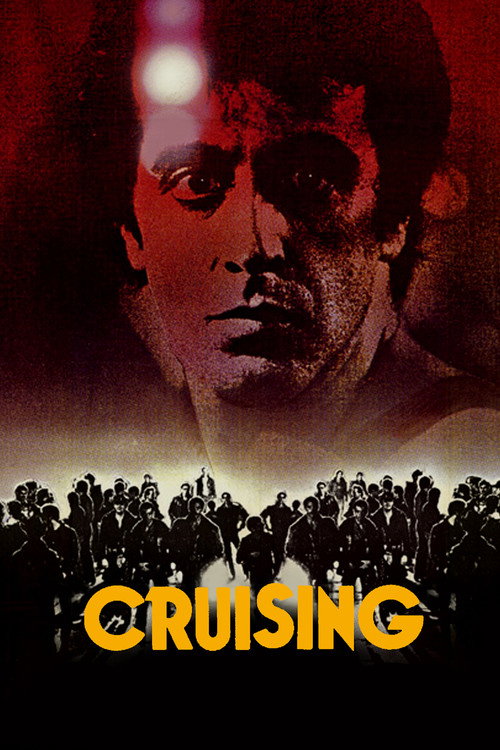
Cruising1980
Friedkin's other masterpiece: a cop goes undercover in a gay leather bar to find a serial killer, and the film becomes a queasy meditation on performance, desire, and identity. It's brutal and fascinating.
But It's deeply controversial and disturbing. The film depicts graphic violence and nudity, and its portrait of gay culture troubled many even at release.
Blood Simple1985
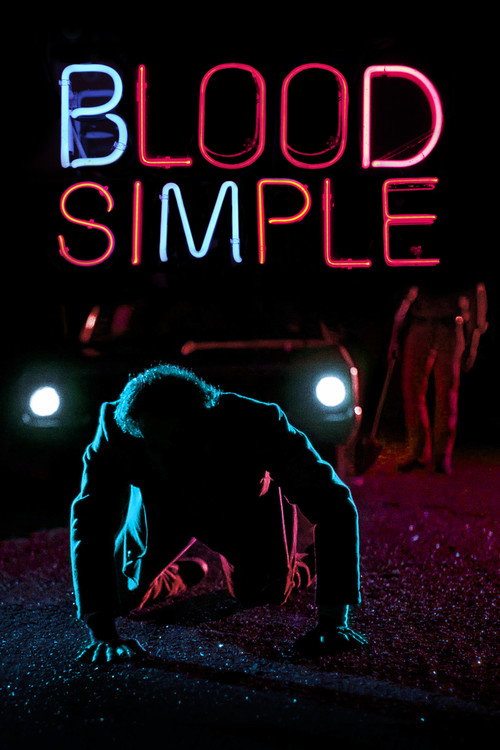
The Coen Brothers' debut is a crime thriller where paranoia and misunderstanding spiral into violence. It has the same moral amber as To Live and Die in L.A.—nobody's clean, and desperation makes people stupid.
But The Texas dialect and deliberate pacing won't work for everyone. If you want clarity and momentum, this isn't it.
Blade Runner1982
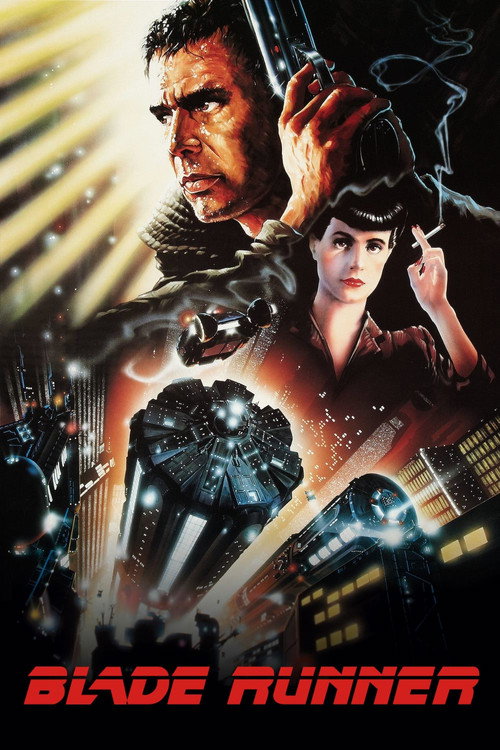
Ridley Scott's sci-fi noir has the same visual obsession and thematic ambiguity. A cop hunting artificial beings starts to question whether he's any different from what he's hunting—it's the same philosophical unease.
But The plot is thin and the pacing is glacial. Some find it overrated and visually impressive but emotionally cold.
The Long Good Friday1980
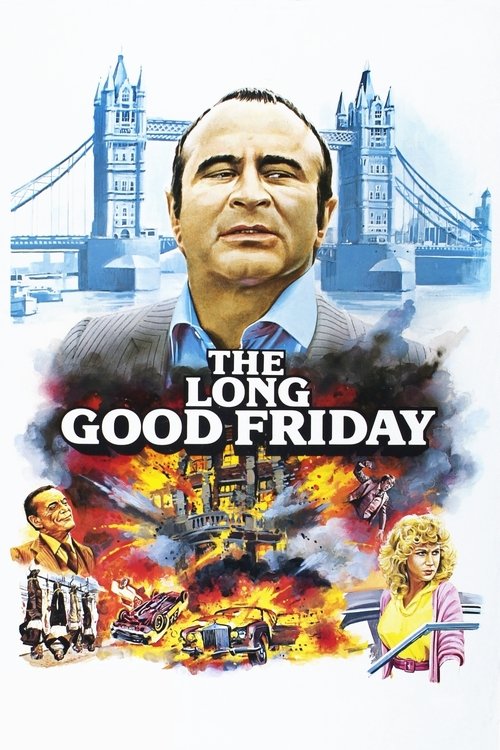
British crime thriller with Bob Hoskins as a gangster watching his empire collapse in 48 hours. It has the same sense of moral vertigo and the same conviction that the underworld operates by its own brutal logic.
But It's violent and bleak. The ending divides viewers, and some find the Irish politics confusing if you're not familiar with them.
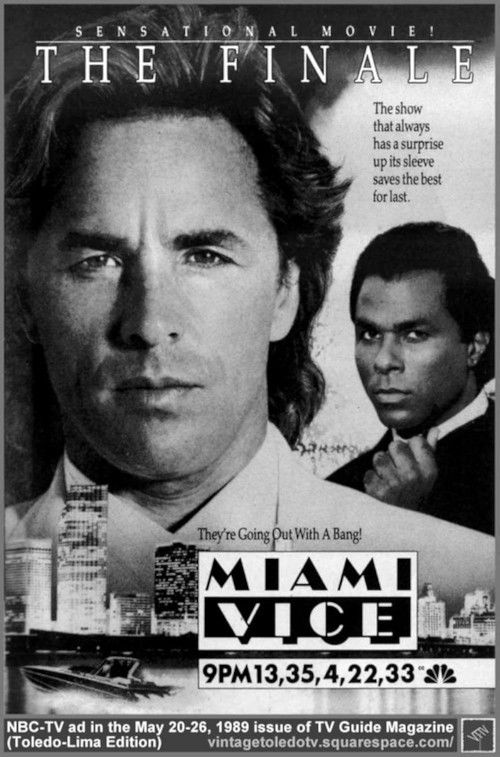
Miami Vice: Freefall1989
The extended feature from the TV series, directed by Mann. It captures the same fever-dream neon corruption as To Live and Die in L.A., with a more deliberate pace and deeper character work than the show.
But It's essentially an elongated TV episode. The mythology assumes you care about characters already, and the narrative is thin.
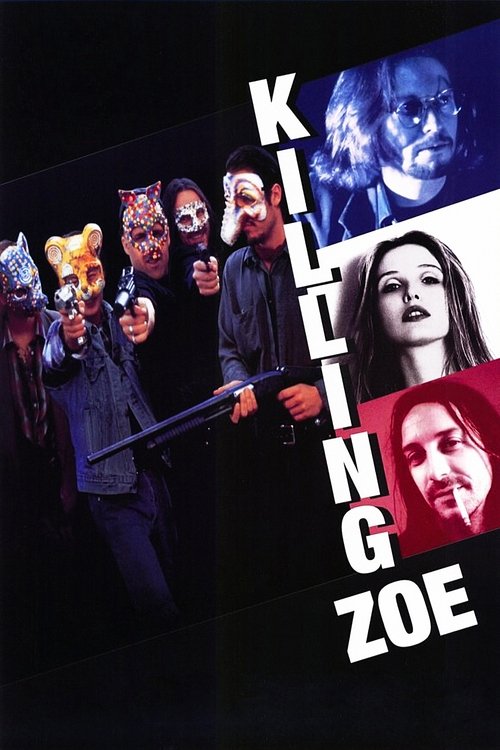
Killing Zoe1993
Roger Avary's debut is a sleek, amoral heist film about an American safecracker in Paris. It has the same stylish detachment and the same sense that the protagonist is becoming the thing he's hunting.
But It's pretentious and the plotting is thin. The film prioritizes mood and style over coherence, which is a choice some won't forgive.
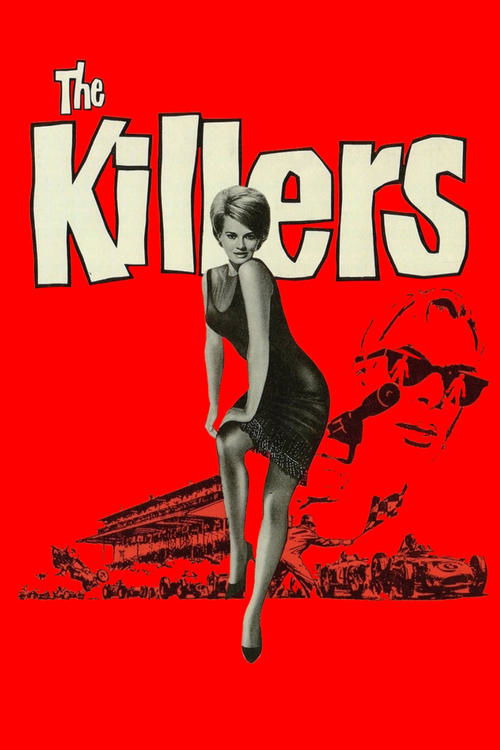
The Killers1964
Both ask what it costs a man to accept his own doom, and both suggest the answer is: almost nothing.
Siegel's lean, stylish noir about two hitmen executing a seemingly willing victim. It's half the runtime of To Live and Die in L.A. but contains more moral complexity—a meditation on fatalism and the seduction of inevitability.
But It's a '60s crime film, which means it has aesthetic distance some viewers experience as coldness. The plot is simple to the point of starkness.
In a Lonely Place1950
Both feature protagonists whose obsession and paranoia become indistinguishable from guilt, making you question what morality even means.
Bogart as a violent, paranoid director suspected of murder. Ray's film is about how suspicion destroys a person from the inside. It's a crime film more interested in psychology than plot—the closest noir gets to Friedkin's moral ambiguity.
But It's in black and white and 1950, so it requires patience with an older register. The ending is dark and unresolved in ways that trouble viewers seeking catharsis.

People
Cast
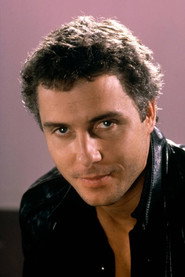 William L. PetersenRichard Chance
 Willem DafoeRick Masters
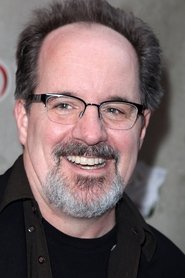 John PankowJohn Vukovich
- Debra FeuerBianca Torres
 John TurturroCarl Cody
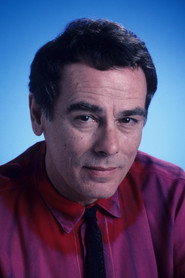 Dean StockwellBob Grimes
 Darlanne FluegelRuth Lanier
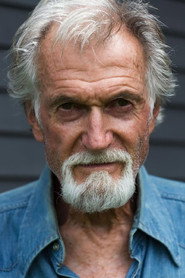 Michael GreeneJim Hart
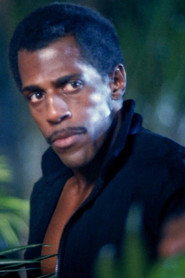 Steve JamesJeff Rice
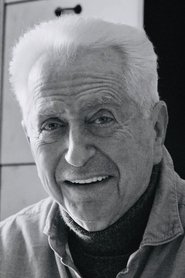 Robert Downey Sr.Thomas Bateman
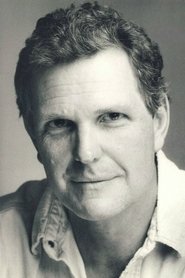 Christopher AllportMax Waxman
 Valentin de VargasJudge Filo Cedillo
Directing
- William FriedkinDirector
- Charles MyersFirst Assistant Director
- Jackie SaundersScript Supervisor
- Bob RoeSecond Assistant Director
- Bud S. SmithSecond Unit Director
Writing
- Gerald PetievichNovel
- Gerald PetievichScreenplay
- William FriedkinScreenplay
Production
- Michael HelfandAssistant Location Manager
- Robert WeinerCasting
- Gary M. ZuckerbrodCasting Associate
- Bud S. SmithCo-Producer
- Samuel SchulmanExecutive Producer
- Michael HealyLocation Manager
- Terry EdingerPost Production Accountant
- Irving H. LevinProducer
- Dianne Mapp-CheekProduction Coordinator
- Betsy Oliver LuhrsenProduction Secretary
- John J. SmithUnit Production Manager
Recommended by
Sorcerer, Cruising, The French Connection, Bullitt, Miami Blues, The Package, The Driver, Black Rain, American Gigolo, Prizzi's Honor, Extreme Prejudice, Miami Vice: Freefall, Marked for Death, In the Line of Duty: The F.B.I. Murders, Policewoman, Nighthawks, Gleaming the Cube, French Connection II, Out of Bounds, Veiled Threat, Steele Justice, Black Moon Rising, Once a Thief, Sharky's Machine, Breathless, Viper, L.A. Heat, Project Eliminator, Cop