
Film
The Driver
A stoic getaway driver plays cat-and-mouse with an obsessed detective in this stripped-down 1978 thriller. Walter Hill's film is pure kinetic style—minimal dialogue, maximum tension, balletic car chases through neon LA. It's a masterclass in visual storytelling for anyone who loves crime films that trust the audience to keep up.
Should you watch it?
Watch it if you love lean crime movies where cool precision and a cat-and-mouse chess game matter more than chatter, and you don't mind a hero who says almost nothing.
Skip it if you want emotional arcs, backstory or lots of talk; the film is sparse on dialogue and its cool, stylized surfaces can feel cold and mannered.
What it asks of you: Ninety minutes, mostly unhurried, with long stretches of silent driving and few explanations, so it rewards patience over explanation and keeps its attention on faces and the road.
Not sure? Find tonight's pick in a minute.
If you liked this
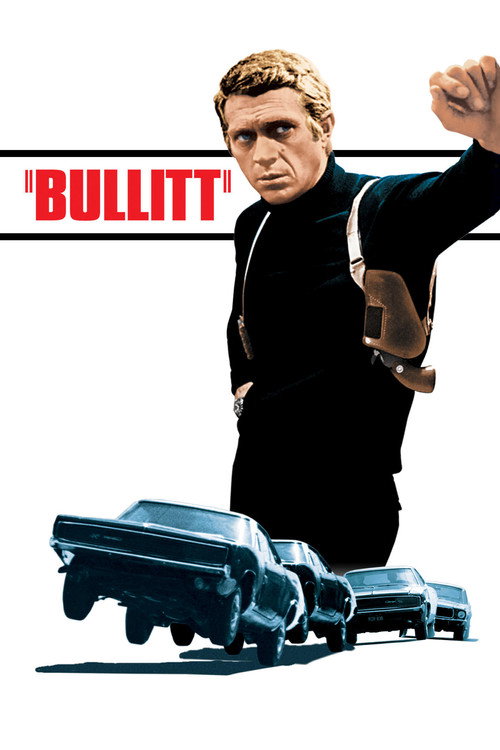
Bullitt1968
Steve McQueen in the role that defined the getaway driver archetype. The car chase through San Francisco is still the template every thriller copies. Lean, cool, and utterly gripping.
But It's methodical to the point of slowness in places. Some younger viewers find the pacing glacial compared to modern action films.
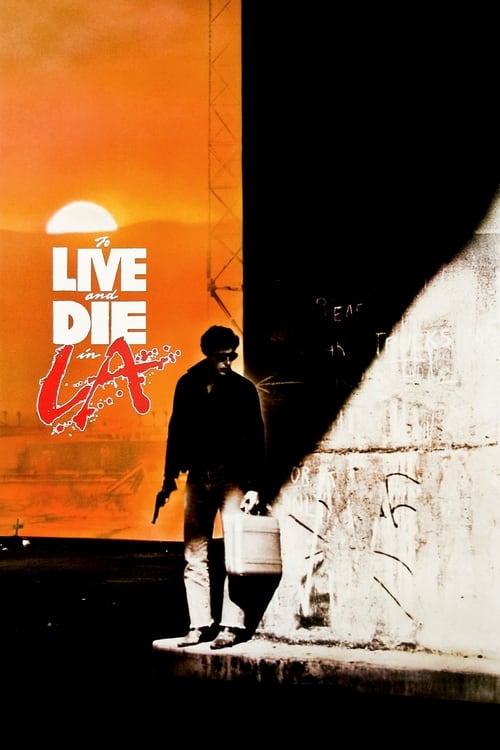
To Live and Die in L.A.1985
William Friedkin's neon-soaked LA crime thriller with the same economical style and a legendary freeway chase. It has The Driver's DNA but with William Petersen's manic energy and a stronger emotional core.
But The protagonist is deeply morally compromised. If you need someone to root for, you'll struggle here.
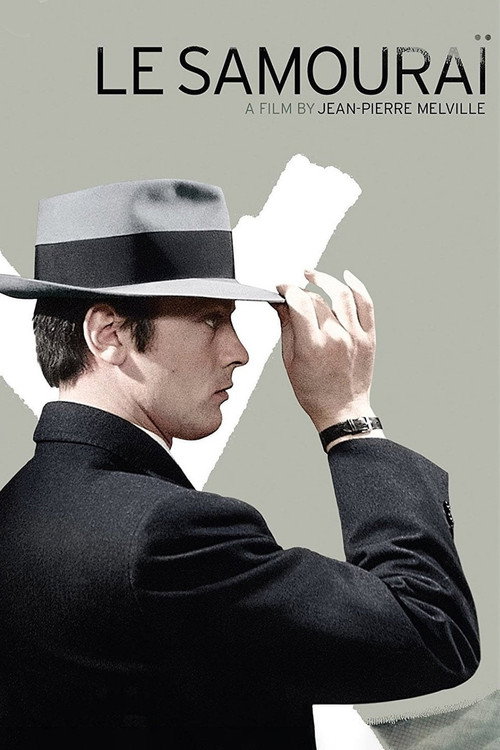
Le Samouraï1967
Alain Delon as a hitman moving through Paris with balletic precision. It's The Driver's spiritual ancestor—minimal dialogue, maximum mood, and a code-bound protagonist moving through a corrupt world.
But It's even more deliberately paced than The Driver. The plot is secondary to atmosphere, and nothing explodes.
Not sure tonight? Get a pick in a minute, starting from The Driver
The wildcard
Something you would not have found on your own.
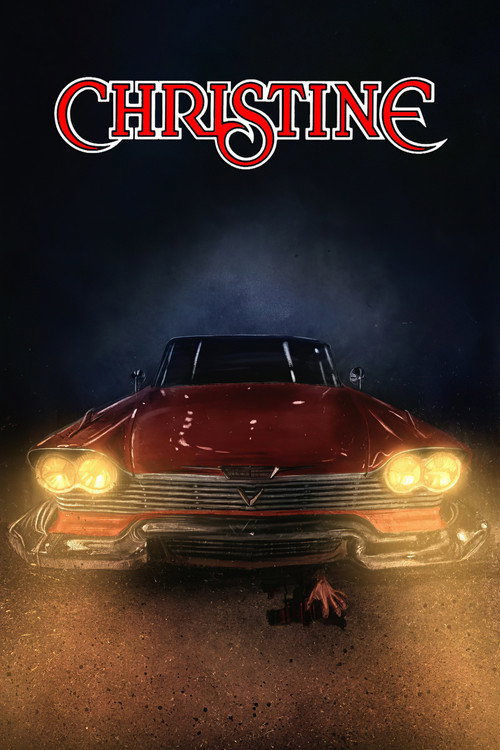
Christine1983
Both make a vehicle the emotional centre of the story. In The Driver, the car is an extension of the protagonist's code. In Christine, the car has its own code—and they're at war.
John Carpenter's film about a car that becomes a character—jealous, alive, vengeful. It sounds like pulp, but it's a Shakespearean tragedy dressed in Detroit steel. The photography is gorgeous, the mood is dread, and the car is a co-star.
But It's a horror film disguised as a thriller, with genuine body horror. The love triangle feels secondary to the car's arc, which some find weird.
More like this (8)
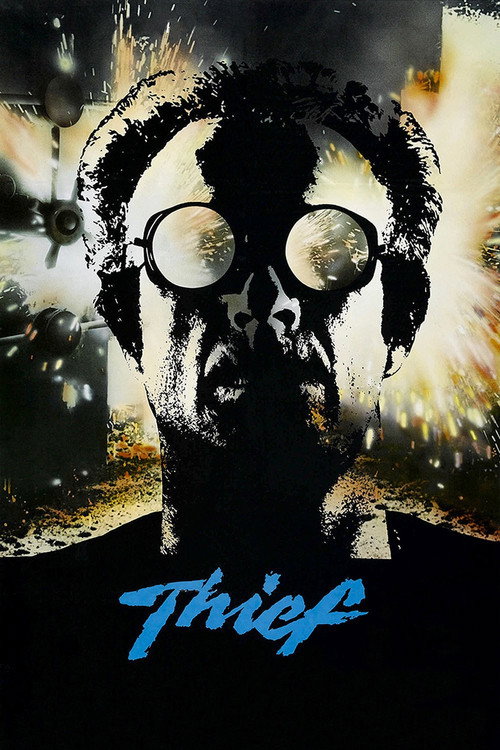
Thief1981
Michael Mann's debut with James Caan as a professional thief. Synthesizer score, jewel-heist precision, and that same sense of a man defined entirely by his craft. It understands The Driver's world.
But Mann's style can feel cold. The film is more interested in aesthetics than emotional payoff, which some find distant.
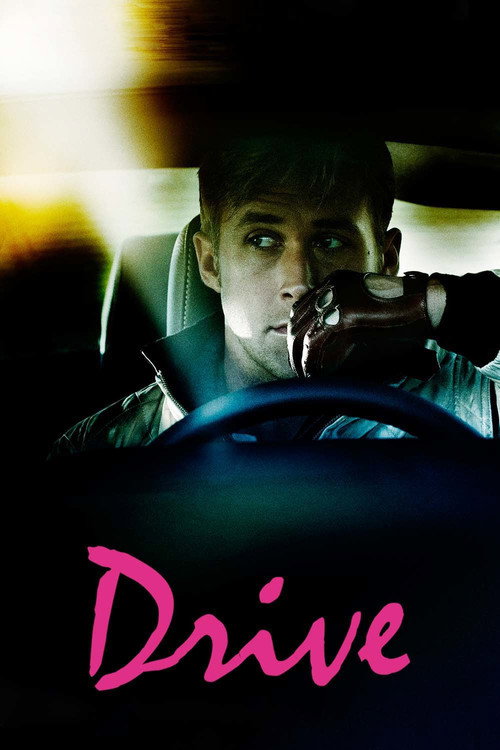
Drive2011
Nicolas Winding Refn remade The Driver's mood for a new era—a silent, stylish getaway driver caught between crime bosses. It's a direct spiritual sequel that honours the original while doing its own thing.
But It's extremely slow and violet. The graphic brutality might shock you if you're expecting a conventional thriller. Some find it pretentious.
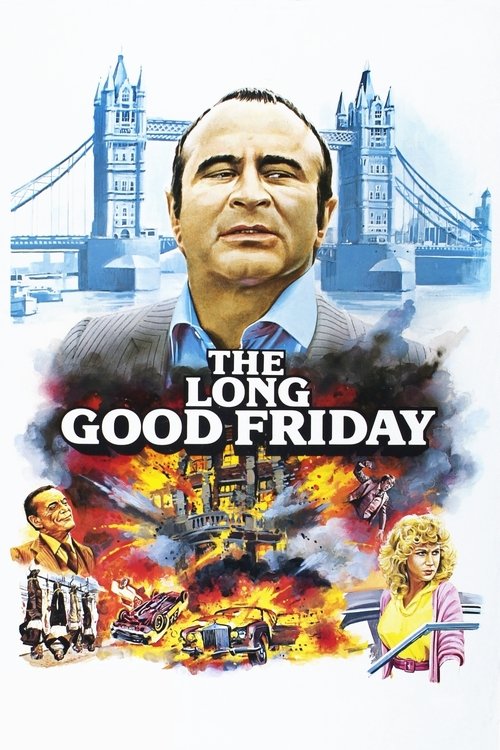
The Long Good Friday1980
Bob Hoskins as a London crime boss facing down catastrophe in a single night. It has The Driver's tight plotting and moral clarity, but with British grit and genuine stakes that escalate beautifully.
But The ending is bleak and ironic rather than satisfying. If you need justice or resolution, you won't find it.
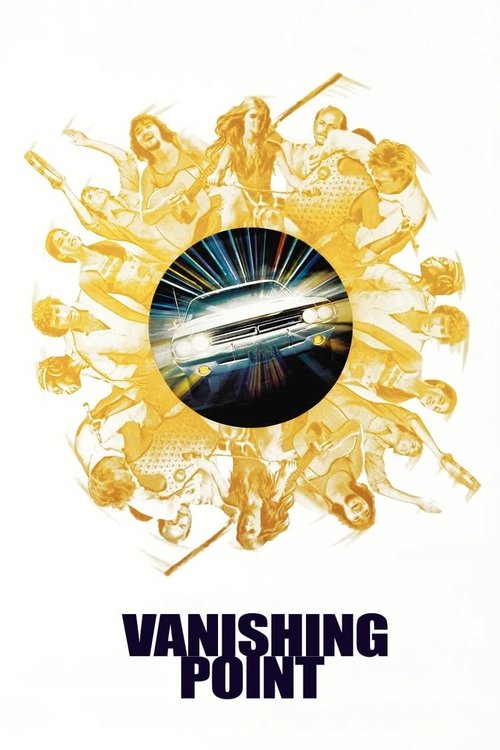
Vanishing Point1971
A man drives a Dodge Challenger from Denver to San Francisco, pursued by police and fearing his own doom. It's obsessive, poetic, and utterly committed to the idea that a car can be the whole story.
But The plot barely exists. It's a mood piece and a road movie first, a thriller second. Some find it self-indulgent.
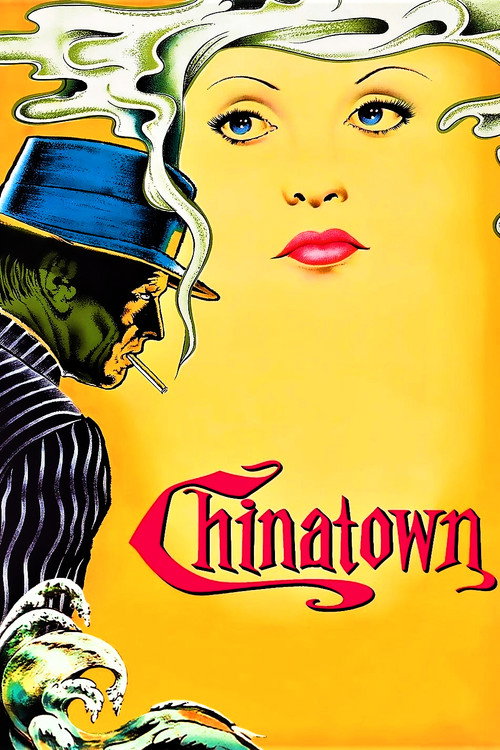
Chinatown1974
Jack Nicholson and Faye Dunaway in LA's classic noir thriller. It's about corruption, obsession, and the world eating good men alive—themes that run quietly through The Driver too.
But It's a detective story, not an action film. Expect mystery and talky exposition, not chases. The ending is devastating rather than cathartic.
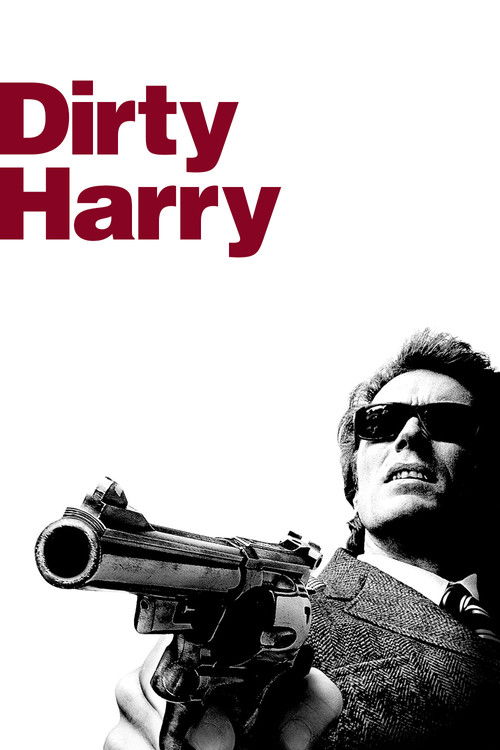
Dirty Harry1971
Clint Eastwood as an iconic cop in San Francisco. It has the same lean, punchy style as The Driver and the moral ambiguity—who's really in the wrong here?—that makes both films complicated.
But The politics are murky and occasionally ugly. It's a product of its era in ways that don't always age well. Some find Eastwood's cop fascist.
The Vanishing1988
Both are about obsession—The Driver's obsession with staying free, The Detective's obsession with catching him. Vanishing inverts it and asks: what if we're watching the wrong obsession? What if the pursuer is the victim?
A man becomes obsessed with finding his vanished girlfriend; a stranger becomes obsessed with the obsessive man. The Dutch original (not the Hollywood remake) is a masterpiece of sustained tension about fixation and the architecture of evil.
But It is genuinely disturbing in ways that go beyond thriller convention. The ending offers no comfort and no neat resolution. It's bleak in a way that can feel punishing.
Stalker1979
The Driver and Stalker are both about a man defined by his relationship to a space—a car, a zone—and both use pursuit as a metaphor for something deeper: the hunt for meaning, identity, or truth. Both trust silence and movement to do the talking.
Andrei Tarkovsky's science-fiction meditation on desire, belief, and what we're really chasing. A guide leads two men through a mysterious zone toward a room that grants wishes. It's hypnotic, philosophical, and utterly unlike anything else.
But It is 163 minutes long and moves at the speed of thought, not plot. There are long silences and walks through empty corridors. It requires patience that most thrillers don't demand.

People
Cast
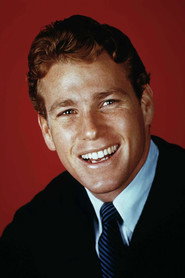 Ryan O'NealThe Driver
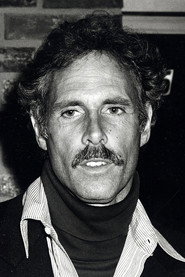 Bruce DernThe Detective
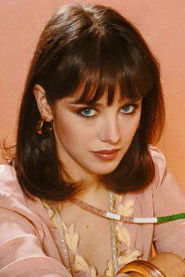 Isabelle AdjaniThe Player
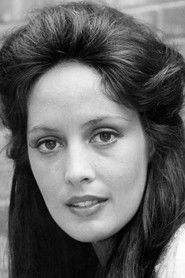 Ronee BlakleyThe Connection
 Matt ClarkRed Plainclothesman
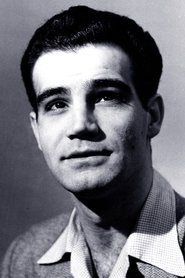 Felice OrlandiGold Plainclothesman
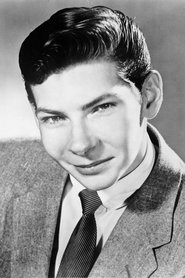 Joseph WalshGlasses
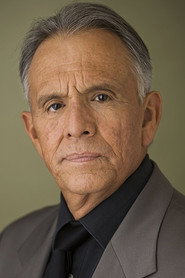 Rudy RamosTeeth
- Denny MackoExchange Man
- Frank BrunoThe Kid
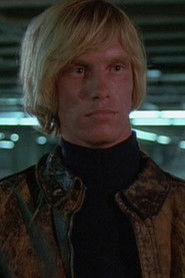 Will WalkerFingers
- Sandy Brown WyethSplit
Directing
- Pat KehoeAssistant Director
- Jonathan Giles ZimmermanAssistant Director Trainee
- Walter HillDirector
- Cassandra OlivaScript Supervisor
- Lisa Hallas-GottliebSecond Assistant Director
Writing
- Walter HillScreenplay
Production
- Frank MarshallAssociate Producer
- Jane FeinbergCasting
- Mike FentonCasting
- Don KrugerLocation Manager
- Lawrence GordonProducer
- Russell SaundersProduction Manager
Recommended by
Bullitt, C'était un rendez-vous, Fast Company, Godspeed, Sympathy for the Devil, Motorway, The Warriors: The Way Home