
Film
C'était un rendez-vous
- Car-chase action
- Relentless
A nine-minute fever dream of a film: a single, unbroken take of a car screaming through Paris at dawn, shot from the driver's perspective. No plot, no dialogue, just the pure sensation of speed, danger, and the city as obstacle course. It's a technical marvel masquerading as a stunt, and it rewires how you think about what cinema can be in under ten minutes.
Should you watch it?
Watch it if you love cinema as pure motion and want a film that says everything through a camera bolted to a speeding car, with the city rushing past like a dare.
Skip it if you need characters to talk, a plot to follow, or any emotional payoff, since nine minutes of unbroken driving and intent staring offers little else.
What it asks of you: Almost nothing but your eyes for nine minutes; it is brief, relentless and rhythmic, so give it your full attention rather than a second screen.
Not sure? Find tonight's pick in a minute.
If you liked this
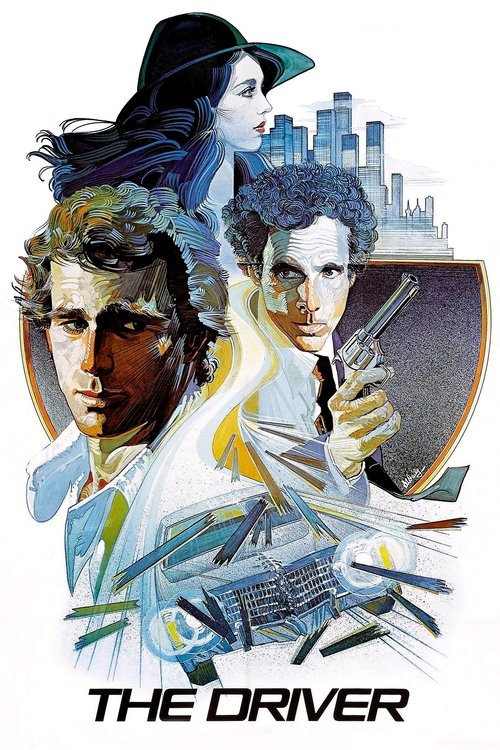
The Driver1978
Walter Hill's minimalist neo-noir built around the same idea: a getaway driver, no names, no backstory. Ryan O'Neal as pure professional. The car chases are visceral and the whole film moves like the opening sequence of something larger.
But It's cold and sparse by design. If you need character warmth or emotional stakes, you'll find it frustratingly austere.
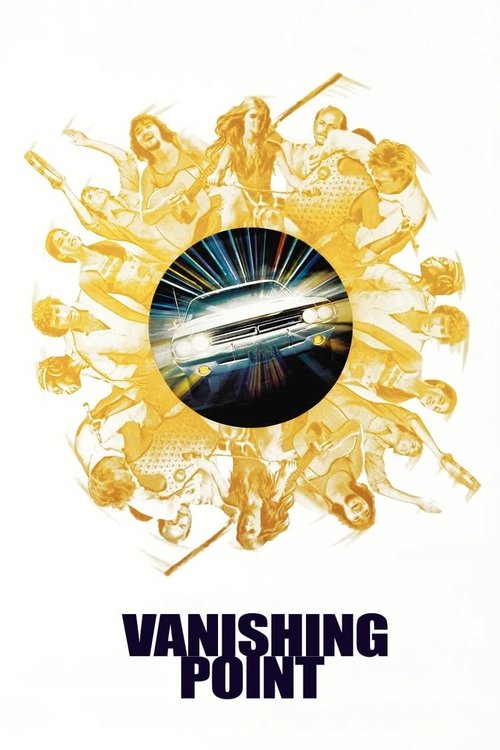
Vanishing Point1971
A Dodge Challenger crossing America at impossible speeds, pursued by law enforcement. Existential road movie that shares the same DNA as C'était un rendez-vous: motion as philosophy, the road as release. Genuinely hypnotic.
But Seventies pacing means long stretches of driving with minimal dialogue. The ending divides people sharply.
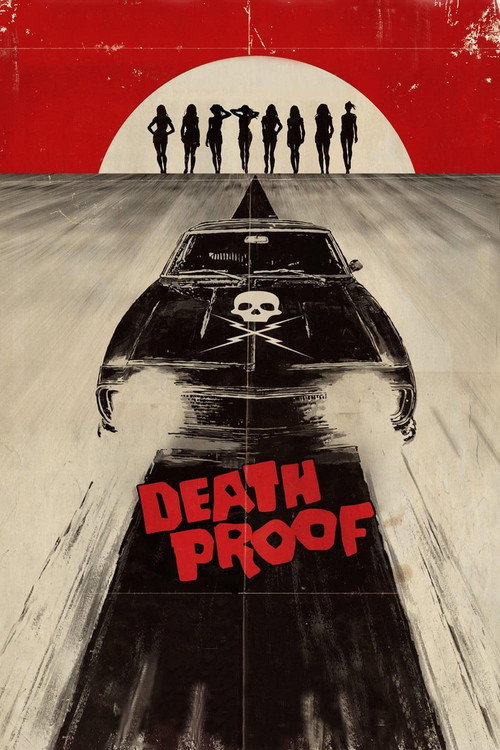
Death Proof2007
Tarantino's love letter to stunt driving and car chase cinema. The final twenty minutes are pure kinetic joy, shot and cut with an almost musical precision. Fast, loud, unapologetic fun.
But The first half is dialogue-heavy and meandering. You're waiting for the cars, and Tarantino makes you wait.
Not sure tonight? Get a pick in a minute, starting from C'était un rendez-vous
The wildcard
Something you would not have found on your own.
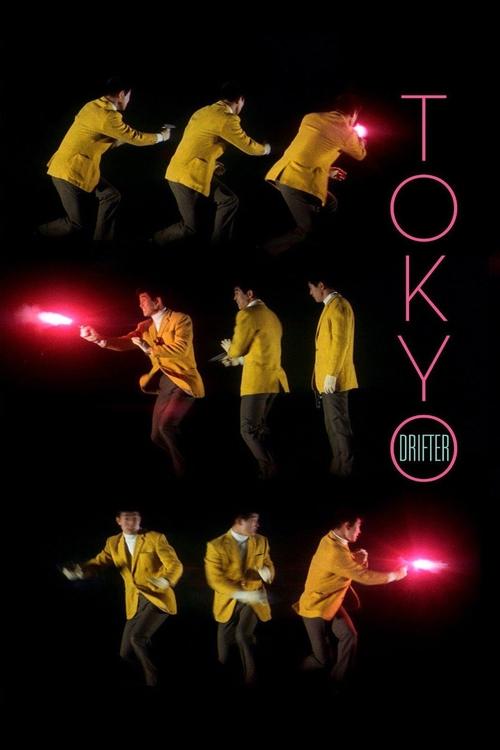
Tokyo Drifter1966
Both films treat a vehicle moving through space as pure cinema, subordinating everything—plot, character, logic—to creating a visual and sensory experience. Both are about style as meaning.
Seijun Suzuki's yakuza film where the *style* is the substance: neon, colour, geometric composition, and driving sequences that prioritise visual beauty over realism. It's C'était un rendez-vous's aesthetic ancestor, shot in a totally different genre.
But The plot is deliberately fragmented and incoherent—Suzuki was fired for this film being too weird. It requires patience with visual storytelling over narrative clarity.
More like this (7)
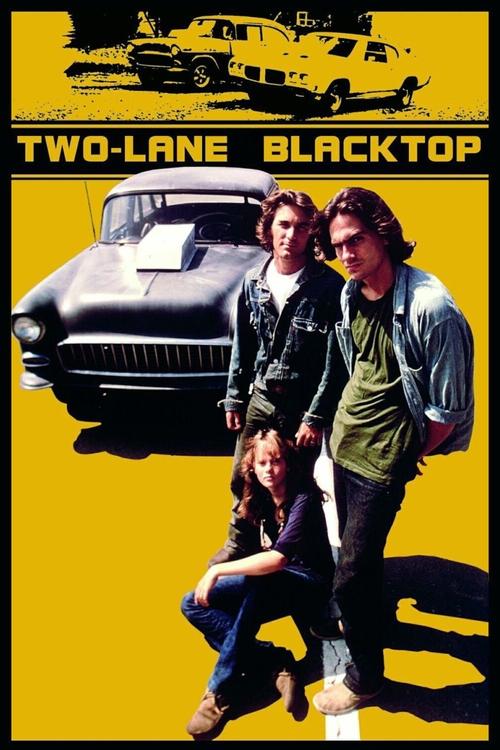
Two-Lane Blacktop1971
Warren Oates and James Taylor in a film that's essentially one long cross-country drag race. Hypnotic, sparse, focused on the *moment* of driving rather than narrative. Deeply strange and deeply rewarding.
But There's almost no conventional story. If you need plot momentum, this will feel like a beautiful standstill.
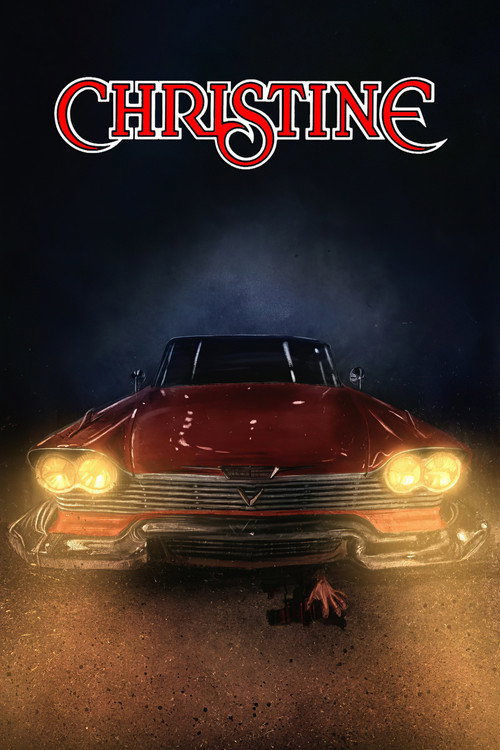
Christine1983
John Carpenter's possessed car film, but what matters is the direction: every frame has kinetic energy, every car scene is perfectly choreographed. The car itself becomes a character through pure cinema.
But Once you see past the technical mastery, the plot is fairly boilerplate high school horror. The second half relies on story more than style.
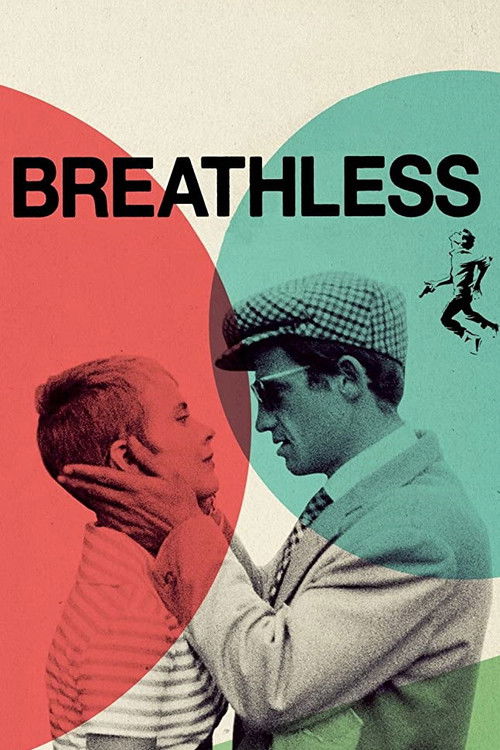
Breathless1960
Godard's debut where a stolen car through Paris feels like the entire point. Jump cuts, energy, youthful recklessness. It's the spiritual ancestor of everything you're feeling watching C'était un rendez-vous.
But Black and white, French New Wave formalism, and a romantic plot that some find indulgent. It's deliberately self-conscious in a way that can feel mannered.
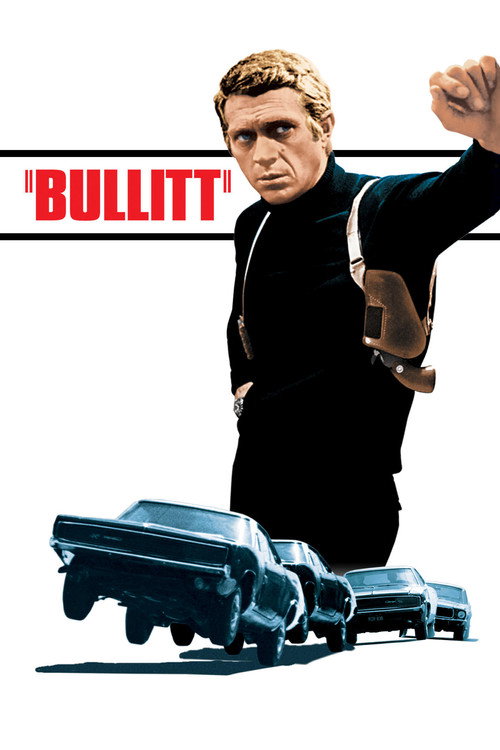
Bullitt1968
Steve McQueen, San Francisco hills, and the most influential car chase ever filmed. It set the template for how cinema captures motion. Every car film since owes it something.
But The rest of the film is a fairly standard police procedural. Once the chase ends, you're back in conventional storytelling.
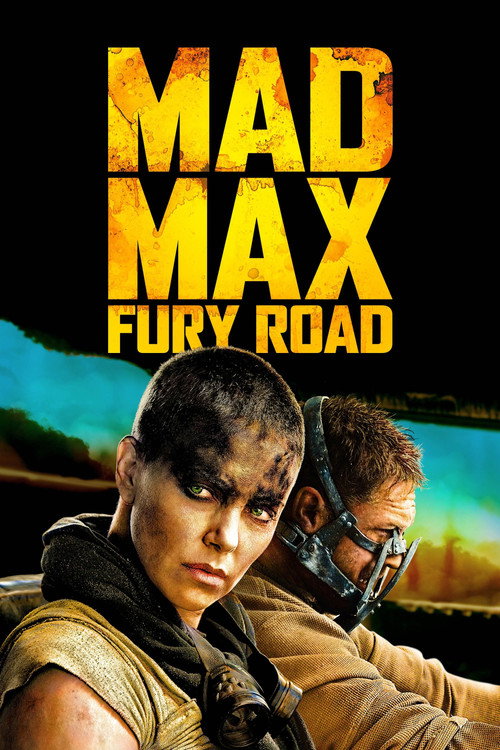
Mad Max: Fury Road2015
Two hours of pure vehicular ballet. George Miller directing cars the way a conductor directs an orchestra. If you love what motion and speed can do on screen, this is essential.
But Minimal plot and almost no character development. If you need narrative substance, you won't find it, and that's deliberate.
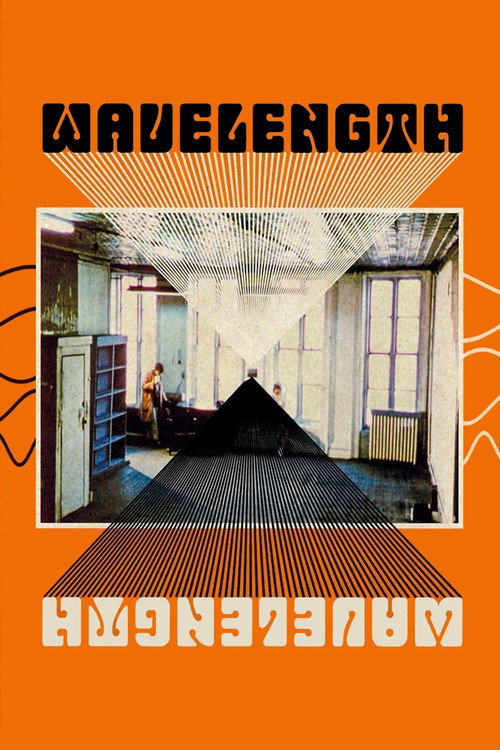
Wavelength1967
Both are complete films built from a single directional principle: C'était un rendez-vous moves forward through space at speed; Wavelength moves forward through space at glacial, meditative pace. Both ask: what can cinema do when you strip away everything but motion and time?
Michael Snow's experimental 45-minute zoom across a New York loft. A single, unbroken camera movement creating tension, time, and meaning. If you loved what one unbroken take can do, this pushes that idea into radical territory.
But It's structuralist experimental film. There is no plot, no characters, no conventional film language. It requires you to think about cinema itself, not watch it passively.
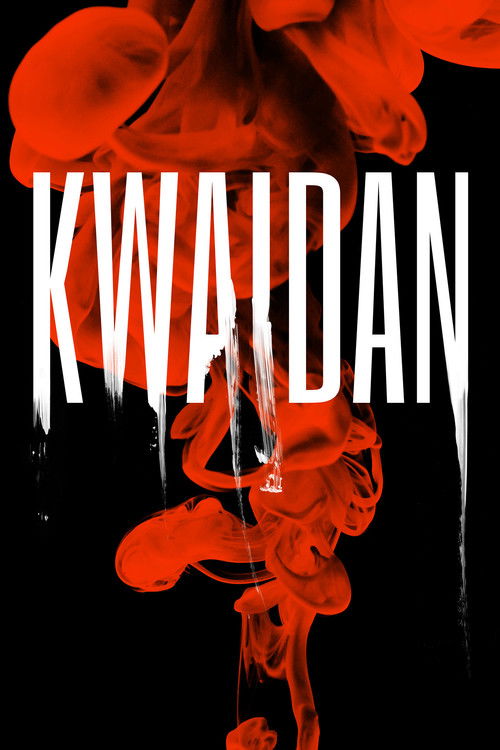
Kwaidan1965
Both films demonstrate that cinema's primary language is *not* narrative but visual sensation and the manipulation of space and time. Both achieve their power through technical precision and a refusal to rely on dialogue or conventional story.
Masaki Kobayashi's four-part ghost story shot in glorious colour and VistaVision. A film obsessed with how space, light, and composition create feeling. Every frame is a painting. Completely different genre and mood from C'était un rendez-vous, but equally committed to cinema as visual experience.
But It's slow, atmospheric, and operates through mood rather than plot. The final story is particularly ambiguous and unsettling. Requires patience and tolerance for oblique storytelling.
People
Cast
 Claude LelouchThe Driver (uncredited)
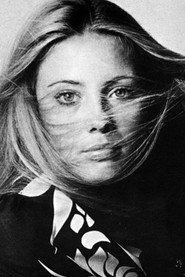 Gunilla FridenThe Girl (uncredited)
Directing
- Élie ChouraquiAssistant Director
- Claude LelouchDirector
Writing
- Claude LelouchWriter
Recommended by
Redline, The Darjeeling Limited, Adventureland, Bangalore Days, Aandhi