
Film
Death Proof
Tarantino's portrait of a predator and the women who stop him. Kurt Russell is magnetic menace as a stuntman using his car as a weapon; the film is deliberately front-loaded with talk before erupting into propulsive action. Stylish, violent, and deeply interested in how violence against women gets normalized—then how it gets answered.
Should you watch it?
Watch it if you love hangout dialogue that circles pop culture and tobacco-stained trivia until the menace creeps in, and you enjoy grindhouse grit from a director who treats cars like instruments.
Skip it if you need tight plotting or a brisk pace; much of this is idle chatter in bars and slow cruising on empty roads, which can feel indulgent.
What it asks of you: Expect a long, loose opening built on talk and music, a shift in tempo that arrives without warning, and a runtime of just under two hours.
Not sure? Find tonight's pick in a minute.
If you liked this
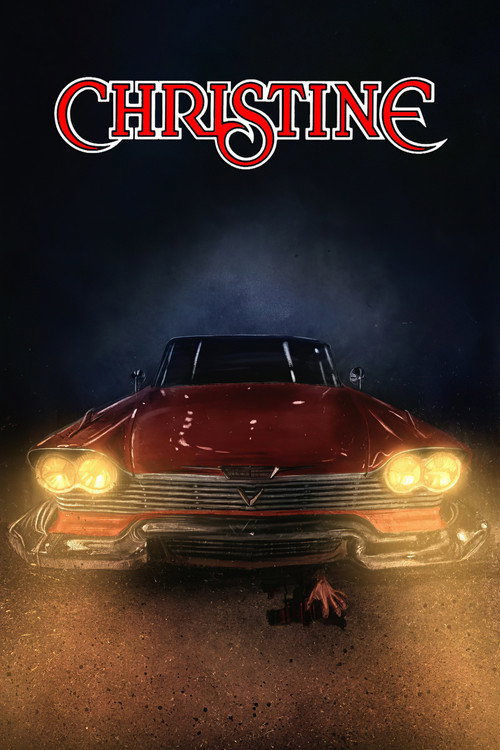
Christine1983
Carpenter's film about a car with malevolent agency explores similar territory: the vehicle as extension of the driver's sickness, and how inanimate objects become vessels for human evil. Hypnotic and genuinely disturbing.
But The car-as-character concept requires patience to buy into, and the film's pacing is deliberate rather than propulsive. Some find it overwrought.
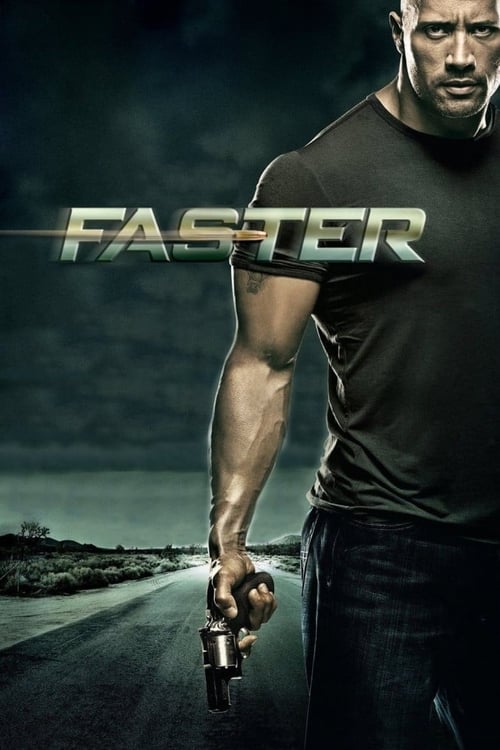
Faster2010
The Rock pursues a revenge narrative with brutal efficiency and surprising emotional depth. Like Death Proof, it's interested in what violence costs and who it's for—just with a different moral axis and body count.
But It arrived after the '80s action revival had peaked and felt late to the party. Dwayne Johnson fans may find his restraint here less rewarding than his showier work.
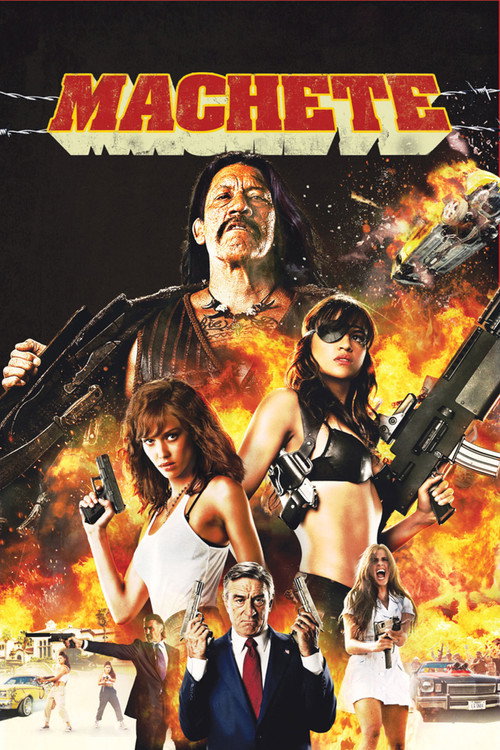
Machete2010
Rodriguez doubles down on Tarantino's playbook: grindhouse pastiche, a vehicle as weapon, and righteous violence in service of a clear moral purpose. It's fun, audacious, and knows exactly what it is.
But The social commentary can feel heavy-handed, and the film's tongue-in-cheek tone may undercut the stakes for viewers seeking genuine tension.
Not sure tonight? Get a pick in a minute, starting from Death Proof
The wildcard
Something you would not have found on your own.
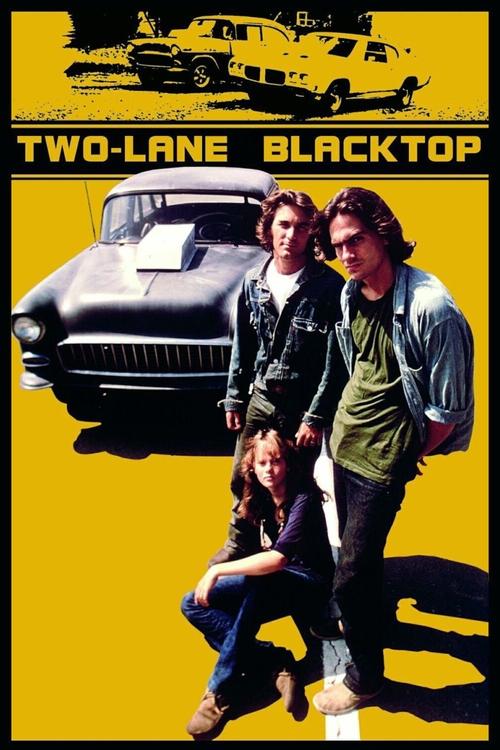
Two-Lane Blacktop1971
Both films understand the car and the road as spaces where male pathology becomes visible and consequential—the difference is that Hellman is interested in existential emptiness, while Tarantino is interested in predation.
Monte Hellman's masterpiece is a race film that is actually about silence, masculinity, and the American road as spiritual wasteland. It's meditative where Death Proof is kinetic, but both films use the car as a window into male psychopathology and the violence it breeds. Hypnotic.
But There is almost no plot. Viewers expecting narrative momentum will find themselves in a long, elliptical meditation that some experience as profound and others as pretentious inertia.
More like this (8)
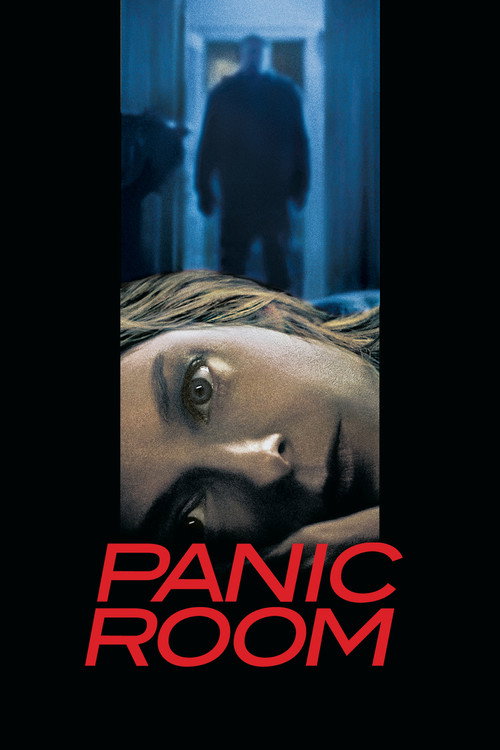
Panic Room2002
Fincher traps Jodie Foster and her daughter in a safe room with intruders outside. Like Death Proof, it's a cat-and-mouse game where vulnerability becomes tactical—the hunted become strategists. Supremely tense.
But The digital cinematography of the early 2000s shows its age, and some plot contrivances ask you to suspend disbelief in ways Fincher didn't entirely earn.
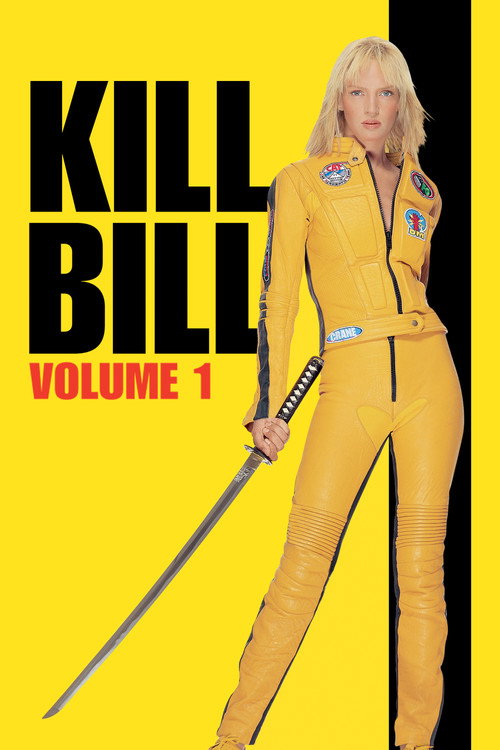
Kill Bill: Vol. 12003
Tarantino's own revenge epic, bleeding with style and fury. Uma Thurman's journey from victim to avenger mirrors Death Proof's arc, and the film's visual language—the car crash moment, the samurai codes—speaks directly to similar preoccupations.
But It's a Tarantino film: mannered, digressive, and more interested in homage than character development. The tonal whiplash isn't for everyone.
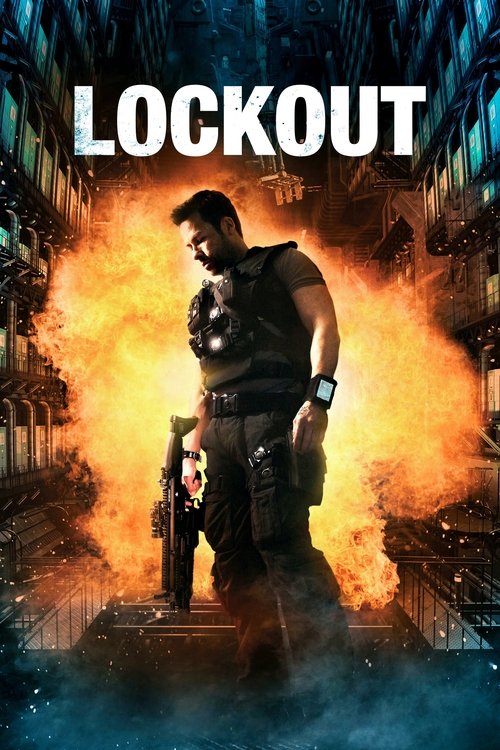
Lockout2012
Pierce Brosnan in a compact, witty action thriller that moves with surprising efficiency. There's a lightness here that contrasts with Death Proof's darker instincts, but both films know how to escalate tension through clever mechanics rather than brutality alone.
But The film is deeply silly in ways some will find charming and others embarrassing. The animation-influenced style has aged poorly in spots.
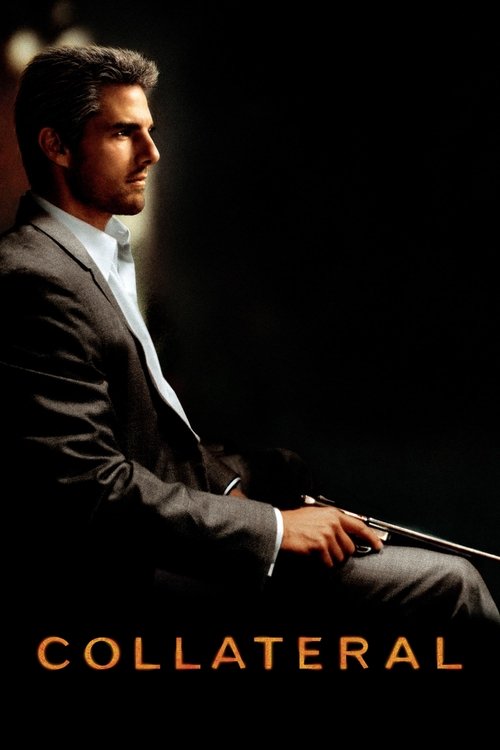
Collateral2004
Tom Cruise hunts Jamie Foxx through Los Angeles. Mann's film uses the car and the urban landscape as characters themselves, and deploys violence with forensic precision. The predator-prey dynamic is taut and morally murky in fascinating ways.
But The night-vision and digital cinematography feels dated now, and the film's cool detachment can read as coldness rather than sophistication.
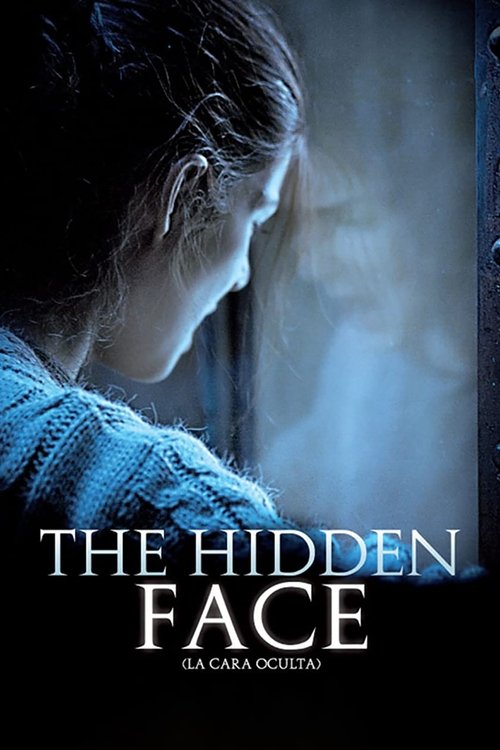
The Hidden Face2011
A Colombian thriller about obsession and perspective that pulls off a narrative pivot most films wouldn't dare attempt. It shares Death Proof's interest in how viewers can be complicit in rooting for the wrong person—and what that complicity costs.
But The twist, when it lands, will anger some viewers who feel manipulated rather than delighted. Subtitled, which remains a barrier for many.
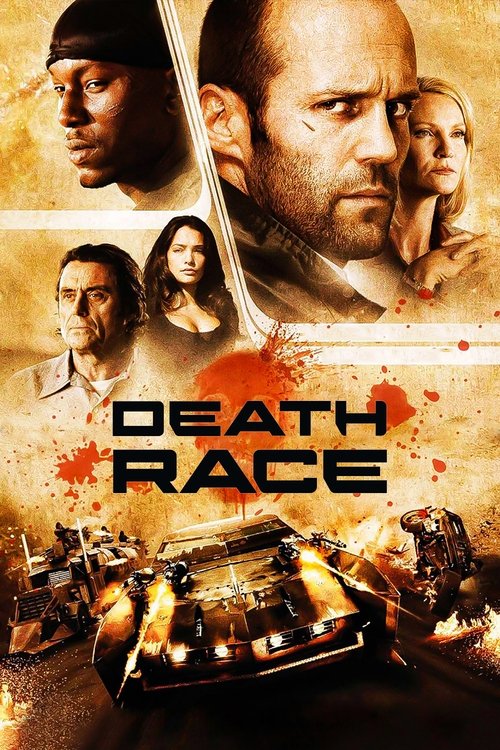
Death Race2008
Jason Statham in a dystopian action film where the car is both prison and weapon. It's pulp where Death Proof is precise, but both films understand that vehicular violence carries primal power—there's something about car-based threats that bypasses our rational brain.
But It's entirely forgettable. The film moves competently but without the wit or vision that makes Death Proof memorable—it's content without conviction.
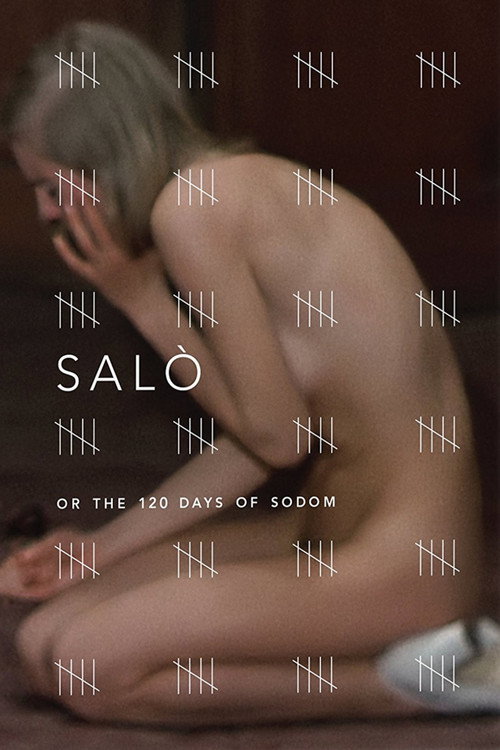
Salò, or the 120 Days of Sodom1976
Both films are interested in how viewers become complicit in witnessing victimization. Pasolini forces us to confront our own appetite for spectacle; Tarantino invites us to cheer for the victims to turn the tables. They're inversions of each other.
Pasolini's most controversial film repurposes 120 Days of Sodom as political allegory: fascism as systematic degradation. Like Death Proof, it refuses to look away from violence against the vulnerable, but it does so not for entertainment but as moral indictment. Unbearable and necessary.
But It is graphically violent and sexual in ways designed to sicken rather than excite. This is not entertainment—it is provocation. Many viewers will find it unwatchable, and you should trust that instinct if violence and humiliation disturb you deeply.
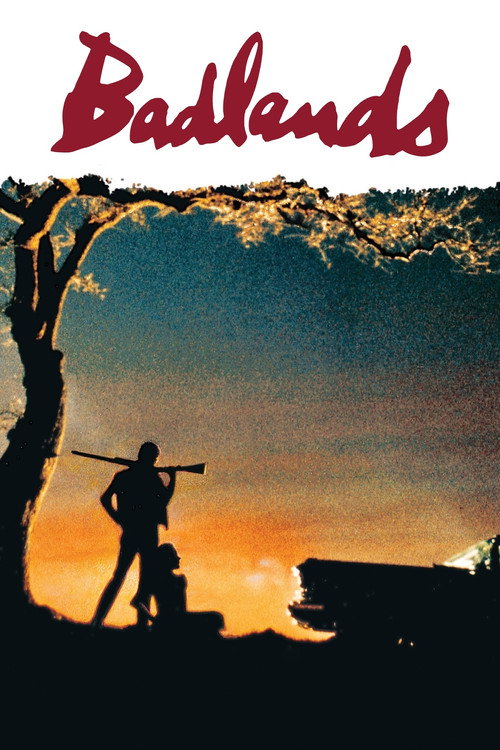
Badlands1973
Both films center on charismatic predators (Warren Beatty's lovers, Russell's driver) and ask what draws us to them despite knowing better. Death Proof answers by making the predator pay; Badlands answers by suggesting he never really had to.
Malick's debut follows two young killers on the run through Nebraska. It's lyrically beautiful and morally unconcerned—a film about violence that never moralizes about it. Like Death Proof, it's interested in predation and transgression, but it approaches them with poetic distance rather than genre fuel.
But The film moves at dreamlike pace and privileges mood over plot. Malick's voiceover can feel precious, and patience with his particular vision of American violence is not universal.
People
Cast
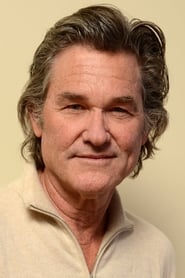 Kurt RussellStuntman Mike
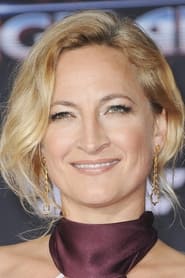 Zoë BellZoë Bell
 Rosario DawsonAbernathy
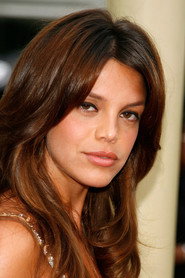 Vanessa FerlitoArlene
 Sydney Tamiia PoitierJungle Julia
 Tracie ThomsKim
 Rose McGowanPam
 Jordan LaddShanna

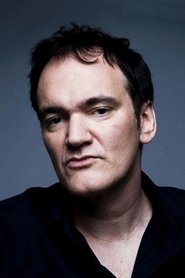 Quentin TarantinoWarren
 Marcy HarriellMarcy
 Eli RothDov
Directing
- Quentin TarantinoDirector
- Brian BettwyFirst Assistant Director
- Martin KitrosserScript Supervisor
- Pam FullerScript Supervisor
- David RimerSecond Assistant Director
- Susan JassoSecond Second Assistant Director
Writing
- Quentin TarantinoScreenplay
Production
- Barbara HarrisADR Voice Casting
- Jennifer MosleyAssistant Production Coordinator
- Selena CarrilloAssistant Production Coordinator
- Todd GreenAssistant Production Coordinator
- Mary VernieuCasting
- J.C. CantuCasting Associate
- Bob WeinsteinExecutive Producer
- Harvey WeinsteinExecutive Producer
- Shannon McIntoshExecutive Producer
- Beth SepkoExtras Casting
- Amanda CurryFirst Assistant Accountant
- Cheri JacobsFirst Assistant Accountant
- Travis CarrKey Set Production Assistant
- Kyle KaufmanLocation Manager
- Logan CooperLocation Manager
- Steve WhiteLocation Manager
- Elizabeth AvellanProducer
- Erica SteinbergProducer
- Quentin TarantinoProducer
- Robert RodriguezProducer
- Matthew K. GrigsbyProduction Accountant
- Mike RevellProduction Accountant
- Adam PicchiettiProduction Assistant
- Barbara ChennaultProduction Assistant
- Denny RubianesProduction Assistant
- Greg UrichProduction Assistant
- Rob DaFoeProduction Assistant
- Cynthia StreitProduction Coordinator
- Tracey LandonProduction Supervisor
Recommended by
Kill Bill: Vol. 1, Thelma & Louise, The Car, Death Race 2000, Not Quite Hollywood, Kill Bill: Vol. 2, Vanishing Point, C'était un rendez-vous, The Racers, The Fast and the Furious: Tokyo Drift, Initial D, Nitro Circus: The Movie, Motorway, Reform School Girls, Dirty Mary Crazy Larry, Drive Hard, Yahşi Batı, The Race, Pacific Blue, Crime Wave