
Film
The Racers
A 1955 racing melodrama where Kirk Douglas plays an Italian driver clawing his way up through Grand Prix circuits toward Le Mans, dragging romance and ambition behind him like a poorly secured load. It's a handsomely shot film about want and danger that moves at the speed of its protagonist's obsession. Perfect for fans of mid-century male hunger and the specific texture of European racing culture before it became a corporate machine.
Should you watch it?
Watch it if you enjoy 1950s racing films where a driver's romance and his ambition pull against each other, and you don't mind melodrama worn openly.
Skip it if the romance is written in broad, old-fashioned strokes, and if you want racing with grit and little sentiment, the emotional swings may feel heavy-handed.
What it asks of you: Settle in for a brisk 88 minutes with little slack; it moves quickly between the track and the romance, and it expects you to accept big feelings at full volume.
Not sure? Find tonight's pick in a minute.
If you liked this
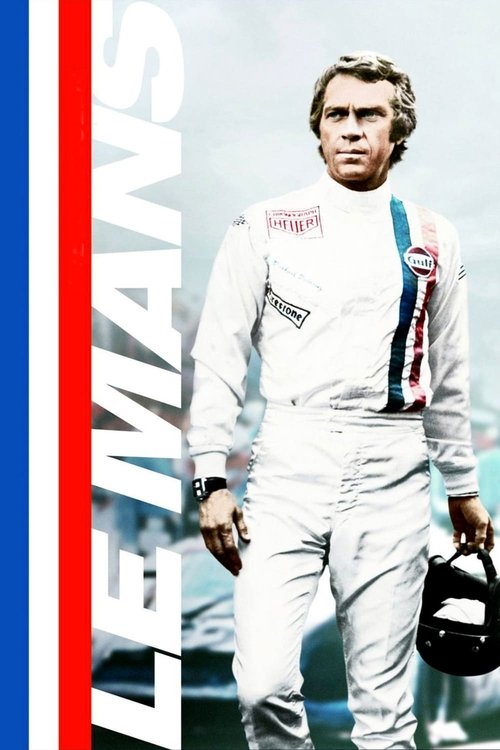
Le Mans1971
Steve McQueen and John Frankenheimer turn the actual 24-hour race into a near-silent meditation on speed, focus and the gap between man and machine. The racing footage is hypnotic and real.
But It's deliberately paced and sparse on plot; if you need character development and dialogue, this will frustrate you. Some find it tedious.
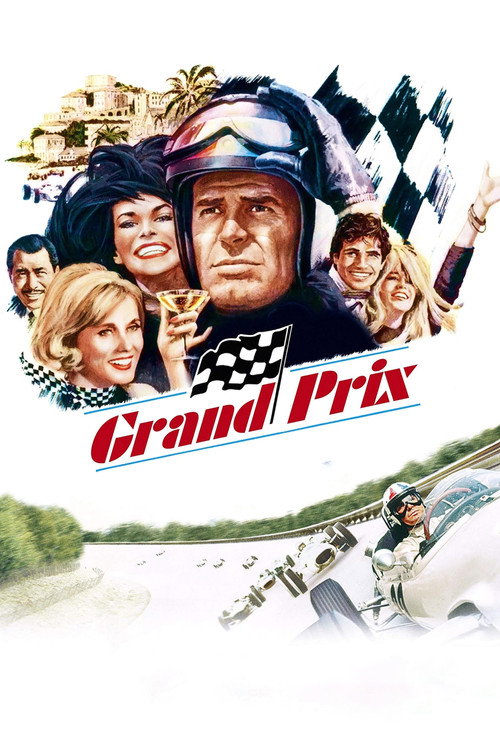
Grand Prix1966
James Garner navigates the 1960s F1 circuit through Monaco, Monte Carlo, Belgium and Japan. It's glamorous, tense, and packed with real racing sequences shot during actual events. A feast for petrolheads.
But The romantic subplots outstay their welcome, and it's nearly three hours of soap opera wrapped around the good bits. Ageing somewhat in the dialogue department.
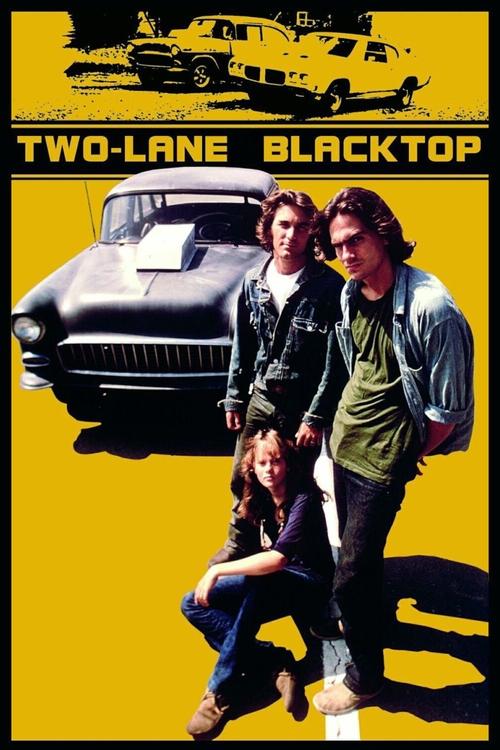
Two-Lane Blacktop1971
A stripped-down road movie about obsession and masculine drift, told through the grammar of car culture. It's hypnotic, strange and beautifully made, with almost no plot and all atmosphere.
But It's a slow burn that requires patience and won't reward you with conventional narrative satisfaction. Some viewers find it oblique to the point of alienation.
Not sure tonight? Get a pick in a minute, starting from The Racers
The wildcard
Something you would not have found on your own.
Contempt1963
Both films use a male-coded domain—racing, filmmaking—as the setting for a man's inability to love anything as much as his ambition. Both watch obsession corrode everything it touches.
Godard's film within a film uses the machinery of cinema (and the ego of a male director) the way The Racers uses racing—as a metaphor for artistic obsession eating a relationship from inside. Brigitte Bardot is extraordinary. It's about the same hunger, refracted through art instead of speed.
But It's glacially paced Godard, which means long takes, philosophical digression and almost no conventional plot. If you need things to happen, this will bore you rigid.

More like this (8)
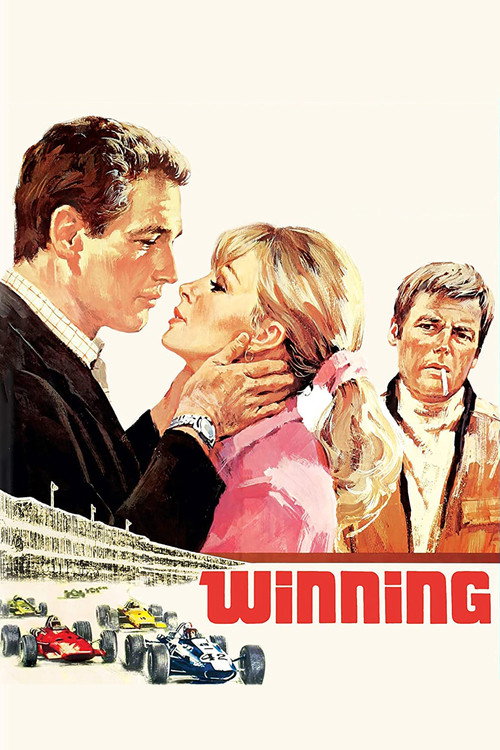
Winning1969
Paul Newman as an Indianapolis 500 driver caught between ambition, marriage and the pull of the track. Competent, engaging, and Newman is incandescent. A solid crowd-pleaser that doesn't insult the audience.
But It's a familiar sports-drama template executed well but without surprises. The emotional beats land where you expect them to land.
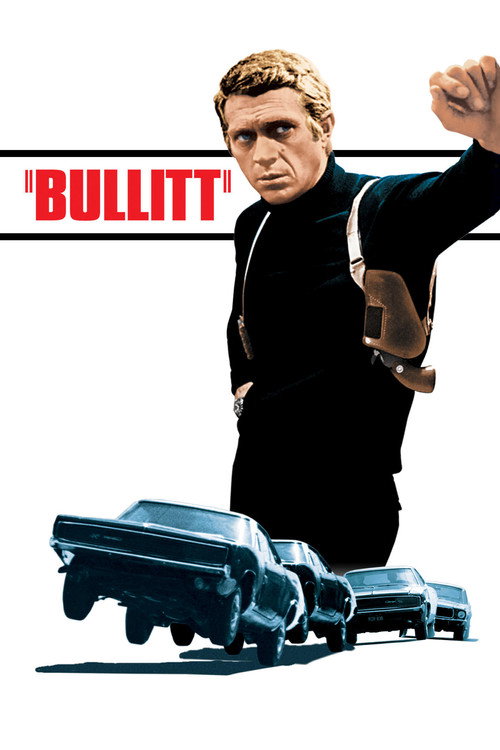
Bullitt1968
Steve McQueen in San Francisco, chasing corruption and truth. The car chase is legendary for a reason—kinetic, visceral, the sound design alone is thrilling. McQueen barely acts; he just is.
But The plot is thinner than you'd hope and the pacing occasionally drags between set pieces. It's more about texture and star power than narrative propulsion.
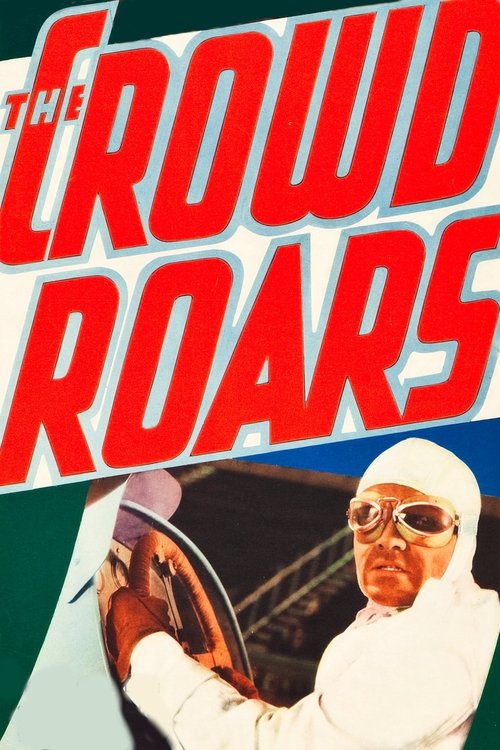
The Crowd Roars1932
James Cagney as a racing driver in the pre-war speedway era. It's brash, fast-talking, and captures the reckless glamour of early motorsport culture with genuine electricity. A real artifact.
But It's 80 years old and the dialogue can feel theatrical. The romantic subplot is perfunctory and the pacing is uneven by modern standards.
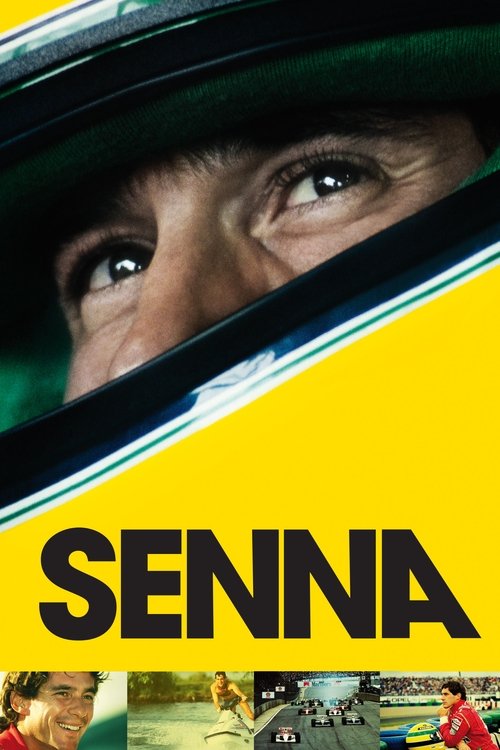
Senna2010
Asif Kapadia's documentary about Ayrton Senna uses archive footage to create something operatic—a portrait of obsession, rivalry, and the cost of excellence. It's thrilling even if you don't care about F1.
But It's emotionally punishing and the ending is known if you've followed racing at all. Some feel it romanticises a problematic figure.
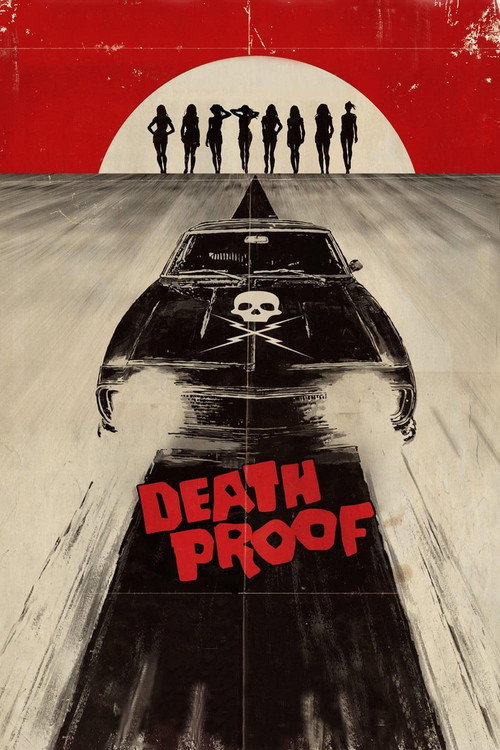
Death Proof2007
Tarantino's film treats cars and driving as an extension of male ego and violence. It's dialogue-heavy and strange, but the car sequences are genuinely transgressive and the girls-talking-back finale is cathartic.
But It's deliberately paced for effect and can feel like a slow burn to nowhere. The casual sexism on display, even critiqued, will alienate many viewers.
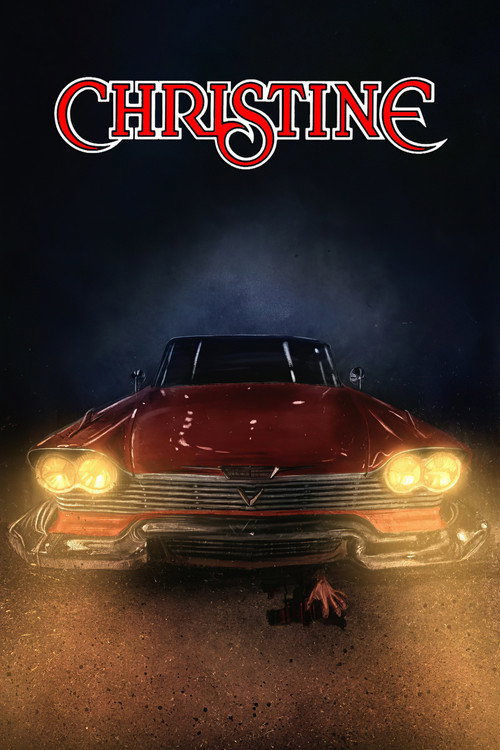
Christine1983
John Carpenter's film about a 1958 Plymouth that seduces a teenage boy. It's a horror film disguised as a car movie—sleek, bloody, genuinely unsettling. Perfect if you like your obsessions gothic and twisted.
But It's a B-movie at heart and the script relies on teenage-movie tropes that haven't aged well. The film's treatment of women is pretty grim.
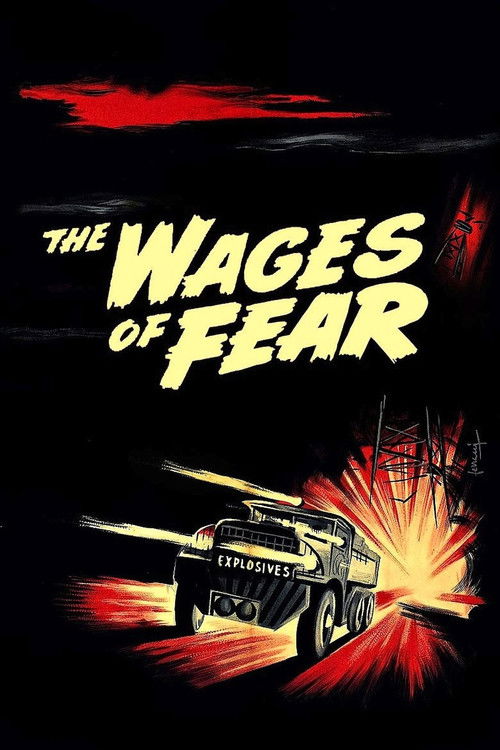
The Wages of Fear1953
Both are about men pushing vehicles and themselves past safe limits in pursuit of money, status or escape. Both understand that machinery and masculinity are inseparable, and that obsession is a form of self-destruction.
Clouzot's masterpiece about four men driving nitroglycerine through the South American jungle. It's suffocating, tense and built entirely on the physics of speed, danger and male pride grinding against circumstance. A genuine great film.
But It's nearly two and a half hours of mounting dread with no release. The worldview is bleak and the treatment of one character verges on sadistic. Some find it punishing.
Stalker1979
Both films understand that the journey—the drive, the pursuit, the obsession—matters more than the destination. Both use motion through space as a way to explore what men want and what wanting does to them.
Tarkovsky's science-fiction meditation on desire and the journey toward what we think we want. It's glacial, philosophical and shot in long takes through landscapes that seem to breathe. A man guides two others toward a mysterious room; the drive itself is everything.
But It's 163 minutes of philosophical inquiry with almost no plot. If you need action or conventional narrative, this is the opposite of that. It demands surrender.

People
Cast
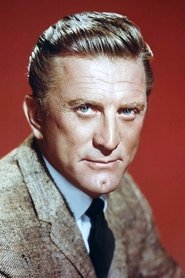 Kirk DouglasGino Borgesa
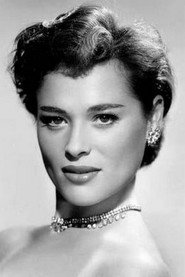 Bella DarviNicole
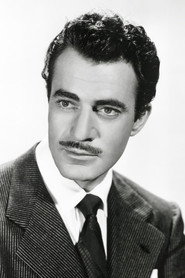 Gilbert RolandDell'Oro
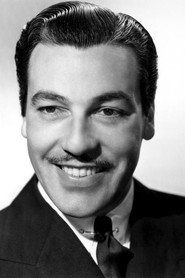 Cesar RomeroCarlos Chavez
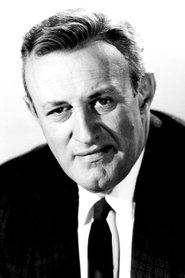 Lee J. CobbMaglio
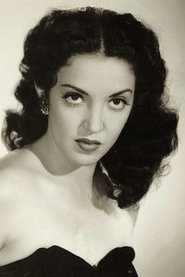 Katy JuradoMaria Chávez
- Charles GoldnerPiero
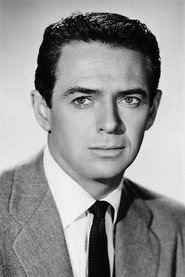 John HudsonMichel Caron
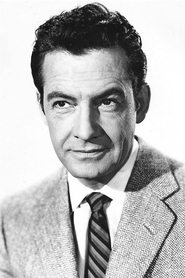 George DolenzCount Salem
- Agnès LauryToni
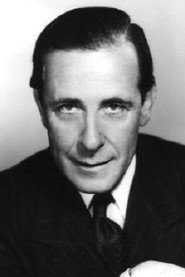 John WengrafDr. Tabor
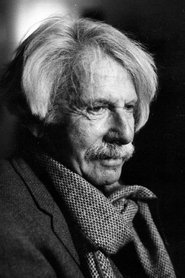 Norbert SchillerDehlgreen
Directing
- Henry WeinbergerAssistant Director
- Henry HathawayDirector
Writing
- Hans RueschNovel
- Charles KaufmanScreenplay
Production
- Julian BlausteinProducer