
Film
The Crowd Roars
A 1932 racing drama with James Cagney as a hotshot auto champion whose ego threatens everything he loves. Kinetic, masculine, and surprisingly intimate about family jealousy and pride. For anyone drawn to early sound cinema's raw energy or the peculiar tragedy of men who can't stop being themselves.
Should you watch it?
Watch it if you enjoy old-school melodrama where a brotherly rivalry carries as much charge as the racing, and you're happy with the rough edges of an early sound picture.
Skip it if the sentiment runs thick and the romance can feel like padding between race scenes, so modern pacing or restrained emotion may wear on you.
What it asks of you: Expect a lean 85 minutes that moves quickly between the track and the hometown, with the emotional register kept loud and earnest rather than subtle.
Not sure? Find tonight's pick in a minute.
If you liked this
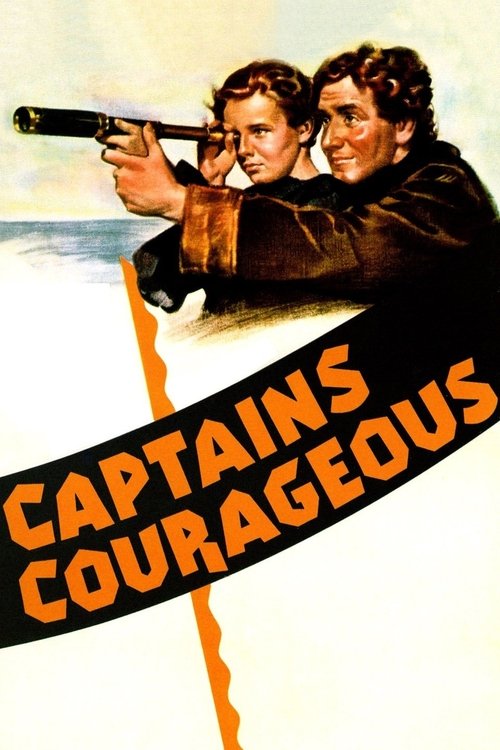
Captains Courageous1937
Spencer Tracy as a brutal fishing captain who mentors a spoiled boy. Rawer and less sentimental than you'd expect, with the same theme of a flawed mentor destroying what he tries to build.
But The sentimental framing and some dated attitudes about "toughening up" kids may feel heavy-handed by modern standards.
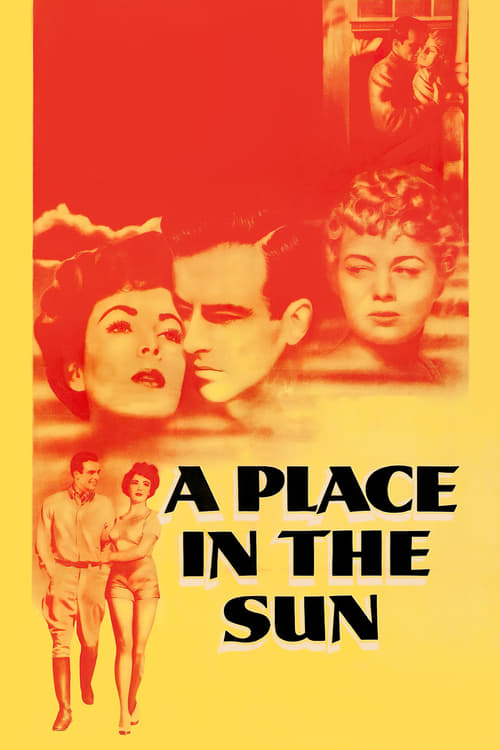
A Place in the Sun1951
Montgomery Clift as a working man destroyed by ambition and class desire. Same moral engine as Cagney's Joe—a man who wants everything and ends up with nothing, and you can't look away.
But It's slow and deliberate in places, and the ending lands harder than some viewers want from their evening.
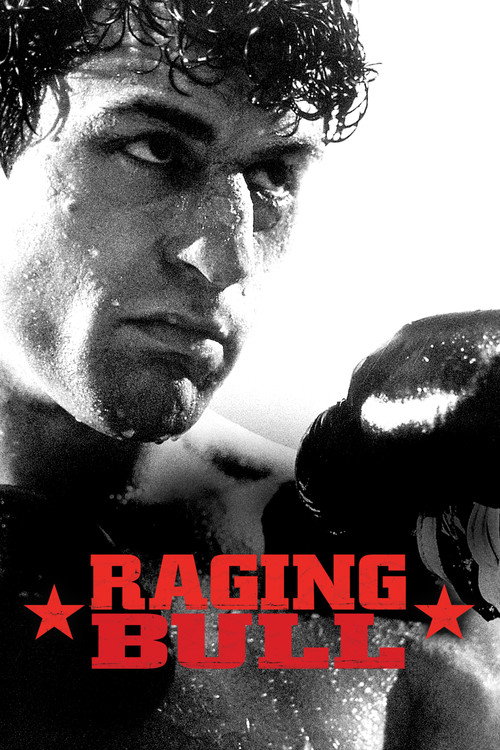
Raging Bull1980
Scorsese's portrait of Jake LaMotta, a champion boxer who sabotages his own life through jealousy and rage. Spiritual descendant of Cagney's Joe, just in black and white and far more brutal.
But It's punishing to watch. The violence is graphic, and Jake is genuinely difficult company for two hours.
Not sure tonight? Get a pick in a minute, starting from The Crowd Roars
The wildcard
Something you would not have found on your own.
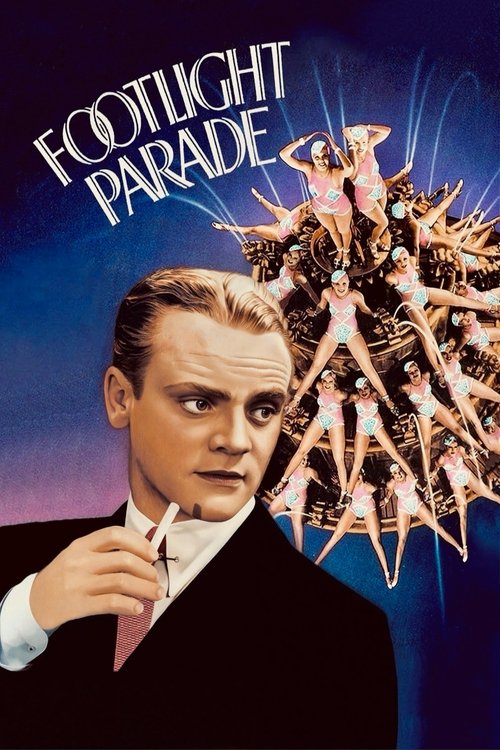
Footlight Parade1933
Same lead actor playing the inverse: not the jealous brother but the jealous mentor, and discovering that ambition wrecks you whether you're in a racetrack or on a soundstage.
James Cagney one year later, now in a musical, still playing a driven man sabotaged by his own ego and competitiveness. Same actor, same moral problem, but sung and danced—a startling contrast that illuminates what makes the character work.
But If you don't like 1930s production numbers, long stretches will feel indulgent rather than delightful.
More like this (8)
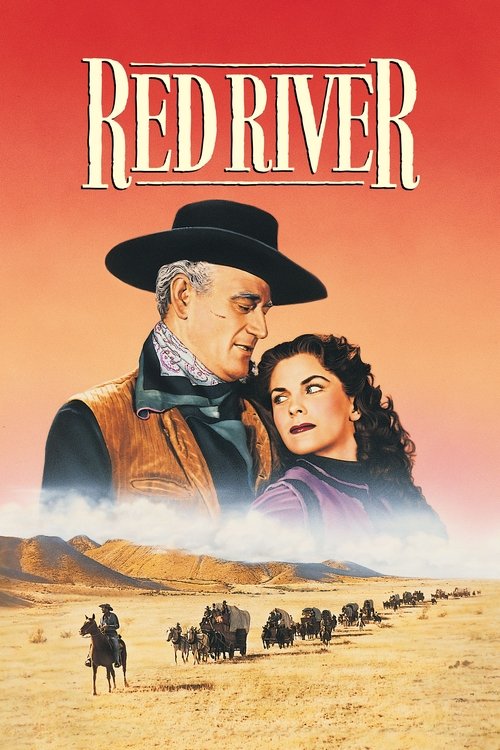
Red River1948
John Wayne as a cattle baron whose obsession with control costs him his son and his humanity. Western-scale version of the same family tragedy, with Wayne proving he could be genuinely menacing.
But It's long, and the climax relies on a resolution that feels abrupt if you're not invested in the emotional stakes.
The Killers1946
Burt Lancaster's dead boxer unravels through flashback. Like Joe Greer, a man who burned bright and fast; here we see all the wreckage at once, and it's hypnotic.
But The non-linear structure can feel confusing on first viewing, and it's noir-dark in ways that don't let up.

Champion1949
Kirk Douglas as a boxer who climbs on the backs of everyone he knows. Direct spiritual successor to Joe Greer's trajectory—the same ruthlessness, the same price.
But Douglas's character is almost unredeemably selfish, which some find exhausting rather than compelling.
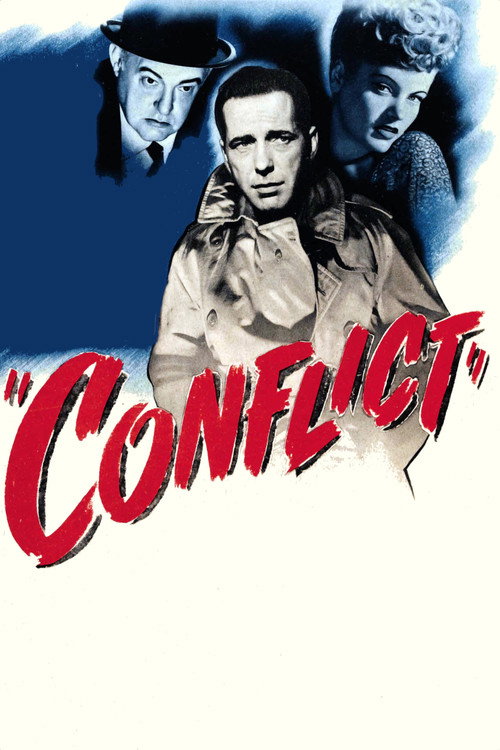
Conflict1945
Humphrey Bogart in a rare dramatic role as a man whose jealousy of his brother spirals into darkness. Direct echo of the Cagney-Linden dynamic, but twisted darker.
But It's more thriller than character study, and the psychology doesn't always feel convincing by today's standards.
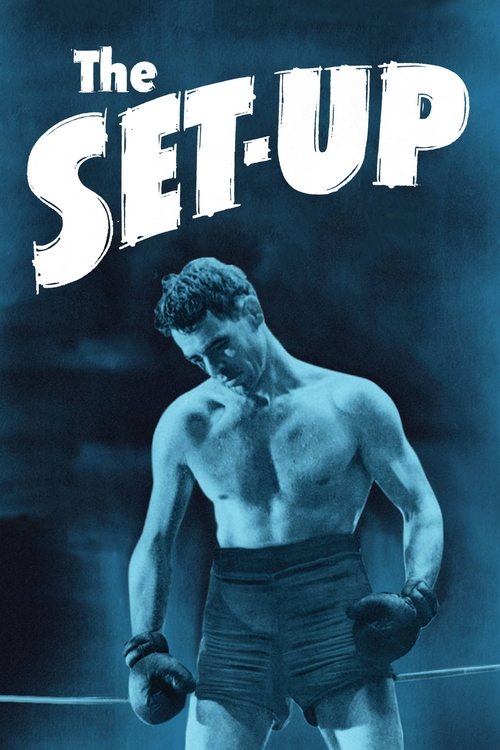
The Set-Up1949
Robert Ryan as a boxer past his prime, fighting one last time. Lean, brutal, real—the companion piece to Joe Greer's story, just at the other end of the career arc.
But It's bleak and offers no comfort, which works for some viewers and alienates others.
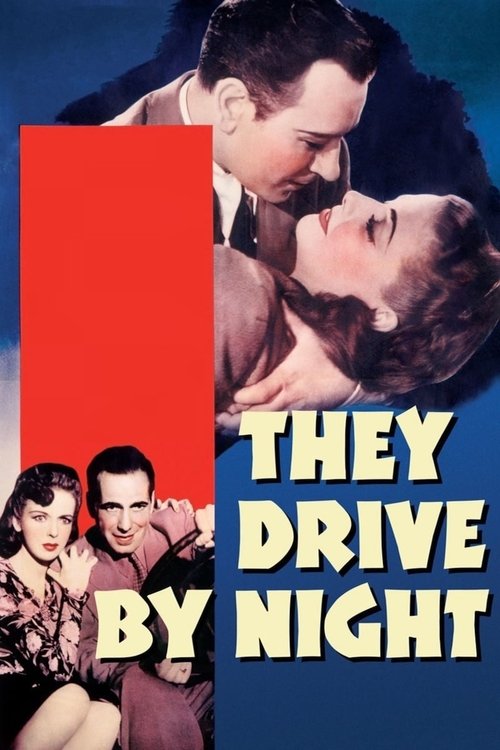
They Drive by Night1940
Cagney again, this time as a truck driver. Less intense than Joe Greer, but the same restless energy and the same inability to know when to quit.
But It's lighter and less focused, and some plot elements feel like the script ran out of ideas midway.
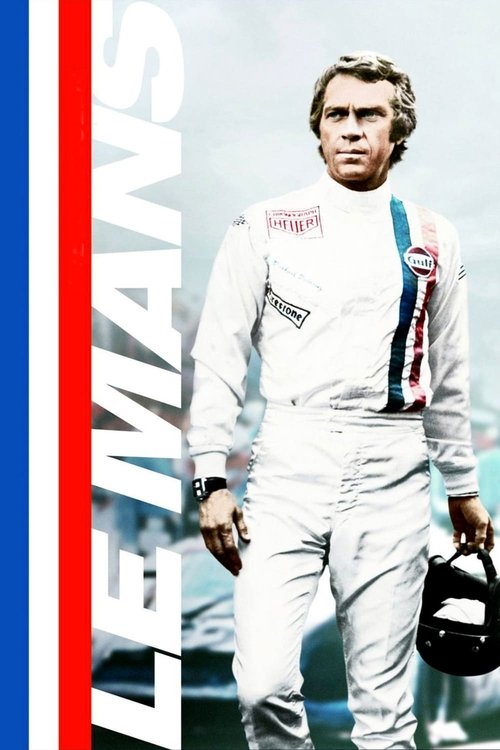
Le Mans1971
Same setting and obsession, but stripped to pure cinema—what if The Crowd Roars ditched character conflict and just watched a man race toward something he can't name?
Steve McQueen at a 24-hour race, almost no dialogue, mostly just the sound of engines and the obsession written on a man's face. Updates Joe Greer to the 1970s without sentimentality—all visual storytelling and masculine quiet.
But Some find it unbearably slow; it's not a plot film, it's a mood and a sound design.
Tokyo Story1953
Both understand that the real tragedy is not failure but the refusal to admit failure, and that family is the place where pride costs the most.
Ozu's portrait of an aging couple visiting their son, and the quiet damage between them. A completely different register—Japanese, minimal, about aging rather than youth—but with the same aching understanding that love and pride are the same knot we tie ourselves into.
But It moves at a glacial pace and asks patience that many viewers won't give it. The emotional payoff is tiny and internal.

People
Cast
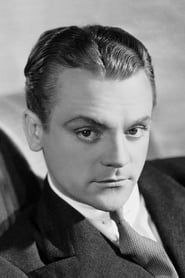 James CagneyJoe Greer
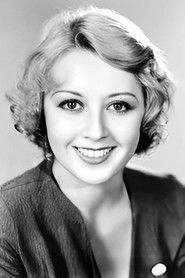 Joan BlondellAnne Scott
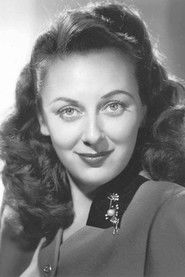 Ann DvorakLee Merrick
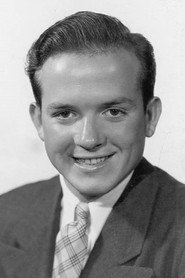 Eric LindenEdward 'Eddie' Greer
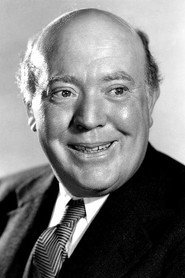 Guy KibbeePop Greer
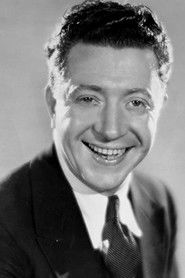 Frank McHughSpud Connors
- Leo NomisJim
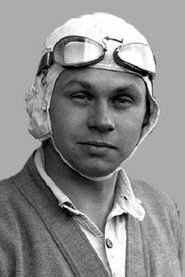 Billy ArnoldSelf
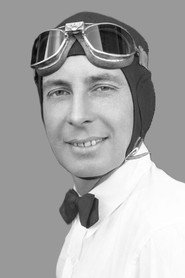 Fred FrameSelf
- Ralph HepburnSelf
- Wilbur ShawSelf
- Shorty CantlonSelf
Directing
- Richard RossonAssistant Director
- Howard HawksDirector
Writing
- Howard HawksScreenplay
- John BrightScreenplay
- Kubec GlasmonScreenplay
- Niven BuschScreenplay
- Seton I. MillerScreenplay
- Howard HawksScreenstory
- Howard HawksStory
Recommended by
Days of Thunder, The Racers, 200 Motels, The Prizefighter and the Lady, The Eagle and the Hawk, The Man I Love, Ceiling Zero