
Film
The Eagle and the Hawk
A WWI pilot film that strips away the romance of aerial combat to expose its psychological toll. Fredric March and Cary Grant anchor a lean, brutal look at how war corrodes the mind as surely as bullets corrode flesh. It's a serious thing—tense, sometimes bleak, made for anyone who wants to see how Hollywood tackled trauma when it was still a fresh wound.
If you liked this
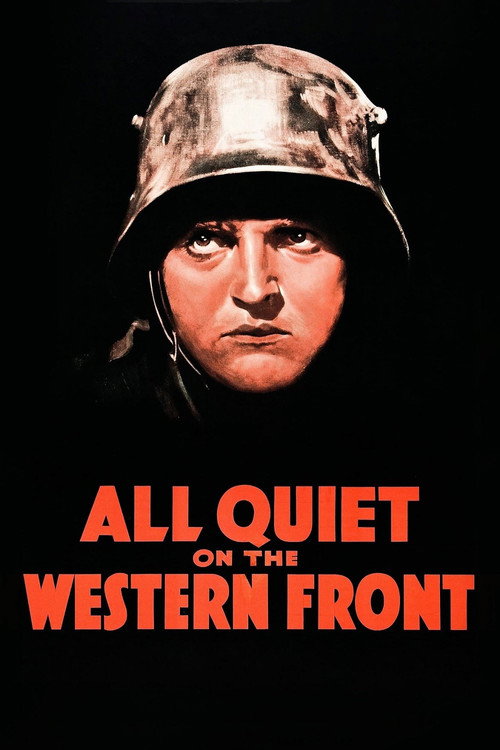
All Quiet on the Western Front1930
The definitive anti-war statement of the era, equally committed to showing the grinding horror of trench warfare and the way it hollows out young men. A masterpiece that shares *Eagle and the Hawk*'s moral clarity.
But Nearly three hours and unrelentingly grim. No comfort, no redemptive arc—just the steady documentation of loss.
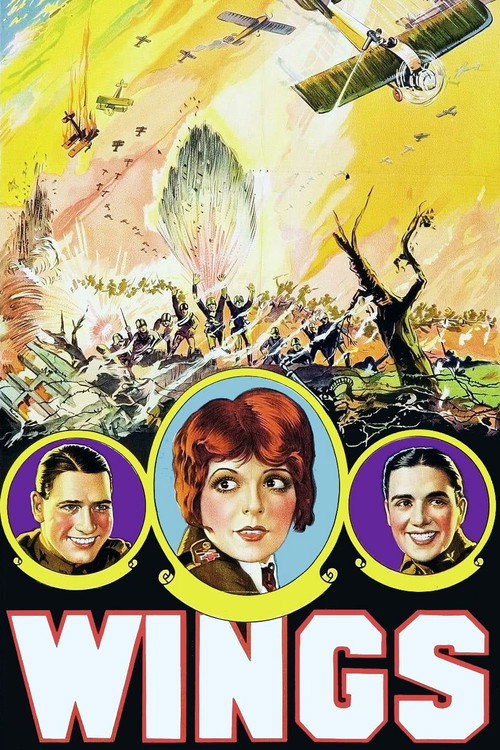
Wings1927
The aerial combat film that likely inspired this one. Staggeringly beautiful flying sequences matched with genuine emotional stakes and a willingness to show what happens to pilots who can't keep flying.
But A silent film—pacing and acting conventions will feel distant unless you're already comfortable with the form.
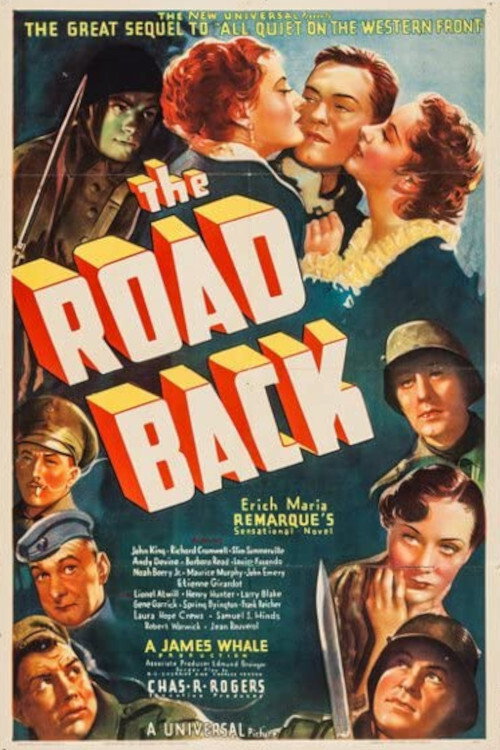
The Road Back1937
Follows soldiers returning home after WWI, wrestling with civilian life they no longer fit into. Same moral register as *Eagle and the Hawk*: war wounds the living, not just kills them.
But Slower than you'd expect for a war film. The real conflict is internal, which some find less engaging than combat.
Not sure tonight? Get a pick in a minute, starting from The Eagle and the Hawk
The wildcard
Something you would not have found on your own.
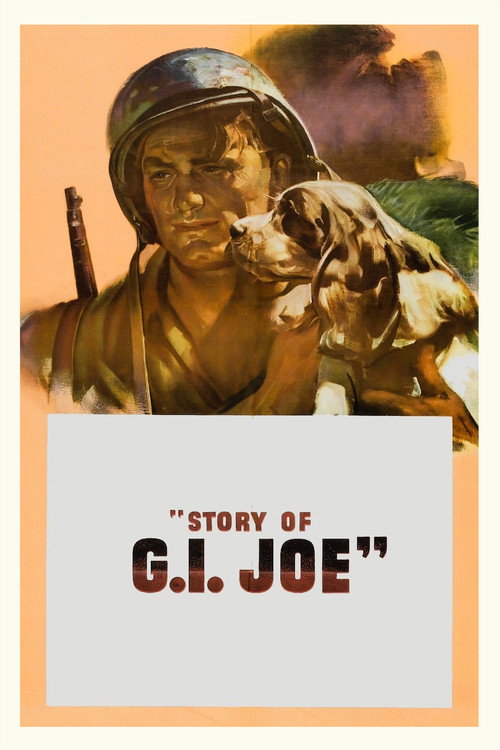
Story of G.I. Joe1945
Both strip sentimentality from combat and insist on showing psychological cost. But where *Eagle and the Hawk* is drama, *G.I. Joe* is evidence.
A documentary about the actual experience of war, shot partly in real combat zones with non-actors alongside Burgess Meredith. Where *Eagle and the Hawk* dramatizes trauma, this one shows it with unsparing directness. Made during the war, for a public still fighting.
But Brutal and without narrative shape—it's a war film that refuses to be a film. If you want plot and character arcs, this will frustrate you.
More like this (8)
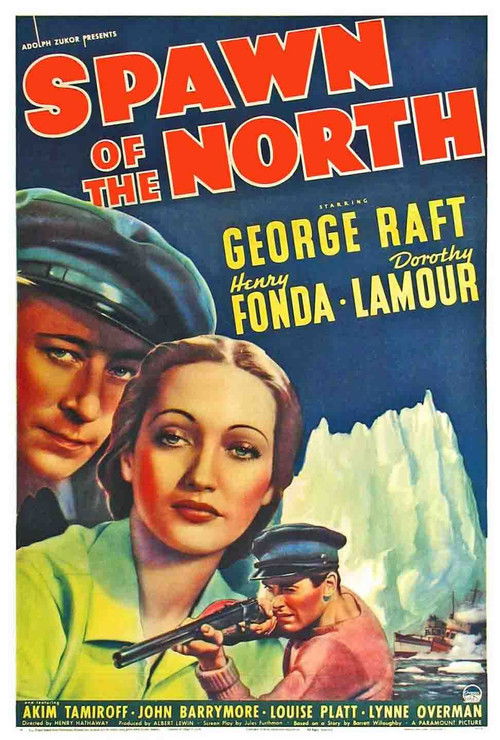
Spawn of the North1938
Henry King directed both this and *Eagle and the Hawk*—same eye for masculine camaraderie under pressure, this time in the Alaskan salmon trade. Different setting, same moral weight.
But The setup is fishermen vs. poachers, which feels slight compared to wartime stakes. Harder to care about the outcome.
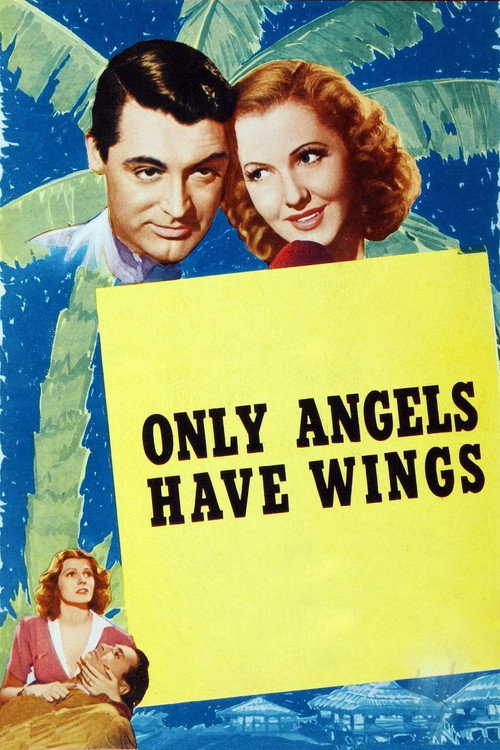
Only Angels Have Wings1939
Hawks' masterpiece about pilots flying dangerous mail routes. Captures that same brotherhood-under-fire atmosphere and the quiet acceptance of mortality that defines *Eagle and the Hawk*.
But More romantic subplot than you might want. The Cary Grant you get here is charming and light, not haunted.
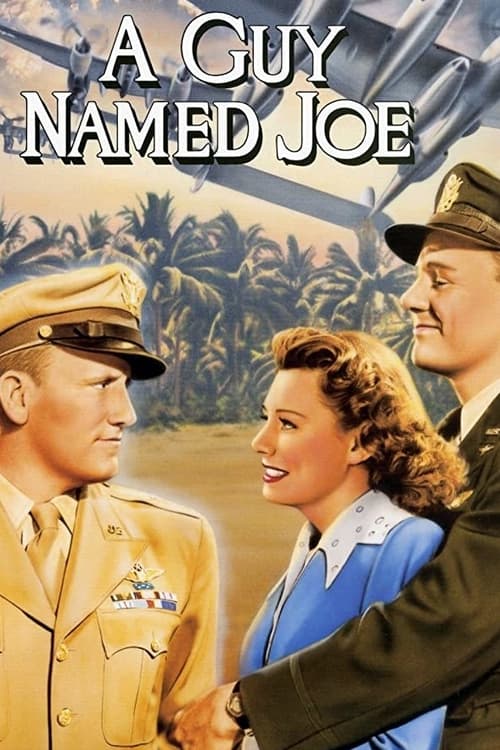
A Guy Named Joe1944
WWII flying film that dares to be sentimental about pilot friendships and sacrifice. Spencer Tracy and Van Johnson give it real weight—less cynical than *Eagle and the Hawk*, but equally moving.
But The fantasy elements will feel tacked-on and peculiar if you're not willing to meet it on its own terms.
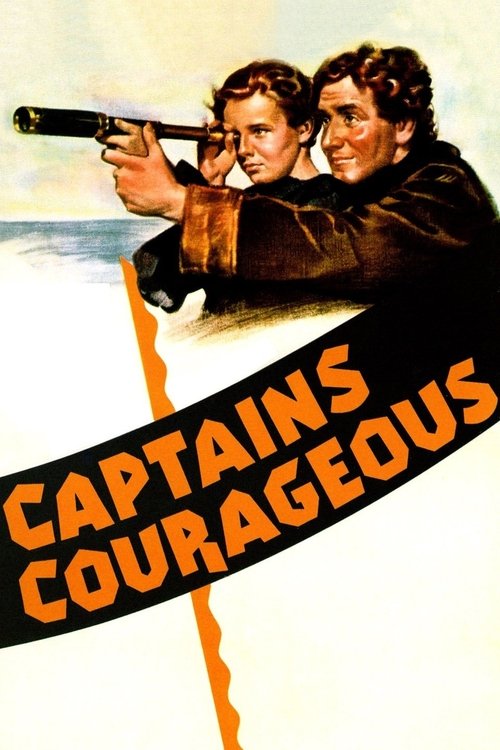
Captains Courageous1937
Spencer Tracy's transformation of a soft man into someone tempered by hardship. Not war, but same engine—exposure to danger and duty strips away the false self.
But It's ultimately a boy's adventure story that resolves neatly. Nothing like the unresolved trauma of *Eagle and the Hawk*.
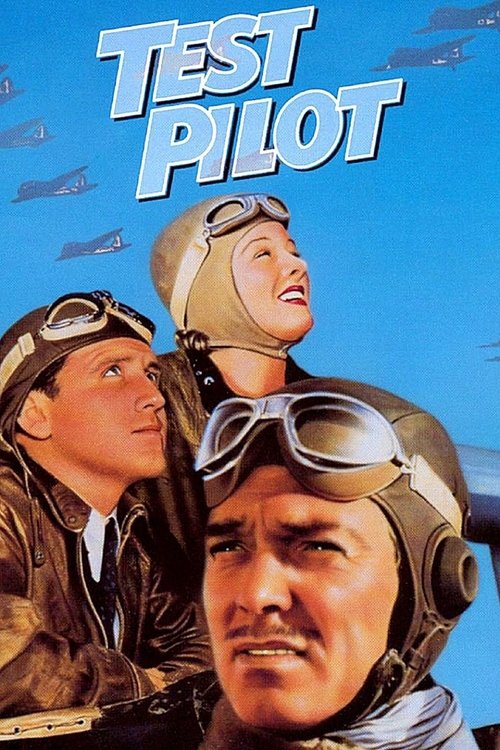
Test Pilot1938
Clark Gable, Spencer Tracy, Myrna Loy in a film about men risking death for progress. The stakes feel real, the camaraderie is genuine, and it asks what we owe each other when danger is part of the job.
But Melodrama creeps in, especially in the third act. Not as focused on psychological damage as *Eagle and the Hawk*.
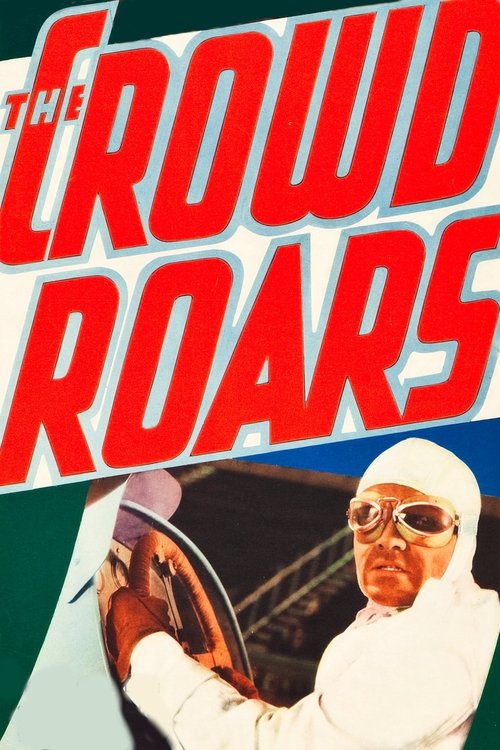
The Crowd Roars1932
James Cagney in a racing film that echoes *Eagle and the Hawk*'s exploration of masculinity, risk, and the way obsession corrodes relationships. Fast-paced and violent in spirit if not always in action.
But The plot mechanics feel creaky now. You have to be interested in racing films to carry you through slower stretches.
The Phantom Carriage1921
Both use shadow and light to visualize mental damage. Both understand that trauma doesn't resolve—it haunts. *Eagle and the Hawk* shows it in a pilot's eyes; *Phantom Carriage* shows it as literal ghosts.
A Swedish ghost film about a man haunted by his past, made years before *Eagle and the Hawk* but using the same visual language to explore trauma and guilt. Bergman was influenced by it. Hypnotic and strange, moving without ever being obvious.
But Silent, Swedish, and philosophically bleak. Not a comfort film. The pacing is slow and the style demands patience.

Come and See1985
Both films refuse to let you admire war or soldiers. Both show the specific moment when a person stops being a person and becomes a machine wearing skin. Different eras, same moral fury.
A Soviet film about a boy conscripted into WWII that makes *Eagle and the Hawk* look almost gentle. Unbearably direct about what war does to the human capacity for hope. A masterpiece, if you can endure it.
But Visually and emotionally punishing. The longest 142 minutes you'll spend. Not escapism, not entertainment—an ordeal that has to be chosen deliberately.

People
Cast
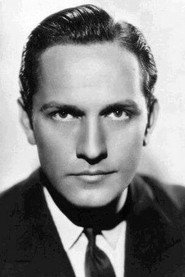 Fredric MarchJerry H. Young
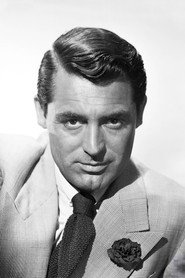 Cary GrantHenry Crocker
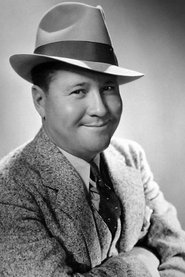 Jack OakieMike 'Slug' Richards
 Carole LombardThe Beautiful Lady
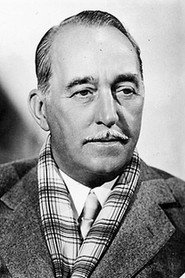 Guy StandingMajor Dunham
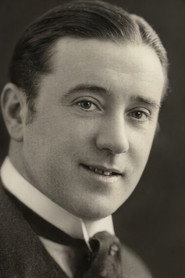 Forrester HarveyHogan
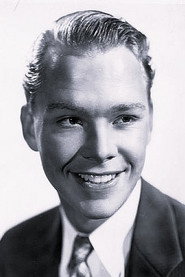 Kenneth HowellLt. John Stevens
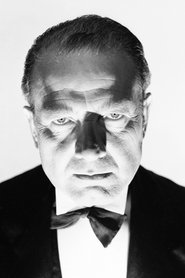 Leyland HodgsonLt. Kingsford
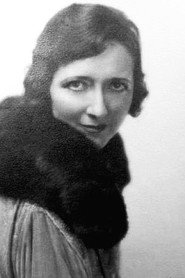 Virginia HammondLady Erskine
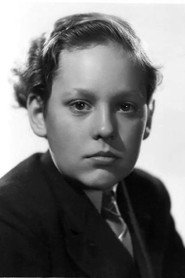 Douglas ScottTommy Erskine
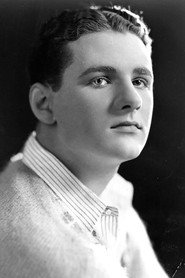 Robert SeiterArnold Voss
 Adrienne D'AmbricourtFifi 'Fanny'
Directing
- Edgar AndersonAssistant Director
- James DuganAssistant Director
- Mitchell LeisenAssistant Director
- O.C. Le BoutillierAssistant Director
- Tom WottonAssistant Director
- Stuart WalkerDirector
Writing
- John Monk SaundersStory
- Bogart RogersWriter
- Seton I. MillerWriter
Production
- Bayard VeillerProducer
- Sidney StreetProduction Manager