
Film
Spawn of the North
A 1938 adventure about Alaskan salmon fishermen caught between loyalty and survival, with Raft and Fonda carrying the weight of betrayal and redemption across frozen landscapes. It's a handsomely shot period piece that trades noir cynicism for honest sentiment—old-fashioned in the best way, built on male friendship tested beyond its limits.
If you liked this
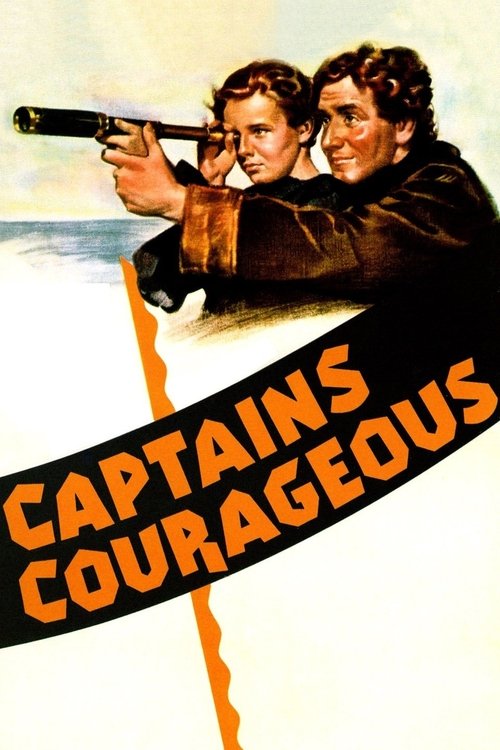
Captains Courageous1937
Another Raft-era adventure about men redeemed through shared hardship and the sea. Spencer Tracy carries a similar weight of regret, and the film has that same muscular sincerity about redemption through work and brotherhood.
But It's deeply sentimental by modern standards, and the plot depends on coincidences that feel engineered rather than earned. The pacing occasionally drags.
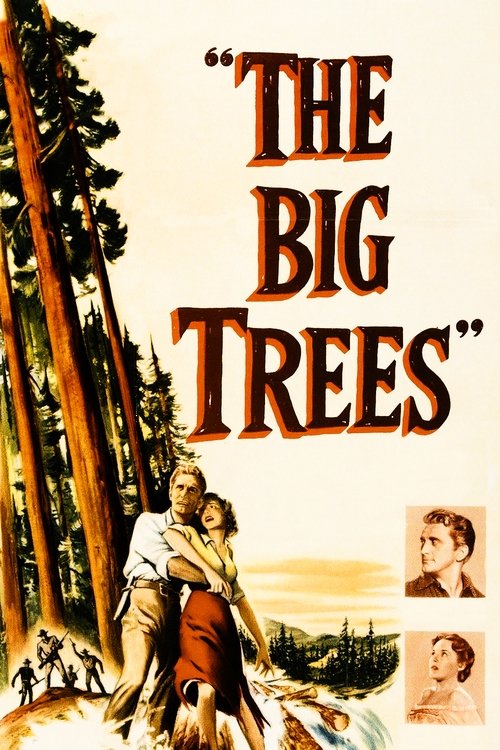
The Big Trees1952
Kirk Douglas and John Payne in a frontier conflict over natural resources, with the same bone-deep tension between friendship and opposing allegiances. Both men are torn between profit and principle in ways that hurt.
But The film's political messaging about land rights feels dated and preachy. It's also less visually accomplished than you'd hope.
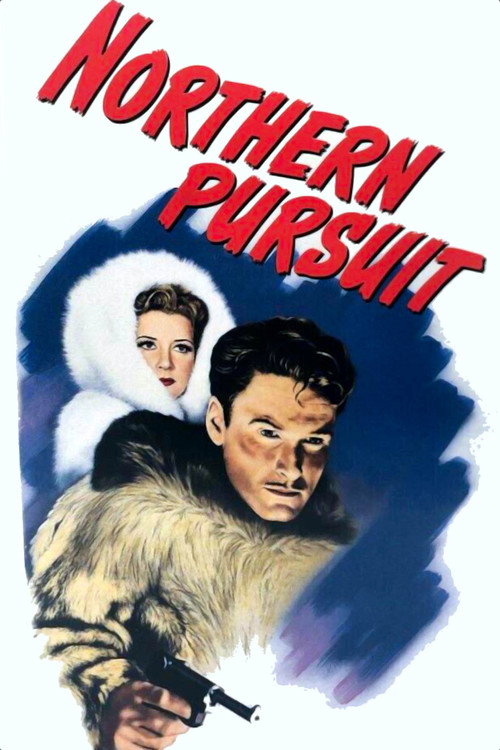
Northern Pursuit1943
Errol Flynn as an uneasy protagonist in Canada's frozen north, caught between duty and compassion. The setting shares Spawn's isolation, and the moral ambiguity of its central conflict has real teeth.
But It's a wartime propagandist piece, and the ideology shows. The script sometimes prioritizes message over character.
Not sure tonight? Get a pick in a minute, starting from Spawn of the North
The wildcard
Something you would not have found on your own.
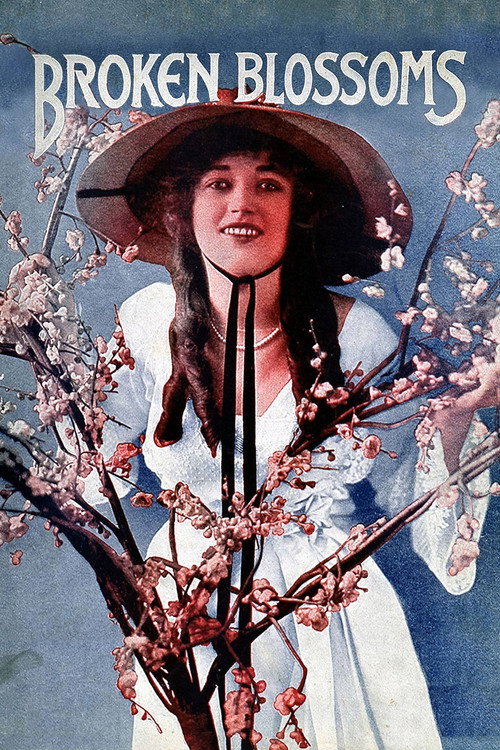
Broken Blossoms or The Yellow Man and the Girl1919
Both trace the cost of loyalty across social/ideological divides, with a central friendship that can't survive its contradictions.
D.W. Griffith's study of loyalty and sacrifice across impossible boundaries, built on the same architecture as Spawn: two men, opposing worlds, and a woman caught between them. But where Spawn is adventure, this is heartbreak—filmed as poetry rather than melodrama.
But It's a 1919 silent film, which means pacing expectations are radically different from any talking picture. Its handling of race and ethnicity is both progressive for its time and deeply uncomfortable now.
More like this (7)
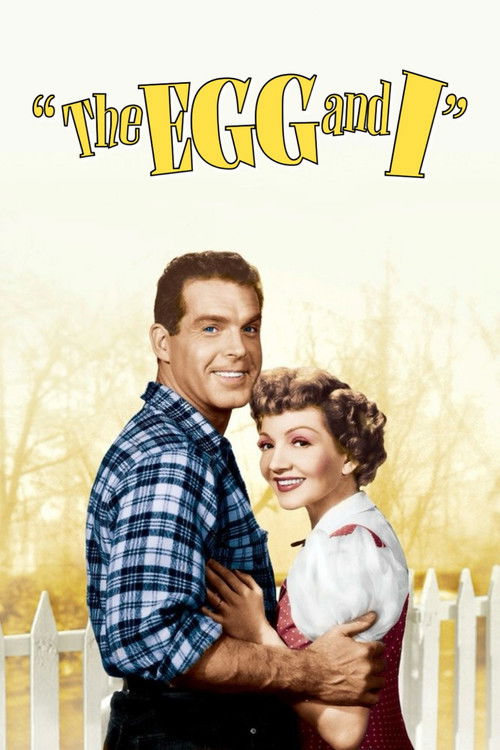
The Egg and I1947
Claudette Colbert and Fred MacMurray in a frontier marriage built on misunderstanding, with that same 1930s-40s honesty about incompatibility. It's funny without being cynical and warm without being soft.
But The comedy is genteel by design, which some will find dated rather than charming. The gender dynamics reflect its era uncomfortably.
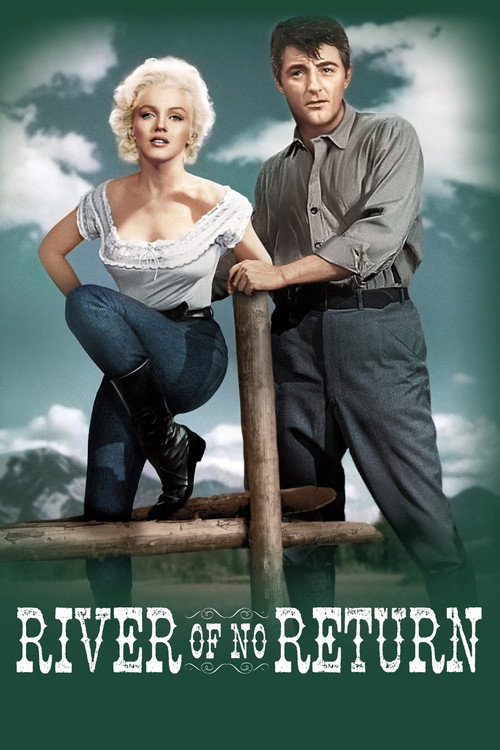
River of No Return1954
Mitchum and Marilyn Monroe on a raft through dangerous wilderness, forced into alliance. It has Spawn's combination of survival narrative and moral compromise, with real physical peril and emotional weight.
But The Cinemascope scenic beauty can feel like it's showing off. Marilyn's character is thin, and the film sometimes lets the landscape overshadow the human story.
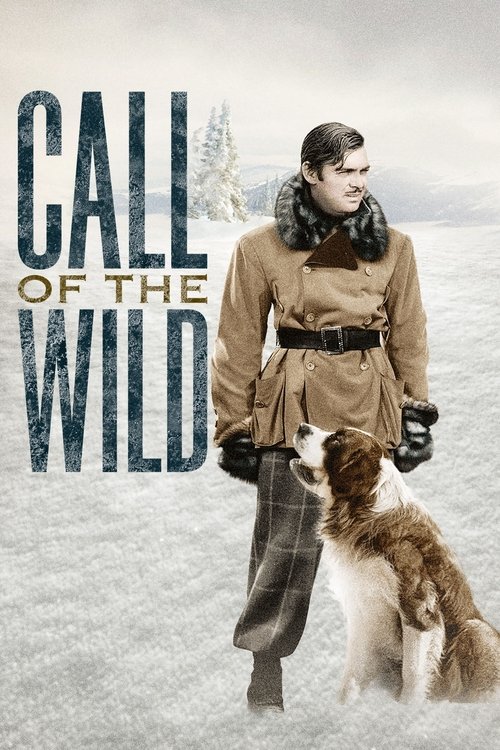
Call of the Wild1935
Clark Gable and Loretta Young in Alaska during a gold rush, with the same wilderness-tests-character architecture. It's a love story that doesn't overshadow the harshness of the setting.
But It's very much a product of 1935 Hollywood romance logic. The action sequences feel static compared to modern standards.
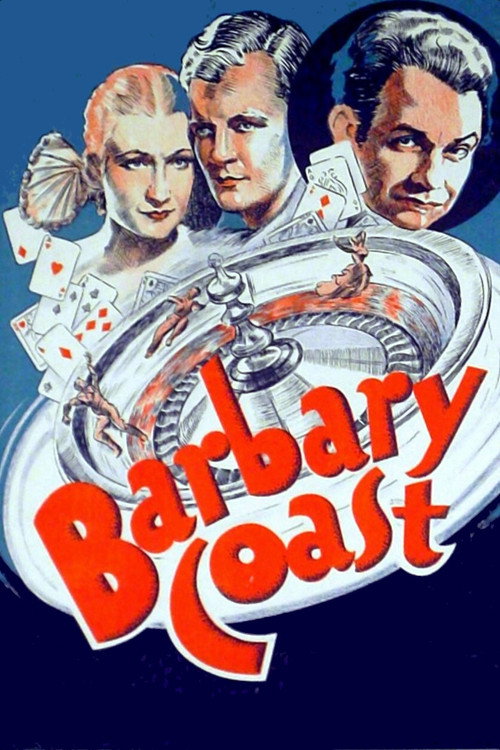
Barbary Coast1935
Edward G. Robinson and Joel McCrea in San Francisco's underworld, with duplicity, ambition, and friendship all tangled together. It has Spawn's grainy moral landscape and its refusal to make things simple.
But The female lead is underdeveloped, and the script's plotting occasionally sacrifices character for plot convenience. Pacing sags in the middle.
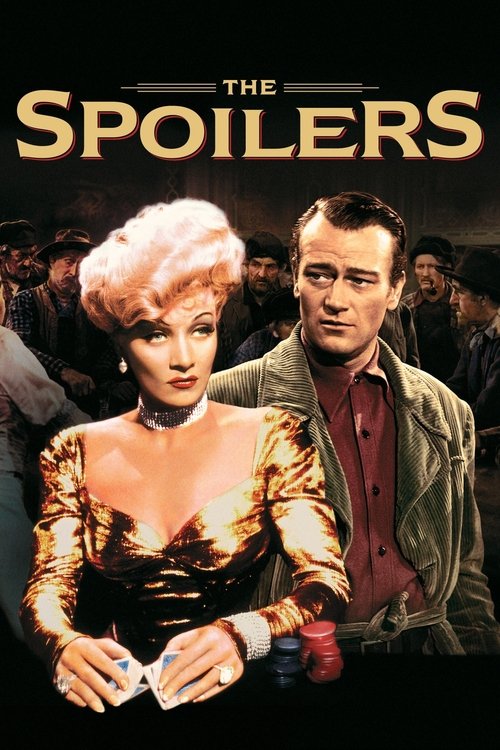
The Spoilers1942
Marlene Dietrich, John Wayne, and Randolph Scott in Alaska during a gold rush, with greed and loyalty at odds. It's adventure filmmaking that doesn't apologize for its pulp DNA while still treating its characters' choices seriously.
But It's more interested in spectacle than depth. Some of the dialogue is clunky, and the plot resolves via fistfight rather than character reckoning.
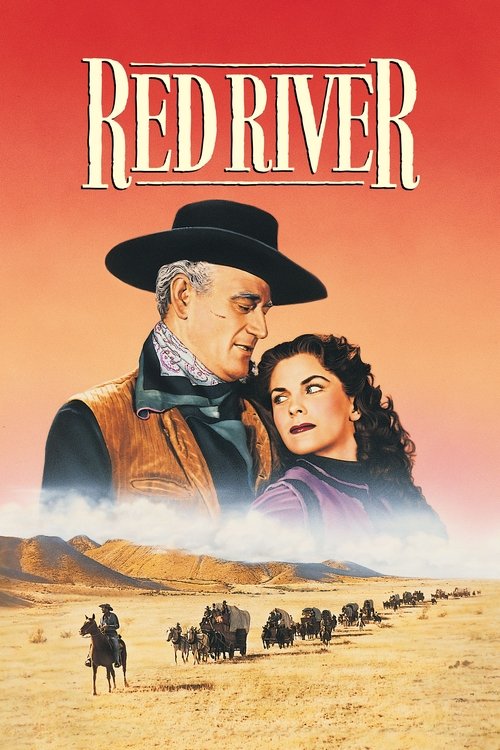
Red River1948
Both are fundamentally about how circumstances reveal who your friend really is, and whether that revelation is survivable.
Hawks' Western about two men (Wayne and Clift) on a cattle drive across impossible terrain, their bond deepening and then fracturing under pressure. It's the same engine—survival forces moral choices that destroy what made the survival worth attempting.
But It's a Western, not an adventure film, which some find a tired genre. The male focus is absolute; women are entirely secondary. It's also nearly two hours and structurally built like a play.
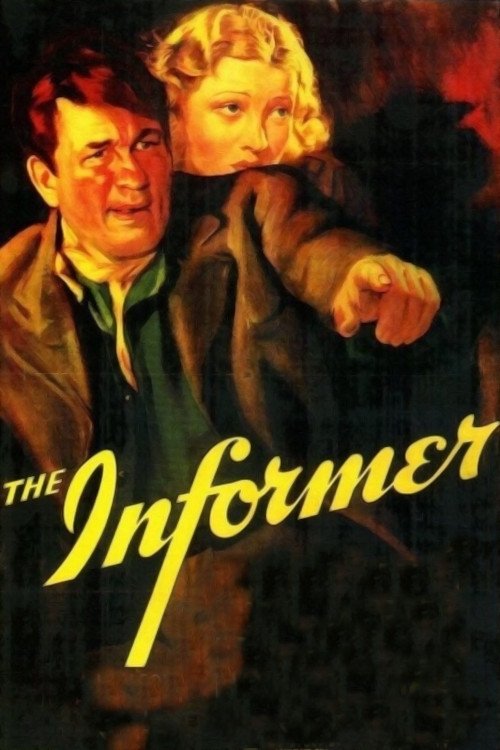
The Informer1935
Both use betrayal as a crucible—examining what friendship means when one person chooses against it, and what remains after.
John Ford's study of betrayal and its aftermath, following a man who informs on his friend for money. It's a moral tragedy, not an adventure, but it lives in the same universe of guilt, loyalty, and the question of whether redemption is possible after certain lines are crossed.
But It's deliberately a tragedy, which means there's no comfortable resolution. The expressionist style (shadow, fog, isolation) is powerful but can feel theatrical. Some find Ford's melancholy insufferable.
People
Cast
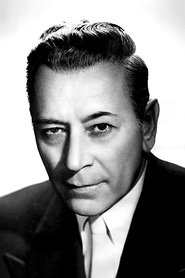 George RaftTyler Dawson
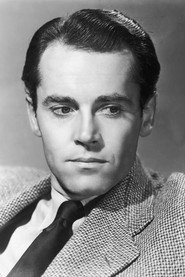 Henry FondaJim Kimmerlee
 Dorothy LamourNicky Duval
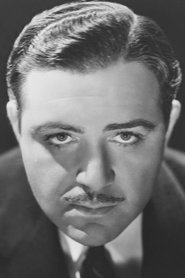 Akim TamiroffRed Skain
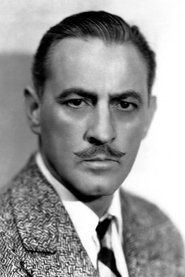 John BarrymoreWindy Turlon
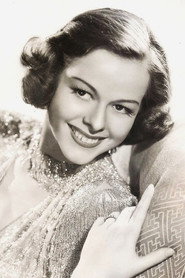 Louise PlattDian 'Di' Turlon
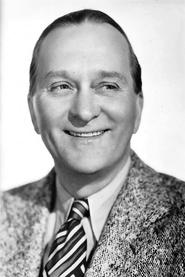 Lynne Overman'Jack' Jackson
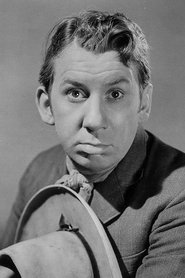 Fuzzy KnightLefty Jones
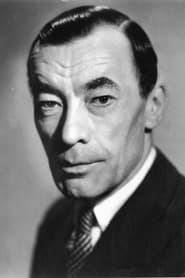 Vladimir SokoloffDimitri
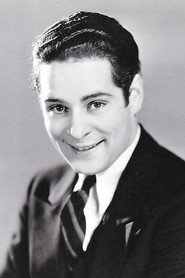 Duncan RenaldoIvan
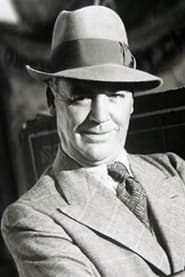 John WrayDr. Sparks
- Michio ItoIndian Dancer
Directing
- Henry HathawayDirector
Writing
- Frank LoesserLyricist
- Dale Van EveryScreenplay
- Jules FurthmanWriter
- Talbot JenningsWriter
Production
- Albert LewinProducer