
Film
The Road Back
- Drama
- Very dark
James Whale's 1937 adaptation of Remarque's anti-war novel follows German soldiers returning home after WWI to find their country collapsing into chaos, poverty and political violence. It's a bruising, unsentimental look at how war doesn't end when the fighting stops—it metastasizes into the fabric of ordinary life. For anyone who wants their war stories to acknowledge the rubble, not just the glory.
Should you watch it?
Watch it if you like wartime stories that linger on the aftermath, where ordinary men come home to a country falling apart and the moral damage shows up in small, quiet choices.
Skip it if you want a tight, fast plot or a clean moral line; this one drifts through its middle, and its bleakness rarely lifts for long.
What it asks of you: Give it a hundred minutes at a deliberate pace, in a grim tone that rarely brightens, with attention spent on crowds and conversations more than on one hero's arc.
Not sure? Find tonight's pick in a minute.
If you liked this
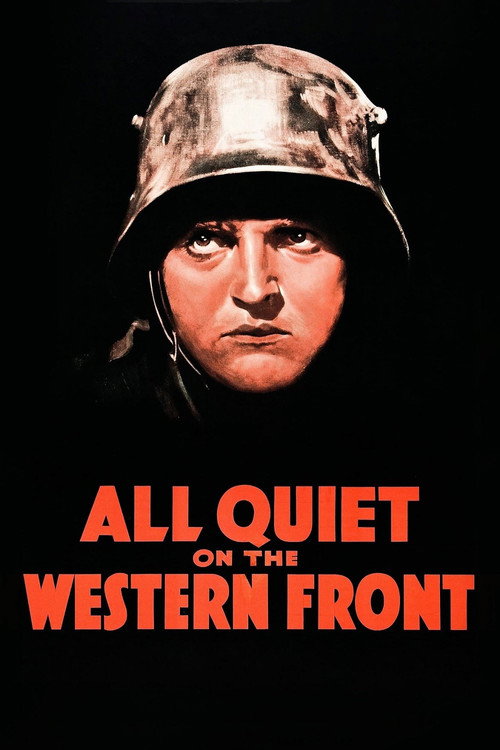
All Quiet on the Western Front1930
The film that defined how cinema could convey the industrial horror of trench warfare. Lewish Milestone's masterpiece shows you why Remarque's vision mattered—and why The Road Back had to exist as its companion.
But Deeply bleak and sometimes slow. If you want catharsis or a hero's arc, this isn't it. It ends where it begins: in mud.
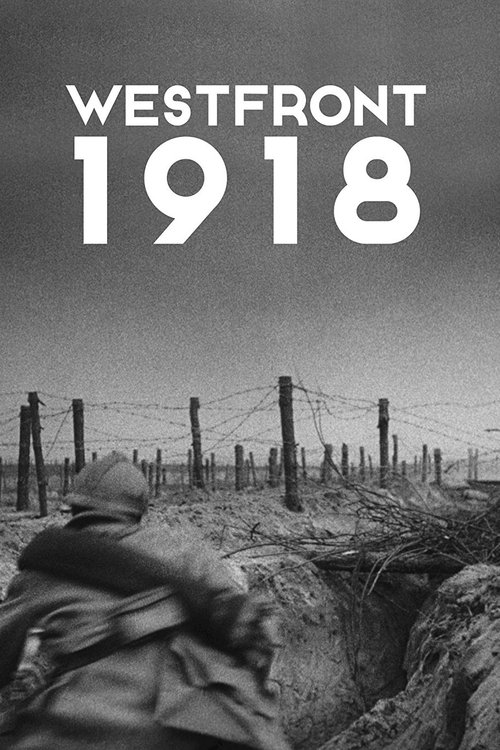
Westfront 19181930
G.W. Pabst's equally shattering portrait of WWI's final months. Raw, formally inventive, and so committed to showing the war's absurdity that it makes most combat films look like recruitment posters.
But German Expressionist techniques feel distancing to modern viewers. The pacing is glacial and there's no plot to speak of—just suffering and waiting.
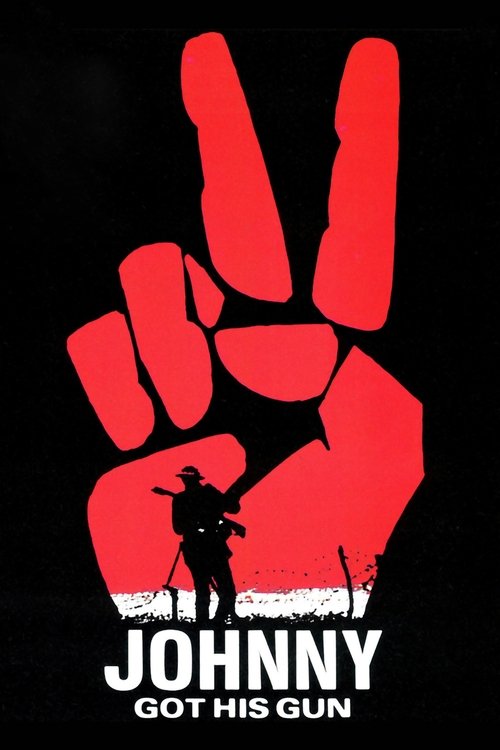
Johnny Got His Gun1971
Dalton Trumbo's anti-war opus about a soldier who survives but loses nearly everything—limbs, senses, identity. A haunting meditation on what victory costs the men who bleed for it.
But A one-man show inside a hospital bed for much of its runtime. Emotionally grueling rather than dramatically satisfying. The second half grows abstract.
Not sure tonight? Get a pick in a minute, starting from The Road Back
The wildcard
Something you would not have found on your own.
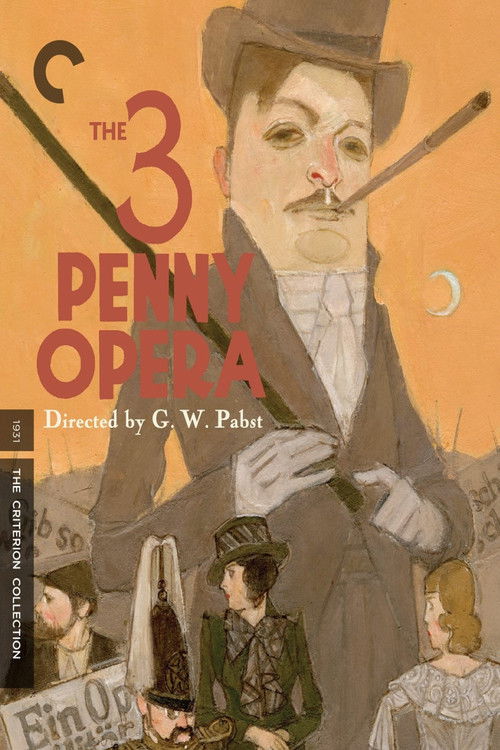
The Threepenny Opera1931
Both are German works depicting the social chaos of the 1920s-30s; both show how ordinary men become cynical operators in a broken system. The Threepenny Opera just does it with bangers and moll songs.
Pabst's film of Brecht and Weill's play: cynical, musical, and soaked in the same post-WWI Weimar decay that The Road Back depicts. Beggars and bandits and cops, all indistinguishable. It's The Road Back as cabaret.
But Theatrical and strange, with music that won't resolve or satisfy. Brecht means to alienate you, not move you. The tone is so dark it verges on comic.
More like this (7)
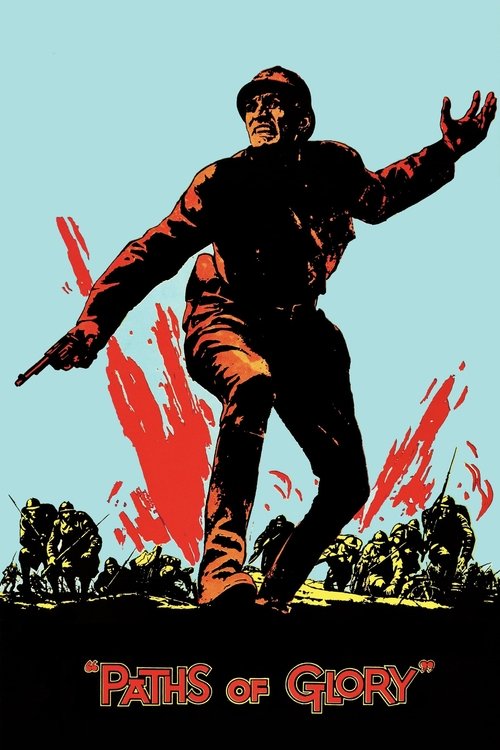
Paths of Glory1957
Kubrick's masterpiece about a WWI infantry unit and their generals. Like The Road Back, it's not interested in heroics—it wants to show how institutions grind men down.
But Rigid, almost austere. The courtroom sequences are brilliant but abstract. Not a movie that wants to make you feel better.
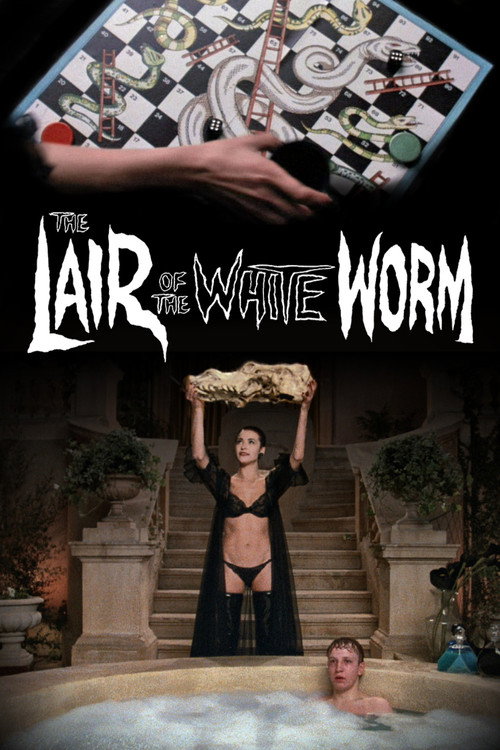
The Lair of the White Worm1988
Ken Russell's baroque fever dream, based on Stoker, features Amanda Donohoe as a serpent priestess in post-WWI England. A startling vision of how war and civilization's collapse breed sexual transgression.
But Wildly unhinged. If you can't surrender to Russell's maximalism—the overwrought dialogue, the surreal imagery—it'll feel like self-parody.
Gallipoli1981
Peter Weir's Australian perspective on WWI: two young men journeying toward the Turkish campaign. Lyrical and tragic, with a final ten minutes that will gut you if you let them.
But More intimate and elegiac than angry. Relies on emotional recognition rather than intellectual argument about war's futility.

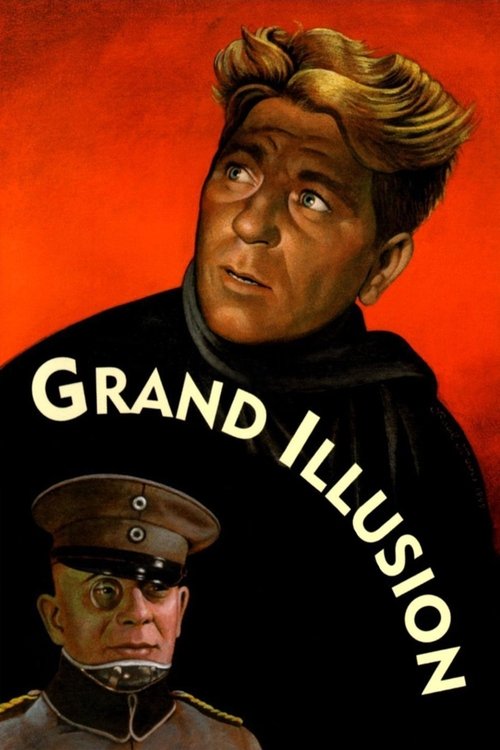
Grand Illusion1937
Released the same year as The Road Back, Renoir's film also deals with post-war displacement and class, but as a prison-escape story laced with dark grace. A different answer to the same question.
But The 'illusion' is philosophical and subtle. No spectacle, no momentum—just conversation and quiet observation.
Come and See1985
Elem Klimov's Soviet masterpiece about WWII through a child's eyes. Not about The Road Back's particular moment, but the closest cinema has come to showing what The Road Back *means*—how war unmakes civilization.
But Among the most harrowing films ever made. Genuinely difficult to watch and designed to be. Not entertainment in any traditional sense.

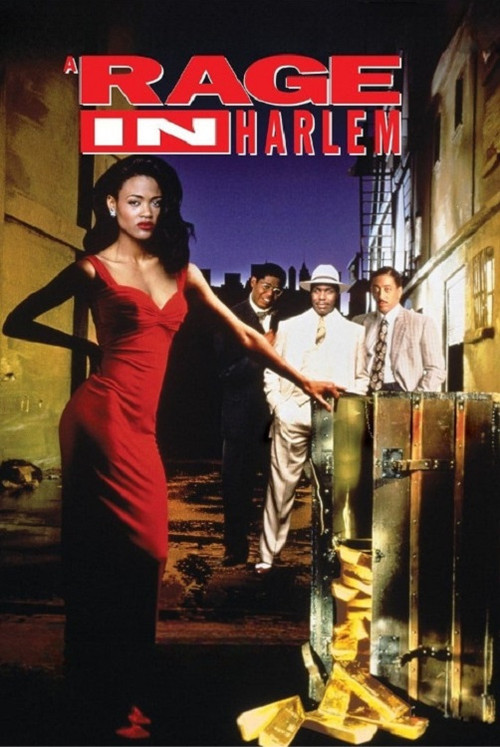
A Rage in Harlem1991
Both follow men trying to survive in lawless post-war urban environments where the old rules have dissolved. But where The Road Back is bruised and literary, this is street-level and electric—same machinery, different fuel.
Bill Duke's genre-busting thriller set in 1920s Harlem, where a young man navigates con artists, gangsters and hustlers. Like The Road Back, it's about soldiers coming home to a world that doesn't want them—but it's noir, it's funny, it's alive with trash and energy.
But Tonal whiplash. It wants to be simultaneously comic, tragic, and thrilling. If you need emotional clarity, this will frustrate you. And it's very much a '90s film.
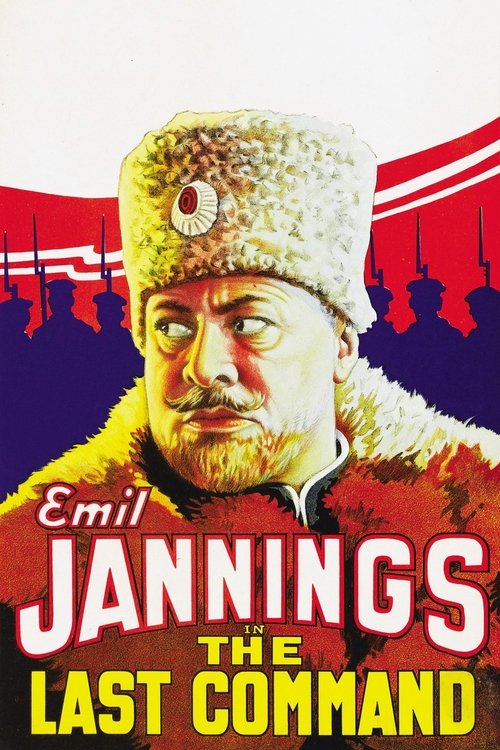
The Last Command1928
Like The Road Back, it's about the aftermath of total war and how men navigate a world that has no place for them. But where The Road Back shows collective disintegration, this is one man's private tragedy of exile and dispossession—a German film about a Russian, made by a German in America.
Josef von Sternberg's silent masterpiece about a czarist general reduced to acting bit parts in Hollywood after the Russian Revolution. A portrait of exile, humiliation, and one man's refusal to break—even as everything around him crumbles.
But Silent film. Requires visual literacy and patience. The emotional register is subtle—everything lives in Emil Jannings' face. No dialogue to explain what you're feeling.
People
Cast
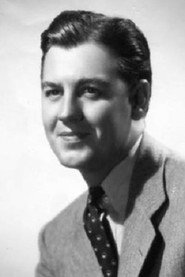 John 'Dusty' KingErnst
 Richard CromwellLudwig
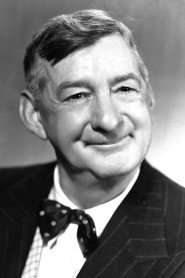 Slim SummervilleTjaden
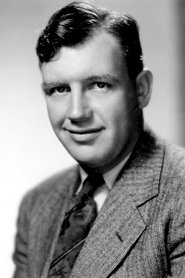 Andy DevineWilly
 Barbara ReadLucy
 Louise FazendaAngelina
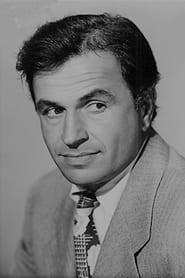 Noah Beery Jr.Wessling
 Maurice MurphyAlbert
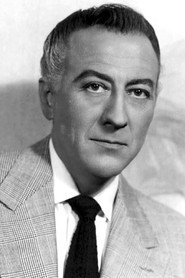 John EmeryCaptain Von Hagen
 Etienne GirardotMayor
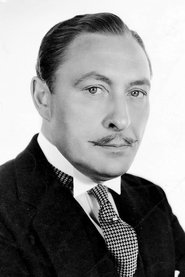 Lionel AtwillProsecutor
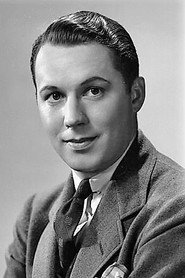 Henry HunterBethke
Directing
- James WhaleDirector
Writing
- Erich Maria RemarqueNovel
- Charles KenyonScreenplay
- R.C. SherriffScreenplay
Production
- Edmund GraingerProducer
Recommended by
The Eagle and the Hawk, The Execution of Private Slovik, The Yellow Birds