
Film
Gallipoli
Peter Weir's elegy for a generation follows two young sprinters from the sun-baked outback to the trenches of Gallipoli, tracking their friendship as innocence curdles into horror. It's gorgeous, patient, and devastating, more interested in mateship and wasted youth than battlefield tactics. Mel Gibson, barely a star yet, is heartbreaking in it. Essential, not easy.
If you liked this
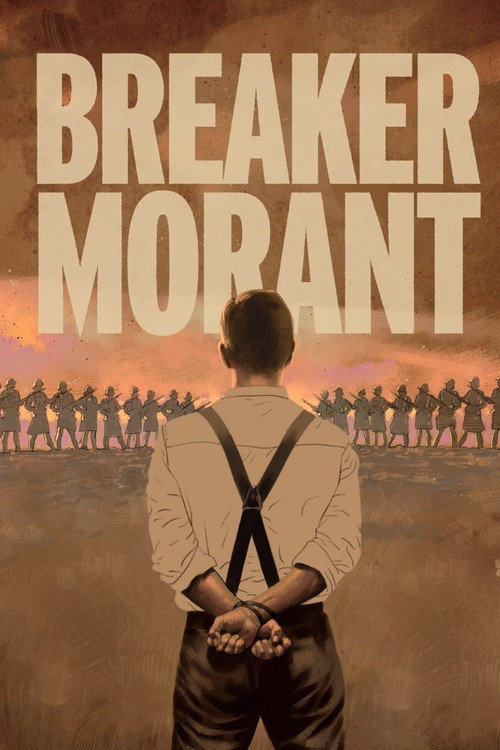
Breaker Morant1980
Same era, same continent, same fury at empire using colonial soldiers as disposable pawns — this courtroom drama is Gallipoli's angry, unsentimental cousin, and just as galvanising.
But Talkier and more procedural; if you want the visceral battlefield stuff, this stays mostly in a tent.
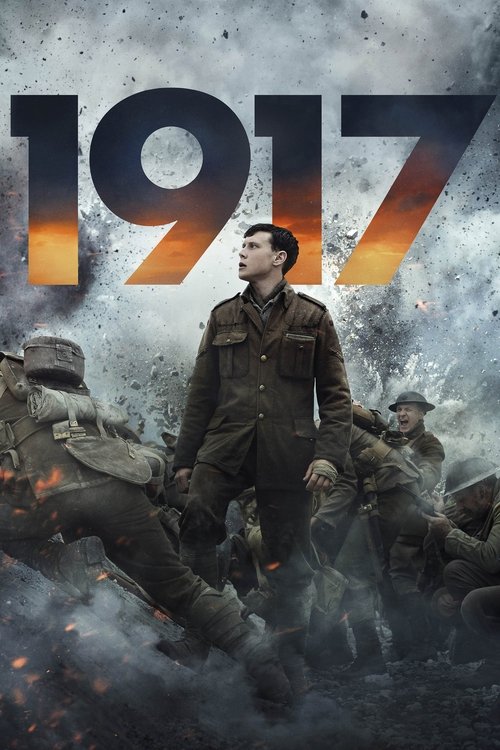
19172019
Puts you inside WWI's mud and dread almost in real time, with the same sense of ordinary young men thrown into an unimaginable machine.
But The one-shot gimmick can feel showy, and it trades Gallipoli's aching character work for pure momentum.
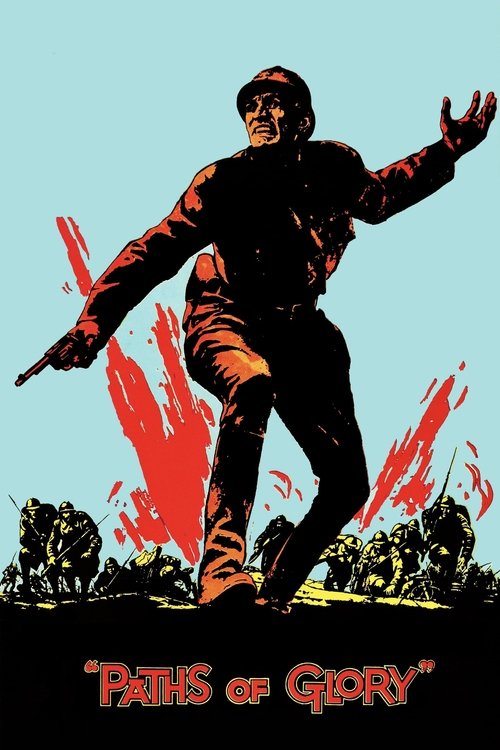
Paths of Glory1957
Kubrick's coldest, angriest film skewers the officers who send men to die for nothing — the institutional cruelty Gallipoli only gestures at, here fully indicted.
But Black-and-white, courtroom-heavy, and unrelentingly bleak with none of the mateship warmth.
The wildcard
Something you would not have found on your own.
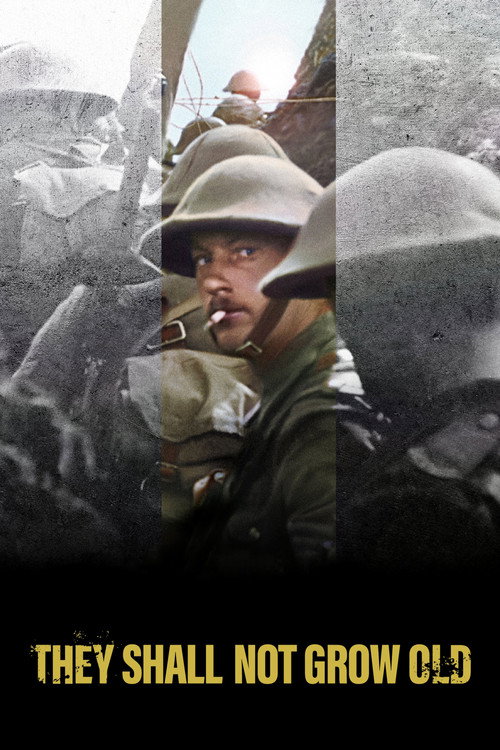
They Shall Not Grow Old2018
Gallipoli imagines the interior life of ordinary soldiers; this documentary hands you the real ones, unearthed and given voice, closing the exact gap the fiction film opens.
Peter Jackson restored and colourised real WWI footage, syncing it with veterans' own voices, so soldiers who look exactly like Gibson's Frank and Archy speak for themselves.
But No narrative arc or characters to follow — it's immersive testimony, not drama, and some find that disorienting.
More like this (8)
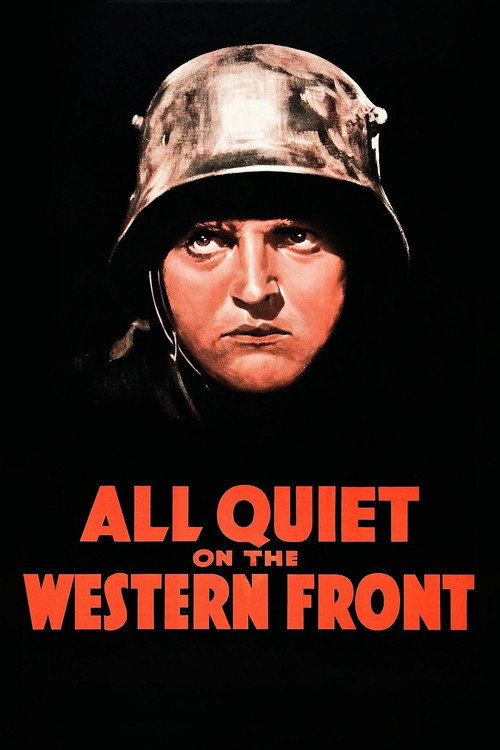
All Quiet on the Western Front1930
The original disillusioned-schoolboys-go-to-war film, and still one of the most bruising; you can feel its DNA in every trench movie since, Gallipoli included.
But Early sound-era filmmaking is stiffer and slower than modern audiences expect.
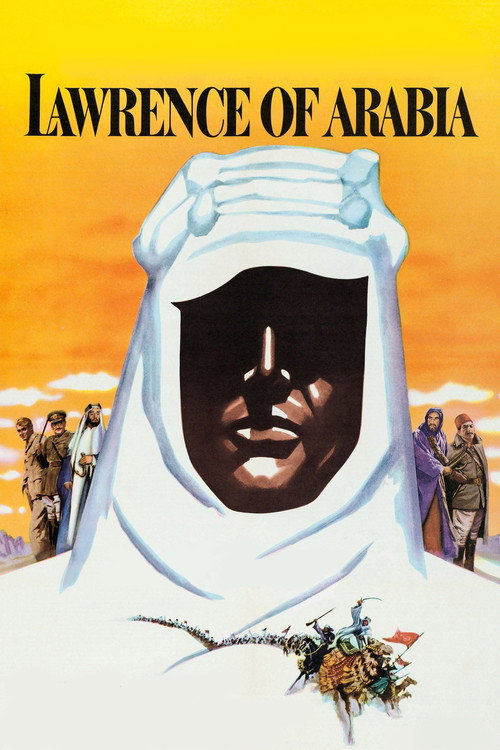
Lawrence of Arabia1962
Same theatre of war, same crumbling Ottoman world, but told as sweeping desert epic rather than intimate tragedy — a grander, stranger companion piece.
But It's nearly four hours and more interested in one man's ego than in soldiers on the ground.
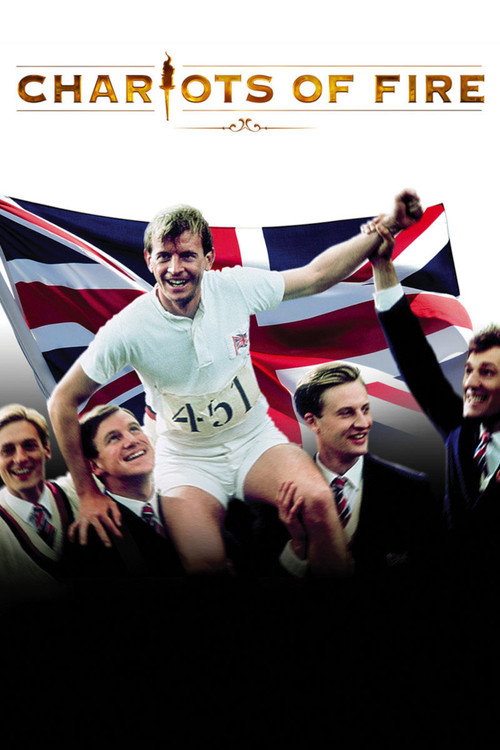
Chariots of Fire1981
Released the same year, also about young British Empire runners on the cusp of history — watch it right after Gallipoli and feel the dramatic irony land twice as hard.
But No war here at all; it's a very different, gentler film about faith and ambition.
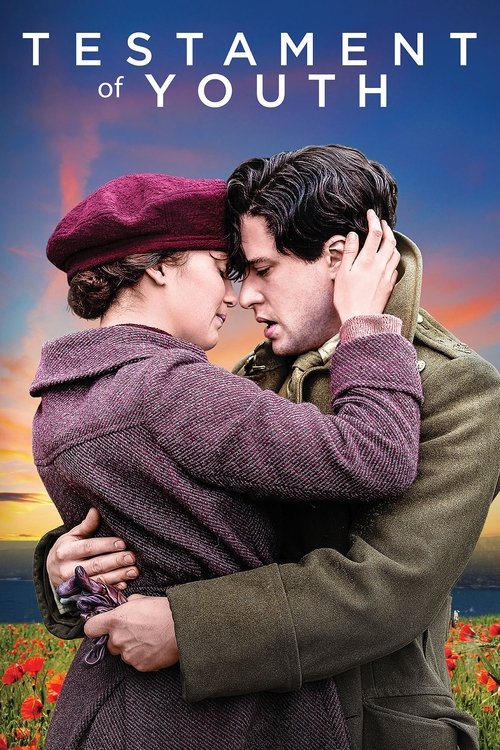
Testament of Youth2015
A woman's-eye view of the same generational slaughter, following a bright young woman whose brother and fiancé vanish into the trenches — Gallipoli's grief from the home front.
But More restrained and literary; if you want combat, this keeps the war largely offscreen.
The Water Diviner2014no page yet
Picks up almost where Gallipoli leaves off — a father searching Gallipoli's battlefields for his missing sons years later, seen through both Australian and Turkish eyes.
But Russell Crowe's directorial debut leans sentimental and occasionally implausible where Weir stayed spare.
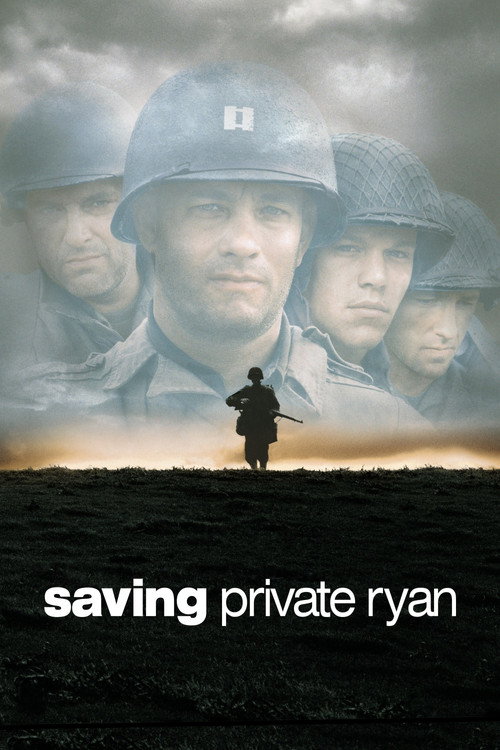
Saving Private Ryan1998
If it's the sheer physical terror of being a young man in an incomprehensible war you want more of, this delivers it with brutal, immersive force.
But Different war, different tone — muscular Hollywood heroism rather than Weir's mournful, ironic distance.
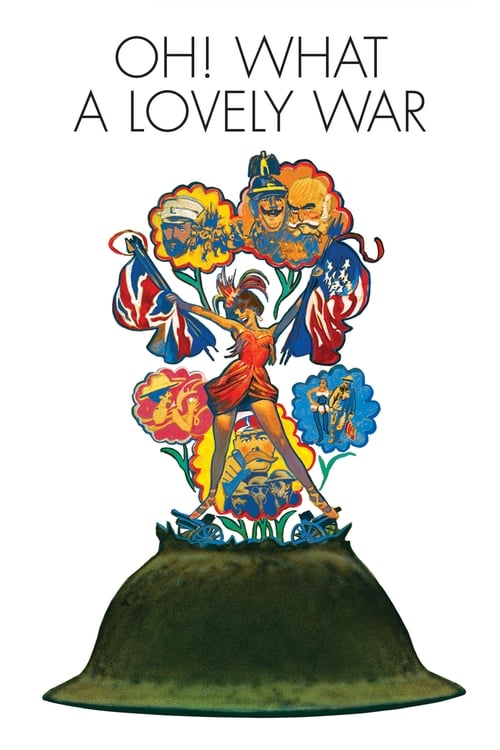
Oh! What a Lovely War1969
Same historical fury at commanders squandering working-class and colonial boys, but Weir's quiet tragedy becomes bitter vaudeville — the identical moral outrage in a completely different register.
A gaudy, furious musical satire that stages WWI as seaside pier entertainment, with jaunty songs undercutting mounting casualty boards — anger through absurdity rather than elegy.
But The theatrical artifice and sing-song tone will feel jarring next to Gallipoli's naturalism; it's deliberately abrasive, not moving in the same way.
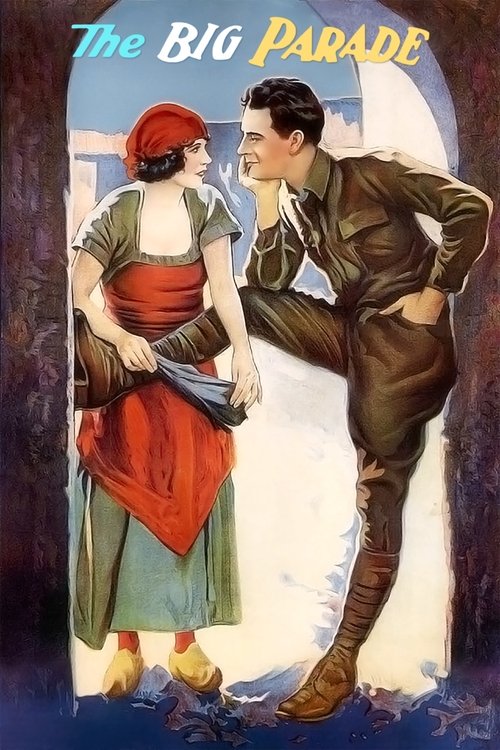
The Big Parade1925
This is the template Gallipoli quietly inherits — eager young men, a girl left behind, an idyll shattered by mechanised slaughter — proving the story's bones are older than any of us realised.
A silent-era spectacle that got there first: an American everyman heads off to WWI full of romance and returns hollowed out, with battle scenes still startling in their scale and horror.
But Silent, melodramatic by modern standards, and its comic opening stretch feels quaint before the war hits.
People
Cast
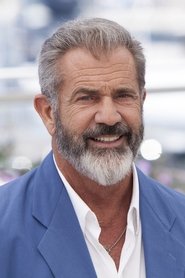 Mel GibsonFrank Dunne
 Mark LeeArchy Hamilton
 Bill KerrJack
 Harold HopkinsLes McCann
 Heath HarrisStockman
- Ron GrahamWallace Hamilton
 Gerda NicolsonRose Hamilton
 Robert GrubbBilly
 Tim McKenzieBarney
 David ArgueSnowy
- Brian AndersonRailway Foreman
Directing
- Peter WeirDirector
- Mark EgertonFirst Assistant Director
- Steve E. AndrewsSecond Assistant Director
- Marshall CrosbyThird Assistant Director
Writing
- Ernest RaymondNovel
- David WilliamsonScreenplay
- Peter WeirStory
Production
- Ben GannonAssociate Producer
- Martin CooperAssociate Producer
- Alison BarrettCasting
- Francis O'BrienExecutive Producer
- Patricia LovellProducer
- Robert StigwoodProducer
Recommended by
Master and Commander: The Far Side of the World, 1917, They Shall Not Grow Old, All Quiet on the Western Front, Paths of Glory, Wings, Oh! What a Lovely War, The Big Parade, Breaker Morant