
Film
From Hell to Victory
A 1979 war drama following six multinational friends separated by World War II, reuniting decades later to reckon with how the war transformed them. It's an ensemble piece that values character and consequence over spectacle, asking what friendship means when history has rewritten everyone's lives. For viewers hungry for something beyond standard combat narrative.
If you liked this
The Best Years of Our Lives1946
The definitive postwar homecoming film. Three servicemen return to a small town and discover their lives no longer fit their old lives. It's tender, unsentimental, and understands that coming home is its own kind of war.
But At nearly three and a half hours, it requires patience. The pacing is deliberate and the emotional register is quiet rather than dramatic.

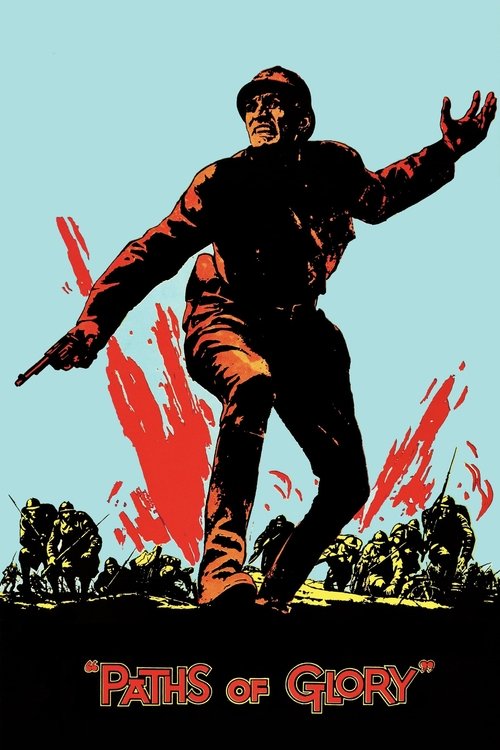
Paths of Glory1957
Kubrick's WWI masterpiece about soldiers caught between impossible orders and survival. It shares the same moral clarity about the stupidity of war and the price paid by ordinary men.
But It's bleak and angry in a way that can feel relentless. There's no comfort offered, only truth.
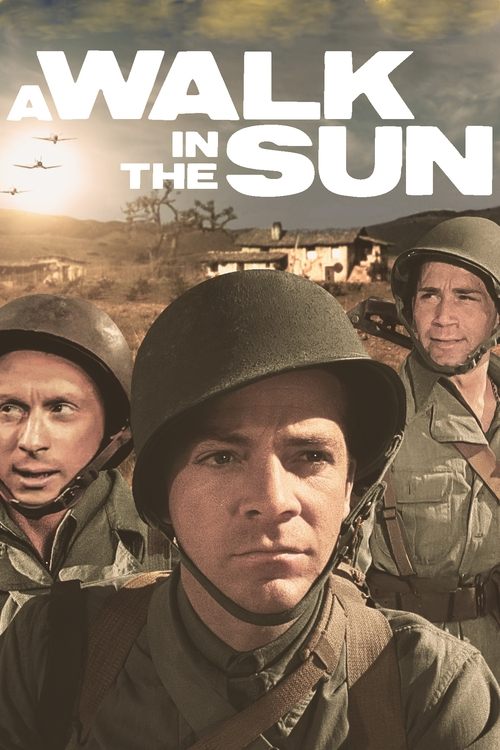
A Walk in the Sun1945
A single day following an American platoon after D-Day, more interested in who these men are than in action heroics. Quietly devastating about the small moments that determine who survives and who doesn't.
But The plot is minimal and the pacing can feel static to modern viewers expecting constant momentum.
Not sure tonight? Get a pick in a minute, starting from From Hell to Victory
The wildcard
Something you would not have found on your own.
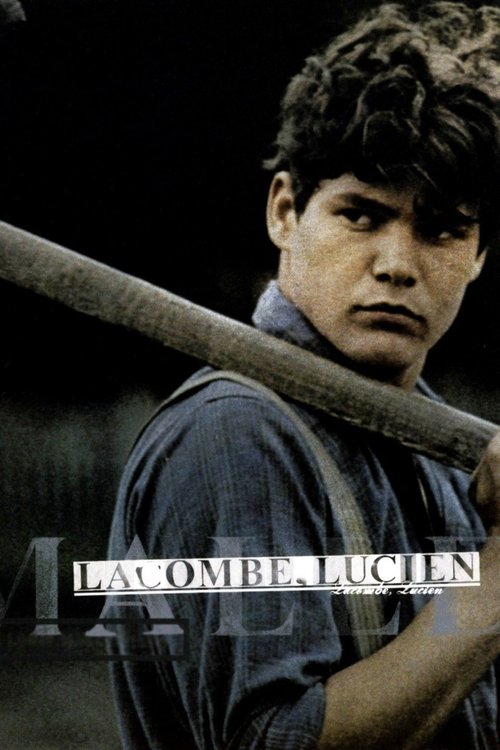
Lacombe, Lucien1974
Both films are European postwar reflections on national identity and how ordinary people were compromised or broken by the war. Both ask: what do you do when your neighbor made different choices?
Louis Malle's film about a French collaborator and his German lover during occupation. It refuses easy morality—these are people, not cartoons. If your film asks what war does to friendship, this asks what it does to conscience.
But It's deeply uncomfortable. Malle doesn't punish his collaborationist protagonist, and that refusal to simplify will anger some viewers.
More like this (7)
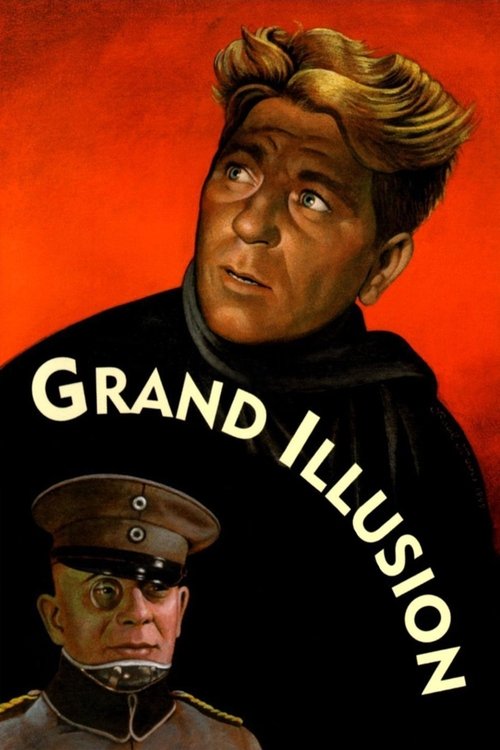
Grand Illusion1937
Renoir's masterpiece about French and German officers in a POW camp, exploring class, nationality, and whether those bonds matter more than the war itself. It breathes the same air as your film.
But It's a French film from 1937, which means the print quality varies and the rhythm is pre-war European. Not everyone's looking for that commitment.
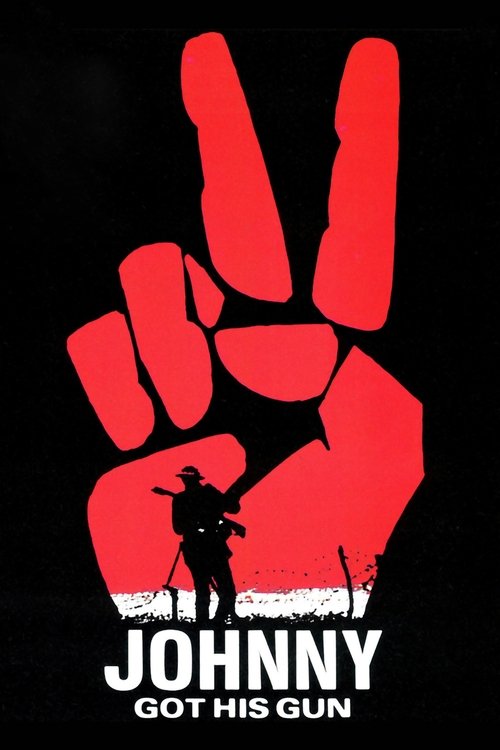
Johnny Got His Gun1971
Dalton Trumbo's adaptation of his own novel—a horrifying, unforgettable meditation on what war does to the men who survive it. Imagine your film's reunion with real teeth.
But It's graphic and punishing. The central premise is so dark that some viewers will check out before it ends.
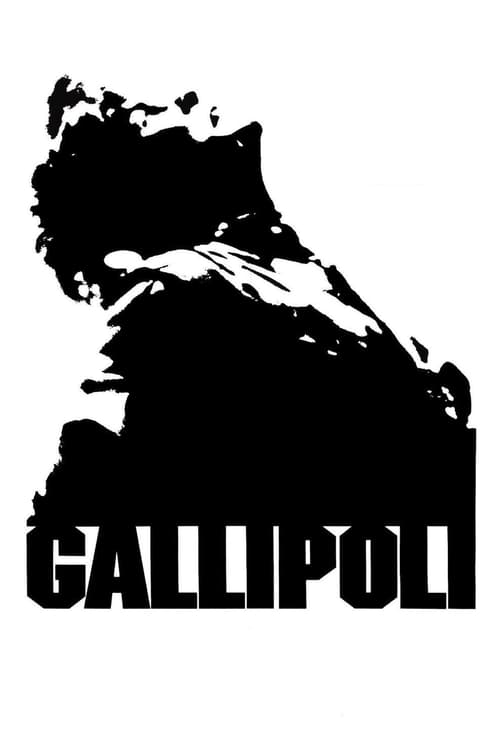
Gallipoli1981
Peter Weir's account of young Australians in WWI, focused on friendship and idealism meeting the meat grinder. It captures why these reunion stories matter—because the war took something irreplaceable.
But It's a period piece that moves slowly to its devastating final sequence. If you need constant plot momentum, this isn't it.
Come and See1985
A Soviet film following a boy conscripted into WWII. It's harrowing and unforgettable, operating in the same moral space as your film—war as transformative, irreversible damage.
But This is one of the most brutal war films ever made. It's not entertainment; it's endurance.

La Haine1995
Different war, same question: when society fractures, can friendship survive? It's about alienation and the violence that follows when people are left behind. The thematic resonance is real.
But It's a French film about urban decay and police violence in the 1990s. The connection requires you to meet it halfway.

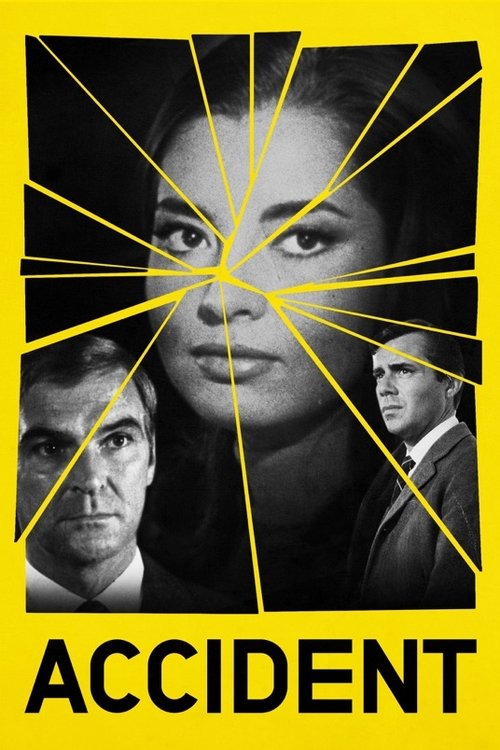
Accident1967
Both are ensemble pieces where a traumatic event is the lens for examining old friendships. Both suggest that some ruptures can't be repaired, only understood too late.
Joseph Losey's oblique, glittering film about an Oxford don and his students, where a car crash ruptures everything. It shares your film's interest in how history (personal or otherwise) destroys friendship and retrospection.
But It's abstract and withholding. You have to work to understand what's actually happened. Very 1960s in that way.
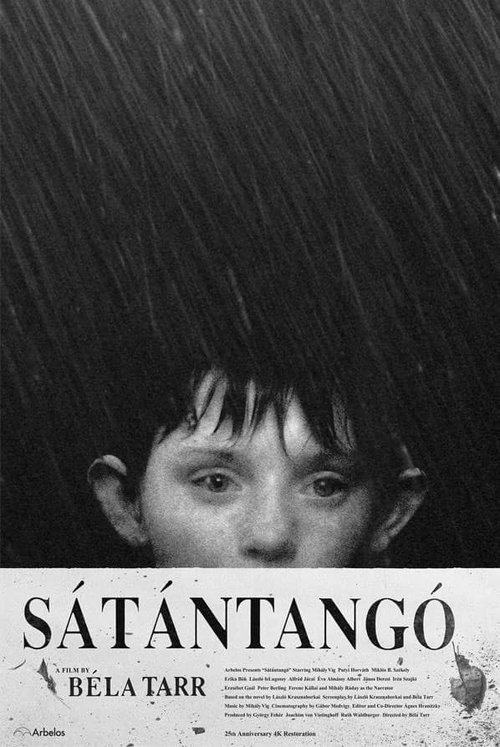
Satantango1994
Both films are interested in how groups of people process historical trauma collectively. Both suggest that reunion and retrospection are forms of mourning. Both reject conventional narrative momentum.
Béla Tarr's 7.5-hour Hungarian film about a community waiting in the rain. It sounds impenetrable, but it's about collective memory, loss, and the stories people tell each other to survive. Shot in black and white, hypnotic, and oddly moving.
But It's extremely long, deliberately paced, and relies on static long takes. Most viewers will find it grueling rather than rewarding.
People
Cast
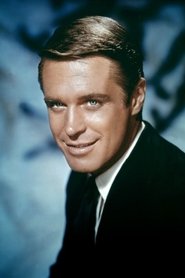 George PeppardBrett Rosson
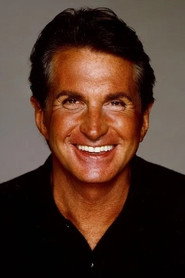 George HamiltonMaurice Bernard
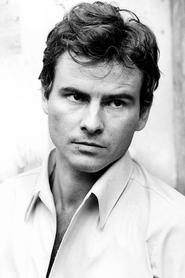 Horst BuchholzJürgen Dietrich
 Anny DupereyFabienne
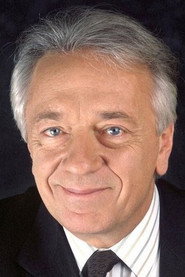 Jean-Pierre CasselDick Sanders
 CapucineNicole Levine
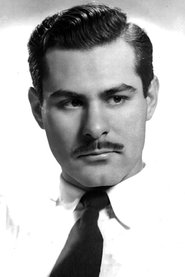 Sam WanamakerRay MacDonald
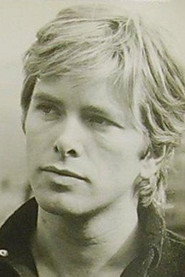 Ray LovelockJim Rosson
 Georges ClaisseKarl Wessel
 May HeatherlyMary Jennings
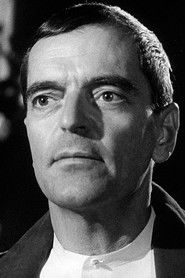 Howard VernonSS Major Karl
 Ritza BrownJim's girlfriend
Directing
- Umberto LenziDirector
- Léonard GuillainFirst Assistant Director
- Elvira D'AmicoScript Supervisor
- Enrico BergierSecond Unit Director
Writing
- Gianfranco ClericiScreenplay
- José Luis Martínez MolláScreenplay
- Umberto LenziStory
Production
- Maurizio AmatiLine Producer
- Edmondo AmatiProducer
- Enrique BellotProduction Manager
- Jacques GarciaProduction Manager
- Carla CrovatoProduction Secretary
- Catherine DieudonneProduction Secretary
- Francisco BellotUnit Manager
- Giandomenico StellitanoUnit Manager
- Jean GallaudUnit Manager