
Film
Accident
Other titles called Accident: the 2009 film.
- Drama
- Very dark
- Slow-burning
Accident is a fractured, deeply adult portrait of desire and disappointment among Oxford academics. A car crash opens the film—we don't know why—and the rest unfolds in flashbacks, revealing how a professor's infatuation with his student's fiancée creates a web of quiet damage. Directed by Joseph Losey, it's precise, withholding, and thrumming with buried rage. For viewers patient with slow burns and ambiguity.
Should you watch it?
Watch it if you enjoy slow, elegant films where desire and class-bound manners simmer under polished surfaces, and you don't need the plot to explain itself.
Skip it if you want momentum or warmth from your evenings; this is cool, cerebral and deliberately withholding, with its emotions kept at arm's length throughout.
What it asks of you: Long, languorous stretches and fragmented flashbacks demand patience, and close attention to glances and silences, since much of the meaning sits in what goes unsaid.
Not sure? Find tonight's pick in a minute.
If you liked this
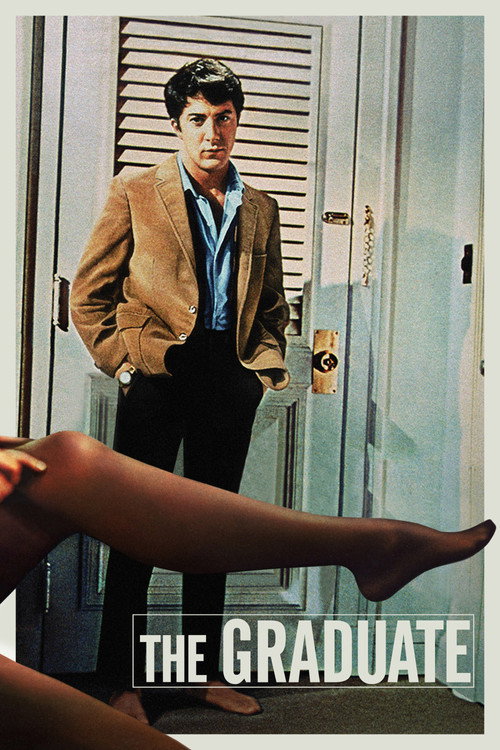
The Graduate1967
Same year, same collision of youthful sexuality and academic ennui, but where Accident stays cold and fractured, this hits with directness and humour. The seduction scene that launches everything feels inevitable and impossible at once.
But It's almost too neat in how it wraps up; Accident's deliberate refusal to explain things may suit you better if you prefer messiness to closure.
Hiroshima Mon Amour1959
Alain Resnais's masterpiece uses fragmented time and obsessive passion the way Losey does here—two people caught in an affair that rewrites their own histories. Haunting, formally brilliant, emotionally precise.
But The experimental structure demands active watching; if you want plot to carry you, this will feel oblique and exhausting.
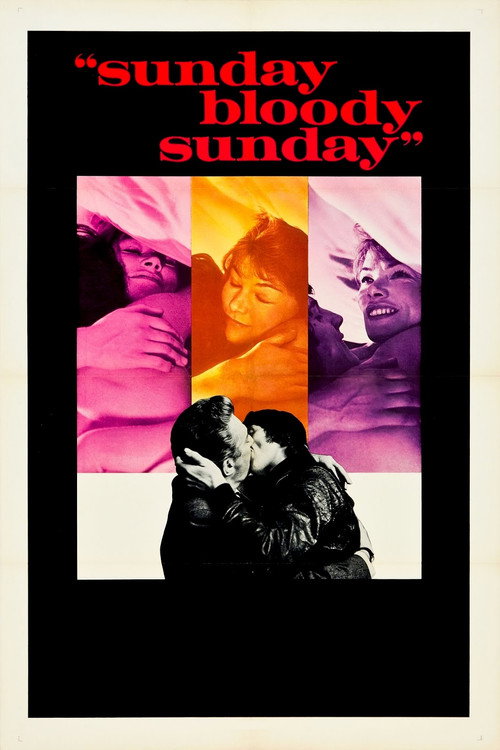
Sunday Bloody Sunday1971
John Schlesinger's film of urban romantic entanglement—a doctor and woman both love the same younger man. Mature, unsentimental, shot through with class anxiety and desire. Bogarde appears here too, still magnificent.
But Its very British restraint can read as coldness; the film refuses grand catharsis, which some find withholding rather than wise.
Not sure tonight? Get a pick in a minute, starting from Accident
The wildcard
Something you would not have found on your own.
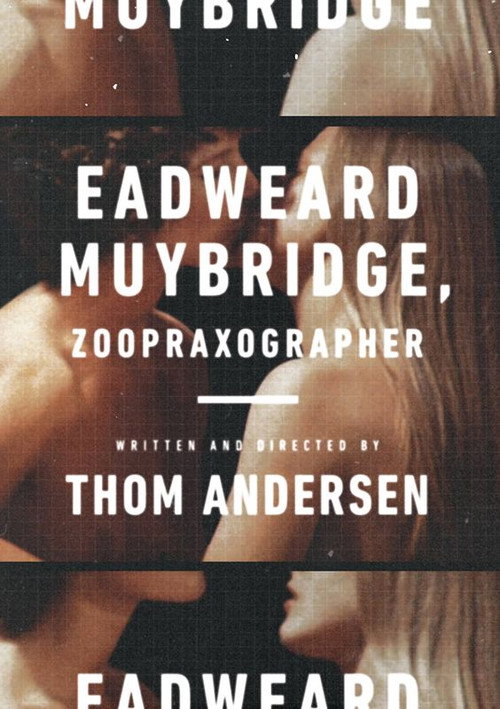
Eadweard Muybridge, Zoopraxographer1975
Both use fractured, non-linear time not as ornament but as a way to reveal psychological and emotional truth. Both suggest that conventional chronology lies.
Thom Andersen's 45-minute essay film about the Victorian photographer who decomposed motion into frames. It's a meditation on desire, obsession, the way we break time into pieces to understand it. Accident and Muybridge use fragmentation the same way—to make meaning visible.
But It's a very short non-narrative essay; if you expect conventional film grammar, you're watching the wrong thing.
More like this (8)
The Remains of the Day1993
Ash in the mouth regret, formal beauty, the slow revelation of a life spent in emotional repression. Anthony Hopkins as a butler whose feelings for a housekeeper remain unspeakable. It understands Accident's world.
But The pacing is deliberate to the point of stateliness; if you need momentum, this will feel static.

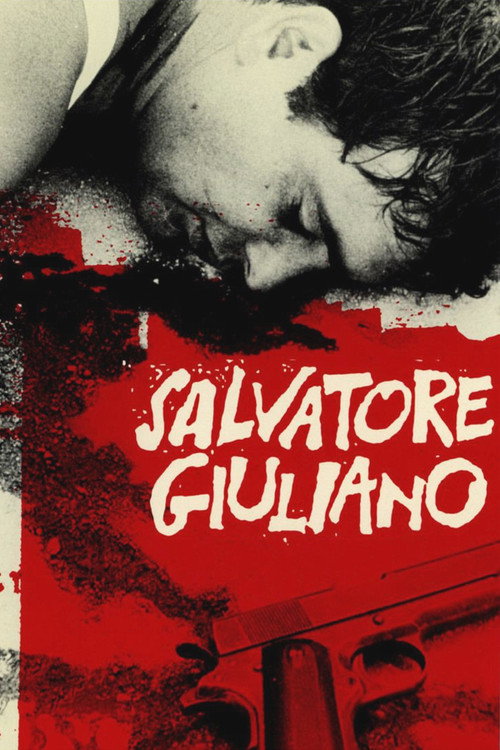
Salvatore Giuliano1962
Francesco Rosi's non-linear investigation of a Sicilian bandit's death uses fragmented chronology to suggest truth is unknowable. Like Accident, it trusts the viewer to assemble meaning from pieces deliberately withheld.
But It's elliptical enough to feel frustrating; the refusal to explain can land as pretentiousness if you're not in the mood.
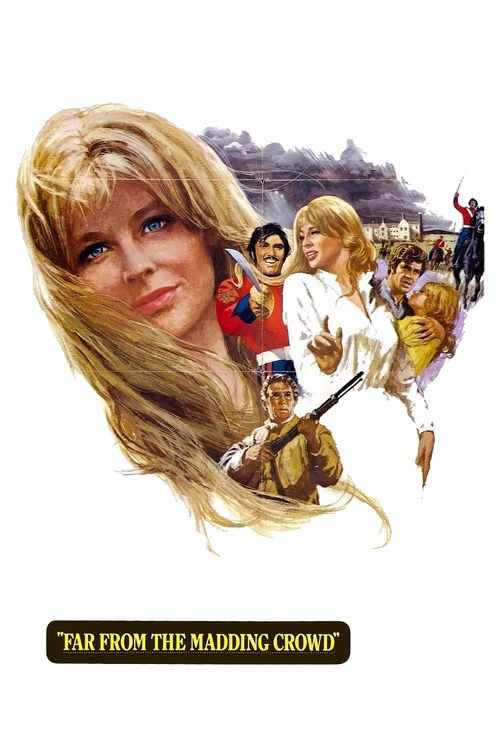
Far from the Madding Crowd1967
John Schlesinger's adaptation of Hardy—1967 again, pastoral beauty corrupted by desire and misjudgement. Terence Stamp, Julie Christie, a world of consequences that unfold with tragic inevitability.
But Period drama trappings mean it can feel costume-y; the emotional stakes take time to unfold.
Red Desert1964
Antonioni's film of a woman adrift in industrial modernity, colour cinematography that *feels*, ennui and desire tangled together. Monica Vitti as a woman whose unhappiness has texture and weight.
But Nothing happens in the conventional sense; if you need plot momentum, the film's deliberate emptiness will madden you.
The Servant1963
Losey again—a wealthy man hires a servant who slowly corrupts and inverts the power structure between them. Bogarde's co-star here, James Fox. Psychologically vicious, formally perfect, about class and desire.
But The sexual politics are of its moment, which some find dated; the perversity is the point, which others find distasteful.

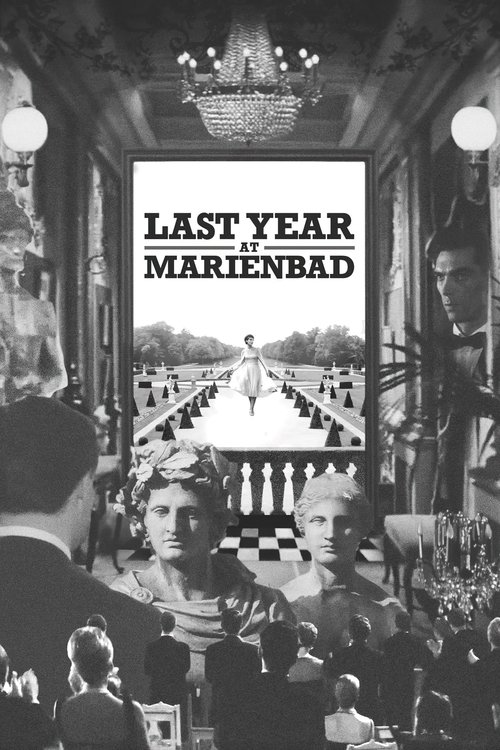
Last Year at Marienbad1961
Alain Resnais and Alain Robbe-Grillet's haunting puzzle about three people in a hotel—did they meet before? Is any of this true? Memory and desire reshape reality. Visually stunning, narratively impossible.
But It actively resists comprehension; some find that liberating, others find it a closed door disguised as art.
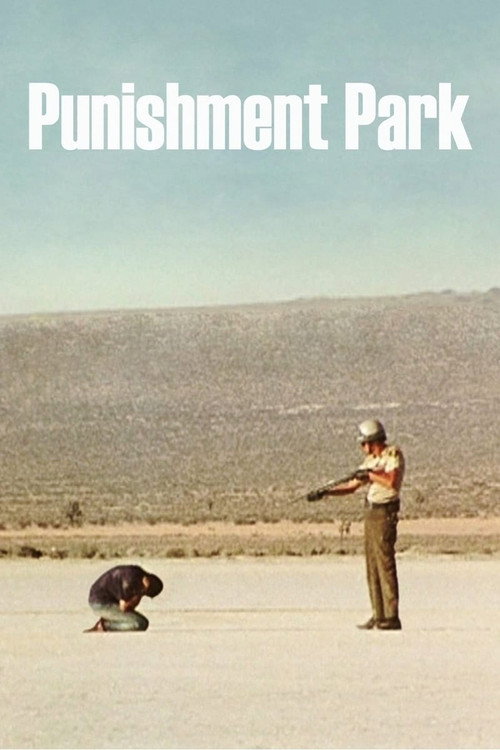
Punishment Park1971
Both films see systems—academia, law enforcement—as traps that trap their own people. Both suggest that order and civility are performances masking something darker.
Peter Watkins's mockumentary-nightmare about American dissidents hunted across the desert. Formally raw, politically furious, shot through with the same dread Accident carries. Watkins shares Losey's feeling that civilisation conceals violence.
But It's deliberately ugly to watch and difficult to parse; the faux-documentary style means no clear narrative, which frustrates some viewers.
Jeanne Dielman, 23, quai du Commerce, 1080 Bruxelles1976
Both films find that small repeated actions—the professor's seduction, Jeanne's routines—accumulate into something monstrous. Both trust time and boredom as tools for revelation.
Chantal Akerman's three-hour film of a woman's domestic routine—cooking, cleaning, sex work—shot in real time, no music, minimal cuts. It renders the mundane unbearable and then clarifies why. Like Accident, it finds horror in precision.
But It is three hours of a woman doing housework. If you need entertainment, this is philosophical endurance. Requires extraordinary patience.

People
Cast
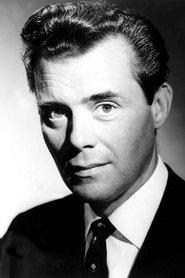 Dirk BogardeStephen
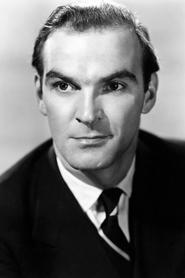 Stanley BakerCharley
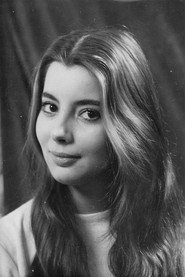
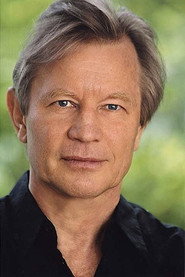 Michael YorkWilliam
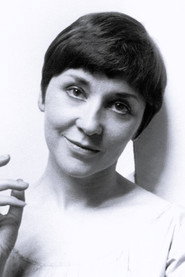 Vivien MerchantRosalind
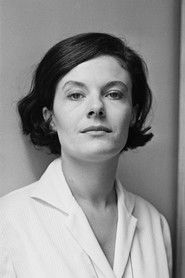 Delphine SeyrigFrancesca
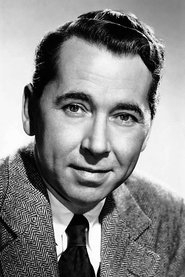 Alexander KnoxProvost
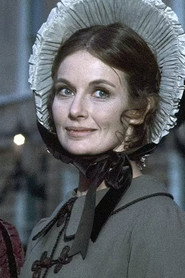 Ann FirbankLaura
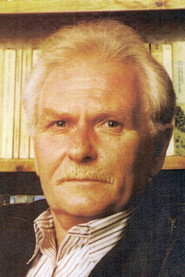 Brian PhelanPolice Sergeant
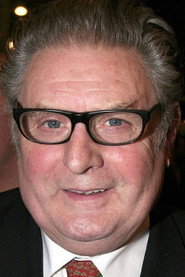 Terence RigbyPlain Clothed Policeman
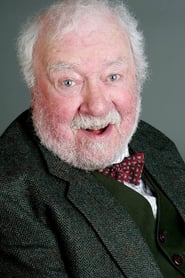 Freddie JonesMan in Bell's Office
- Jill JohnsonSecretary
Directing
- Richard F. DaltonAssistant Director
- Pamela DaviesContinuity
- Joseph LoseyDirector
Writing
- Nicholas MosleyNovel
- Harold PinterScreenplay
Production
- Joseph LoseyProducer
- Norman PriggenProducer
- Vicki DeasonProduction Secretary
- Geoffrey HaineProduction Supervisor
- Theo CowanPublicist
Recommended by
Laughter in the Dark, Barnaby Jones, The Burning Train, A Special Day, The Criminal, The October Man, Dear Murderer, Hellcats of the Navy, From Hell to Victory, Do Anjaane