
Film
Hellcats of the Navy
A 1957 submarine thriller where Ronald Reagan commands the USS Starfish through a morally thorny WWII mission gone wrong. The film trades spectacle for claustrophobic tension and ethical ambiguity—what looked like duty might hide something darker. It's best appreciated as a character study of command under impossible pressure, not a war picture.
If you liked this
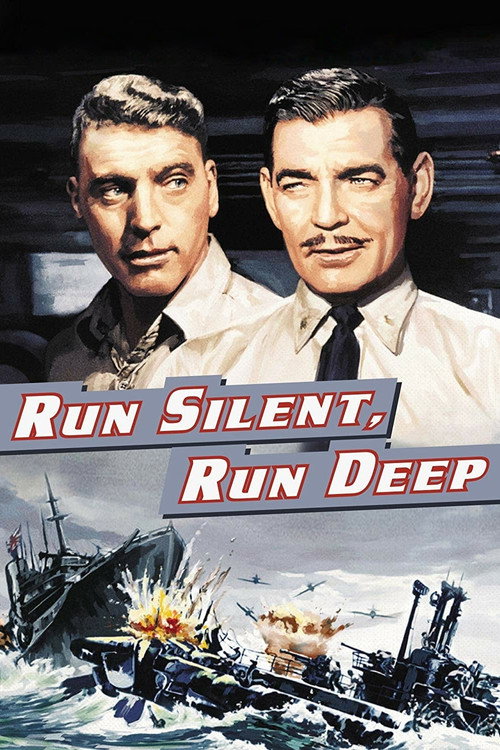
Run Silent, Run Deep1958
Clark Gable as a submarine captain haunted by a past failure, hunting the ship that sank his vessel. Shares the submarine setting and explores command trauma with genuine weight and a stronger cast around the central conflict.
But Runs nearly two and a half hours and paces itself more like a psychological study than an adventure. Some sequences feel repetitive if you're expecting constant action.
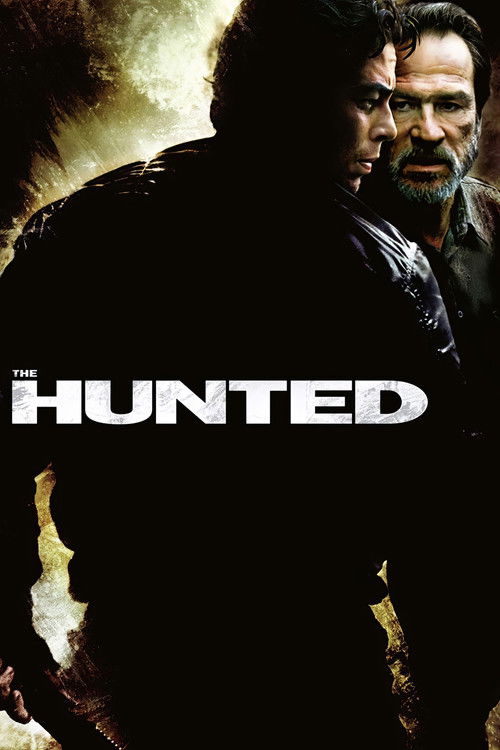
The Hunted2003
Taut WWII thriller about a submarine crew facing moral choices and interpersonal friction under extreme stress. Captures the same pressure-cooker atmosphere without relying on star power, letting the situation do the work.
But Black-and-white B-picture brevity means character development happens fast and sparse. You have to fill gaps yourself.
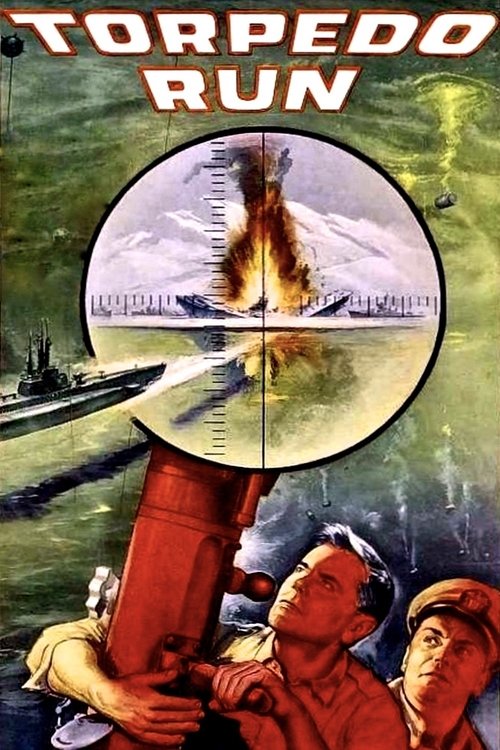
Torpedo Run1958
Glenn Ford commands a submarine on a dangerous mission where choices have devastating personal consequences. Explores the weight of command decisions with more dramatic heft than similar films of the era.
But Released at the tail end of the submarine-picture cycle, so some plotting feels familiar. The romantic subplot softens some harder edges.
Not sure tonight? Get a pick in a minute, starting from Hellcats of the Navy
The wildcard
Something you would not have found on your own.
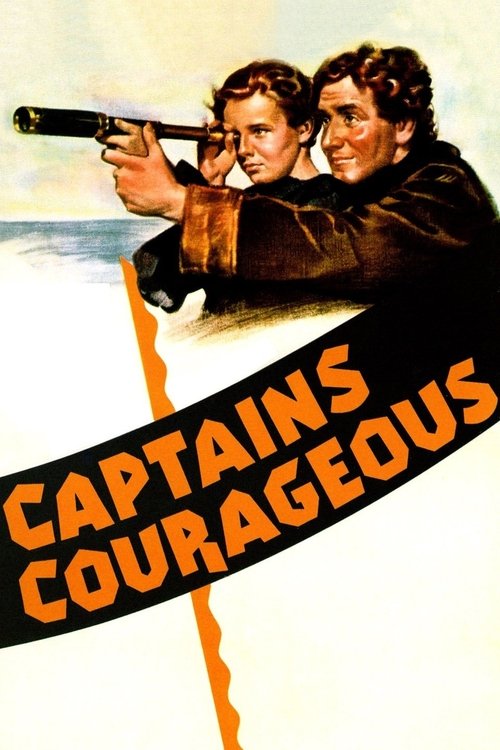
Captains Courageous1937
Both films examine command through sacrifice and the gap between what looks right and what feels right—one through war, one through teaching.
Spencer Tracy captains a fishing vessel; a boy learns about command, sacrifice, and doing hard things for others. Same moral engine as *Hellcats*—leadership that costs you personally—but told as a coming-of-age story set against the sea. Tracy's authority and the maritime setting create unexpected kinship.
But Based on Kipling and steeped in 1930s sentiment about masculine virtue. The boy protagonist's arc might feel sentimental or dated. Runs over two hours.
More like this (7)
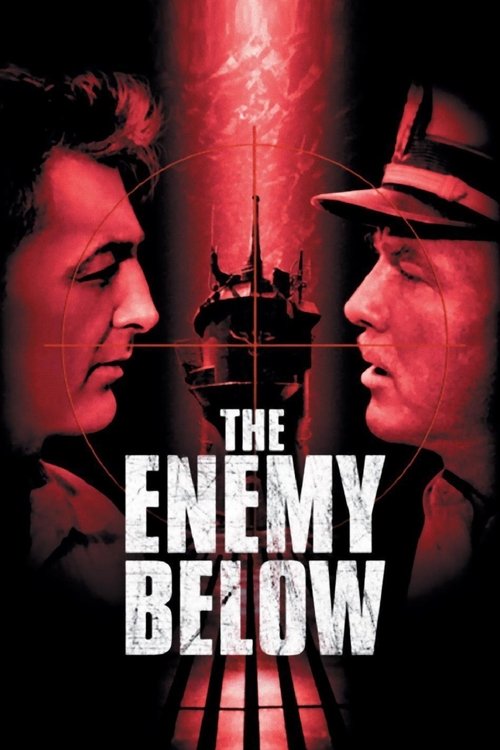
The Enemy Below1957
Curd Jürgens and Robert Mitchum in a cat-and-mouse game between a U.S. destroyer and a German U-boat. Exceptional tension and a more complex view of command and respect across enemy lines.
But Substantially longer and more ambitious in scope. The philosophical elements might feel overwrought if you want straightforward action.
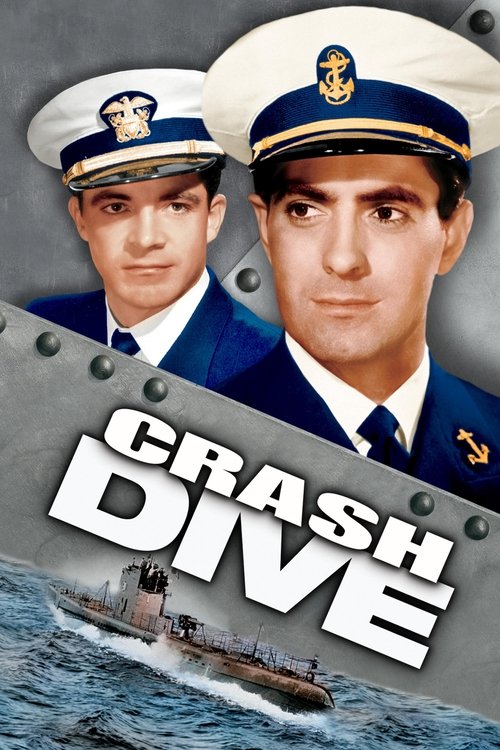
Crash Dive1943
Tyrone Power and Dana Andrews on a submarine mission during the early war years. Older and simpler than *Hellcats*, but captures the era's optimism about naval heroism and duty.
But Wartime propaganda veneer shows badly now. It's earnest to the point of naivety, and the romance subplot dominates the back half.
The Mortal Storm1940
James Stewart in a pre-Pearl Harbor thriller about divided loyalties and the cost of duty. Not a submarine picture, but explores similar ground: what command and country demand, and at what personal cost.
But Deliberately paced and heavy with moral debate. If you want visceral action, this prioritizes inner conflict instead.

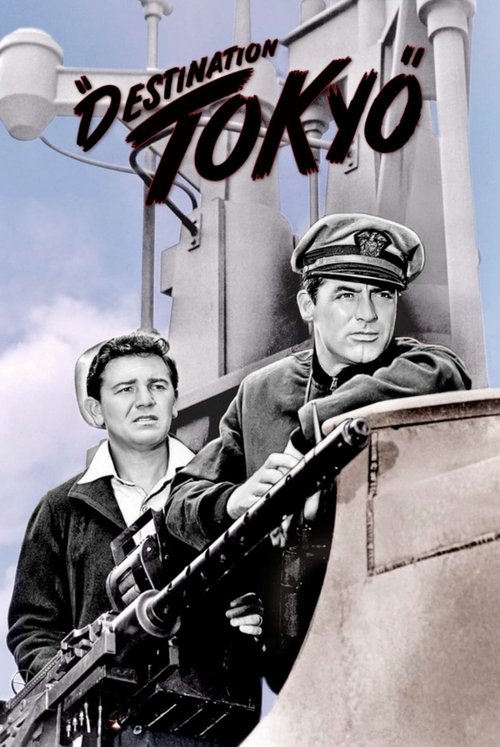
Destination Tokyo1943
Cary Grant captains a submarine on a crucial Pacific mission. Ensemble cast and strong ensemble focus on crew dynamics and how men hold together under pressure.
But Wartime narrative softens any real moral complexity. The film wants you to believe unquestioningly in the mission's righteousness.
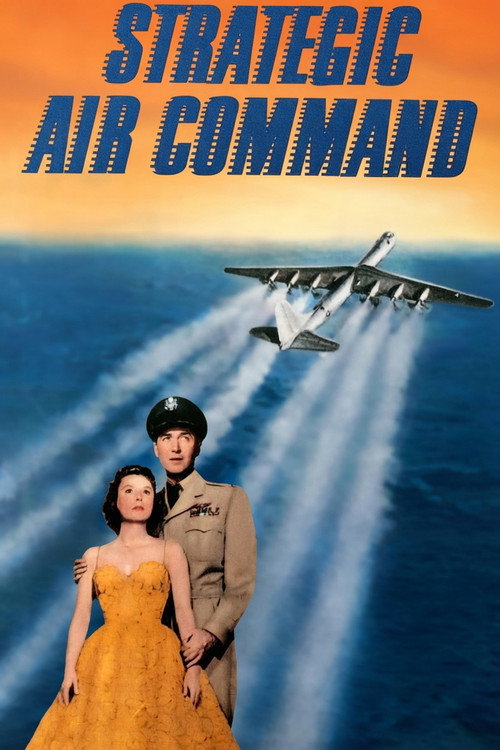
Strategic Air Command1955
Reagan in a military command role exploring duty, responsibility, and the burden of leadership during the Cold War. Structurally similar: Reagan in uniform, weighing impossible decisions.
But Aviation picture instead of submarine, and the Cold War anxieties feel period-specific now. Pacing is leisurely by modern standards.
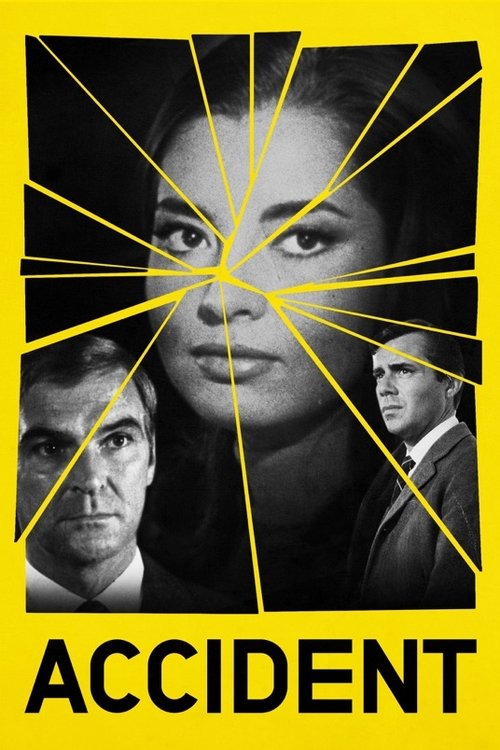
Accident1967
Both films hinge on one split-second choice (leaving a man) that the chooser must rationalize forever. *Accident* shows what it costs; *Hellcats* asks whether the rationalization holds.
Joseph Losey's cool, precise study of a man whose casual decision spirals into moral catastrophe he must live with forever. Abandonment and guilt are central, just as in *Hellcats*, but Losey treats it as philosophical inquiry, not plot. Bafflingly beautiful and unsettling.
But Deliberately slow and detached. No clear answers, no catharsis, no music swelling to guide you. If you need the film to tell you what to feel, this refuses to help.
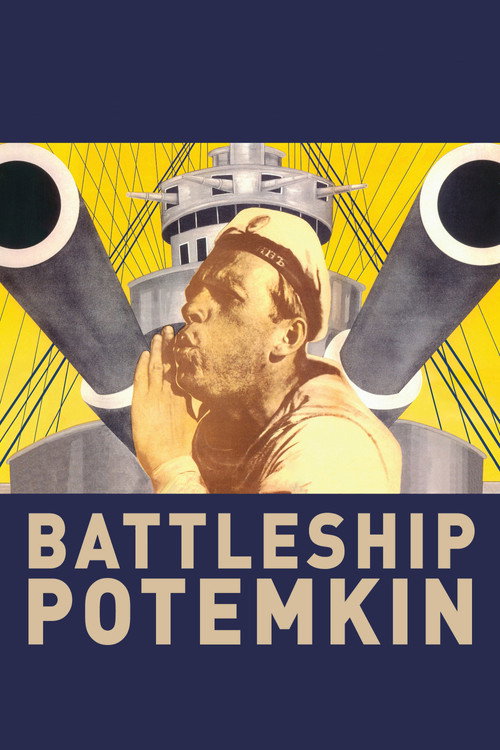
Battleship Potemkin1925
The moral inverse of *Hellcats*: Reagan's captain struggles to hold authority while a dissenting second-in-command questions his judgment. *Potemkin* asks what happens when that questioning becomes mutiny—whether command is ever legitimate when it asks men to die for protocol.
Eisenstein's revolutionary silent film about mutiny on a warship—about when soldiers stop obeying command and what that costs. The famous Odessa Steps sequence is cinema itself being invented, but the whole film is about who bears responsibility when orders collide with conscience.
But 1925 Soviet montage cinema is visually demanding and asks active work from viewers. Silent, dramatic intertitles, pacing built for a different century. You cannot coast through it.
People
Cast
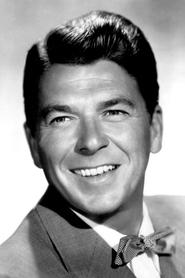 Ronald ReaganCmdr. Casey Abbott (Captain, USS Starfish)
 Nancy ReaganNurse Lt. Helen Blair
 Arthur FranzLt. Cmdr. Don Landon (XO, USS Starfish)
 Robert ArthurFreddy Warren
 William LeslieLt. Paul Prentice
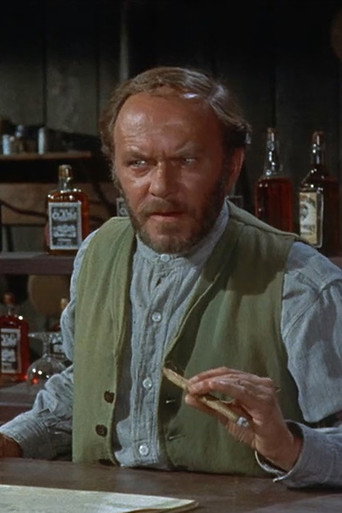 William PhillipsCarroll (as William Phillips)
 Harry LauterLt. (j.g.) Wes Barton
- Michael GarthBill aka Lt. Charlie
 Joe TurkelChick (as Joseph Turkel)
 Don KeeferJug
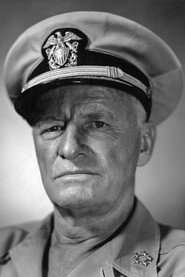 Chester W. NimitzHimself (in prologue) (uncredited)
Directing
- Nathan JuranDirector
Writing
- Charles A. LockwoodBook
- Hans Christian AdamsonBook
- Bernard GordonScreenplay
- David LangScreenplay
- David LangScreenstory
Production
- Charles H. SchneerProducer