
Film
The Enemy Below
A taut 1957 cat-and-mouse thriller pitting an American destroyer against a German U-boat in the Atlantic. Robert Mitchum and Curd Jürgens anchor a methodical battle of tactics and nerve, where you spend most of the runtime following sonar contacts and depth charges rather than heroic speeches. It's a thinking person's war film—patient, technical, grounded in the claustrophobic reality of submarine warfare.
Should you watch it?
Watch it if you love WWII sea films built on a cat-and-mouse duel of wits, where two skippers trade clever manoeuvres across the water and the tension comes from strategy rather than gore.
Skip it if you want a fast, action-packed war picture; this one is talky and deliberate, with long stretches of waiting and plotting between its bursts of combat.
What it asks of you: Settle in for about ninety-seven minutes of patient build-up, where the rhythm is set by calculation and silence, and attention pays off more than adrenaline.
Not sure? Find tonight's pick in a minute.
If you liked this
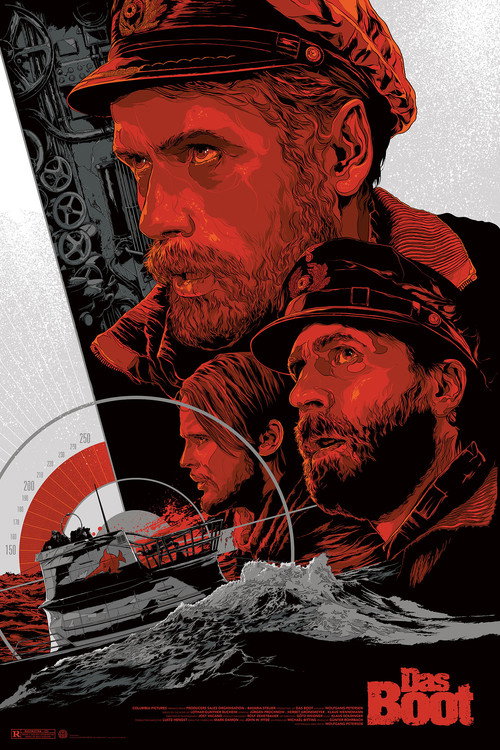
Das Boot1981
The definitive submarine war film, diving deeper into the psychology and mechanical terror of underwater combat. Both films understand that the real enemy is the ocean itself, and that courage means something different in a metal tube.
But It's German cinema from 1981, subtitled, and runs nearly three hours. The slow-burn tension won't satisfy anyone looking for action spectacle.
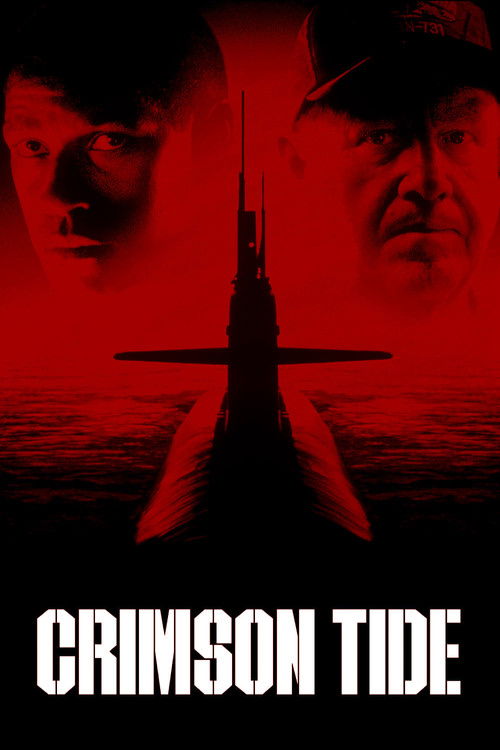
Crimson Tide1995
Two captains, two philosophies, one submarine. It captures the same intellectual duel and the weight of command decisions that haunt you. Denzel Washington and Gene Hackman crackle with the same measured intensity Mitchum and Jürgens created.
But The Cold War setting and button-pushing climax feel more procedural thriller than genuine wartime peril. Less contemplative, more Hollywood.
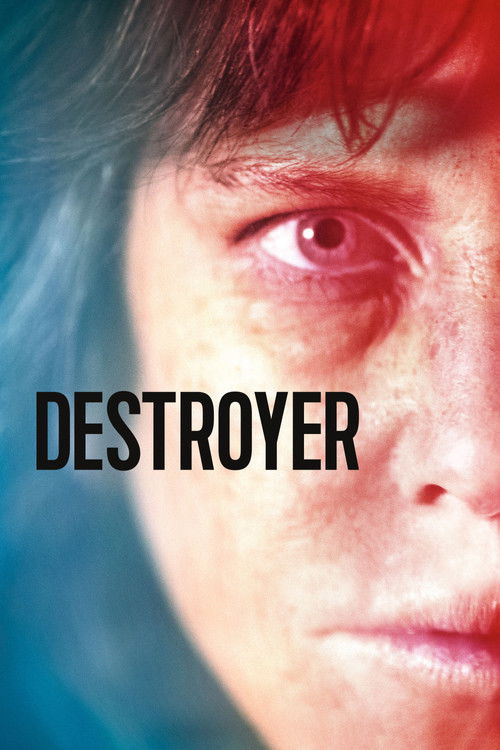
Destroyer2018
A lean, modern naval warfare film about detection and survival. It has the same patient mechanics—radar, sonar, communication lag—that turn a technical problem into existential dread. Minimal dialogue, maximum tension.
But It's a Japanese film with a quieter register than you might expect. Some will find it deliberately paced to the point of austerity.
Not sure tonight? Get a pick in a minute, starting from The Enemy Below
The wildcard
Something you would not have found on your own.
Ikiru1952
Both locate heroism not in triumph but in accepting an impossible situation with grace and honor. Duty, not victory, is the point.
Kurosawa's masterpiece about a bureaucrat discovering meaning as he dies. It shares *The Enemy Below*'s deep respect for duty and quiet dignity; both films believe that how you conduct yourself matters more than whether you live or die. The parallel is structural: two men in enclosed spaces, wrestling with mortality.
But It's a Japanese drama about cancer and bureaucracy, not a war film. If you're seeking action or spectacle, you'll be baffled and bored.

More like this (8)
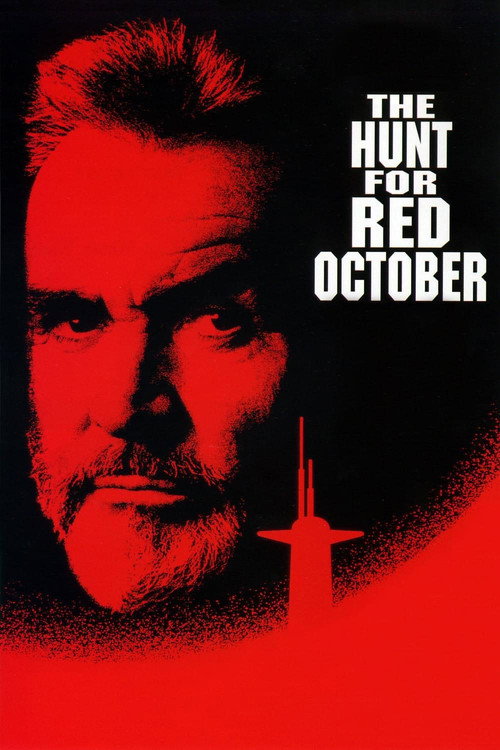
The Hunt for Red October1990
A submarine thriller that understands respect between adversaries and the cat-and-mouse game of detection. Sean Connery's captain has Mitchum's gravitas; the film has the same moral clarity beneath the tactical complexity.
But It's a bit more action-forward and less interested in the grinding weight of command. More Tom Clancy than true war film.
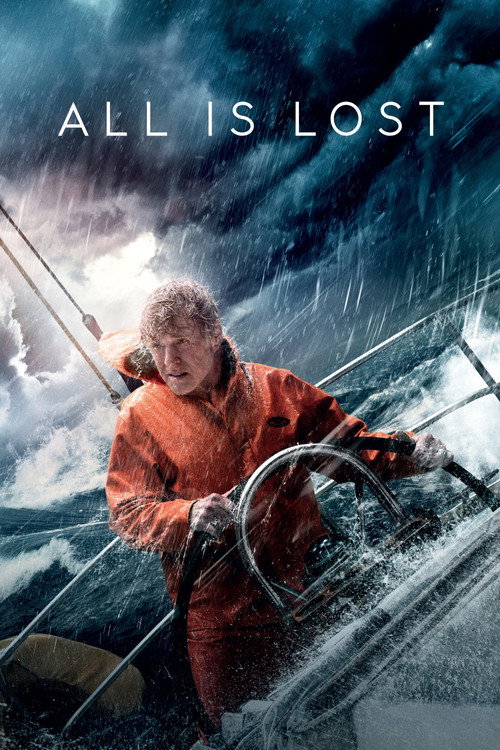
All Is Lost2013
A one-man siege against the ocean that strips away everything but survival. It's a direct descendant of *The Enemy Below*'s philosophy: what you do when detection and rescue are impossible, when you must outthink circumstance.
But Robert Redmond alone on a sailboat for 106 minutes, barely speaking. If you need human drama or dialogue, this will feel thin.
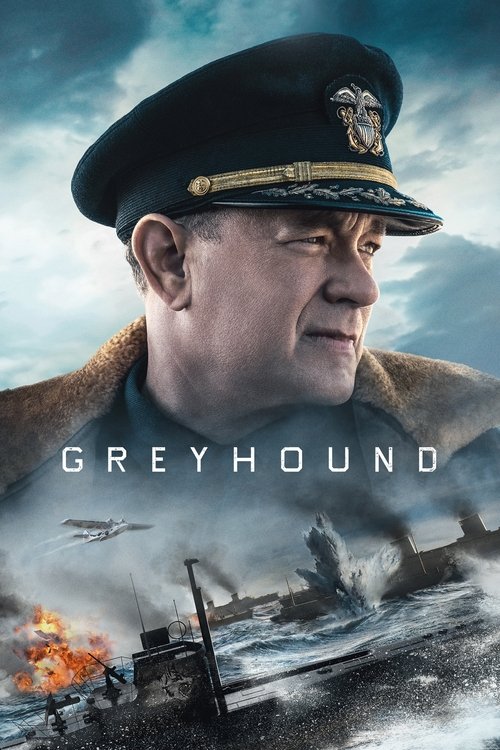
Greyhound2020
A World War II destroyer captain (Tom Hanks) leads his first command through a gauntlet of U-boats. It mirrors the specific tension of *The Enemy Below*: a captain's isolation, the weight of split-second decisions, faith tested by proximity to death.
But More earnest than elegant, with a contemporary sensibility that softens the moral ambiguity. Feels made for home viewing rather than cinema.
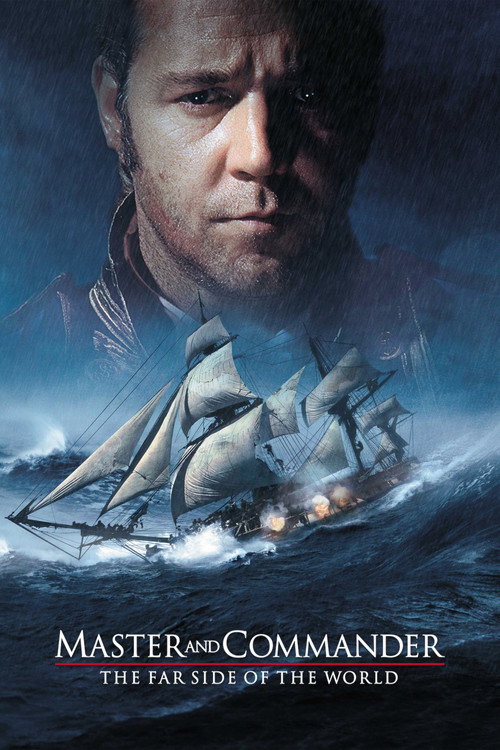
Master and Commander: The Far Side of the World2003
A captain and his adversary bound by mutual respect and tactical brilliance across weeks at sea. The film luxuriates in the details of command, navigation, and the slow accumulation of advantage—exactly *The Enemy Below*'s tempo.
But The Napoleonic Wars setting and ensemble cast diffuse focus from the central duel. Less claustrophobic, more expansive.
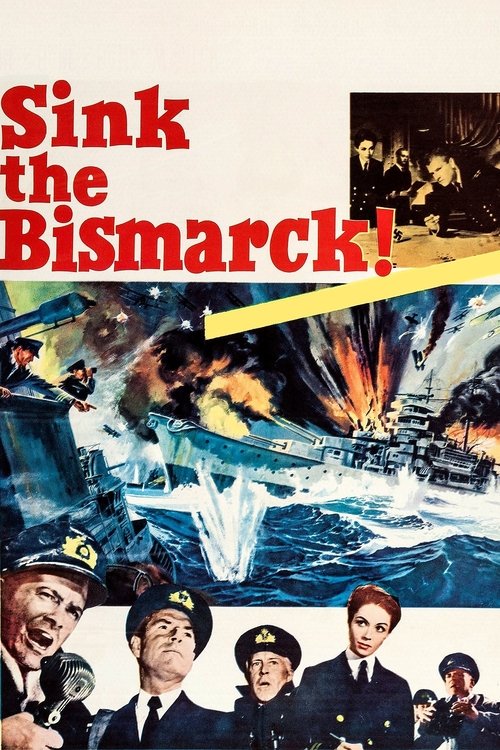
Sink the Bismarck!1960
A procedural hunt for a German warship that mirrors *The Enemy Below*'s blend of technical detail and human desperation. Both films understand that modern warfare is about information, timing, and the men who must interpret signals in the dark.
But It's somewhat dated in style and splits focus between multiple characters. Less concentrated than Mitchum's two-man game.
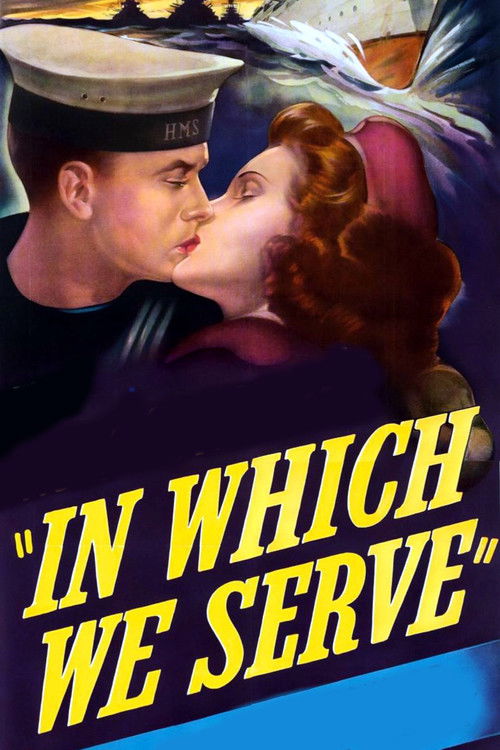
In Which We Serve1942
Noël Coward's British naval drama, told through flashbacks from a sinking ship. It's the spiritual ancestor of every thinking person's war film—respectful to the enemy, focused on duty and sacrifice, interested in how men hold together under fire.
But Made during the war as propaganda. The style is stiff by modern standards, and the emotional register is very much of its time.
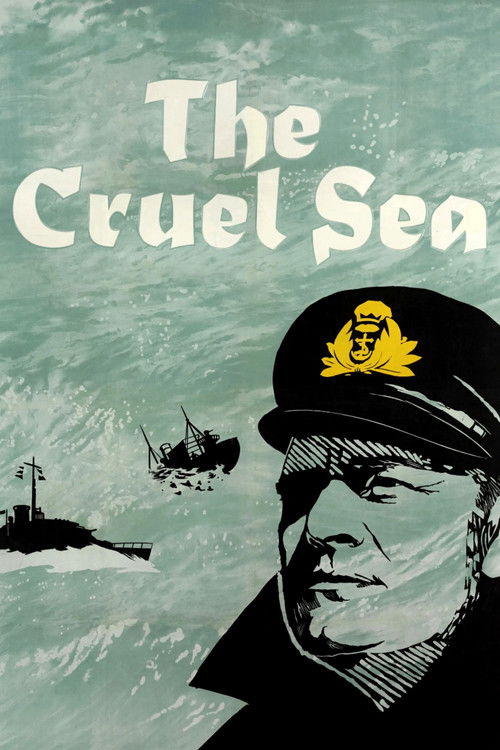
The Cruel Sea1953
Both are Allied naval films that refuse to dehumanize the German enemy or simplify the moral calculus of war.
A British convoy escort endures years of Atlantic warfare, losing men to U-boats and cold. It's *The Enemy Below* stretched across the full arc of the war: the same ocean, the same German adversary, the same grinding attrition that breaks captains and crews.
But It's sweeping rather than concentrated, British rather than American, and more interested in cumulative loss than tactical duels. Less a chess match, more a siege.
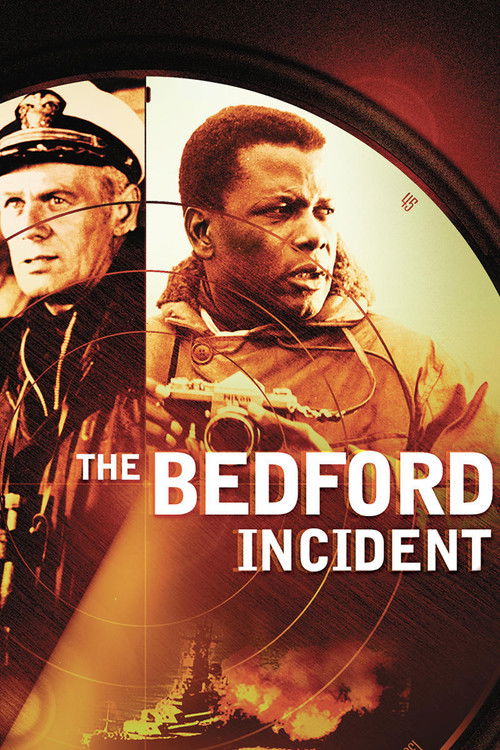
The Bedford Incident1965
Both are tense two-player strategic duels where the real battle is between commands; both ask whether respect and procedure can survive the pressure of war.
A Cold War cat-and-mouse between an American destroyer and a Soviet submarine that becomes a portrait of obsession and paranoia. It inverts *The Enemy Below*: instead of two honorable captains, you get a haunted American commander whose hunt becomes madness. Same structure, opposite moral trajectory.
But It's bleak, claustrophobic, and interested in how war mentality corrodes judgment. If you want *The Enemy Below* with a less ambiguous captain, this will disturb you.
People
Cast
 Robert MitchumCapt. Murrell
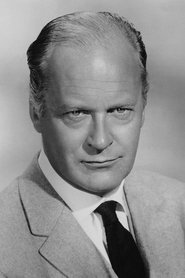 Curd JürgensKapitän von Stolberg
 David HedisonLt. Ware
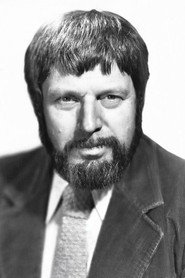 Theodore BikelHeinie Schwaffer
 Russell CollinsDoctor
 Kurt KreugerVon Holem (uncredited)
 Frank AlbertsonLt. J.G. Crain
 Biff ElliotQuartermaster
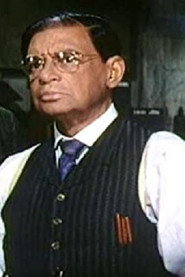 Michael McHaleGerman Soldier
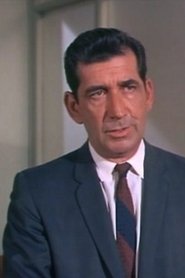 Alan DexterLt. Mackeson (uncredited)
- Joe Di RedaBMSN Robbins (uncredited)
- Robert BoonChief Engineer
Directing
- Arthur LuekerAssistant Director
- Dick PowellDirector
Writing
- D.A. RaynerNovel
- Wendell MayesScreenplay
Production
- Dick PowellProducer
Recommended by
Das Boot, Crimson Tide, The Bedford Incident, U-571, The Cruel Sea, Sink the Bismarck!, Run Silent, Run Deep, Above Us the Waves, Greyhound, Das Boot, Fighter Squadron, The Battle of the River Plate, Dunkirk, Torpedo Run, The Final Countdown, We Dive at Dawn, The McKenzie Break, Action in the North Atlantic, The Sea Wolves, Hellcats of the Navy, Destination Tokyo, Crash Dive, Murphy's War, Hell Below, International Squadron, Angels One Five