
Film
Hell Below
A 1933 submarine drama that tangles combat claustrophobia with romantic jealousy. When a junior officer falls for his commanding officer's wife, professional discipline fractures under wartime pressure. It's earnest, tense, and grounded in the specific hell of being trapped underwater with men you can no longer trust.
If you liked this
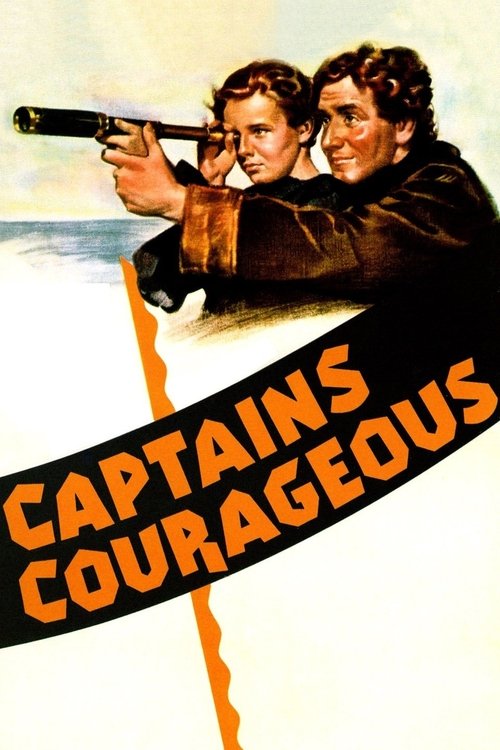
Captains Courageous1937
Spencer Tracy leads a stellar cast through a story of maritime hierarchy and redemption. Like Hell Below, it explores how men bound by duty navigate honour, resentment, and the sea's indifference.
But It's a studio picture of its era—occasionally sentimental, and the moral lessons land with theatrical weight rather than subtlety.
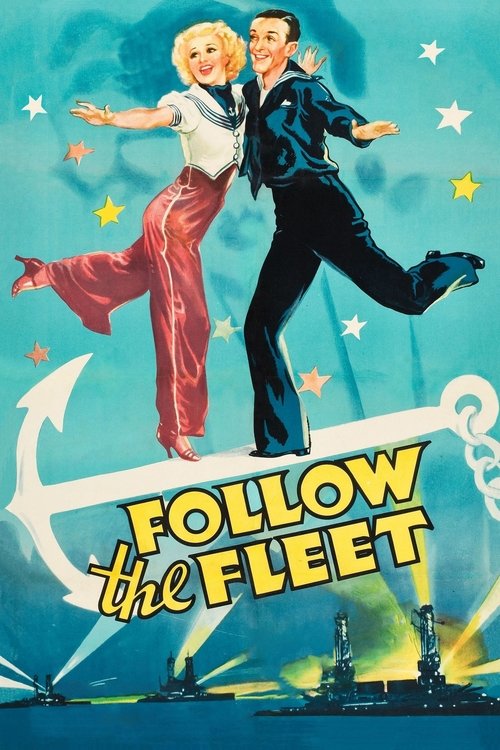
Follow the Fleet1936
Fred Astaire and Ginger Rogers anchor a naval romance that balances comedy, spectacle, and genuine feeling. It captures the same world of shore leave, desire, and duty that Hell Below explores, just with dancing.
But The musical numbers and lighter tone might feel at odds with what you're looking for if you want unbroken tension.
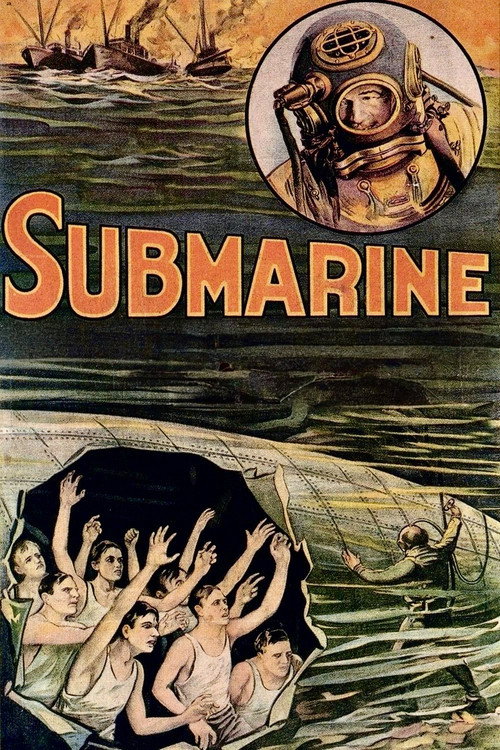
Submarine1928
An earlier dive into submarine crew dynamics and the strain of command. Silent, visceral, and fascinated by the machinery and the psychology of men working in extreme conditions.
But Silent cinema asks patience. The emotional register is broad and sometimes difficult to read by modern standards.
Not sure tonight? Get a pick in a minute, starting from Hell Below
The wildcard
Something you would not have found on your own.
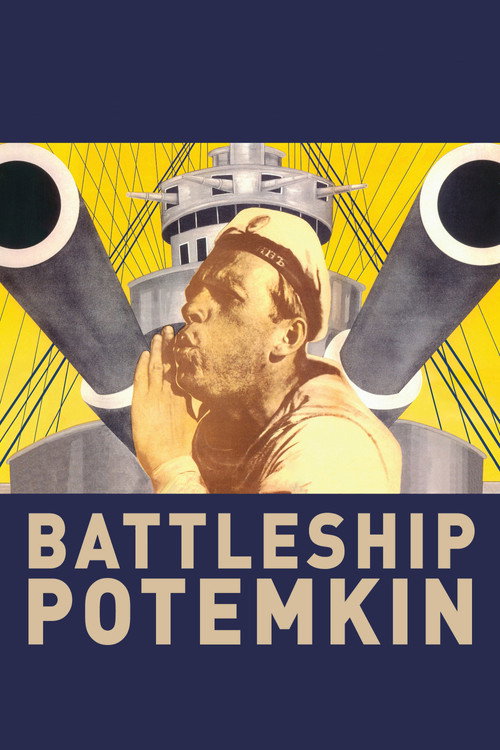
Battleship Potemkin1925
Both are about the fracturing of command and loyalty when the human and the institutional collide. Potemkin approaches it through revolution; Hell Below through jealousy—but the engine is the same: men trapped in a system that will not bend.
Sergei Eisenstein's revolutionary montage film uses a mutiny on a warship to examine the collision between personal humanity and systems of power. The famous Odessa Steps sequence aside, it's about the specific psychology of men forced into proximity under hierarchy and violence.
But It's a silent Soviet propaganda film; the style is formal and unfamiliar, and reading it requires accepting its radical politics as inseparable from its form.
More like this (8)
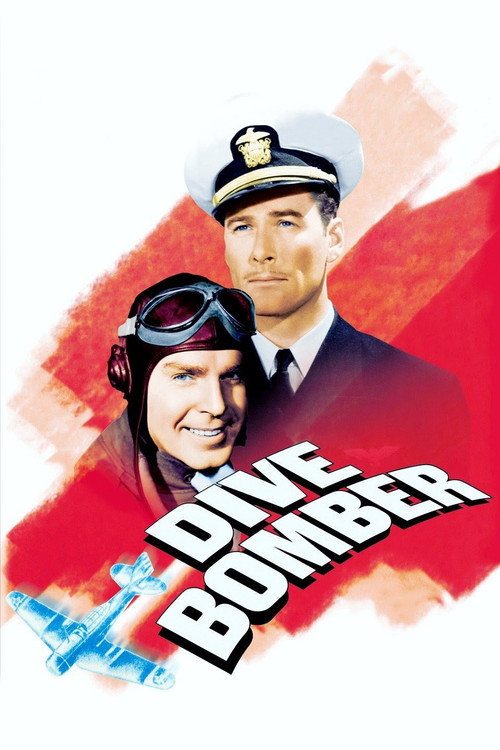
Dive Bomber1941
Errol Flynn and Fred MacMurray in a military drama about experimental aviation and the cost of progress. The conflict between ambition and duty echoes Hell Below's central tension.
But It's more of an adventure film than a character study; the personal stakes can feel secondary to spectacle.
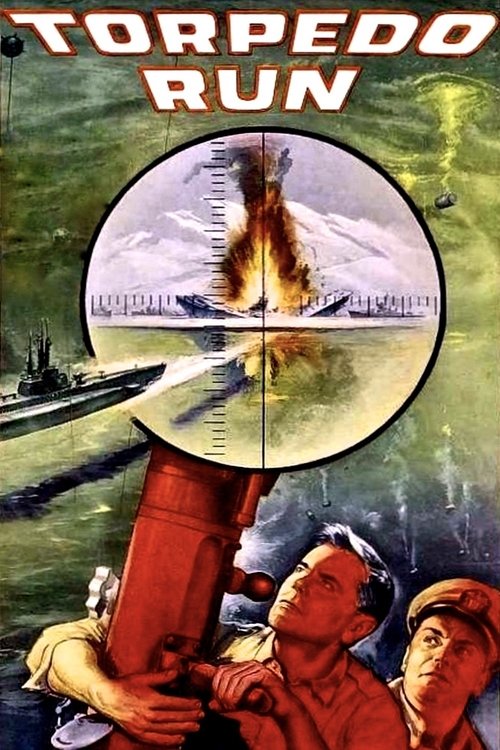
Torpedo Run1958
Glenn Ford commands a submarine hunting for a Japanese aircraft carrier. The paranoia, pressure, and moral grey areas of command during wartime are its real subject.
But The Cold War-era politics and some dated attitudes toward its Japanese characters may feel uncomfortable or distracting.
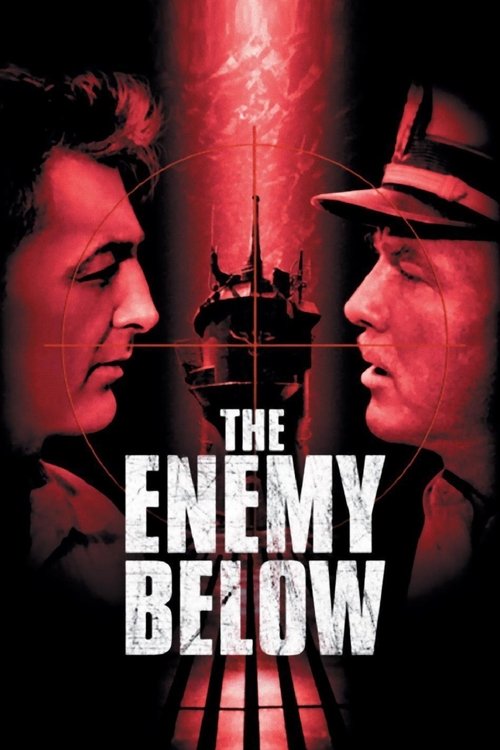
The Enemy Below1957
Curd Jürgens and Robert Mitchum in a submarine cat-and-mouse thriller that respects both sides of the conflict. It's about men caught in systems larger than their personal grievances.
But The pacing is deliberate; if you want action, you'll find long stretches of waiting and strategy instead.
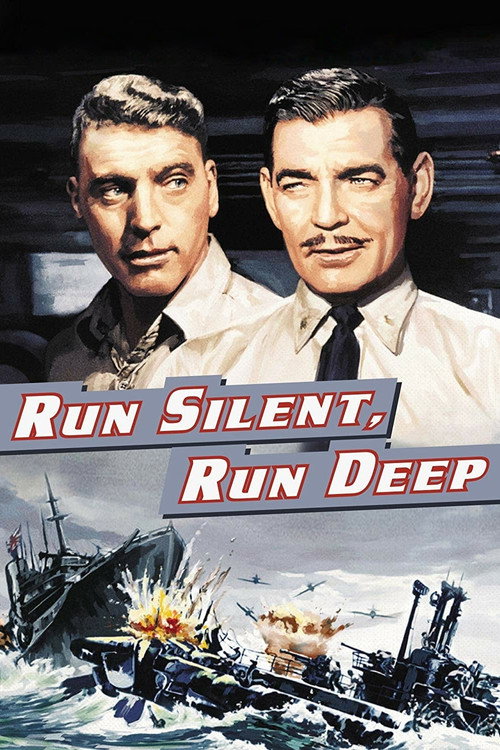
Run Silent, Run Deep1958
Clark Gable and Burt Lancaster explore obsession, duty, and the fracture between a captain's personal vendetta and his crew's survival. The submarine becomes a pressure cooker for moral compromise.
But It's a revenge narrative at heart, which can feel smaller than the wartime stakes it inhabits.
The Citadel1938
Robert Donat plays a doctor torn between idealism and ambition, professional integrity and personal desire. The internal conflict mirrors Hell Below's exploration of duty colliding with want.
But It's a drama of quiet moral failure rather than external action; very interior, and slow to those impatient with introspection.

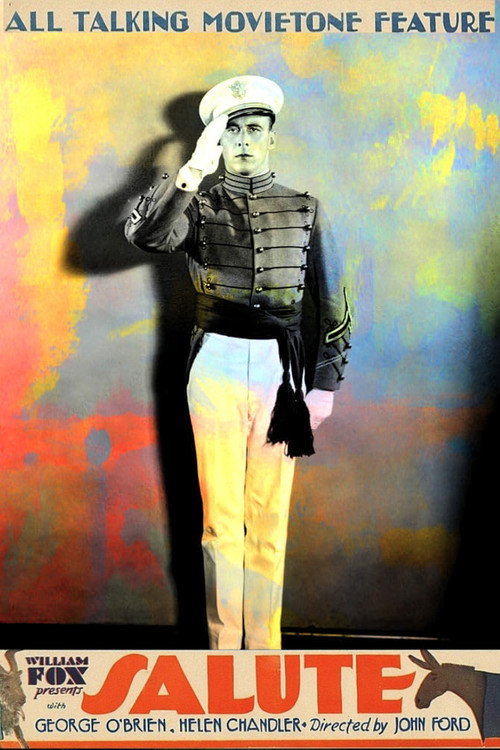
Salute1929
John Ford's early sound film about Naval Academy cadets learning that honour isn't simple. It captures the rigidity and emotional cost of military culture without sentimentalising it.
But It's a Ford picture from the tail end of silent cinema—the acting style can read as theatrical, and the plot is straightforward.
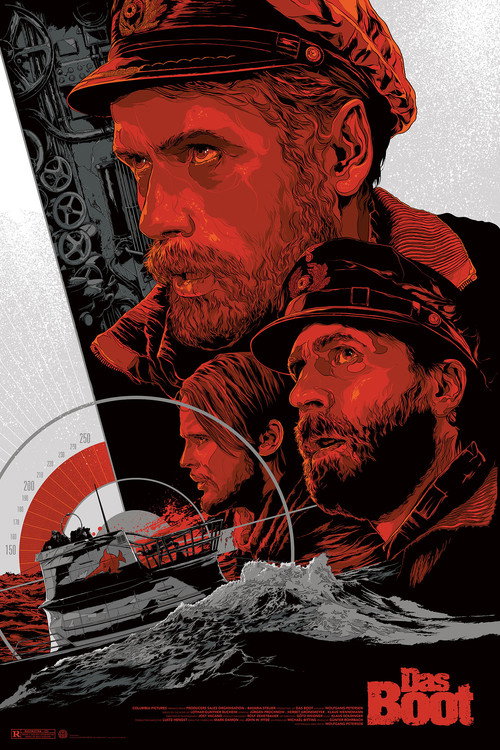
Das Boot1981
Where Hell Below treats the submarine as the stage for romantic and military drama, Das Boot makes the submarine itself the antagonist. Both understand that the vessel and its crew psychology are inseparable—but Das Boot goes further, making the confinement itself the story.
Wolfgang Petersen's German submarine film is the definitive portrait of the U-boat experience: claustrophobia, futility, and the slow erosion of sanity. It's visceral, unglamorous, and completely hypnotic.
But At over three hours, it's an endurance test. The submarine rarely surfaces, the outcome is known, and hope evaporates gradually rather than in a crisis moment.
The Ascent1977
Both are about men in extreme conditions discovering that the system they serve may be worth less than the bonds between them—and the devastation of that realisation. Where Hell Below resolves this through romantic jealousy, The Ascent explores it as a question of faith and survival.
Andrei Konchalovsky's film follows two Soviet partisans trudging through snow and suffering toward an unclear fate. It's a study of endurance, faith, and the point at which duty becomes cruelty to oneself. Visually stark, philosophically uncompromising.
But It's bleak, slow, and deliberately hostile to catharsis. The landscape is as indifferent as the sea, and the men's suffering never resolves into triumph.

People
Cast
 Robert MontgomeryLieut. Thomas Knowlton USN
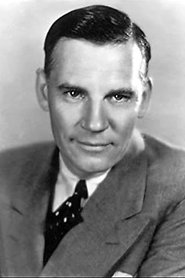 Walter HustonLieut. Comdr. T.J. Toler USN
 Madge EvansJoan
 Jimmy DurantePtomaine' - Ships Cook
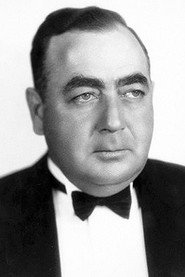 Eugene PalletteMac Dougal - Chief Torpedo Man
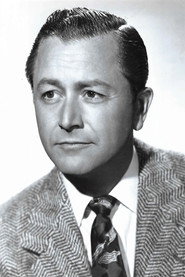 Robert YoungLieut. (JG) 'Brick' Walters
 Edwin StylesHerbert Standish - Flight Comdr.
 John Lee MahinLieut. (JG) 'Speed' Nelson
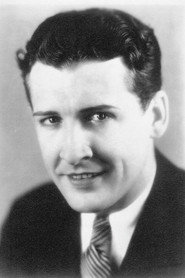 David NewellLieut. (JG) Radford
 Sterling HollowaySeaman Jenks
- Charles IrwinBuck Teeth Sergeant
Directing
- Jack ConwayDirector
Writing
- Edward EllsbergBook
- Laird DoyleWriter
- Raymond L. SchrockWriter
Production
- Paul WilkinsCasting Director