
Film
The Citadel
A newly qualified Scottish doctor trades his idealism for London wealth, exploiting hypochondriac patients until tragedy forces a reckoning. Robert Donat and Rosalind Russell anchor this 1938 drama about professional compromise and moral awakening, made when such questions felt urgently modern. It's a character study dressed as a love story—intimate, thoughtful, occasionally heavy-handed.
Should you watch it?
Watch it if you are drawn to earnest, slow-building stories about a principled person slowly compromised by money and comfort, and you want the moral argument played out in performance rather than speeches.
Skip it if you need brisk pacing or constant incident, because this is a talky, sober film about professional ethics and its early stretches move at the speed of a country practice.
What it asks of you: Give it a patient 110 minutes of long conversations and a gradual build rather than set pieces, and expect a tone that stays earnest rather than light.
Not sure? Find tonight's pick in a minute.
If you liked this
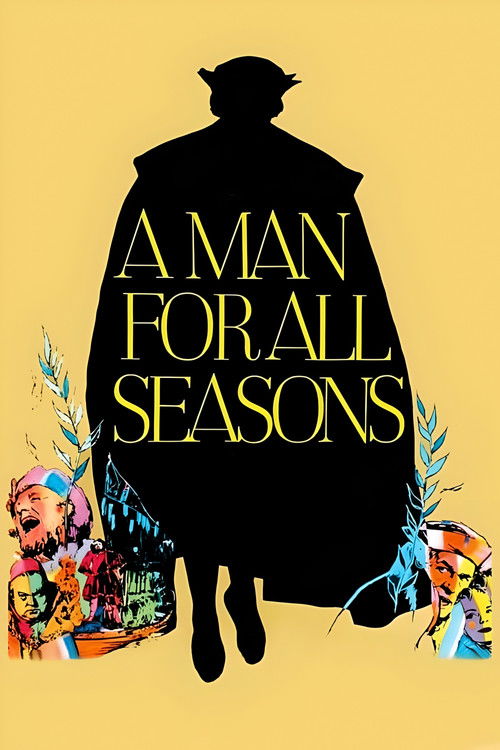
A Man for All Seasons1966
Paul Scofield's Thomas More faces the same central conflict: career advancement versus conscience. This Oscar winner explores what happens when principle refuses to bend, with the same measured moral gravity and period-drama craftsmanship.
But It's stagy and dialogue-heavy, more interested in rhetoric than action. Scofield's performance, while brilliant, can feel remote.
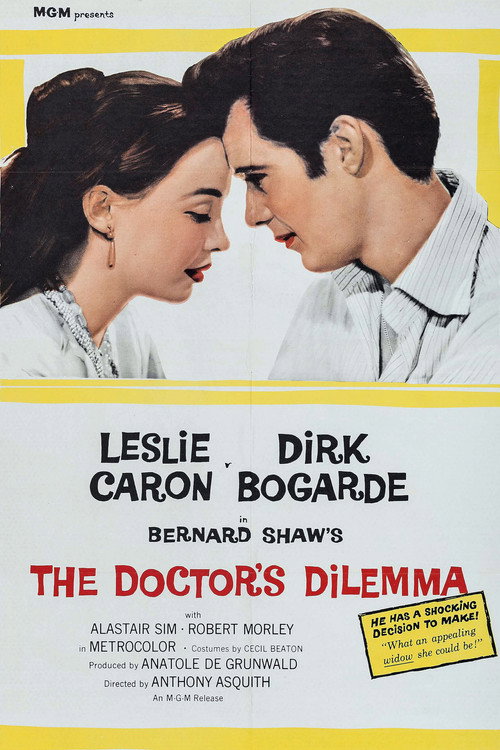
The Doctor's Dilemma1959
Shaw's play about physicians choosing whom to save, filmed multiple times but never better than the Cukor 1941 version. It asks identical questions about medicine, money, and morality, but with sharper wit and deeper paradox.
But Shaw's dialectics can overwhelm character. The film risks becoming a debate rather than a drama.
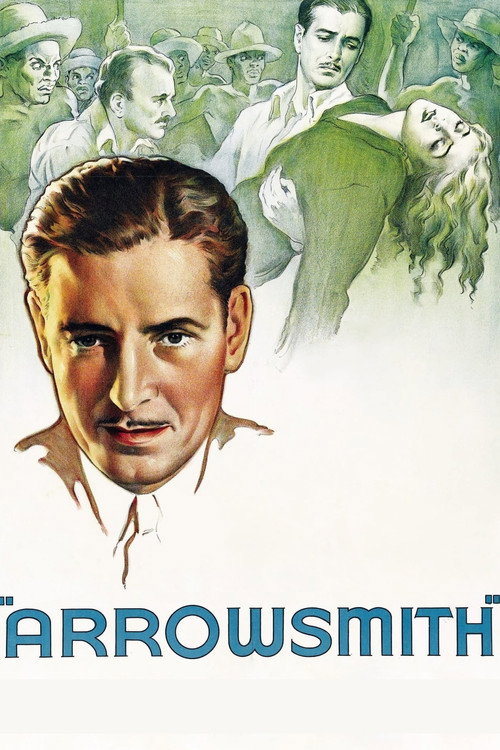
Arrowsmith1931
Ronald Colman as a doctor pulled between scientific integrity and commercial temptation. Made just before The Citadel, it covers nearly identical terrain but with more visual invention and a stronger sense of place in Africa.
But Early sound cinema can feel stilted. The romance subplot is genuinely tedious and takes up too much screen time.
Not sure tonight? Get a pick in a minute, starting from The Citadel
The wildcard
Something you would not have found on your own.
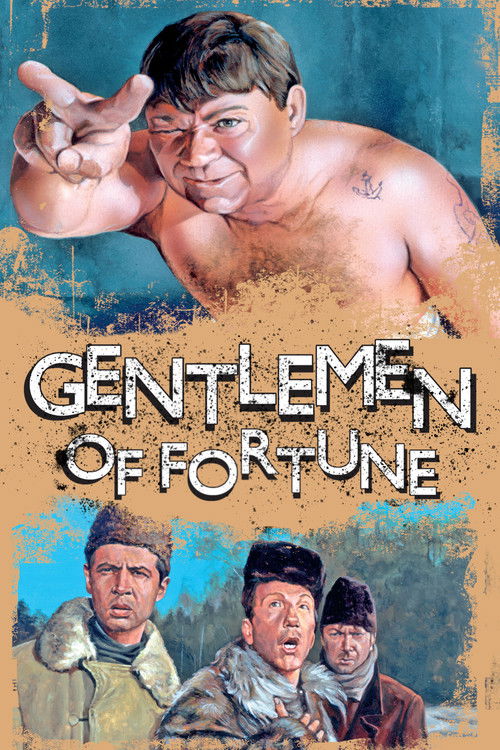
Gentlemen of Fortune1971
Both charts the collapse of identity and the terrifying ease with which we become what we pretend to be, even with the best intentions.
A Soviet film where a kindergarten teacher is mistaken for a criminal. It's a genre entirely different from The Citadel—a caper, almost a comedy—but it shares the same engine: a good man forced to inhabit a role, watching it reshape him from inside.
But It's in Russian with subtitles, made in the USSR and largely forgotten in the West. The humour is not American-style; it takes patience.
More like this (7)
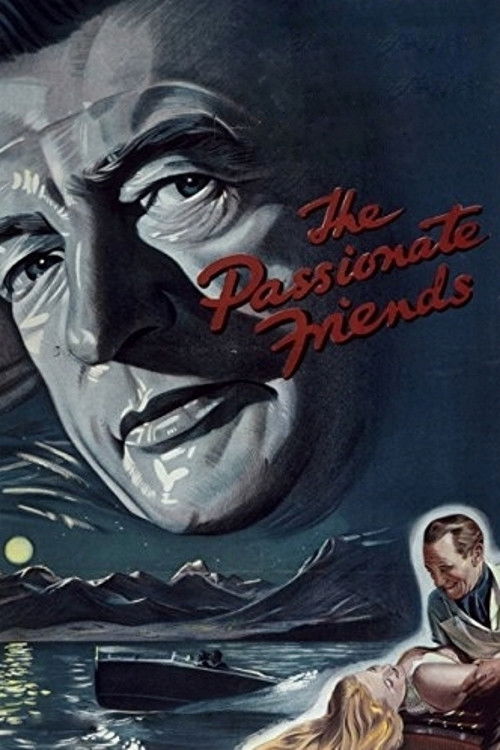
The Passionate Friends1949
David Lean directs Claude Rains and Ann Todd in an adult drama about the costs of respectability. Like The Citadel, it refuses easy answers about duty and desire, with Lean's visual sophistication elevating the material.
But The narrative is fragmented and sometimes confusing. It demands patience and rewards it unevenly.
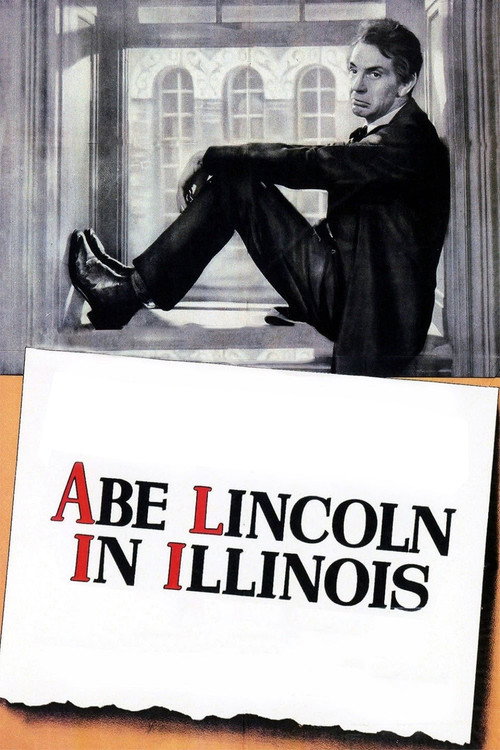
Abe Lincoln in Illinois1940
Raymond Massey embodies a man shaped by principle, watching his ideals survive contact with politics and power. A character-focused biopic that shares The Citadel's interest in integrity under pressure.
But It's long, slow, and American—a very different register from the intimate Welsh scenes that ground the Donat film.
The Best Years of Our Lives1946
William Wyler's masterpiece about men returning to civilian life and finding their values have shifted. Like The Citadel, it measures the gap between who we were and who we've become, with genuine warmth for its characters.
But Nearly four hours long. Its sentimentality about America's promise can feel dated and, to modern eyes, naive.

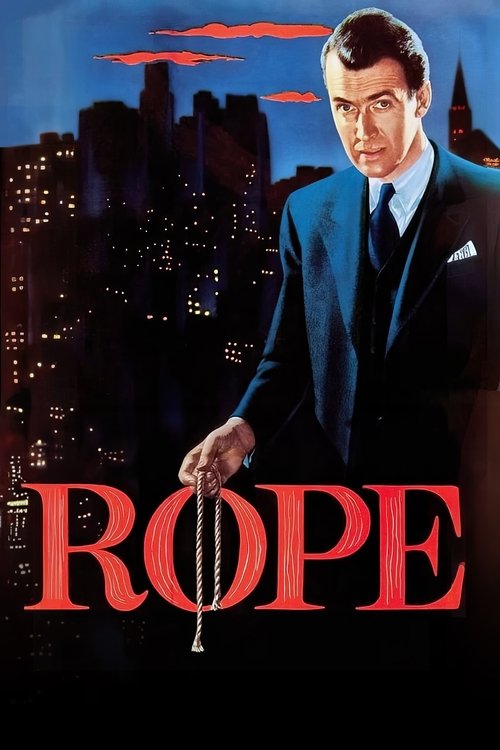
Rope1948
Hitchcock's confined moral thriller where two men commit murder and invite their mentor to dinner. A completely different genre, but it shares The Citadel's interest in how educated, civilised men justify the unjustifiable.
But The gimmick—filmed in real time with hidden cuts—shows. Some find it mannered rather than thrilling.
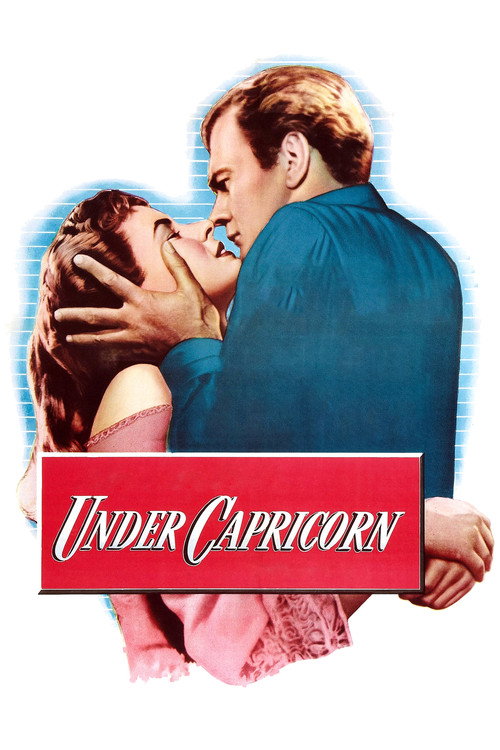
Under Capricorn1949
Another Hitchcock: a woman undone by her husband's moral weakness, set in colonial Australia. A secondary title, but it broods on similar questions about reputation, secrecy, and the impossibility of escape.
But Hitchcock considered it a failure. It's murky, slow, and sometimes confused about what it wants to be.
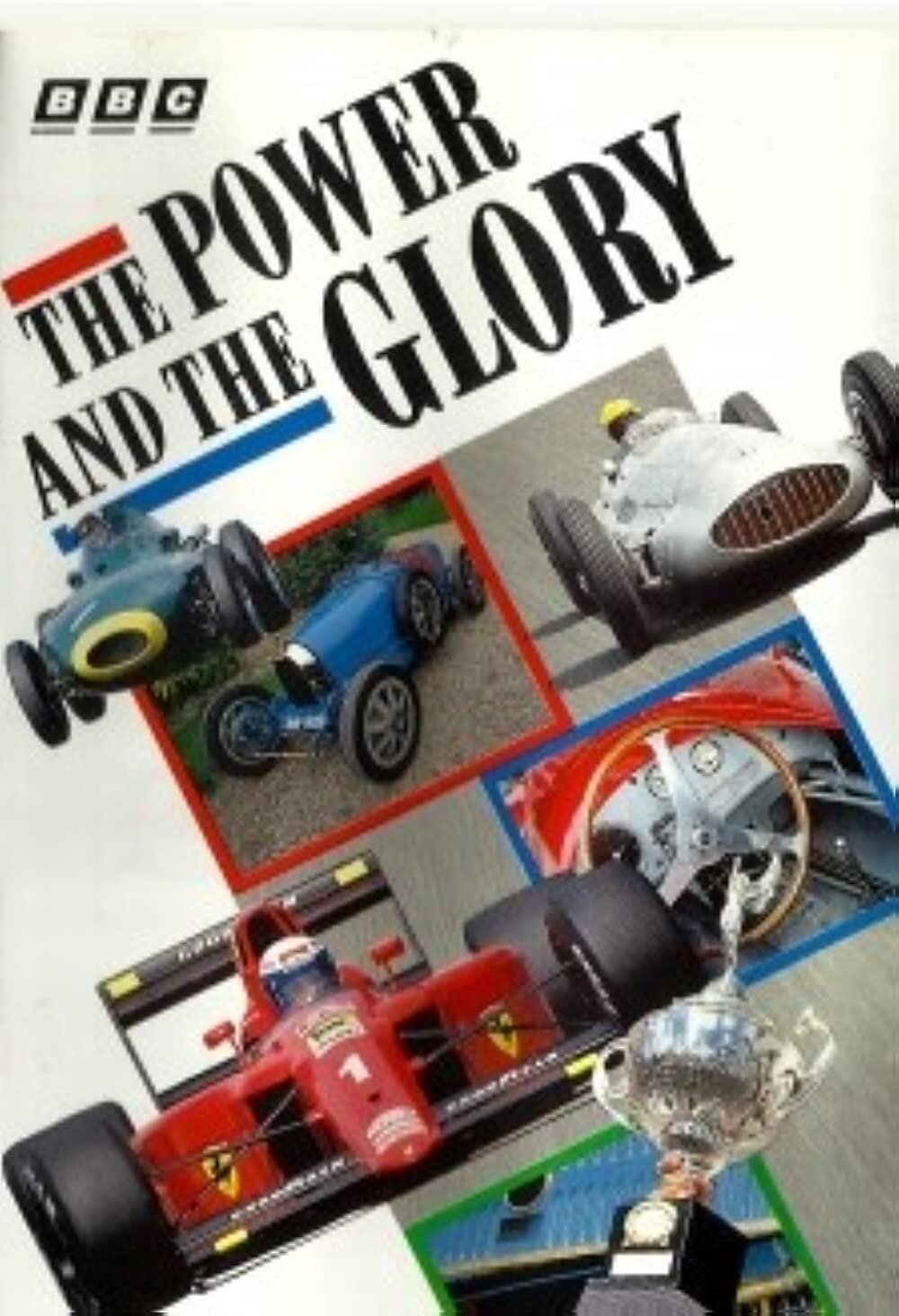
The Power and the Glory1991
Both are about spiritualised men—doctor and priest—undone by the world's ordinary corruptions. Both refuse consolation.
Graham Greene's miniature masterpiece (the 1940 film, or Terence Davies' 2006 television version). A priest in Mexico reckons with compromise, failure, and whether salvation is possible for men who have betrayed themselves.
But It's bleak and Catholic in a theological way that modern viewers sometimes find impenetrable. There is almost no plot, only moral agony.
Ikiru1952
Both measure a man's life against his work and find it desperately short. Both are elegies for unlived lives, and both suggest that the reckoning often comes too late.
Kurosawa's film of a dying Japanese bureaucrat who discovers, too late, what work should have meant. Not a doctor, but a man who spent his life on empty ritual until he suddenly understands he has wasted it.
But It's slow, relentlessly sad, and does not build toward catharsis. Japanese cinema of this era requires adjustment; the emotional register is very different.

People
Cast
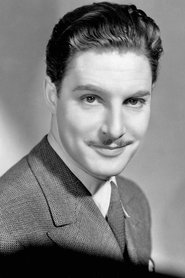 Robert DonatDr. Andrew Manson
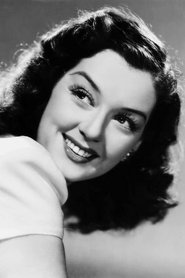 Rosalind RussellChristine Manson
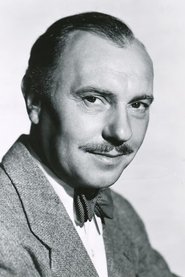 Ralph RichardsonDr. Philip Denny
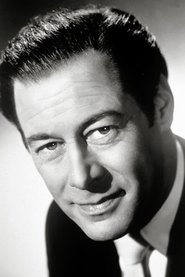 Rex HarrisonDr. Frederick Lawford
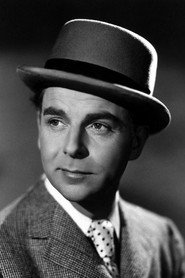 Emlyn WilliamsOwen
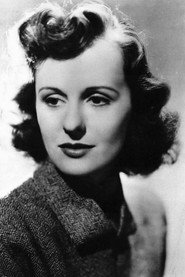 Penelope Dudley-WardToppy LeRoy
- Francis L. SullivanBen Chenkin
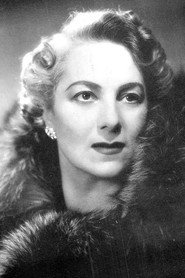 Mary ClareMrs. Orlando
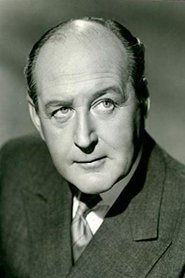 Cecil ParkerDr. Charles Every
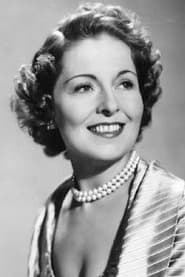 Nora SwinburneMrs. Thornton
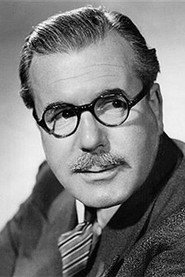 Edward ChapmanJoe Morgan
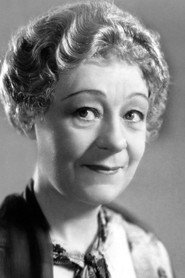 Athene SeylerLady Raebank
Directing
- Pen TennysonAssistant Director
- King VidorDirector
Writing
- A.J. CroninNovel
- Elizabeth HillScreenplay
- Frank WeadScreenplay
- Ian DalrympleScreenplay
Production
- Hayes GoetzExecutive Producer
- Victor SavilleProducer
- Harold BoxallProduction Manager
Recommended by
The Royal, The Knick, Rumpole of the Bailey, Young Dr. Kildare, The Story of Louis Pasteur, The Passing of the Third Floor Back, This Above All, Little Dorrit, A Farewell to Arms, Regeneration, The Demi-Paradise, The Stratton Story, Arrowsmith, The Doctor's Dilemma, The House of God, A Woman of Substance, The Inn of the Sixth Happiness, The Rains Came, A Man to Remember, You Can't Go Home Again, Song of Love, Mannequin, The Common Touch, Florence Nightingale, So Big!, Hell Below, Interrupted Melody, Vigil in the Night