
Film
Under Capricorn
Hitchcock's sole Australian venture. Ingrid Bergman as a woman dissolved by drink and trauma, tethered to an ex-convict husband in 1830s Sydney. Lush, claustrophobic, morally messy—a psychological study dressed as period melodrama. For those who love cinema that dwells in the darker corners of the soul.
Should you watch it?
Watch it if you respond to Hitchcock's slow-building, claustrophobic style, where a fragile marriage and a buried secret matter more than the plot's twists, and you enjoy handsome period melodrama shot with restless, roving camera work.
Skip it if you need brisk pacing or clear forward momentum, since much of the film lingers over talk, tension and atmosphere, and its nineteenth-century colonial setting may feel stagey and talky to a modern eye.
What it asks of you: It asks for patience and close attention to faces and silences, with a long runtime of nearly two hours where the emotional weather builds slowly and the drama stays intimate rather than sweeping.
Not sure? Find tonight's pick in a minute.
If you liked this
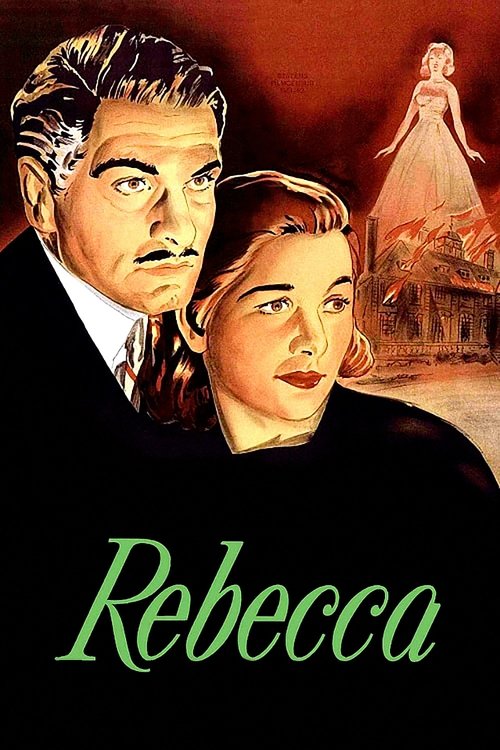
Rebecca1940
Hitchcock's earlier masterpiece of Gothic unease and female anxiety. A young woman enters a grand house haunted by the presence of the first wife. Bergman echoes this note of psychological vulnerability in a colonial setting.
But Slower than his other thrillers, and the psychological games can feel overwrought by modern standards.
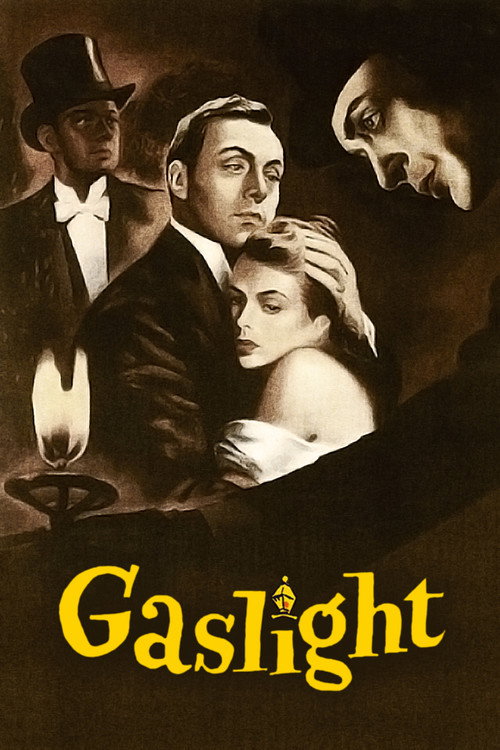
Gaslight1944
Ingrid Bergman in an Oscar-winning role as a woman manipulated into madness by her husband. Same actress, same exploration of how intimacy becomes a weapon. A masterclass in psychological torment.
But The emotional abuse is relentless and difficult to sit with—not escapist entertainment.
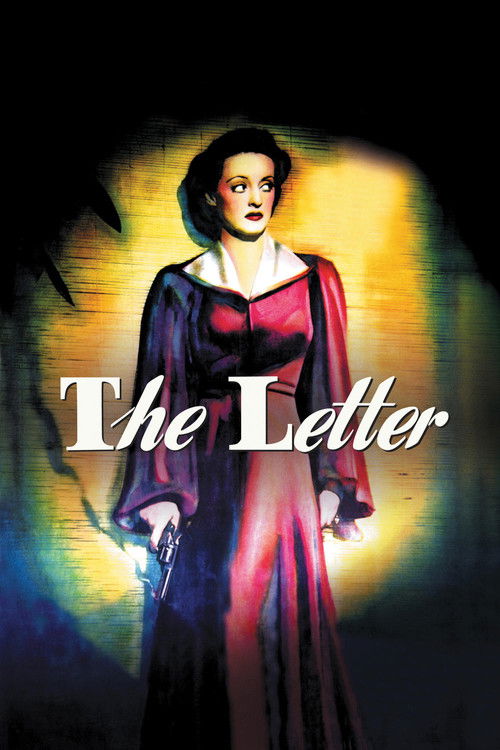
The Letter1940
Bette Davis in tropical malaise, a woman destroyed by circumstance and her own secrets, trapped in a marriage that is essentially a prison. That same sense of heat and decay and inescapable consequence.
But Very much a product of 1940s attitudes toward women and desire—some of it has aged poorly.
Not sure tonight? Get a pick in a minute, starting from Under Capricorn
The wildcard
Something you would not have found on your own.
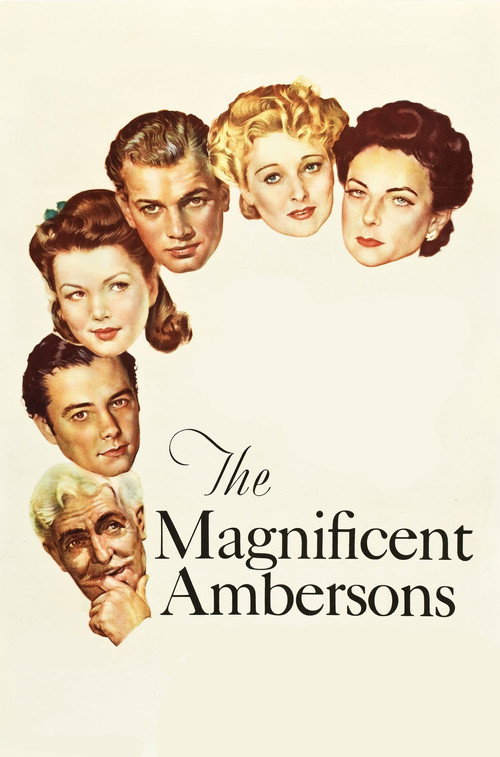
The Magnificent Ambersons1942
Both examine how the past—family shame, social disgrace—eats away at the present moment. Both use sprawling mansions and colonial settings as expressions of interior decay.
Welles's film about a family rotting from within, about pride and ruin and the past as an active poison. Like Under Capricorn, it's about the collision of Old World social hierarchies with human mess. Visually baroque where it needs to be.
But The second half was recut by studio hands and feels choppy. And it's a sprawling ensemble piece rather than a focused character study.
More like this (8)
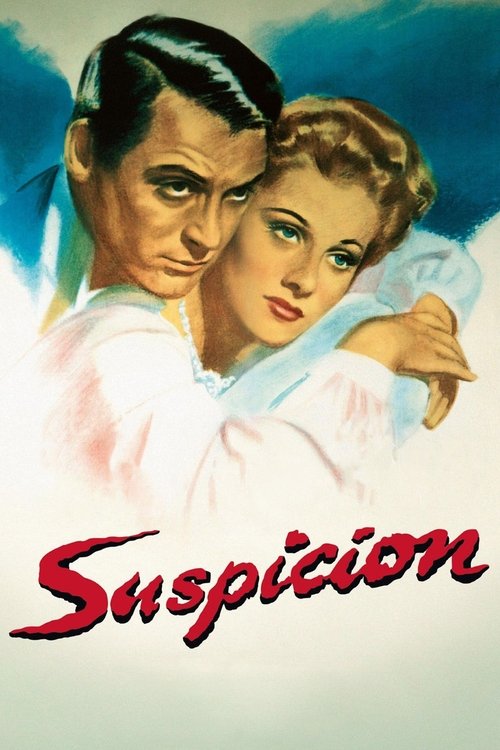
Suspicion1941
Cary Grant and Joan Fontaine in a marriage that might be a murder plot. Hitchcock exploring how intimacy breeds paranoia, how you can love someone and fear them equally.
But The ending is famously compromised by studio interference, and it shows.
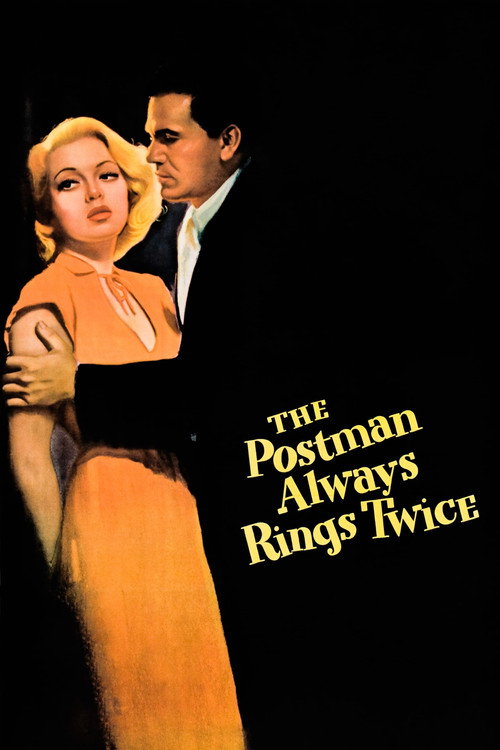
The Postman Always Rings Twice1946
Lana Turner and John Garfield in a noir marriage of lust and complicity, built on murder and resentment. A different genre but the same exploration of couples bound by crime and desire.
But Much pulpier and less psychologically intricate—it moves fast where Under Capricorn broods.
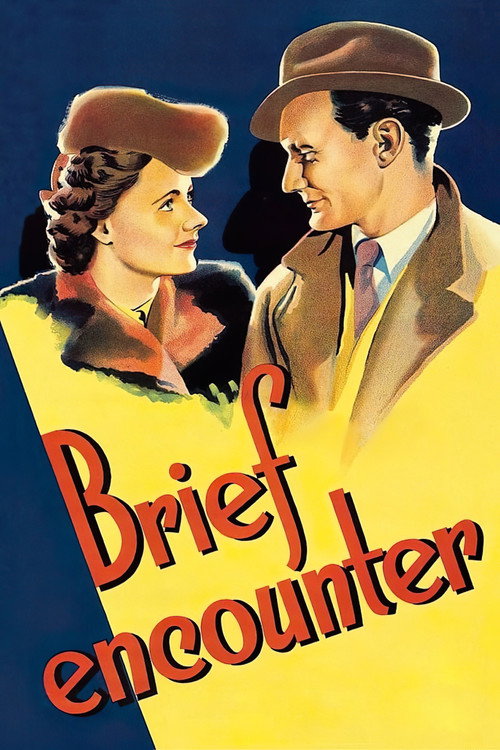
Brief Encounter1945
Noel Coward's exquisite study of passion constrained by duty and respectability. Two people bound by convention and circumstance, their desires at war with their obligations. The emotional precision is extraordinary.
But It's deliberately restrained, almost airless—not for viewers who need plot momentum or release.
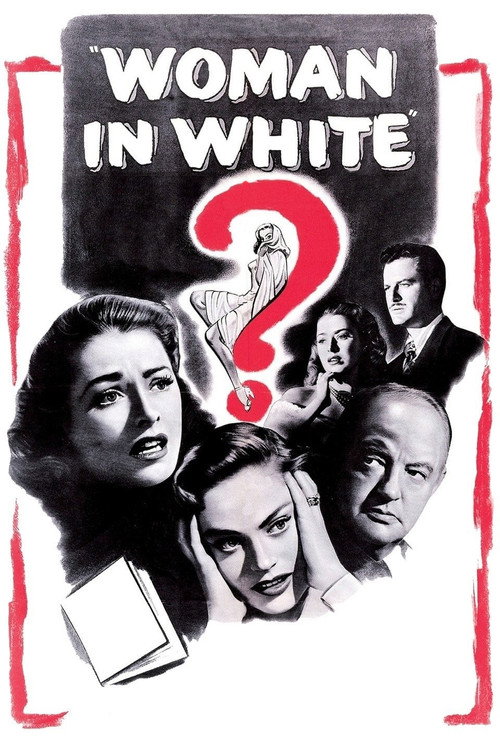
The Woman in White1948
A Victorian mystery about secrets buried in marriage and family. Like Under Capricorn, it finds menace in the drawing room and madness lurking beneath social propriety.
But A very conventional mystery, and the film gets tangled in its own plot mechanics.
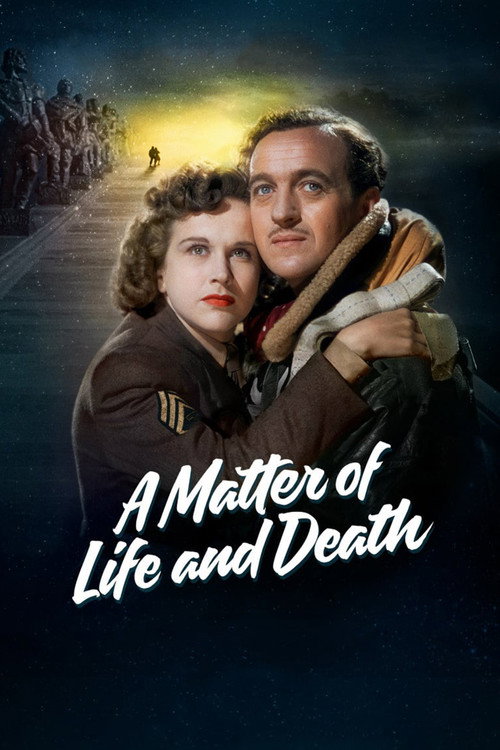
A Matter of Life and Death1946
Powell and Pressburger's metaphysical romance in Technicolor. A woman choosing between safety and passion, duty and love. Visually sumptuous in the way Under Capricorn aspires to be.
But The fantasy sequences can feel affected, and the romantic resolution is almost saccharine.
The Killers1946
Burt Lancaster and Ava Gardner in a noir about a man destroyed by his past and the woman who destroys him. Same moral ambiguity, same sense of inescapable consequence.
But It's primarily a plot-driven thriller, not a psychological study—the character work is secondary.

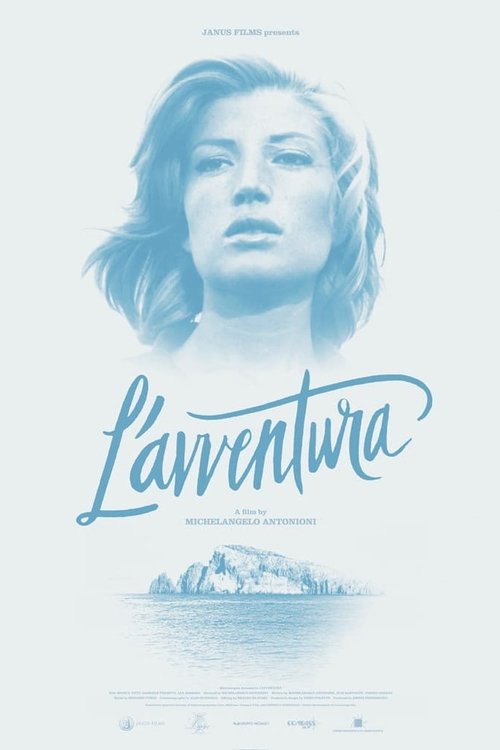
L'Avventura1960
Both films are skeptical of neat moral judgement. Both suggest that people are strangers even in marriage, especially in marriage. Both find tragedy in the gaps between what we feel and what we can admit.
Michelangelo Antonioni's masterpiece of moral paralysis and erotic ambivalence. A woman vanishes; her friends move on and start sleeping together. The film doesn't judge; it observes how easily people drift from crisis to desire. Austere, hypnotic.
But It's three hours of oblique longing and conversation. Plot is minimal. Rewards patience and despises haste.
The Ballad of Little Jo1993
Both are about people building false lives in harsh colonial settings. Both ask: what happens when the false life becomes real? When survival requires you to become someone you aren't?
Maggie Greenwald's revisionist Western: a woman passes as a man in 1880s Montana, builds a life, finds love. Deliberately unglamorous, formally restrained. Under Capricorn in a different genre and era—about reinvention and the cost of secrets.
But Very deliberately slow and anti-dramatic. And the gender politics, while progressive, are academic rather than felt.

People
Cast
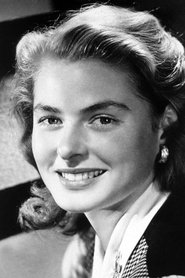 Ingrid BergmanLady Henrietta Flusky
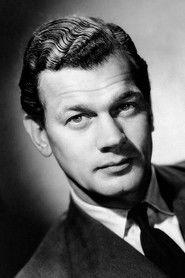 Joseph CottenSam Flusky
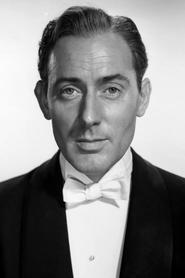 Michael WildingHon. Charles Adare
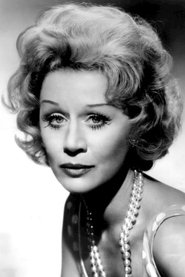 Margaret LeightonMilly
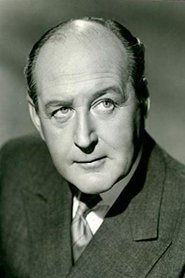 Cecil ParkerThe Governor
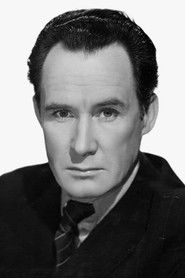 Denis O'DeaMr. Corrigan
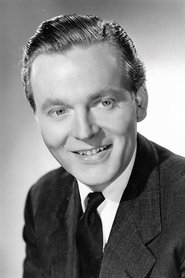 Jack WatlingWinter
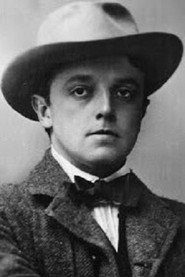 Harcourt WilliamsThe Coachman
- John RuddockMr. Potter
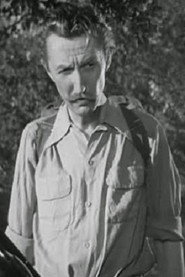 Bill ShineMr. Banks
- Victor LucasThe Rev. Smiley
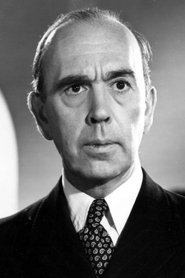 Ronald AdamMr. Riggs
Directing
- Cecil R. Foster KempAssistant Director
- Alfred HitchcockDirector
- Peggy RobertsonScript Supervisor
- Cliff OwenSecond Assistant Director
- John PellattThird Assistant Director
Writing
- Hume CronynAdaptation
- Helen SimpsonNovel
- Hume CronynScreenplay
- James BridieScreenplay
- Joseph ShearingScreenplay
- Marjorie BowenScreenplay
- Peter UstinovScreenplay
- John ColtonTheatre Play
- Margaret LindenTheatre Play
- John ColtonWriter
- Margaret LindenWriter
Production
- Margaret BonnarCasting
- Alfred HitchcockProducer
- Sidney BernsteinProducer
- Fred AhernProduction Manager
- Hazel SwiftProduction Secretary
- John PalmerUnit Manager
Recommended by
The Citadel, Experiment Perilous, The Butcher Boy, Blackmail, I'll Cry Tomorrow, Proof, Club Med, Quartet, They Were Sisters, Fanny by Gaslight, The Four Just Men, Captain Kidd and the Slave Girl