
Film
They Were Sisters
A 1945 British drama following three sisters into marriage, each discovering radically different fates. One finds contentment without children, another pursues escape through infidelity, the third endures psychological torment from a controlling husband. It's intimate and unflinching about marriage's capacity to either nurture or destroy, performed with remarkable restraint by an excellent cast.
If you liked this
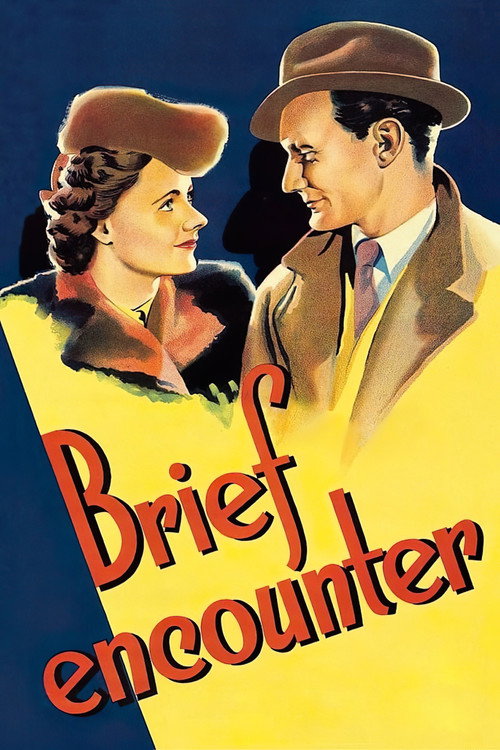
Brief Encounter1945
Released the same year, this Noël Coward adaptation captures the same post-war British sensibility: passionate feeling constrained by propriety, adultery as both temptation and tragedy. Laura's emotional life is far more vividly rendered than her marriage.
But The pacing is deliberately measured, almost glacial by modern standards. If you need plot momentum, you'll find long stretches of meaningful glances instead.
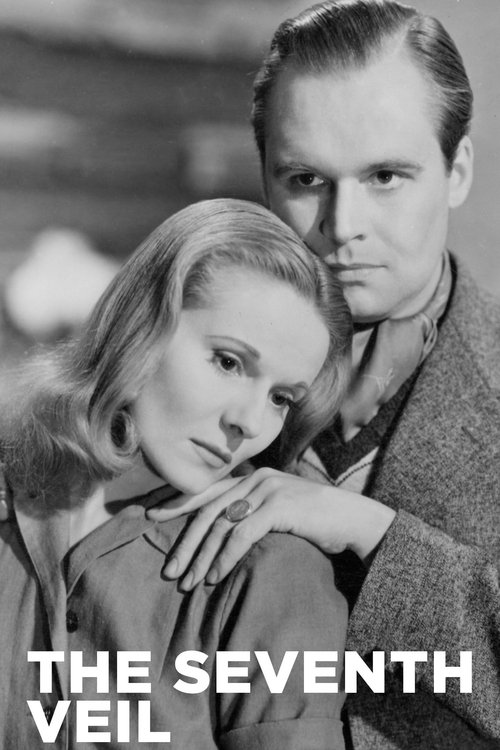
The Seventh Veil1945
Also 1945, also British, also examining marriage and psychological control through a woman's perspective. James Mason appears here too, and the film shares its unflinching view of domestic unhappiness beneath respectable surfaces.
But The psychology feels dated now, relying on concepts of hysteria that have not aged well. Some will find it more patronizing than it intends.
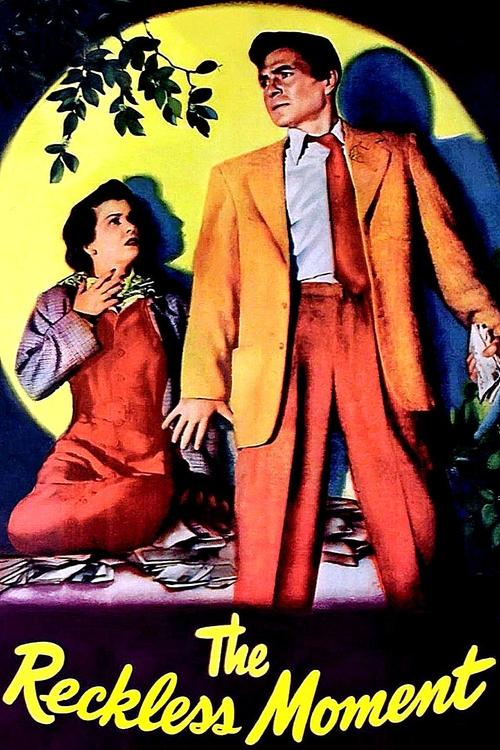
The Reckless Moment1949
Ophüls directs Joan Bennett in a film about a woman trapped by circumstance and a man's will. Like They Were Sisters, it's absorbed in the textures of marriage under pressure, the small cruelties of domestic life.
But It's slower and more European in feel than the British reserve of They Were Sisters. Some will find it airless.
Not sure tonight? Get a pick in a minute, starting from They Were Sisters
The wildcard
Something you would not have found on your own.
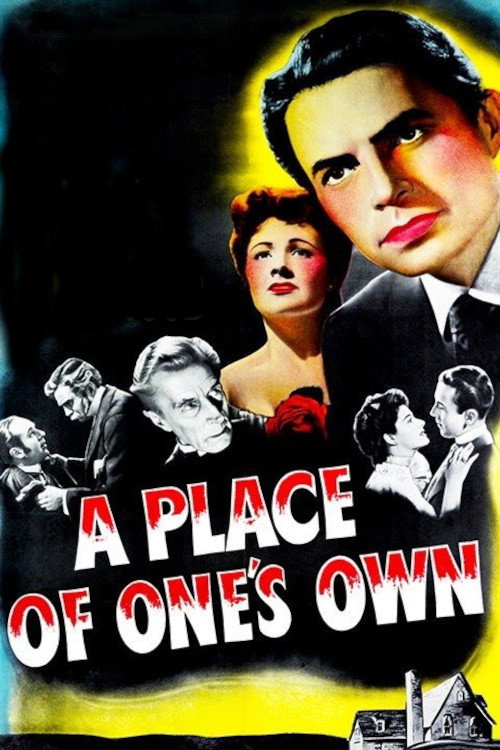
A Place of One's Own1945
Both films center on women discovering themselves through transgression and escape—one through infidelity, one through haunting. Both ask what a woman becomes when she steps outside the bounds of her marriage.
Released the same year but an entirely different register—a ghost story, almost a fairy tale, where Barbara Mullen's character finds autonomy through supernatural escape rather than adultery or endurance. It offers the same actresses and crew the chance to imagine an alternative life, but sideways into the fantastic.
But It's genuinely odd and doesn't quite work. The tonal shifts between domestic realism and gothic whimsy are jarring, and the resolution feels unearned.
More like this (6)
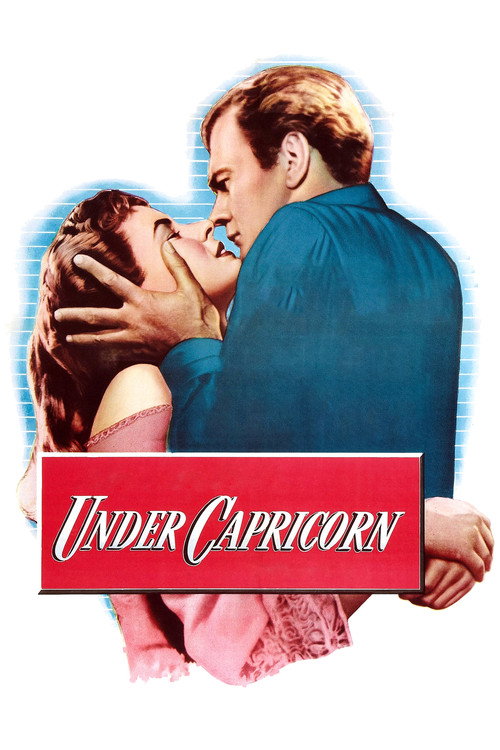
Under Capricorn1949
Hitchcock made a character study about a woman broken by her husband's possessiveness and unpredictability. Raw and deeply uncomfortable in ways that anticipate later psychological thrillers.
But It's one of Hitchcock's least successful experiments. The Technicolor is garish, the pacing ungainly, and it feels painfully uncertain of what it's doing.
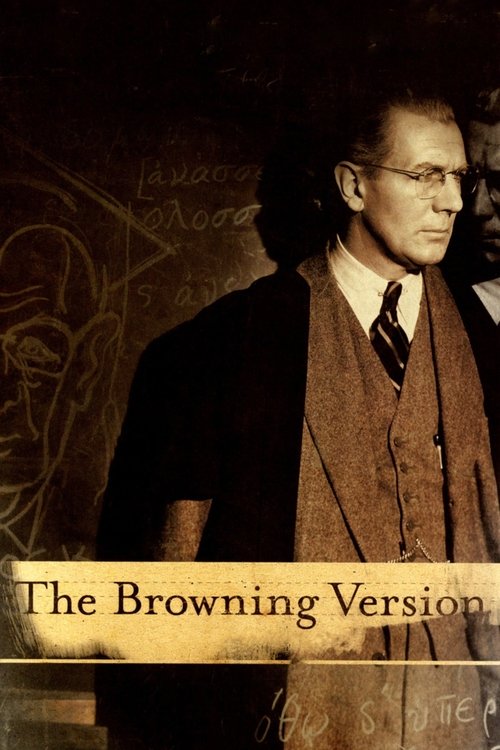
The Browning Version1951
Terence Rattigan's study of a marriage that has rotted from the inside, performed by Michael Redgrave with devastating quiet. Shares the same restrained British drama, the same willingness to let unhappiness speak for itself.
But Nothing much happens. If you're looking for resolution or catharsis, you won't find it—only recognition.
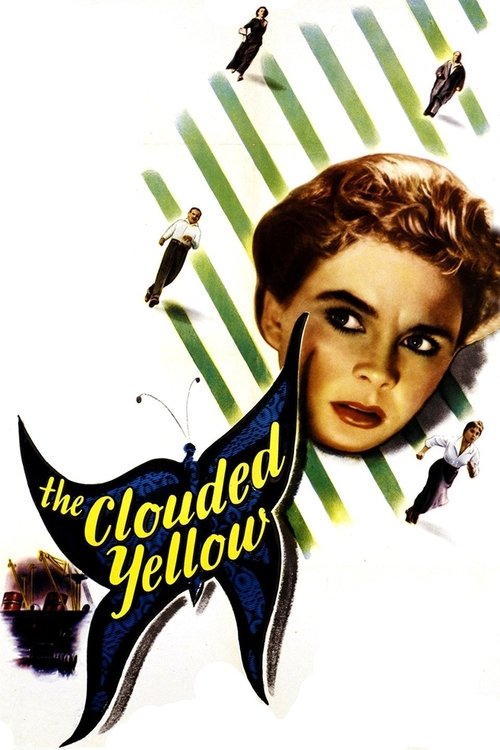
The Clouded Yellow1950
Jean Simmons and Trevor Howard in a British thriller about desire and escape. It has the same meticulous attention to how marriage functions as a trap.
But The plot is increasingly contrived as it goes on. The more it relies on thriller mechanics, the less interesting it becomes.
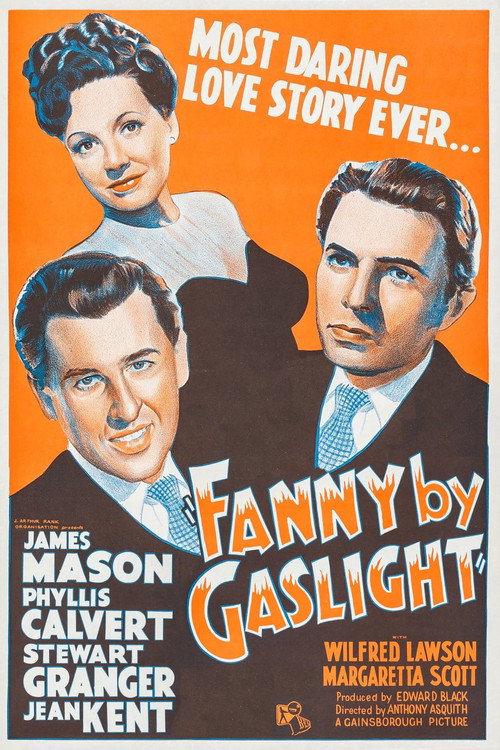
Fanny by Gaslight1944
A 1944 British melodrama about women and marriage, with Phyllis Calvert again. It shares the period setting and the willingness to take female unhappiness seriously.
But It's more conventional melodrama than They Were Sisters. The plotting is less subtle, the emotions more signposted.
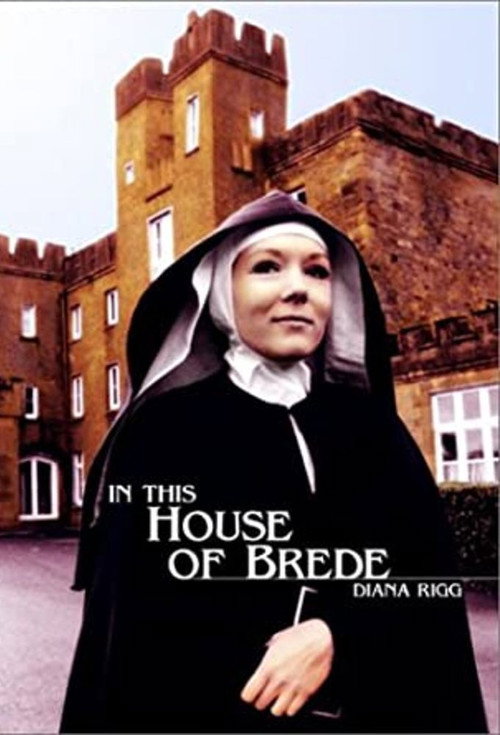
In This House of Brede1975
Where They Were Sisters shows three responses to marriage, this asks what happens when a woman refuses it entirely. Both films treat this as a serious moral and spiritual question, not a scandal.
A television film about a woman choosing a different life—a convent rather than marriage. Entirely different era, but it's a profound meditation on what happens when a woman rejects matrimony as the answer to her unhappiness. Diane Cilento's performance has the same quiet dignity as Phyllis Calvert's.
But It's slower than slow. Television pacing from 1975 means long sequences of women in silence. Many will find it tediously meditative.
Jeanne Dielman, 23, quai du Commerce, 1080 Bruxelles1976
Both films refuse to judge the women for the choices they make within constrained lives. Both insist that domestic life—marriage or its alternative—is worthy of close, unsentimental attention. Both are essays on female autonomy disguised as narratives.
Chantal Akerman's three-hour structuralist masterpiece tracks the daily rituals of a widow—cooking, cleaning, taking clients as a prostitute. It's a completely different form and era, but it's about the exact same thing: what marriage has prepared a woman for, and what she does when that structure fails or disappears.
But It's explicitly experimental and demands patience that most viewers do not have. Three hours of someone cooking potatoes and folding linens. It feels, often, like punishment.

People
Cast
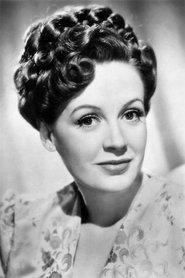 Phyllis CalvertLucy Moore
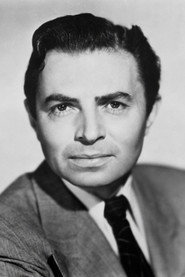 James MasonGeoffrey Lee
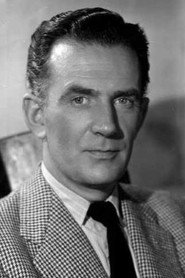 Hugh SinclairTerry Crawford
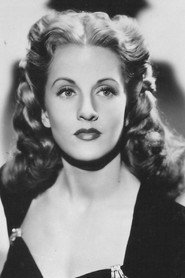 Anne CrawfordVera Sargeant
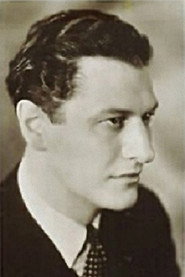 Peter Murray-HillWilliam Moore
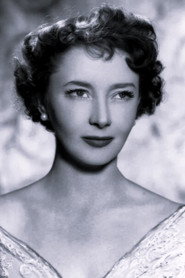 Dulcie GrayCharlotte Lee
- Barry LiveseyBrian Sargeant
 Pamela MasonMargaret Lee
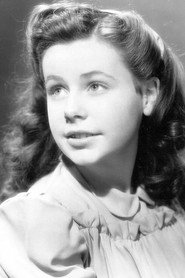 Ann StephensJudith
- Helen StephensSarah
- John GilpinStephen
 Brian NissenJohn
Directing
- Arthur CrabtreeDirector
Writing
- Katherine StruebyAdaptation
- Dorothy WhippleNovel
- Roland PertweeWriter