
Film
The Seventh Veil
A concert pianist emerges from a car crash with no memory, caught between her domineering guardian and the men who love her. This 1945 British psychological drama wraps trauma and desire in the guise of a mystery, building toward a famous twist that still provokes argument. Hypnotic and unsettling in equal measure—for anyone drawn to post-war melodrama with teeth.
Should you watch it?
Watch it if you like psychological melodramas where the music does as much emotional work as the dialogue, and gothic romance with a clinical edge appeals to you.
Skip it if you find sudden swells of strings and sighing close-ups hard to take seriously, because the film leans on atmosphere over plausible psychology.
What it asks of you: Expect a compact ninety-four minutes, unhurried in its middle stretches, with long held glances and music cues that linger longer than the talk.
Not sure? Find tonight's pick in a minute.
If you liked this
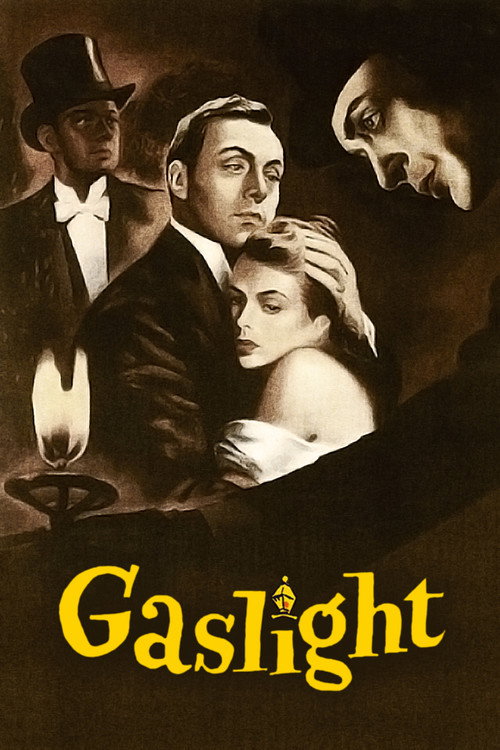
Gaslight1944
A woman questions her own sanity while her husband systematically manipulates her reality. The prototype for psychological abuse on screen, and the film that gave the phenomenon its name. Essential viewing.
But Moves slowly by modern standards, and the dynamic can feel claustrophobic by design. Some viewers find the resolution frustratingly tidy.
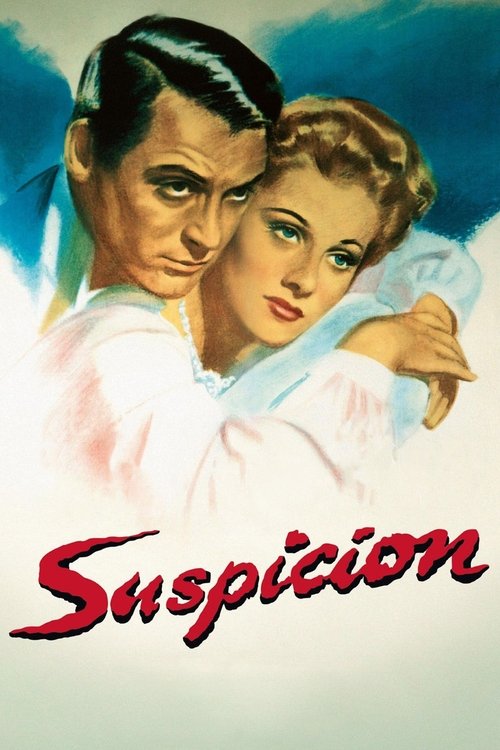
Suspicion1941
Cary Grant plays against type as a man his wife comes to suspect of murder. Hitchcock's exploration of how intimacy breeds doubt is elegant and paranoid, with a final twist that reframes everything.
But The ending was compromised by studio pressure, leaving some viewers dissatisfied. Grant's casting against type doesn't quite convince everyone.
The Third Man1949
A man in post-war Vienna chases the mystery of a dead friend and discovers betrayal written into the architecture of the city itself. Carol Reed's masterpiece of shadow and moral ambiguity, shot like a dream.
But Deliberately paced and deeply bleak. The zither score divides people strongly—some find it perfect, others find it intrusive.

Not sure tonight? Get a pick in a minute, starting from The Seventh Veil
The wildcard
Something you would not have found on your own.
The Red Shoes1948
Both are British dramas about talented women psychologically trapped by powerful men who claim to know what's best for them. Both use memory, trauma, and the body as the battleground. Both end with a choice that defines the woman's entire future—and both suggest the choice was never really hers to make.
A dancer is torn between art and love, between a Svengali impresario and a composer who adores her. Powell and Pressburger's ballet-obsessed masterpiece is visually transcendent—a film that moves like choreography.
But The film is *about* dance more than conventional drama. If ballet doesn't move you, the long sequences devoted to pure spectacle may feel self-indulgent. The romantic resolution is traditional by modern standards.

More like this (8)
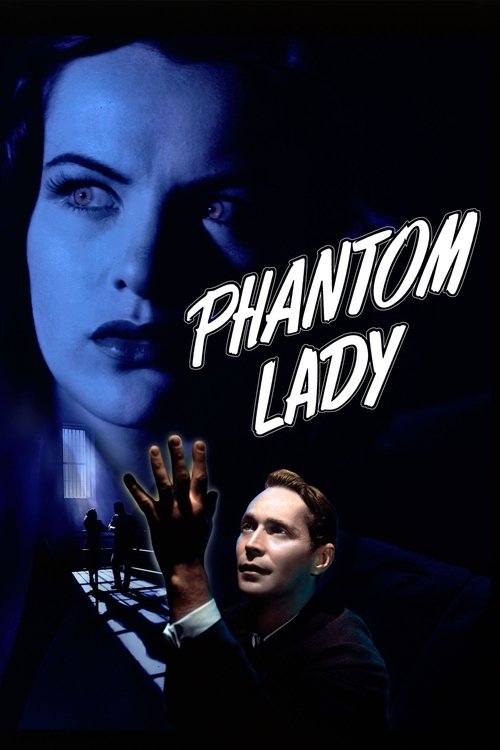
Phantom Lady1944
A woman tries to prove her lover innocent of murder by retracing a mysterious night neither can quite remember. Robert Siodmak's noirish psychodrama is tense, erotic, and genuinely strange.
But The gender politics are very much of its era, and the plot hinges on coincidences that strain credibility. Pacing slackens in the middle act.
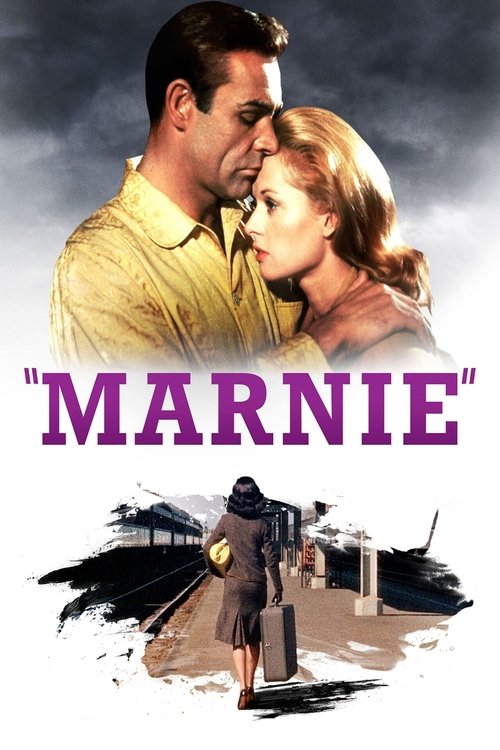
Marnie1964
A compulsive liar and thief is hired by a man who becomes obsessed with uncovering her secrets. Hitchcock's most Freudian film—uncomfortable, sexually charged, visually daring.
But The artificial rear-projection and studio sets are deliberately stylized, which some find distancing. The psychology is dark enough to alienate those seeking conventional drama.
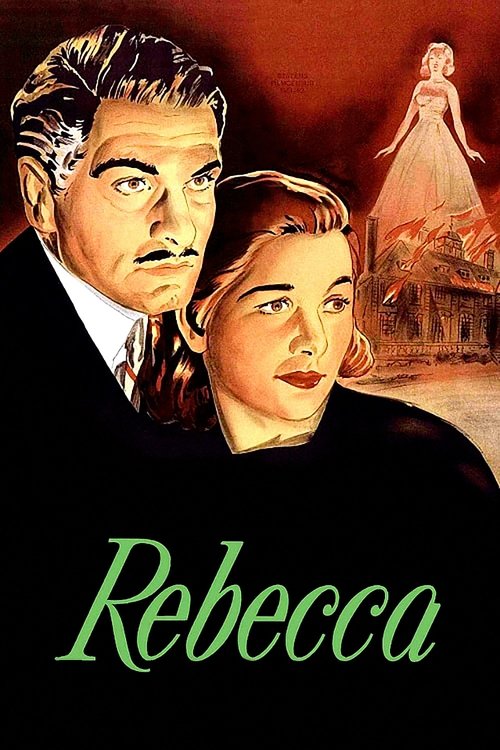
Rebecca1940
A new bride at a grand house begins to suspect she's haunted by the ghost of her husband's first wife. Hitchcock's first American film remains his most lush and romantic, shot through with dread.
But Joan Fontaine's ingenuousness can grate. The pacing of the first hour is leisurely, which tests modern patience.
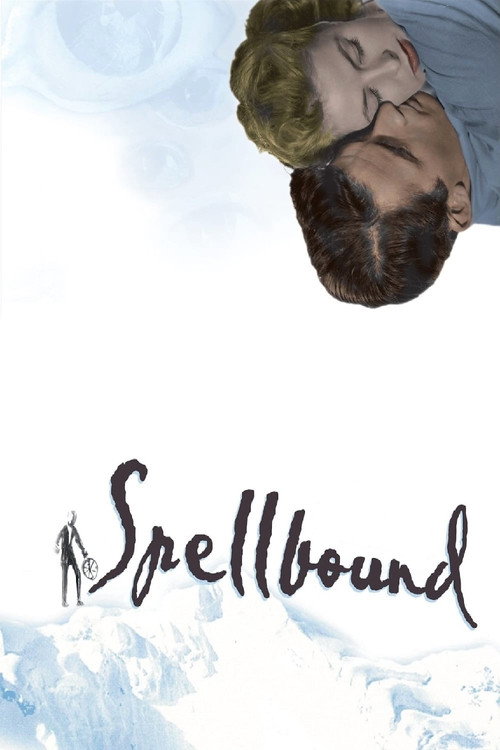
Spellbound1945
An amnesiac psychiatrist may be guilty of murder; a female psychiatrist becomes convinced of his innocence and determined to uncover the truth. Hitchcock and Dalí craft a psychoanalytic thriller with genuine surrealist flair.
But The Freudian analysis feels dated now. The dream sequences, designed by Dalí, are remarkable but narratively muddy.
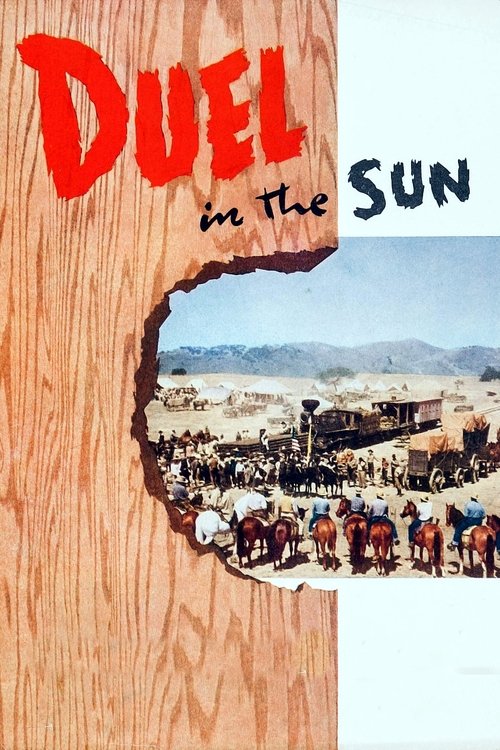
Duel in the Sun1946
A woman torn between two brothers—one noble, one destructive—destroys everyone around her with her desire. King Vidor's Technicolor melodrama is excessive, sensual, and utterly committed to its own absurdity.
But The moral framework is reactionary. At nearly three hours, it tests endurance, and some scenes feel genuinely trashy rather than intentionally camp.
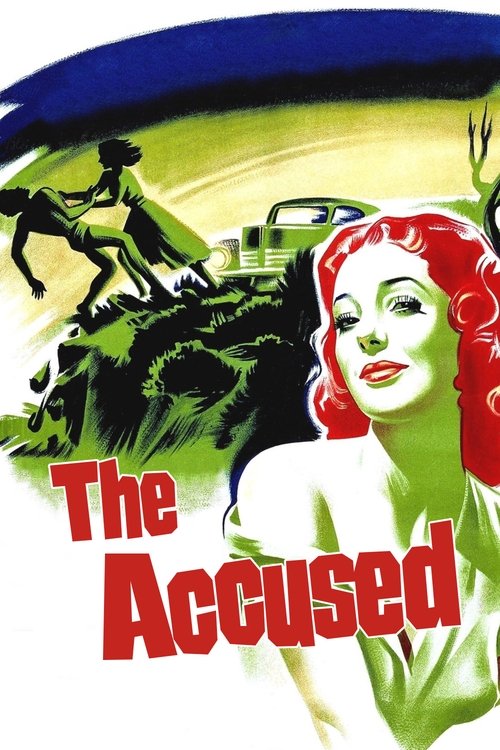
The Accused1949
A college professor kills a student in self-defense and then lies about it; the guilt consumes her in ways the legal system cannot touch. An understated exploration of moral conscience that avoids melodrama.
But The restraint can read as datedness. Loretta Young's performance is subtle to the point of seeming remote. Very American in its propriety.
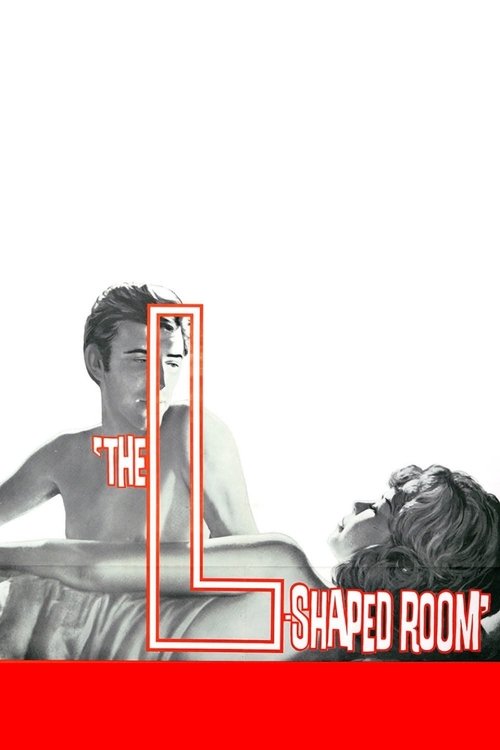
The L-Shaped Room1962
Where The Seventh Veil asks 'who does a woman belong to?', this asks 'what happens when she stops belonging to anyone?' Both feature women defined by male desire and intervention; here, a woman escapes that structure entirely. Same era, opposite answers.
A pregnant unmarried woman takes a bedsit in London and finds unexpected freedom, community, and complexity in her loneliness. Bryan Forbes' film is intimate, wryly funny, and unsentimentally humane about female autonomy.
But It's chatty and character-driven rather than plot-driven. Some viewers find the social realism unglamorous. The film's optimism about women's independence feels quaint now—which is precisely why watching it is strange.
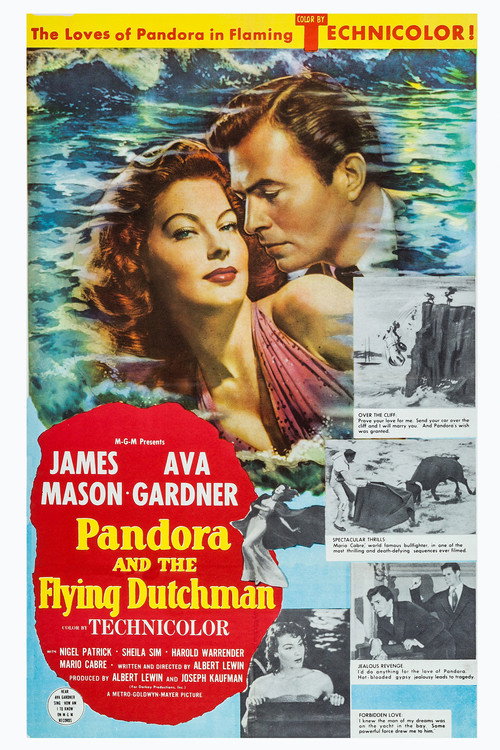
Pandora and the Flying Dutchman1951
Both trap their heroines in a man's story, but where The Seventh Veil psychologizes that trap, Pandora mythologizes it. Both ask what a woman sacrifices for love. Both end with the woman's agency turned into her destruction—except here it's beautiful, Gothic, inevitable rather than clinical and wrong.
A woman on the Mediterranean coast encounters a cursed sea captain and must choose between her worldly life and eternal, impossible love. Albert Lewin's baroque fantasy is painted like a fever dream—lush, queer-coded, deliriously romantic.
But The plot is thin and the dialogue frequently risible. Ava Gardner's beauty is the point more than characterization. It's a film about aesthetic experience over narrative logic, which demands a patient, specific mood.
People
Cast
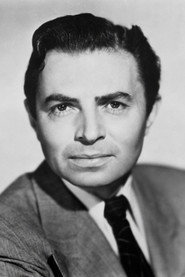 James MasonNicholas Cunningham
 Ann ToddFrancesca Cunningham
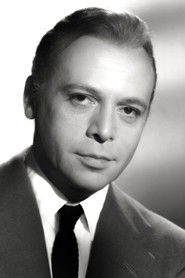 Herbert LomDr. Larsen
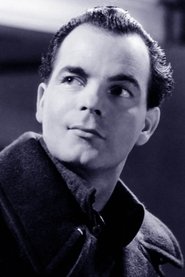 Hugh McDermottPeter Gay
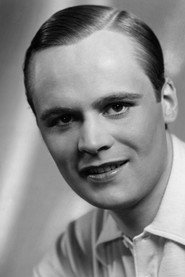 Albert LievenMaxwell Leyden
 Yvonne OwenSusan Brook
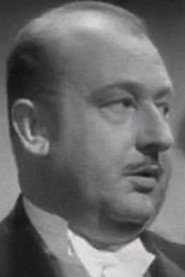 David HorneDr. Kendall
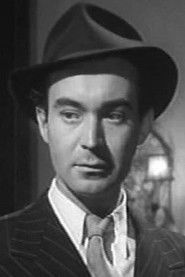 Manning WhileyDr. Irving
- Grace AllardyceNurse
 John SlaterJames
- Muir MathiesonConductor
Directing
- Compton BennettDirector
Writing
- Muriel BoxWriter
- Sydney BoxWriter
Production
- Sydney BoxProducer
- Knox LaingProduction Manager
Recommended by
Passage to Marseille, China Girl, Hotel Berlin, Carve Her Name with Pride, The October Man, The Power and the Glory, Carnival, They Were Sisters, The Brothers, The Years Between