
Film
Passage to Marseille
A French journalist imprisoned in Devil's Island escapes to join the fight against Nazi occupation, weaving together a desperate thriller of revenge, sacrifice, and redemption. Bogart is magnetic as a man stripped of everything, and the film crackles with the kind of wartime urgency that only 1944 could deliver. It's for anyone who loves adventure with real stakes and moral weight.
Should you watch it?
Watch it if you like wartime studio pictures where a tight group of mismatched men share a cramped space and talk their way through danger, with Bogart's stubborn charm carrying the talk.
Skip it if you want tight, fast plotting, since the talk can turn long and sentimental, and the wartime patriotism shows its age.
What it asks of you: Running about 109 minutes, it moves at a steady, talky pace, leaning on mood and dialogue more than action, so it needs you to sit still rather than skim.
Not sure? Find tonight's pick in a minute.
If you liked this
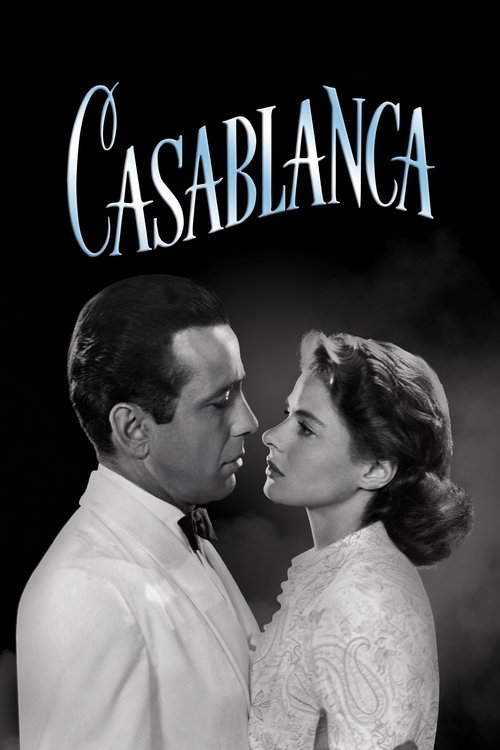
Casablanca1943
The essential Bogart: charming, world-weary, caught between duty and desire in a war-torn setting. Deeper and funnier than you expect, with supporting performances that rival the leads.
But It's been canonized into a cultural monument, which can make it feel distant or overfamiliar. The pacing is deliberate by modern standards.
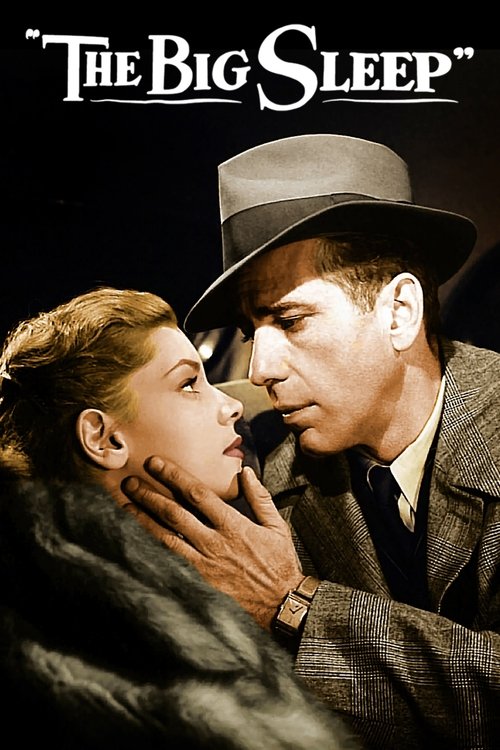
The Big Sleep1946
Bogart and Bacall at peak chemistry, a murder mystery that barely pretends to make sense, and dialogue so sharp it could draw blood. Noir atmosphere and romantic electricity in perfect balance.
But The plot is genuinely hard to follow, and some find the violence against women dated and uncomfortable, as it should be acknowledged.
The Asphalt Jungle1950
The heist film that invented the template: tense, methodical, and heartbreaking. Every character is a portrait. Huston's direction is surgical. This is where American crime cinema became art.
But There's no glamour or protagonist to root for cleanly. It moves in deliberate, unglamorous increments. Grim is the whole point.

Not sure tonight? Get a pick in a minute, starting from Passage to Marseille
The wildcard
Something you would not have found on your own.
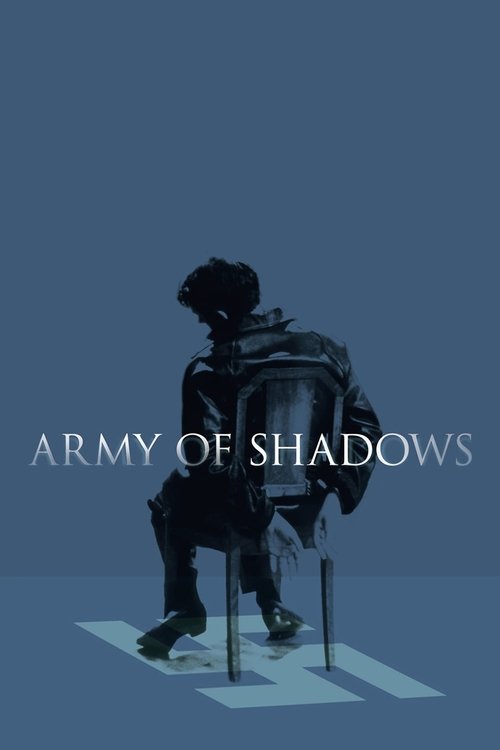
Army of Shadows1969
Both are about the Resistance, but Melville shows what Passage only glimpses: the banality of survival, the cost of commitment, and the way wartime sacrifice doesn't absolve anything.
Melville's French Resistance masterpiece: glacial, methodical, and devastatingly modern in its cynicism about heroism and sacrifice. Shot in cool blues and grays, it finds poetry in routine and betrayal. It rewrites the mythology Passage helped create.
But It's slow, emotionally distant, and deeply pessimistic. There are no victors here, only survivors and ghosts. It will not comfort you.
More like this (8)
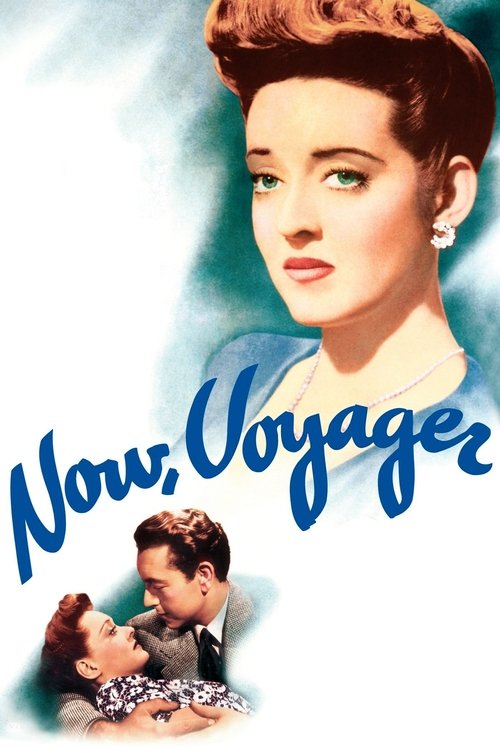
Now, Voyager1942
Bette Davis transforms from repressed spinster to independent woman in a story about choosing yourself. The cigarette-lighting scene is genuinely erotic. A different kind of wartime escape fantasy, intimate and generous.
But The melodrama is unironic and occasionally gags modern viewers. The first act is a slog if you're impatient with character-building.
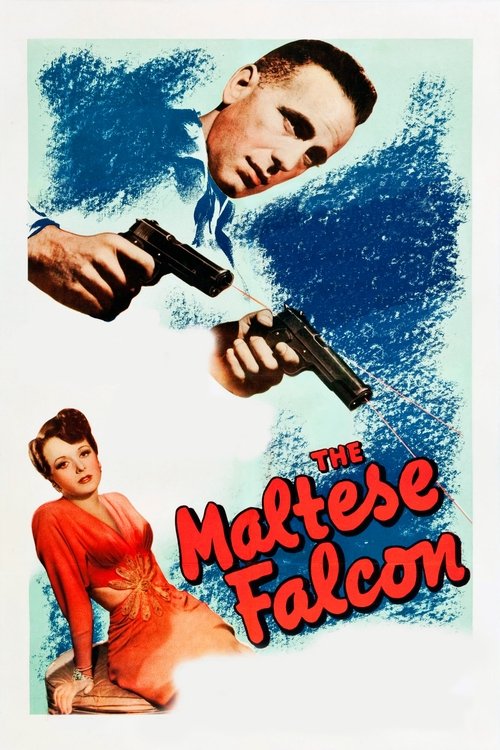
The Maltese Falcon1941
Bogart's private detective in the film that codified the noir archetype. Huston's direction snaps with energy, and Lorre and Greenstreet (both in Passage too) are deliciously sordid. Pure style and wit.
But It's been endlessly imitated, which can make the original feel familiar if you've seen the descendants. Some dialogue has dated awkwardly around women.
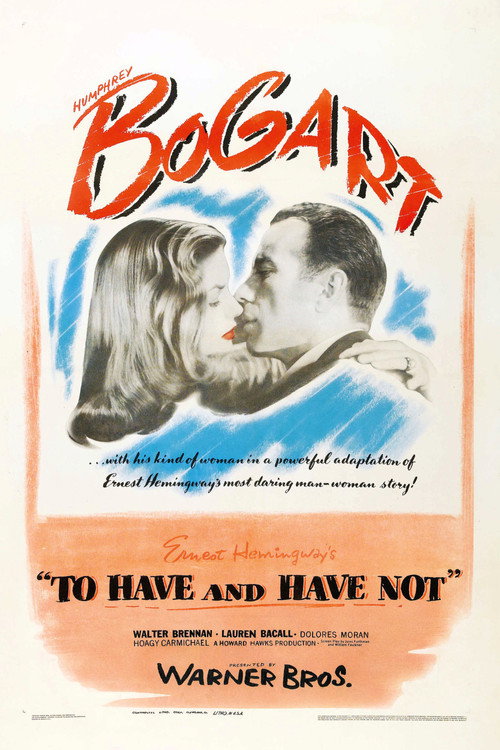
To Have and Have Not1945
Bogart and Bacall's first film together, with him as a fishing captain in Vichy France caught up in Resistance work. Sexy, crackling with tension, politically engaged without being preachy.
But The plot takes a back seat to star chemistry and wartime propaganda messages. Some scenes feel heavy-handed by modern standards.
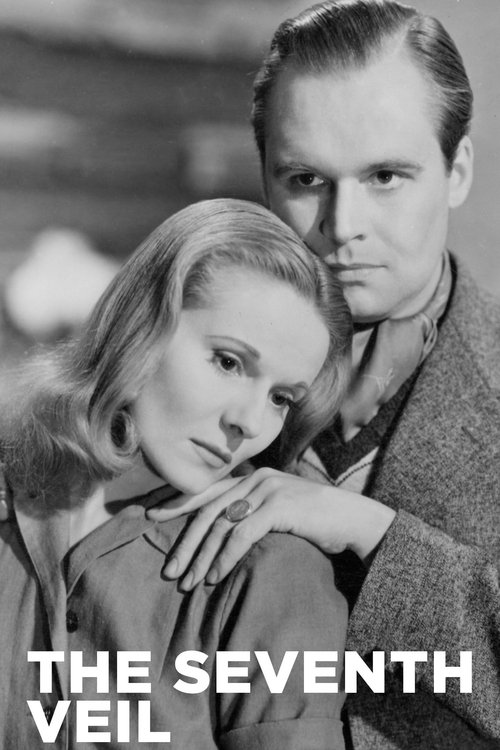
The Seventh Veil1945
A British psychological thriller about a pianist, memory, and control—morally complex and genuinely unsettling. It won the Oscar for Best Original Screenplay. Unlike anything else from the period in the best way.
But It's deeply troubled by modern lights regarding consent and relationships. The twist doesn't hold up to scrutiny, and the logic is sometimes opaque.
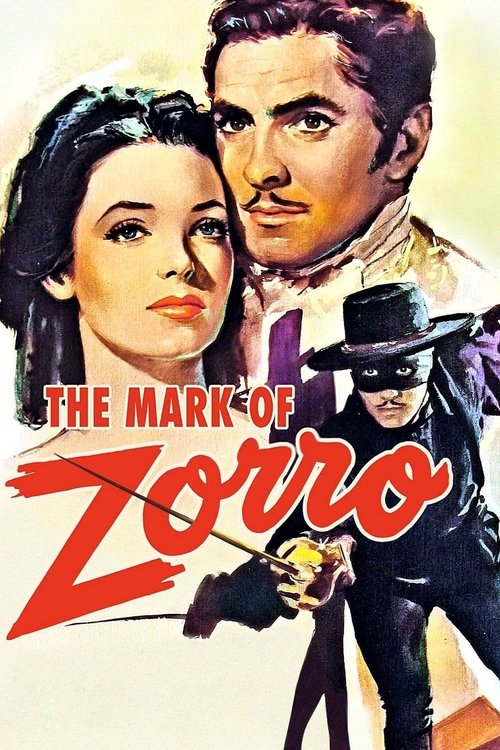
The Mark of Zorro1940
Tyrone Power as a masked avenger fighting Spanish colonial tyranny: swashbuckling adventure with political teeth. It's fun without being silly, and the swordplay is genuinely thrilling. Pure cinema pleasure.
But It's lighter in tone than Passage, almost campy by comparison. If you want moral ambiguity, this isn't it.
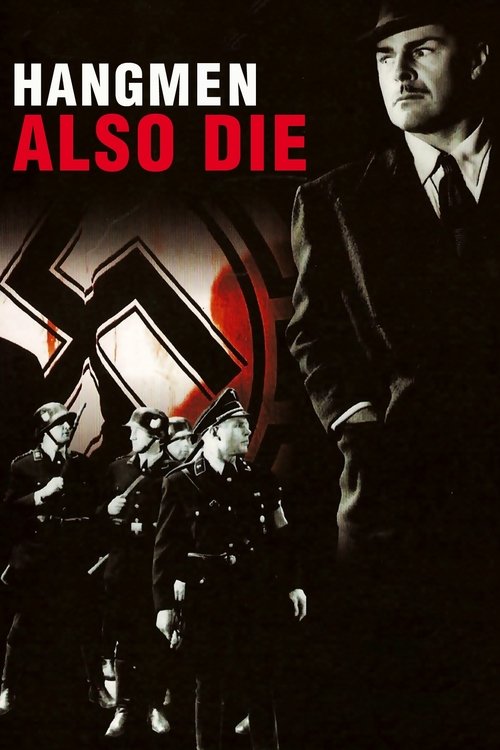
Hangmen Also Die!1943
Lang's Prague resistance drama is ferocious and paranoid, with a plot that twists constantly. Brutal in its moral arithmetic. A lesser-known wartime film that deserves rediscovery for its uncompromising stance.
But It's visually and thematically bleak, with an ending that refuses comfort. The pacing is fractured. You have to stay sharp to follow it.
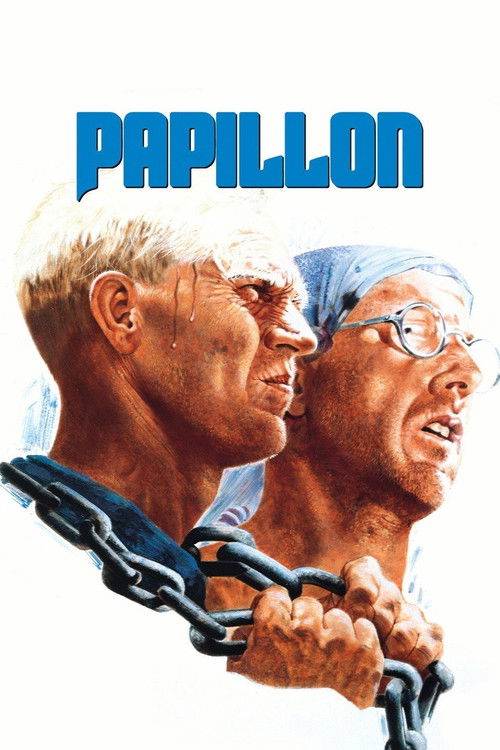
Papillon1973
Both begin with wrongful imprisonment in the same hellhole, but where Passage uses it as a springboard, Papillon makes the island itself the entire moral and physical terrain.
Steve Reeves as a man imprisoned on Devil's Island plotting escape—same setting as Passage's opening, but this is brutal, physical, and consumed by obsession. The tropical prison becomes its own character. A very different kind of survival story.
But The violence and degradation are relentless and graphic. It's long and punishing. The psychology is claustrophobic in ways that some find exhausting rather than gripping.
The Battle of Algiers1966
Both are about fighting occupation, but Battle strips away myth-making entirely—no dashing escape, no romantic vindication, just the raw mechanics of resistance and the costs to everyone involved.
Gillo Pontecorvo's docudrama about urban resistance to colonialism: shot in grainy black-and-white like a newsreel, it unfolds with the logic of a thriller but the moral seriousness of tragedy. Essential cinema about occupation and insurgency.
But It's explicitly political and deliberately unglamorous. Violence is shown without endorsement or heroism. It demands you sit with uncomfortable questions rather than letting you rest.

People
Cast
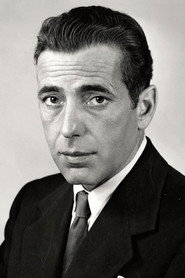 Humphrey BogartJean Matrac
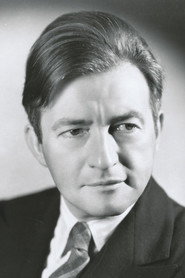 Claude RainsCapt. Freycinet
 Michèle MorganPaula Matrac
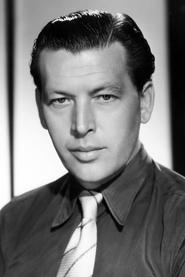 Philip DornRenault
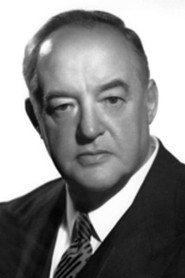 Sydney GreenstreetMaj. Duval
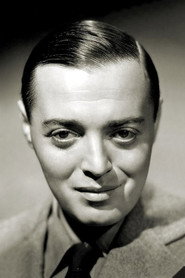 Peter LorreMarius
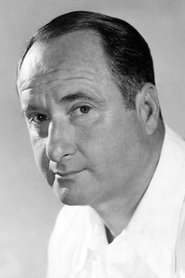 George TobiasPetit
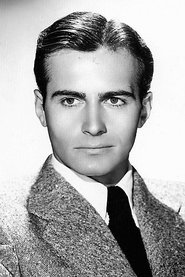 Helmut DantineGarou
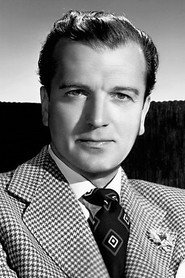 John LoderManning
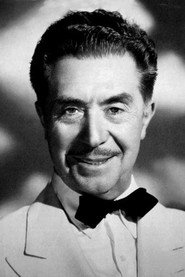 Victor FrancenCapt. Patain Malo
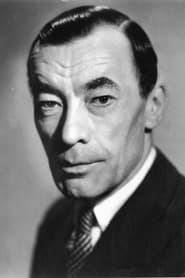 Vladimir SokoloffGrandpere
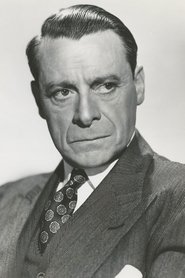 Eduardo CiannelliChief Engineer
Directing
- Frank HeathAssistant Director
- Michael CurtizDirector
Writing
- Charles NordhoffNovel
- James Norman HallNovel
- Casey RobinsonScreenplay
- Jack MoffittScreenplay
Production
- Jack L. WarnerExecutive Producer
- Hal B. WallisProducer
- Eric StaceyUnit Manager