
Film
Bomber's Moon
A 1943 wartime revenge drama following an American pilot shot down over Germany who escapes a POW camp with unlikely allies. Brisk, earnest, and built for morale rather than realism—propaganda cinema at its most straightforward. Made during the war itself, it's a snapshot of how Hollywood processed active combat before history had finished writing its chapters.
If you liked this
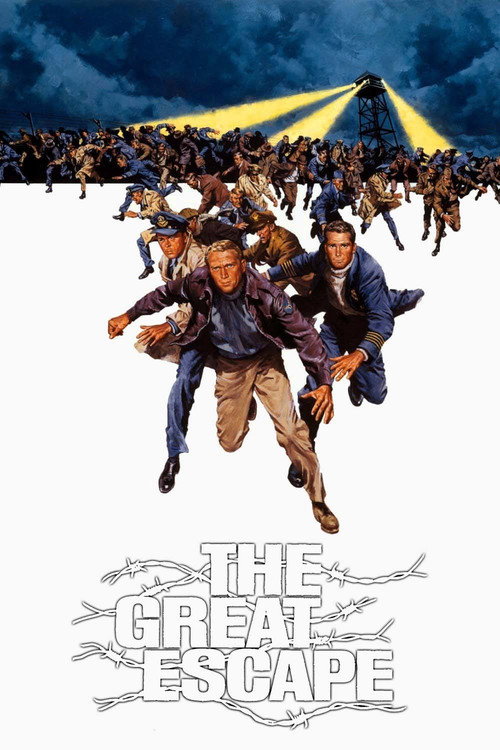
The Great Escape1963
The definitive POW-camp escape film: meticulous, thrilling, and genuinely moving. A vastly larger ensemble and budget, but the same spirit of ingenuity and brotherhood against impossible odds.
But Nearly three hours long, and the pacing reflects its era—patient rather than relentless. Some subplots feel subordinate to the scale.
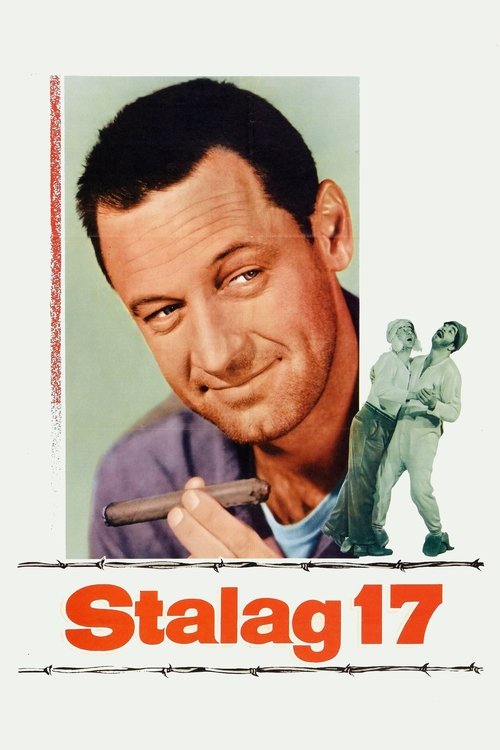
Stalag 171953
Billy Wilder's cynical masterpiece about a POW camp where suspicion and survival instinct corrode camaraderie. Funny, dark, and far more psychologically complex than its premise suggests.
But The tone is arch and worldly in ways that can feel dissonant if you're expecting earnest wartime heroics.
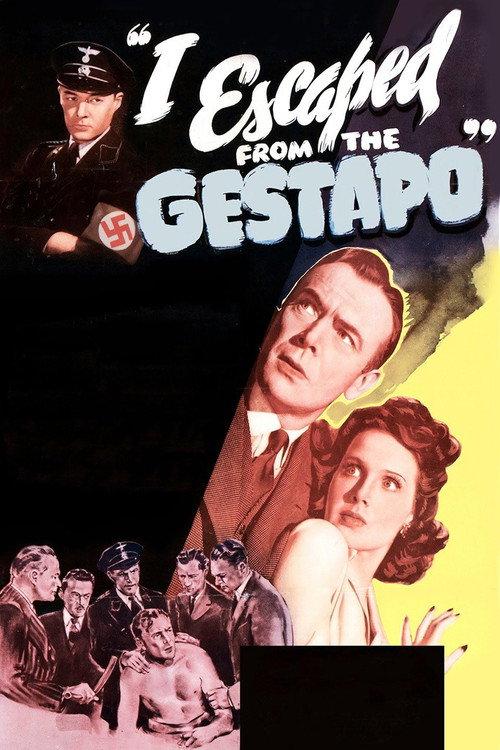
I Escaped from the Gestapo1943
Another 1943 potboiler with the same DNA: low budget, high stakes, a protagonist using wits to outsmart German captors. Perfect companion piece—made in the same moment by the same system.
But Production values are threadbare even by wartime standards. The urgency feels more like narrative than cinema.
Not sure tonight? Get a pick in a minute, starting from Bomber's Moon
The wildcard
Something you would not have found on your own.
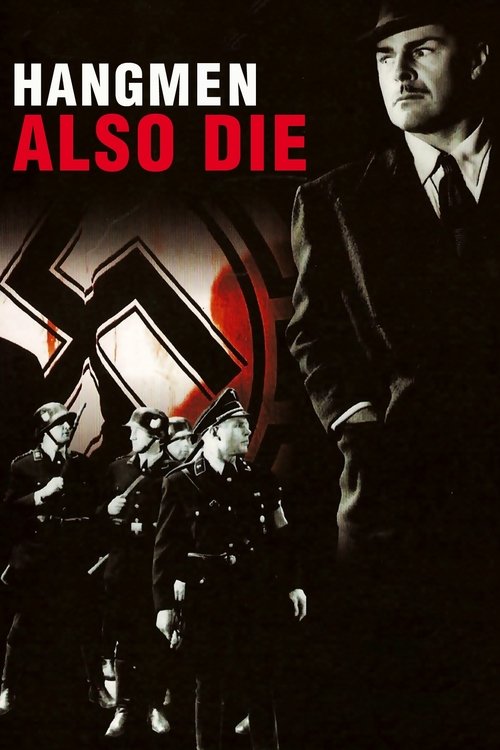
Hangmen Also Die!1943
Both made in 1943, both about individuals resisting Nazi occupation, but Lang's vision is tragic and morally complex where Bomber's Moon is straightforward and heroic. A shadow cast on the same moment.
Directed by Fritz Lang, a German émigré whose moral authority on fascism was absolute. A Prague resistance cell hunts a Nazi assassin; the film wrestles with vengeance and collective punishment with a philosophical weight propaganda usually avoids. Made the same year as Bomber's Moon but in an entirely different register.
But Dense, theatrical, sometimes didactic—it thinks too hard to move easily. The resistance dynamics require attention rather than mere viewing.
More like this (8)
Dangerous Moonlight1941
An earlier British war film pairing a Polish pilot and a pianist in occupied Europe—romance, heroism, and classical music entangled. Lush where Bomber's Moon is austere.
But Heavily coded as propaganda, which can feel manipulative rather than rousing depending on your mood.
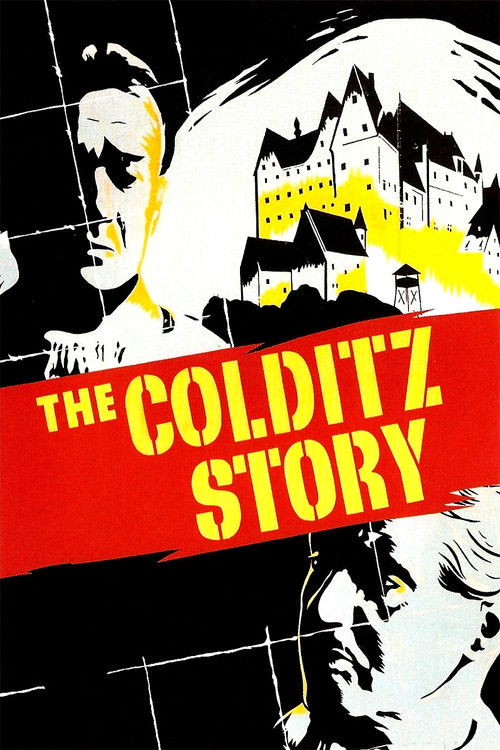
The Colditz Story1955
A British POW-escape film built on real events and real ingenuity. Drier and more documentary in feel than its American counterparts, but that precision is its own appeal.
But Ensemble cast means no single character dominates; if you need a hero to root for, this diffuses your investment.
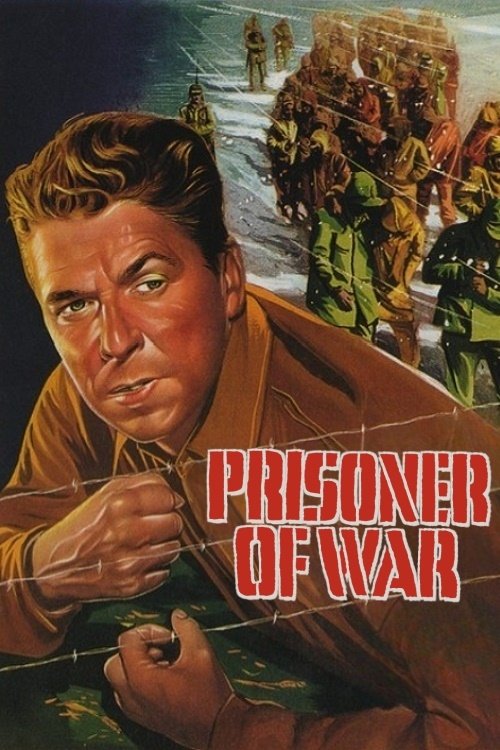
Prisoner of War1954
Ronald Reagan as a pilot in a Korean War POW camp, playing a man maintaining his humanity under dehumanizing conditions. A quieter, more introspective take on the same terrain.
But The political dimensions of the Korean conflict can feel muddled or dated. Reagan's casting has its own freight now.
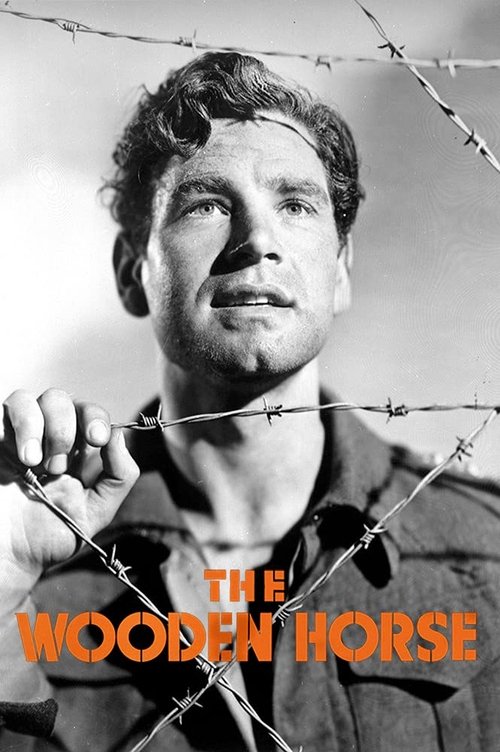
The Wooden Horse1950
A clever, understated British POW escape using actual historical method. Slower burn than Hollywood fare, but the satisfaction is earned through ingenuity rather than heroics.
But Genuinely sluggish in places. The deliberate pacing can feel like dead air rather than tension.
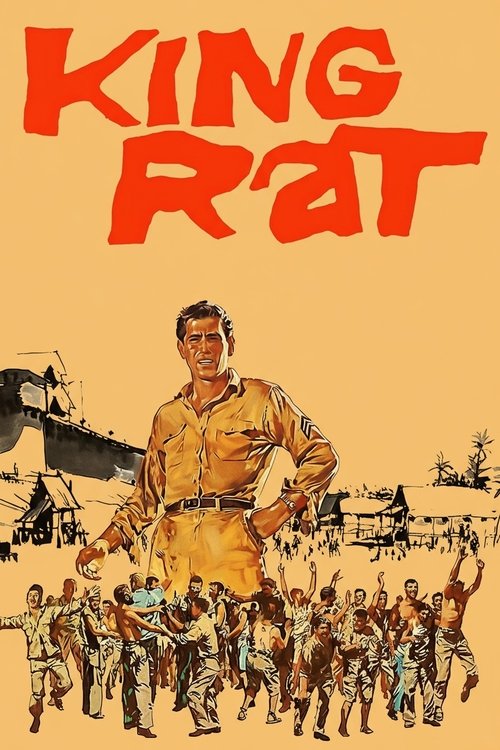
King Rat1965
A POW camp film that interrogates survival morality—the price of staying alive, the compromises that keep you breathing. Far darker and more philosophically unsettling than the earnest genre standard.
But James Caan's protagonist is morally murky in ways the film doesn't always resolve. If you want clear heroes, you'll be frustrated.
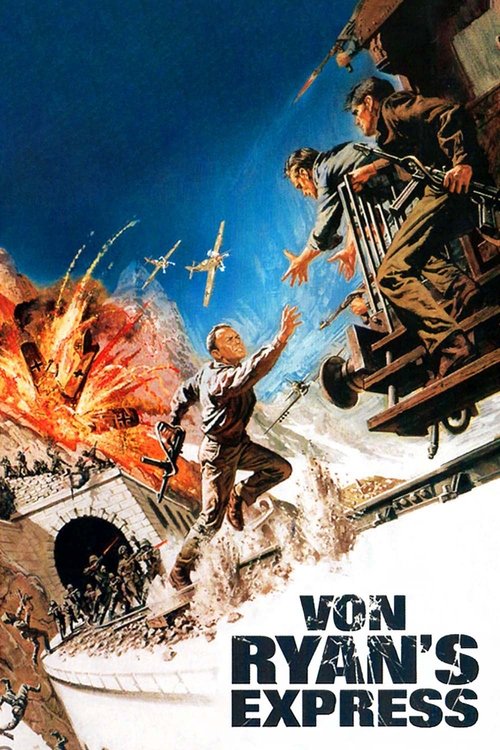
Von Ryan's Express1965
Frank Sinatra leads Italian POWs and an American pilot in an audacious escape across enemy rail lines. Rousing, violent, and genuinely surprising in its brutality for the era.
But Episodic to the point of feeling scattered. Some sequences land brilliantly; others spin wheels.
Come and See1985
Structurally they follow the same arc—young man thrust into war, disillusioned, survival against occupation—but Elem Klimov shows what Hollywood's 1943 optimism could never admit: that resistance breaks people rather than forges them.
A Soviet filmmaker's unflinching portrait of a teenage partisan in Nazi-occupied Belarus. Visceral, devastatingly human, and the inverse of all war movie comfort—what happens when ideology meets the actual cost of resistance.
But Brutally graphic. Not watchable as entertainment. Demands something more like witness than enjoyment.

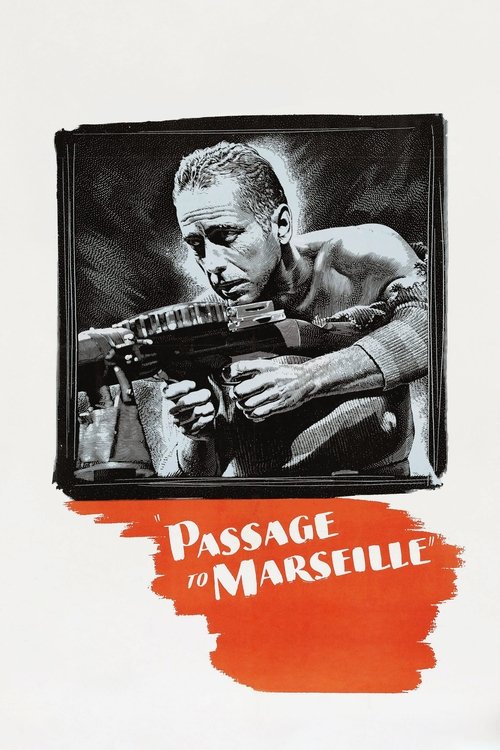
Passage to Marseille1944
Same year, same basic plot elements, but where Bomber's Moon is linear and clear-eyed, this is baroque and hallucinatory. A fever version of the same material, showing how even contemporaneous films could render escape fantasy in radically different ways.
A fever-dream noir where escaped French prisoners and political refugees flee occupied territory by any means. Directed by Michael Curtiz, shot in shadows and paranoia, with Humphrey Bogart and Claude Rains as moral antagonists. No escape-camp clarity, only desperation and moral vertigo.
But The structure is fractured—nested flashbacks that bury plot in atmosphere. If you need a straight story, this obscures it deliberately.
People
Cast
 George MontgomeryCapt. Jeffrey Dakin
 AnnabellaLt. Alexandra Zorich, MD
 Kent TaylorCapt. Paul von Block
 Walter KingsfordProf. Frederich Mueller
 Martin KosleckLuftwaffe Maj. von Streicher
 Dennis HoeyGestapo Col. von Grunow
 Robert BarratErnst
 George N. NeiseThe Gestapo Lieutenant
 Leon TylerKarl
- Richard GrahamLt. Danny Dakin
 Victor KilianHenryk van Seeler
 Jack LambertCurly (tail gunner)
Directing
- Edward LudwigDirector
- Harold D. SchusterDirector
Writing
- Leonard LeeStory
- Aubrey WisbergWriter
- Kenneth GametWriter
Production
- William GoetzExecutive Producer
- Sol M. WurtzelProducer