
Film
The Wooden Horse
A taut 1950 British war film about three POWs who devise an ingenious escape from a German prison camp using a vaulting horse as cover. Lean, procedural, and grounded in real events, it captures the grinding tension of sustained deception and meticulous planning. For anyone drawn to the quiet heroism of escape narratives and the psychology of captivity.
Should you watch it?
Watch it if you like patient, ingenious stories about ordinary men doing something clever under pressure, where the tension lives in planning and teamwork rather than in battle scenes.
Skip it if you want wartime films with constant action, or you find the stiff, understated British manner of 1950s cinema hard going.
What it asks of you: Settle into a lean hundred minutes of mostly talk, planning and waiting, with a measured rhythm that rewards patience and close attention.
Not sure? Find tonight's pick in a minute.
If you liked this
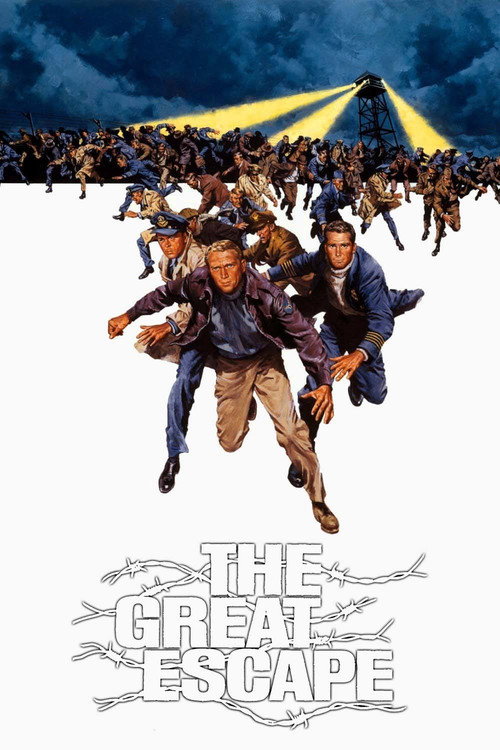
The Great Escape1963
The definitive escape film: larger in scale and ambition, with an ensemble cast and multiple breakout plans woven into an intricate heist. Steve Reeves and James Garner anchor a story that balances spectacle with genuine stakes and ingenuity.
But At over three hours, it can feel baggy in places. The Hollywood sheen sits uneasily with the grimness of the actual historical event.
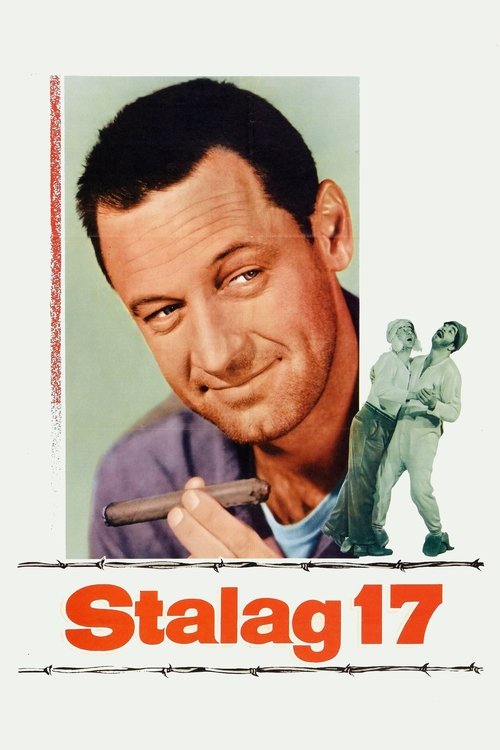
Stalag 171953
Billy Wilder's masterpiece about paranoia and survival in a POW camp. Tighter and darker than The Great Escape, it probes the moral compromises of captivity with wit and cruelty. William Holden is unforgettable.
But The tone shifts between comedy and darkness in ways that can feel jarring if you're expecting straightforward drama.
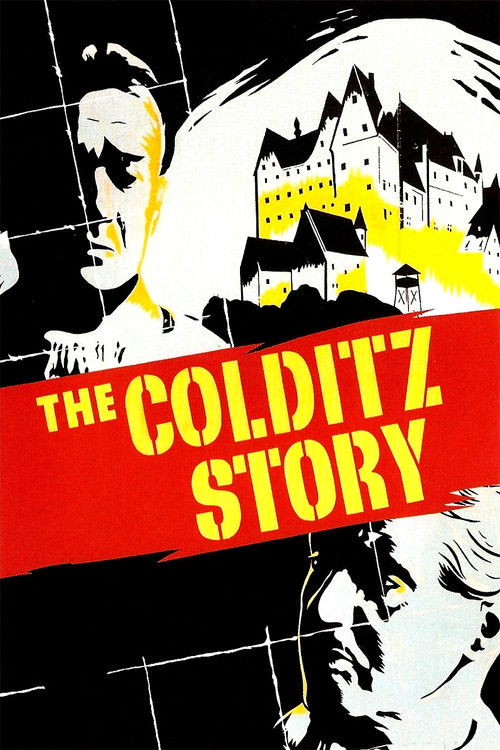
The Colditz Story1955
Another British POW escape film with similar DNA to The Wooden Horse: meticulous planning, claustrophobic tension, and the slow accumulation of small victories. Focused and intelligent.
But Made in the same era with similar resources, so the stakes can feel lower-key than you might want.
Not sure tonight? Get a pick in a minute, starting from The Wooden Horse
The wildcard
Something you would not have found on your own.
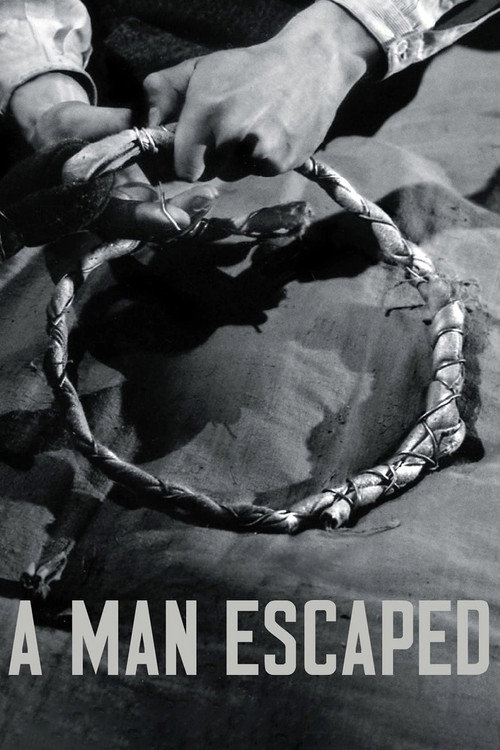
A Man Escaped1956
Both films trust patience over spectacle, finding profound tension in the accumulation of small, precise actions. The escape is not triumph—it is necessity, rendered in near-documentary detail.
Bresson's austere masterpiece about a French Resistance fighter imprisoned by the Nazis. It strips the escape narrative to its philosophical essence: methodical, almost meditative, with suspense built from silence and intention rather than action.
But Bresson's style is deliberately remote and anti-dramatic. If you need conventional filmmaking and emotional catharsis, this will feel punishing.
More like this (7)
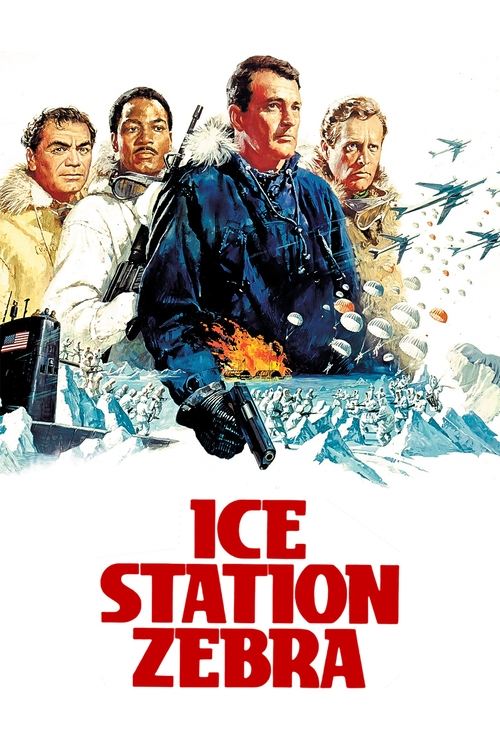
Ice Station Zebra1968
A Cold War thriller built on the same architecture: espionage, infiltration, a team working under extreme pressure to achieve an impossible objective. The cat-and-mouse game is immensely satisfying.
But It's a creature of its era—the pacing is glacial by modern standards, and the gender politics will grate.
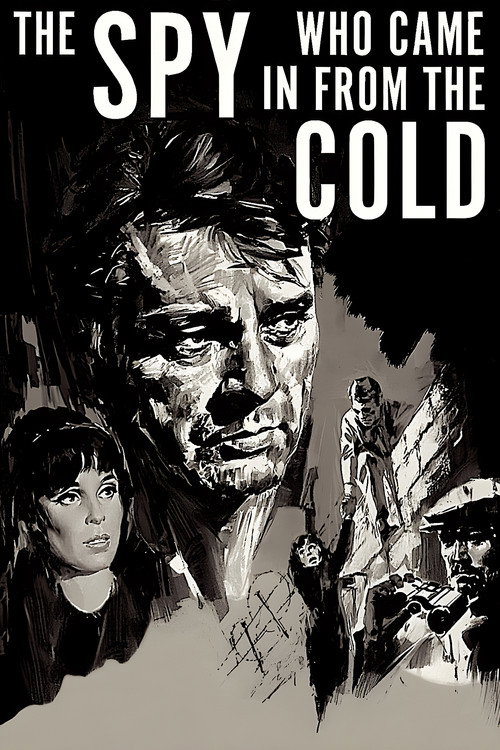
The Spy Who Came In from the Cold1965
Le Carré's bleak masterpiece transplants the POW film's logic to Cold War espionage: ordinary people trapped in systems bigger than themselves, improvising survival through deception and nerve.
But Deliberately unglamorous and pessimistic. If you want heroes triumphing, look elsewhere.
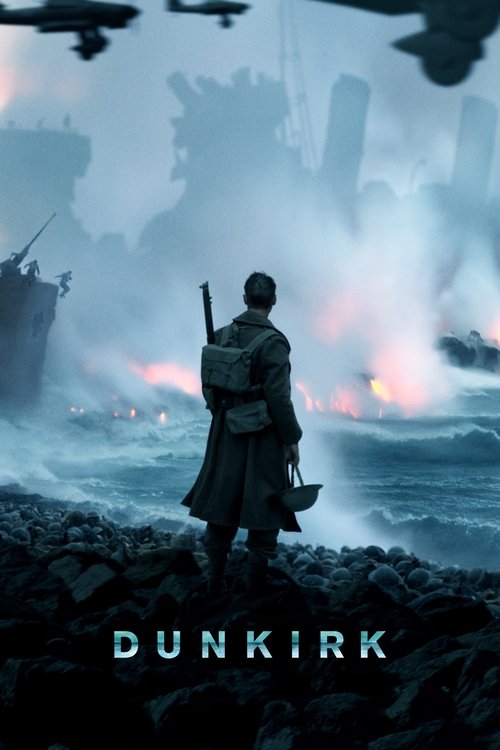
Dunkirk2017
Nolan's film shares The Wooden Horse's fascination with logistics, coordination, and the grinding pressure of circumstance. Visually stunning and structurally audacious, it creates immense tension from historical inevitability.
But The fractured chronology can be confusing, and the emotional payoff is deliberately muted.
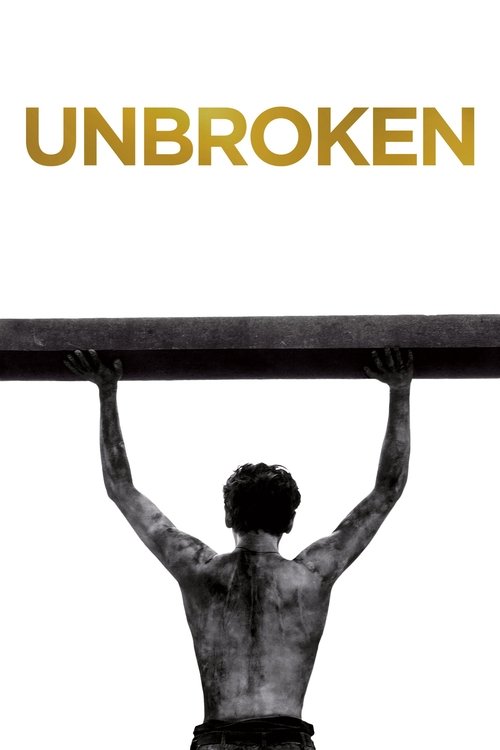
Unbroken2014
Angelina Jolie's meditation on endurance and resilience in captivity. Jack O'Connell gives a stripped, powerful performance as a runner broken down by circumstance and rebuilt by will.
But The second half loses focus when it becomes a straightforward prison drama rather than an escape narrative.
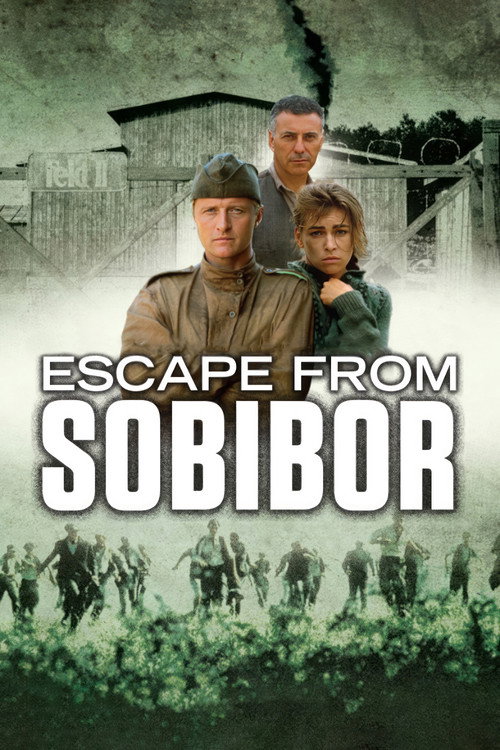
Escape from Sobibor1987
A tense, unflinching account of a real uprising in a concentration camp. It has the procedural logic of The Wooden Horse applied to unimaginably darker circumstances.
But The subject matter is harrowing. This is not entertainment in the traditional sense.
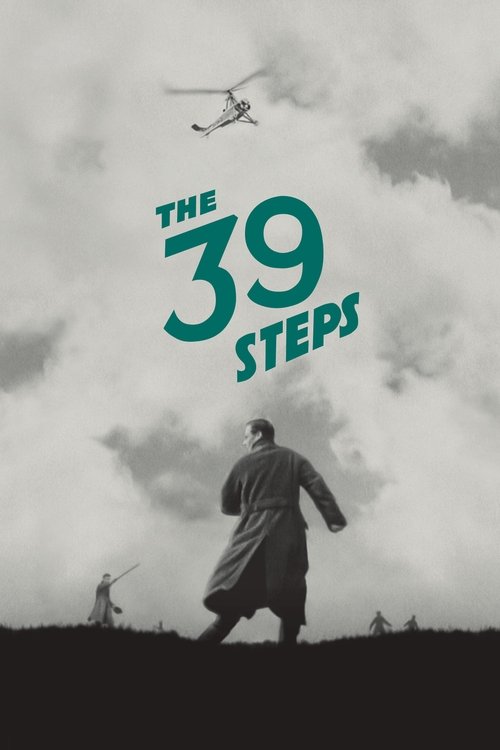
The 39 Steps1935
Both films are rooted in British pragmatism and ingenuity applied to impossible odds. The logic of escape—deception, timing, nerve, a good plan—is the same whether you're evading a spy network or a prison camp.
Hitchcock's prototype for the wronged-man-on-the-run thriller, made decades before The Wooden Horse. Lean, witty, impeccably paced, it established the grammar of suspense through evasion that shaped everything that followed.
But It's a 1935 film with all that entails: the pacing is leisurely, the dialogue occasionally stilted, the effects quaint.
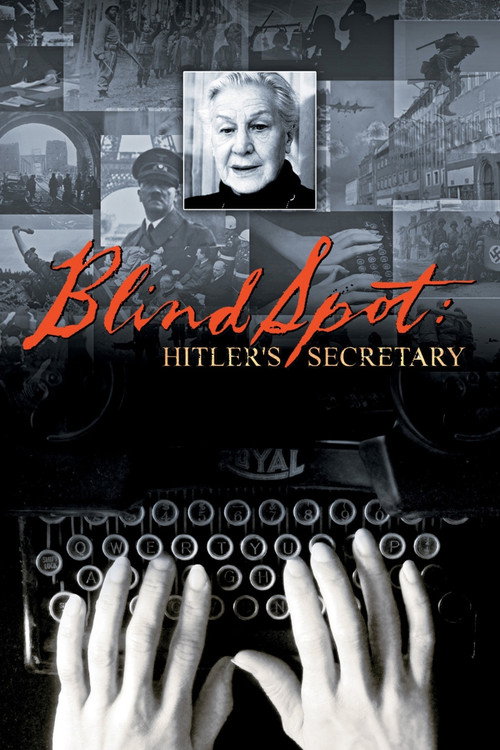
Blind Spot: Hitler's Secretary2002
Both works grapple with the interior life under Nazi tyranny: The Wooden Horse shows resistance through action; this shows the psychological texture of ordinary people living inside the system. Together they sketch the complete picture of that world.
A documentary interview with Traudl Junge, Hitler's last secretary. Not a conventional war film, but a haunting meditation on proximity to evil, complicity, and the stories we tell ourselves about history.
But It's an elderly woman reflecting on her past with uncomfortable honesty. There is no narrative arc, no resolution—only questions.
People
Cast
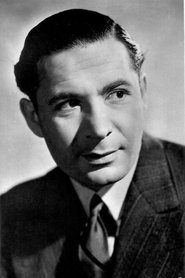 Leo GennPeter Howard
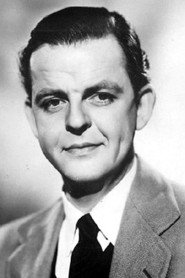 David TomlinsonPhil
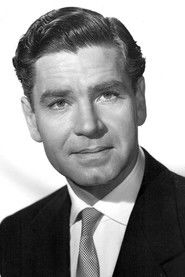 Anthony SteelJohn Clinton
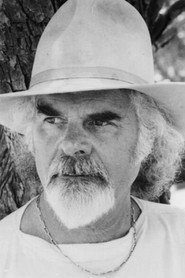 David GreeneNick Bennett
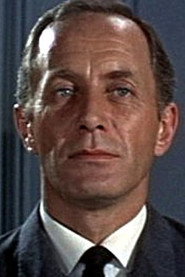 Peter BurtonNigel
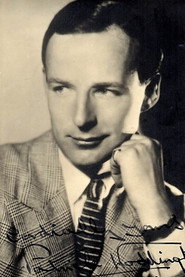 Patrick WaddingtonGroup Capt. Wardley
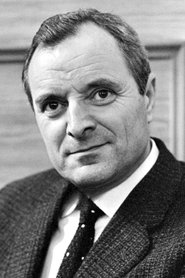 Michael GoodliffeRobbie
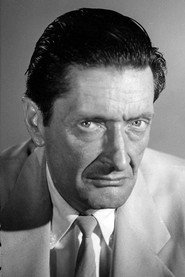 Anthony DawsonPomfret
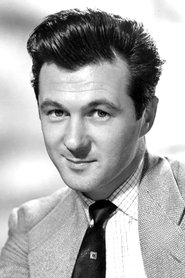 Bryan ForbesPaul
 Peter FinchAustralian in Hospital
- Philip DaleBill White
 Dan CunninghamDavid
Directing
- Jack LeeDirector
Writing
- Eric WilliamsScreenplay
Recommended by
The Colditz Story, Colditz, The Captive Heart, Bomber's Moon, Danger Within, Malta Story