
Film
Escape from Sobibor
A 1987 television film dramatizing the true story of a prisoner-led uprising and mass escape at the Sobibor death camp. Directed by Jack Gold with Alan Arkin and Rutger Hauer, it's a taut, unglamorous account of resistance under impossible circumstances—neither a heroic fantasy nor exploitative, but a precise record of how desperate people organized to survive.
Should you watch it?
Watch it if you like patient, character-driven prison-break stories where the planning matters as much as the danger, and you don't mind a made-for-television look if the performances carry it.
Skip it if you want lean, fast-moving tension, since this runs close to three hours and spends long stretches on talk, waiting and the grind of logistics before anything moves.
What it asks of you: Nearly three hours, with a slow, deliberate build and a grim, steady weight; it wants your patience across long conversations and quiet dread more than sudden jolts.
Not sure? Find tonight's pick in a minute.
If you liked this
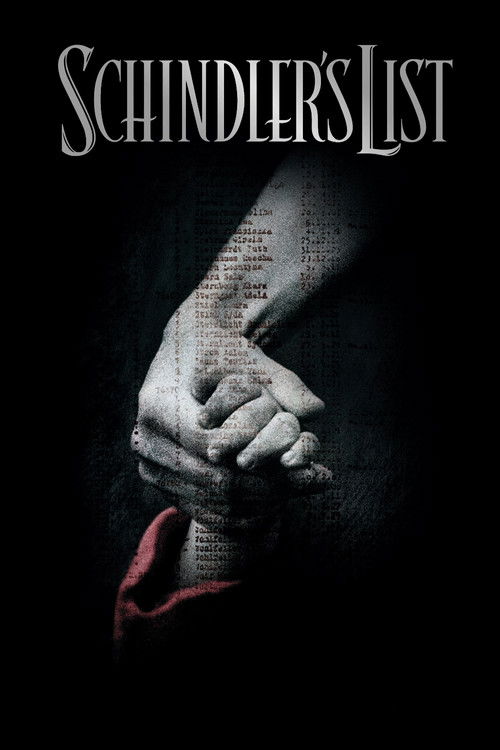
Schindler's List1993
Spielberg's definitive Holocaust film, based on a true story of rescue. Methodical, unflinching, and anchored by Liam Neeson's quiet moral authority. A natural companion to Sobibor's focus on survival and agency.
But Nearly four hours long, and its later sections operate at emotional temperatures that many find punishing rather than illuminating.
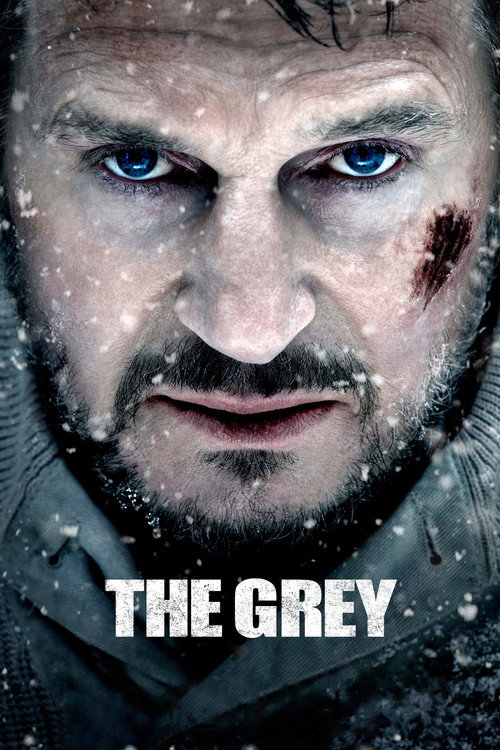
The Grey2011
Liam Neeson leads a raw survival story: men stranded and hunted. Like Sobibor, it refuses sentimentality and finds dignity in resistance. Bleaker than you might expect, with genuine philosophical weight.
But The action becomes increasingly surreal; some viewers find the tonal shift irritating rather than meaningful.
Come and See1985
A Belarusian masterpiece about a boy conscripted into WWII, told with unflinching brutality. Like Sobibor, it's an unfamous film about an unfamous perspective—the power is in specificity and refusal to prettify.
But Genuinely traumatizing. It's not entertainment; it's an endurance test. Some consider it unwatchable rather than necessary.

Not sure tonight? Get a pick in a minute, starting from Escape from Sobibor
The wildcard
Something you would not have found on your own.
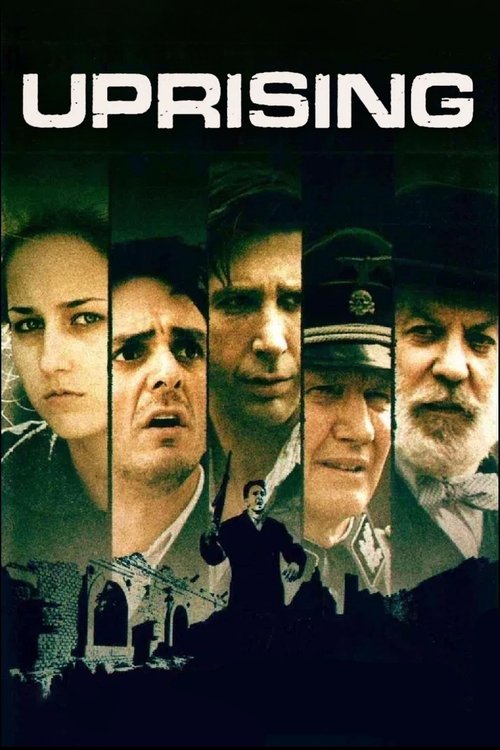
Uprising2001
Both are true stories of organized prisoner resistance in Nazi-occupied territory, told with emphasis on leadership, logistics, and the psychology of men deciding to fight rather than die passively.
David Mamet's HBO film about the 1943 Warsaw Ghetto Uprising. Like Sobibor, it's an ensemble account of prisoners organizing resistance—but it's the uprising as street-to-street combat, visceral and chaotic. Mamet's dialogue crackles even under constraint.
But Mamet's stylized dialogue can feel mannered; it's not naturalistic. Some find his particular voice distracting in a historical context.
More like this (8)
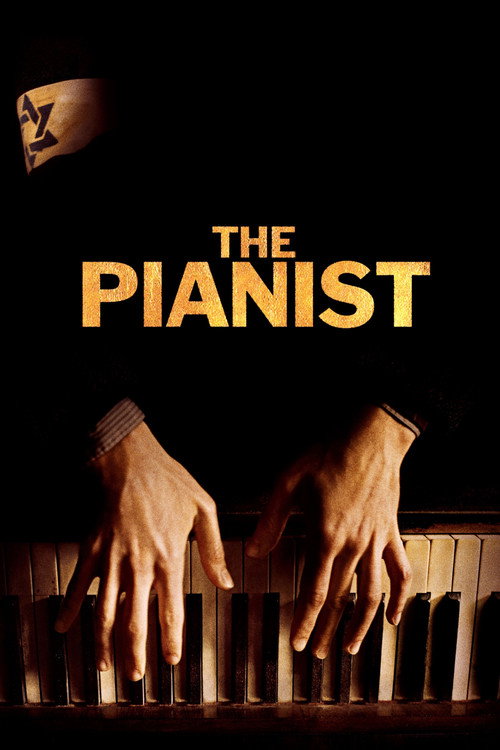
The Pianist2002
Roman Polanski's account of one man's survival through Warsaw and beyond. Precise, economical, and anchored by Adrien Brody's stillness. Another true story of intelligence and chance both mattering.
But Its focus on a single privileged witness can feel narrow compared to collective stories. Some find it emotionally cool.
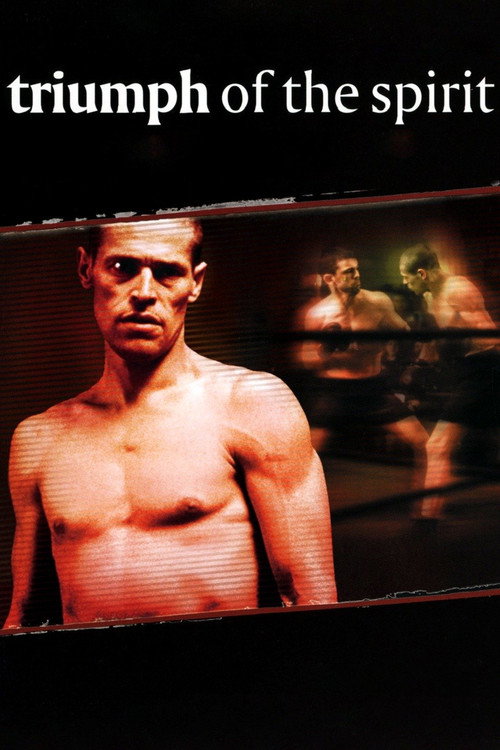
Triumph of the Spirit1989
Another lesser-known true survival story, this one set in Auschwitz. Triton Arkin and Willem Dafoe. Refuses to make suffering noble or redemptive—the survival is its own point.
But Made on a low budget and it shows. Some scenes feel theatrically staged rather than earned.
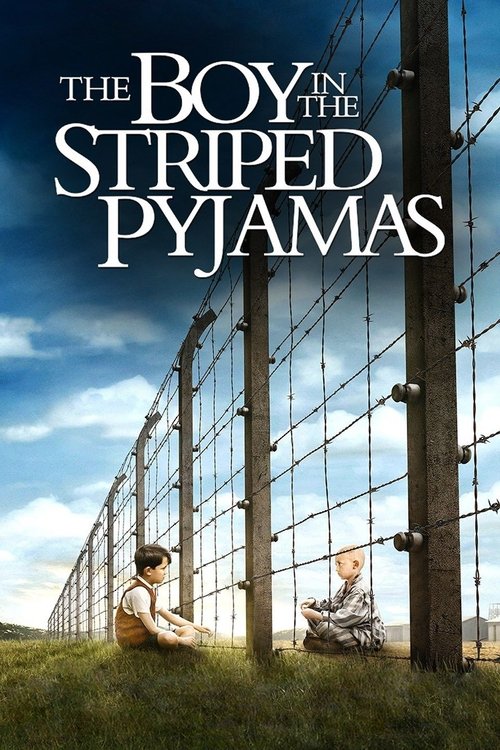
The Boy in the Striped Pyjamas2008
A child's perspective on the Holocaust, from inside Auschwitz. Devastating precisely because of its innocent framing—what's normal to him is monstrous to us. Complements Sobibor's adult-centered resistance narrative.
But Its central conceit is controversial among historians. Many find its innocence-focused approach sentimentalizing in the wrong way.
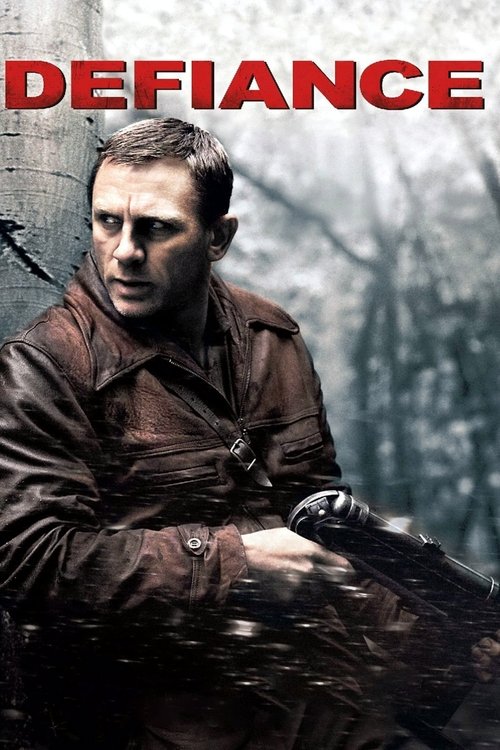
Defiance2008
Daniel Craig and Liam Neeson as brothers leading Jewish partisans in the forest. An action film with a conscience, focused on armed resistance rather than escape. Energetic and propulsive where Sobibor is controlled.
But Its action-film aesthetics sometimes undercut its own moral seriousness. Feels occasionally like a thriller pretending to gravitas.
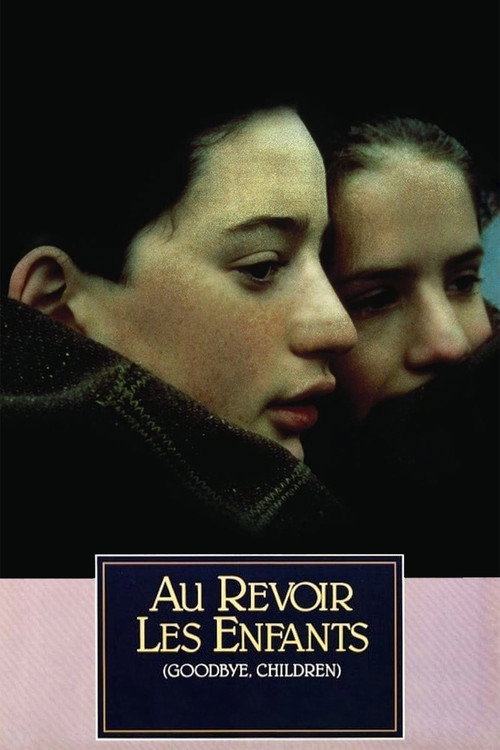
Au Revoir les Enfants1987
Louis Malle's autobiographical film about a Jesuit school hiding Jewish boys in occupied France. Smaller in scale than Sobibor but equally precise. About proximity, complicity, and the ordinary people caught between.
But Its pace is leisurely by design; viewers expecting narrative drive will find it slow and sometimes frustrating.
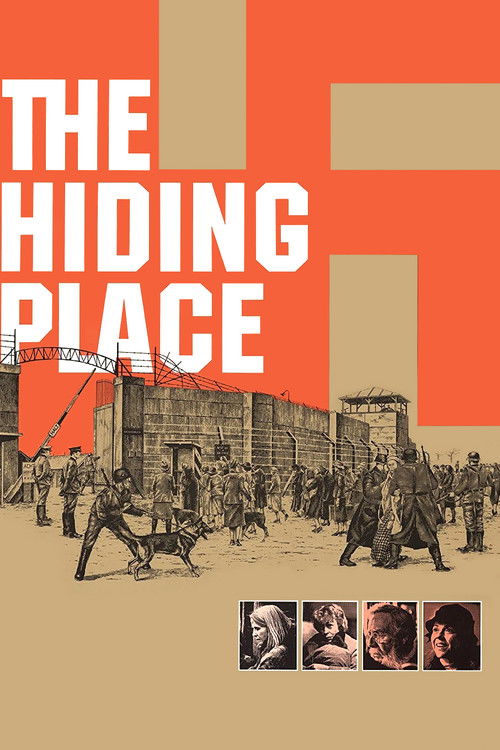
The Hiding Place1975
Based on Corrie ten Boom's memoir, about a Dutch family sheltering Jews. Quieter and more devotional than Sobibor, but another true account of resistance through organization and courage.
But Explicitly faith-centered; the Christian framing may feel didactic to some viewers. The production values are dated.
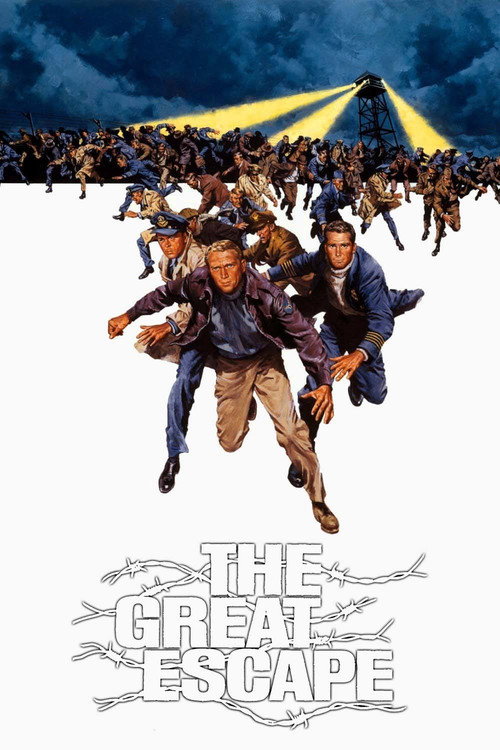
The Great Escape1963
Both dramatize true mass escapes from enemy camps through meticulous planning and group courage. Both understand escape as a problem to be solved, requiring discipline and trust rather than luck or heroics.
A POW camp escape film, yes, but Sturges' masterpiece is obsessed with the same engineering of resistance: tunnels, planning, psychology, cooperation. The mood is lighter, but the structure—how do trapped men organize freedom?—is identical.
But It's a studio entertainment, not a Holocaust film. The tone mismatch may feel trivializing if you're coming from Sobibor.
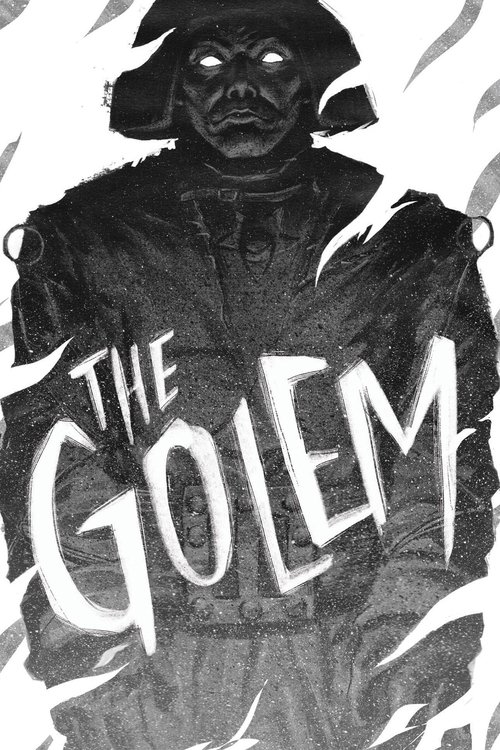
The Golem: How He Came into the World1920
Both are about Jewish survival and resistance, but one is literal history stripped to human scale, the other is collective fantasy raised to mythic scale. Watching them together clarifies what we do with these stories—how we make them real or make them transcendent.
Paul Wegener's 1920 German Expressionist silent film: a rabbi in Prague creates a clay monster to protect the ghetto. It's myth, not history—but about survival, resistance, and community protection in the face of persecution. Shot in the language and visual grammar of nightmare.
But It's a 1920 German Expressionist silent film. If that sentence didn't excite you, this won't either. Its abstraction is its power and its barrier.
People
Cast
 Alan ArkinLeon Feldhendler
 Joanna PaculaLuka
 Rutger HauerAlexander 'Sasha' Pechersky
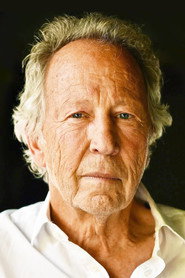 Hartmut BeckerHauptscharführer Gustav Wagner
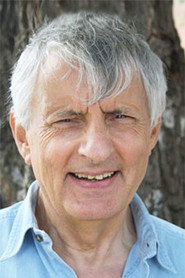 Jack ShepherdItzhak Lichtman
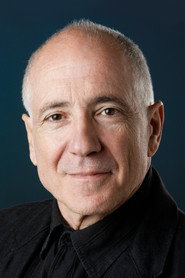 Emil WolkSamuel
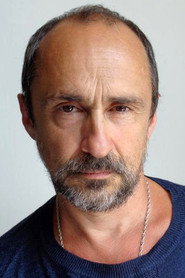 Simon GregorShlomo
 Linal HaftOberkapo Porchek
 Jason NormanToivi Blatt
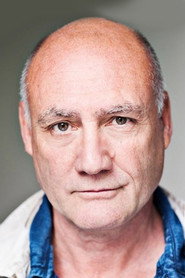 Robert GwilymChaim Engel
- Eli NathensonMoses Szmajzner
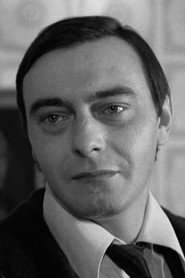 Kurt RaabOberscharführer Karl Frenzel
Directing
- Jack GoldDirector
Writing
- Richard RashkeBook
- Stanisław SzmajznerBook
- Reginald RoseTeleplay
Production
- James EastepAssociate Producer
- Priscilla JohnCasting
- Howard P. AlstonCo-Producer
- Martin StargerExecutive Producer
- Dennis E. DotyProducer
Recommended by
The Tattooist of Auschwitz, Uprising, The Wooden Horse, Botany Bay