
Film
Triumph of the Spirit
Triumph of the Spirit tells the true story of boxer Salamo Arouch, forced to fight fellow inmates in a concentration camp while Nazi guards gamble on the matches. It's a brutal, difficult film that doesn't look away from complicity and degradation, even in survival. For those who can sit with uncomfortable histories and need to understand how ordinary horror unfolds.
If you liked this
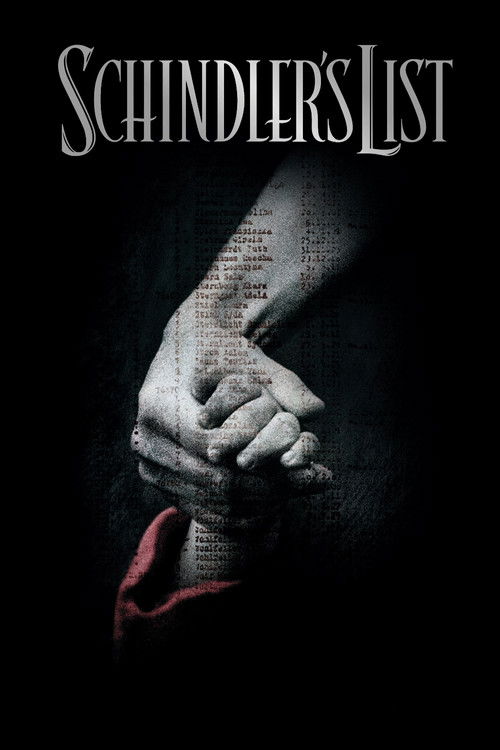
Schindler's List1993
Spielberg's unflinching portrait of one man's moral reckoning during the Holocaust. Monumental in scope and emotional weight, it sets the standard for how cinema can bear witness without exploitation.
But At nearly four hours and in black and white, it demands patience and emotional endurance. Some find its scale overwhelming rather than intimate.
The Pianist2002
Roman Polanski's lean, visceral account of pianist Władysław Szpilman's survival through Warsaw's ghettos and occupation. It focuses on individual will and unexpected mercy rather than grand statements.
But The violence is sudden and unglamorous. It doesn't offer much hope or redemption, which some find punishing rather than clarifying.

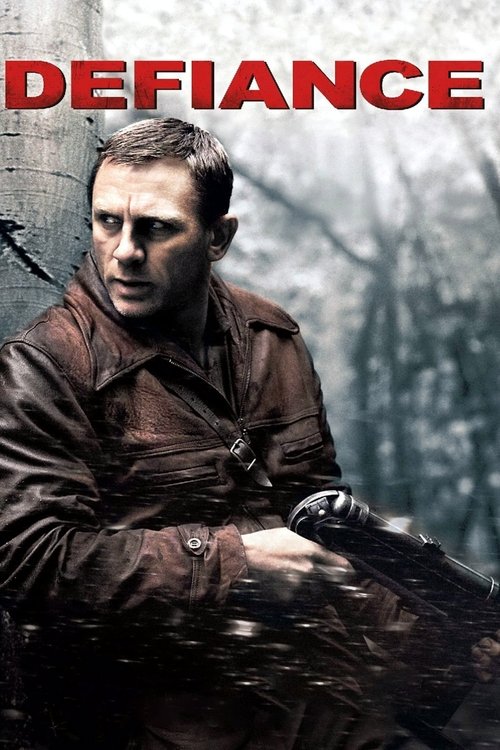
Defiance2008
Edward Zwick's story of the Bielski brothers building a Jewish resistance community in the forest. It balances moral complexity with genuine action sequences that feel earned rather than exploitative.
But The ensemble cast can feel underdeveloped, and the action-drama balance may seem at odds with the subject matter to some viewers.
Not sure tonight? Get a pick in a minute, starting from Triumph of the Spirit
The wildcard
Something you would not have found on your own.
Stalker1979
Both ask what human beings will endure, and for what. Both use physical ordeal—boxing, journeying—as metaphor for moral and spiritual struggle. Both suggest that survival and transcendence aren't the same thing.
Andrei Tarkovsky's meditative science-fiction film follows a man guiding seekers through a mysterious zone toward a wish-granting room. Glacially paced, visually hypnotic, it's about desire, faith, and the things we're willing to endure for intangible hopes.
But It's 160 minutes of philosophical dialogue and long shots. If you're expecting plot or action, it will feel like punishment. It requires the kind of attention most cinema actively discourages.

More like this (6)
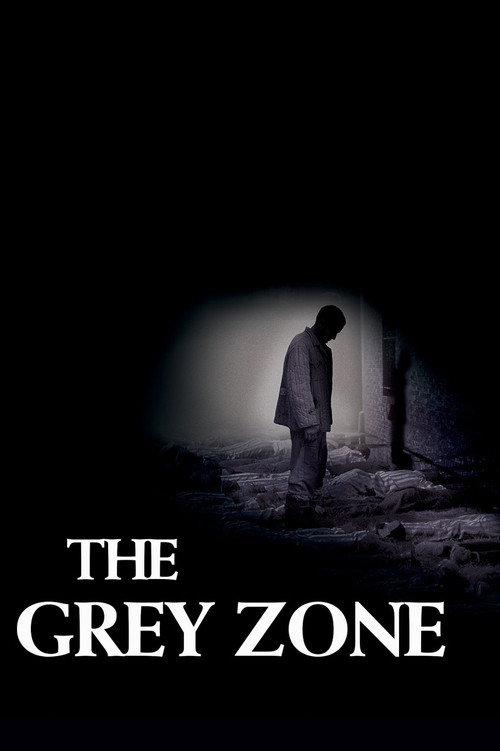
The Grey Zone2001
Tim Blake Nelson's quietly devastating film about the Sonderkommando—Jewish prisoners forced to assist in the crematoriums. It's an unflinching exploration of impossible choices and residual humanity.
But It's bleak, unglamorous, and offers no redemptive arc. The performances are deliberately restrained, which can feel cold if you're seeking emotional catharsis.
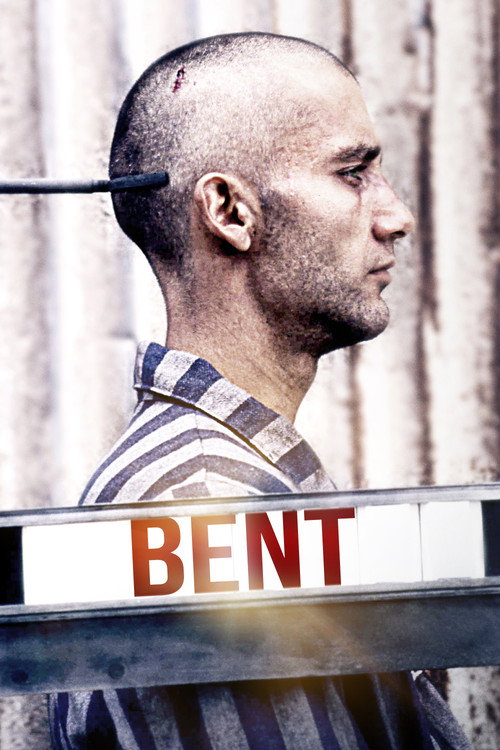
Bent1997
Sean Mathias directs this adaptation of Martin Sherman's play about gay prisoners in concentration camps. It's tender and explicitly political, centering desire and dignity as forms of resistance.
But It's more theatrical than naturalistic, and some find the romantic elements inappropriate given the historical context. It's also less well-known, so expectations may shift.
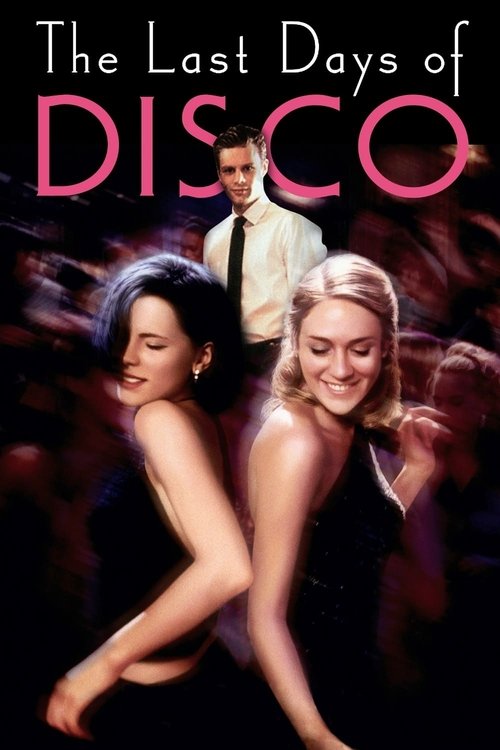
The Last Days of Disco1998
James Moll's documentary featuring Survivors of the Holocaust, including Hungarian Jews liberated from Auschwitz. Personal testimony and archive footage create an intimate historical record without narration.
But As a documentary, it lacks dramatic structure. Some viewers want narrative propulsion, not testimony and remembrance.
Come and See1985
Elem Klimov's nightmarish Soviet film follows a partisan boy through the Nazi invasion of Belarussia. It's visually extraordinary and emotionally devastating—perhaps cinema's truest portrait of war's dehumanisation.
But It's extremely graphic, uses unsettling sound design, and offers no catharsis. Many find it unwatchable rather than necessary.

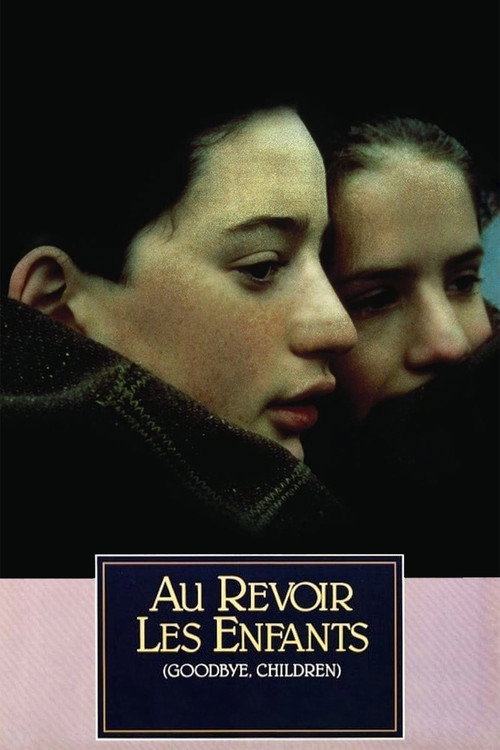
Au Revoir les Enfants1987
Louis Malle's semi-autobiographical story of a French boarding school where a Jewish boy hides in plain sight. Subtle and elegiac, it captures how betrayal and complicity happen without melodrama.
But Its restraint may feel insufficiently grave to some. It's a character study, not a historical epic, and that quietness can read as distant.
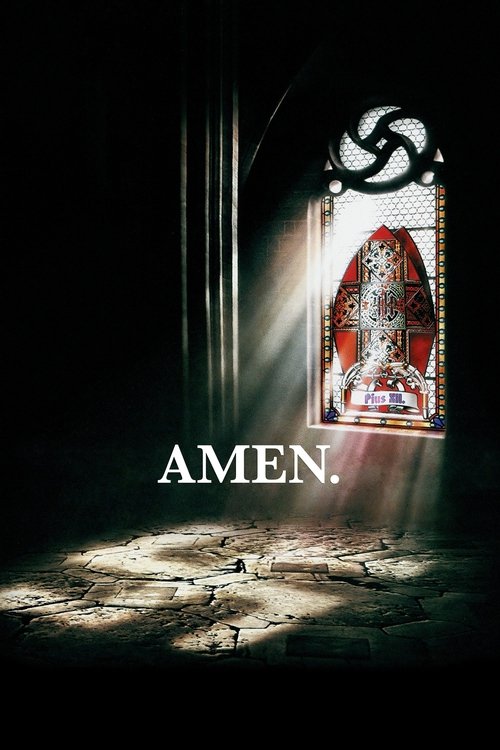
Amen.2002
Costa-Gavras examines the true story of a Vatican officer attempting to halt the Holocaust through diplomatic channels. It's a political thriller about bureaucratic evil and moral leverage.
But It's argumentative and deliberately polemical about institutional complicity. Some feel it reduces history to a screenplay and asks too many 'what if' questions.
People
Cast
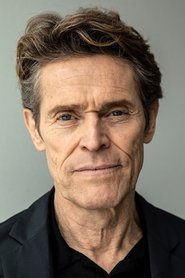 Willem DafoeSalamo Arouch
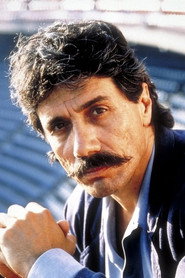 Edward James OlmosGypsy
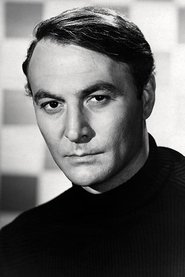 Robert LoggiaFather Arouch
 Wendy GazelleAllegra
 Kelly WolfElena
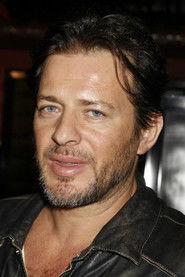 Costas MandylorAvram
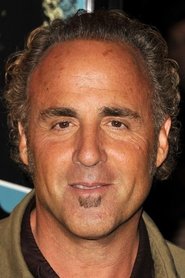 Kario SalemJacko
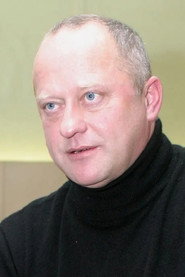 Edward ŻentaraJanush
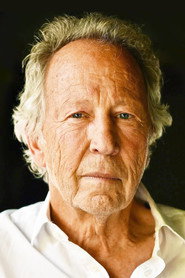 Hartmut BeckerMaj. Rauscher
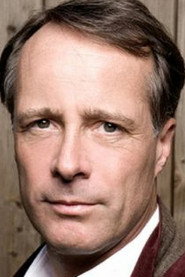 Burkhard HeylAid to Rauscher
 Zofia SaretokMomma
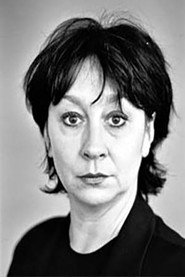 Grażyna KrukównaSister Julie
Directing
- Robert M. YoungDirector
Writing
- Shimon AramaStory
- Zion HaenStory
- Andrzej KrakowskiWriter
- Laurence HeathWriter
Production
- Evan KopelsonAssociate Producer
- Sonja KaronAssociate Producer
- Mike FentonCasting
- Roni Ya'ackovLine Producer
- Arnold KopelsonProducer
- Shimon AramaProducer
- Maria NormanProducer's Assistant