
Film
Amen.
Other titles called Amen.: the 1986 series (NBC), the 2013 film.
- Period drama
- Very dark
Costa-Gavras's furious drama about a Nazi scientist and a Vatican priest trying to stop the Holocaust from within the machinery that enables it. Tense, structured like a procedural thriller, and devastating in what it shows us about institutional cowardice. For anyone who wants history that feels urgent and morally uncompromising.
Should you watch it?
Watch it if you want a talky, morally serious drama about institutional silence and individual conscience, where cramped rooms full of argument carry as much weight as the images.
Skip it if you need the horror shown outright, since this keeps the killing at a distance and runs on meetings and evasions that can feel slow across two and a quarter hours.
What it asks of you: Patience for a long, dialogue-heavy stretch of two hours and twelve minutes, the pace set by argument rather than action, and a mood that stays somber throughout.
Not sure? Find tonight's pick in a minute.
If you liked this
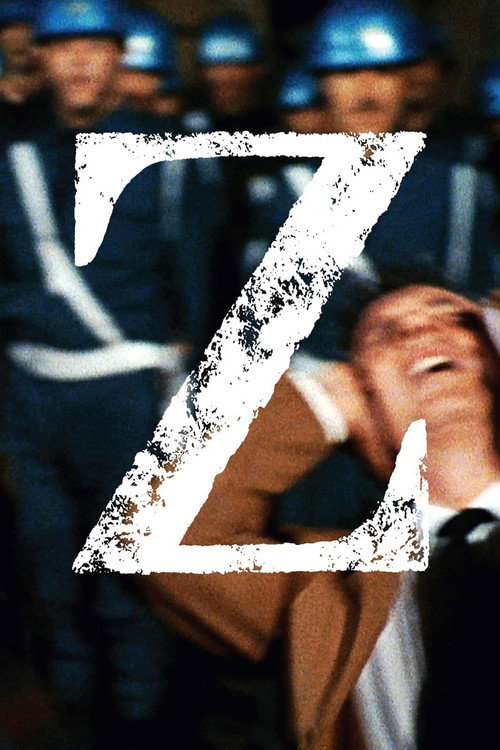
Z1969
Costa-Gavras's masterpiece about political assassination and cover-up. The same director, same gift for building dread through bureaucratic obstruction, same rage at systems that protect power over truth.
But Shot in a flatter, more overtly stylized way than Amen. Some viewers find his didactic approach heavy-handed rather than clarifying.
Spotlight2015
Reporters hunting institutional truth, doors closing, powerful men counting on silence. The same structure: ordinary people versus a machine designed to hide atrocity. Incredibly gripping.
But American and recent, so it feels safer. Less morally vertiginous because the system eventually fractures—here it mostly holds.

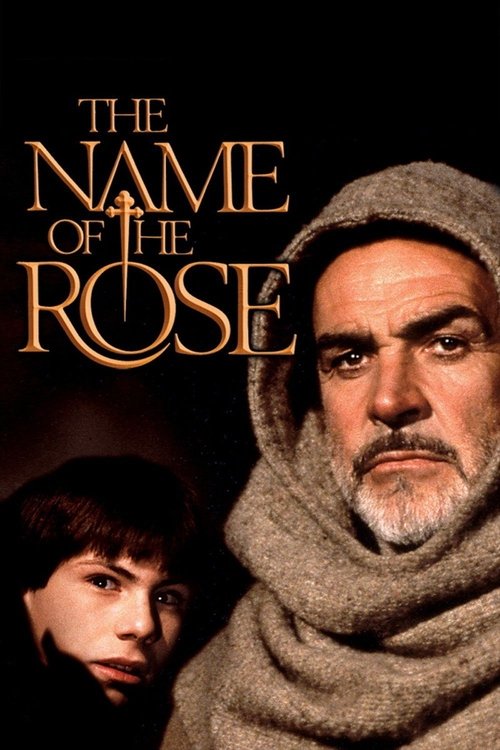
The Name of the Rose1986
Medieval monastery as pressure cooker of faith, doctrine, and compromise. A mystery nested inside theology. Umberto Eco's novel adapted with intelligence and visual grandeur.
But Three and a half hours, and the medieval philosophy can feel digressive if you're not patient with tangent and symbol.
Not sure tonight? Get a pick in a minute, starting from Amen.
The wildcard
Something you would not have found on your own.
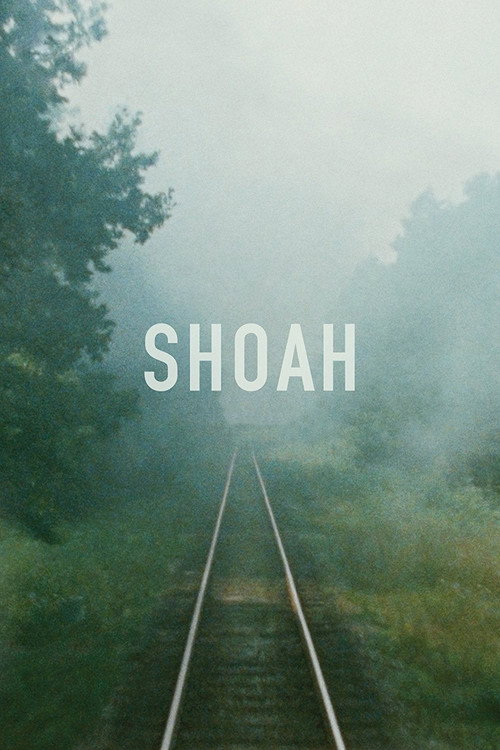
Shoah1985
Both insist that bearing witness to the Holocaust requires discomfort and duration. Both reject the comfort of narrative resolution.
Claude Lanzmann's nine-and-a-half-hour documentary: no archival footage, only survivors and perpetrators and empty landscapes. It refuses every easy visual language for the Holocaust and makes you sit with that refusal. Amen is about institutional blindness; Shoah is about how we look at atrocity now.
But Its length is not a flaw—it's structural. You cannot skim it or half-watch it. Commitment is the price of entry.
More like this (8)
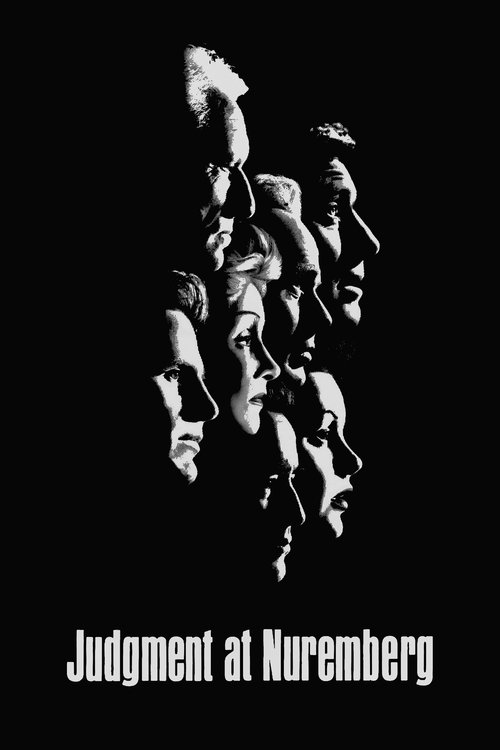
Judgment at Nuremberg1961
Spencer Tracy presiding over the reckoning with Nazi lawyers and judges who claimed they were just following orders. Methodical, shattering, and it asks the same question: who bears responsibility?
But Dated in style and somewhat theatrical. The black-and-white courtroom drama can feel like a stage play that happens to be filmed.
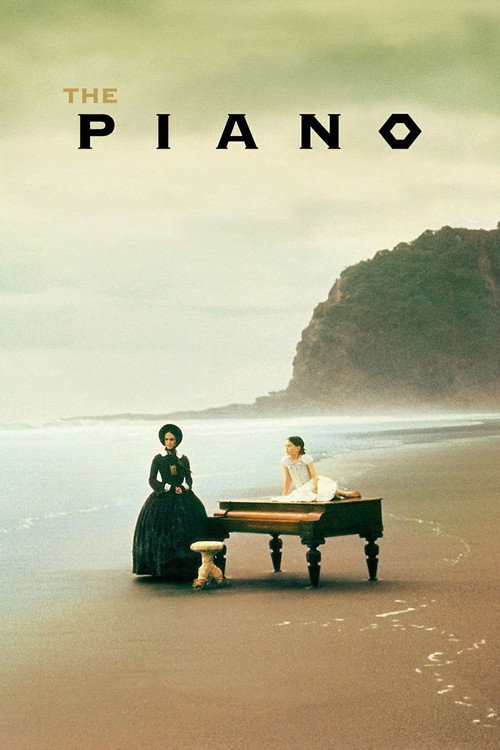
The Piano1993
Jane Campion's immaculate study of desire, silence, and what happens when you refuse to be complicit. Visually extraordinary and emotionally precise in ways that feel almost scientific.
But Oblique, sensual, and unconcerned with plot clarity. If you want narrative propulsion over atmosphere, this will frustrate you.
A Prophet2009
French prison drama about a man building power inside an institution designed to crush him. The machinery of oppression examined from the inside, with brutal clarity and strange humanity.
But Violent and graphic. The prison setting is claustrophobic by design, which means watching it is genuinely uncomfortable.

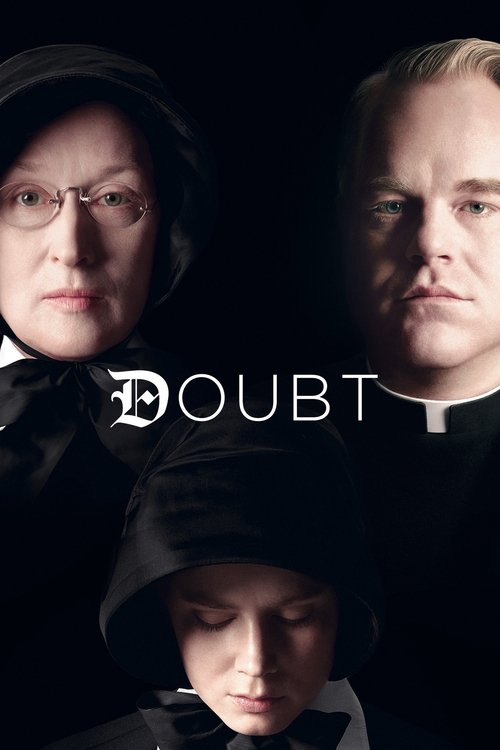
Doubt2008
Meryl Streep and Philip Seymour Hoffman locked in a battle about belief, accusation, and institutional protection of priests. It's a two-hander disguised as a four-hander, and it's razor-sharp.
But Ends on ambiguity that some viewers find evasive rather than provocative. The moral questions it raises don't resolve.
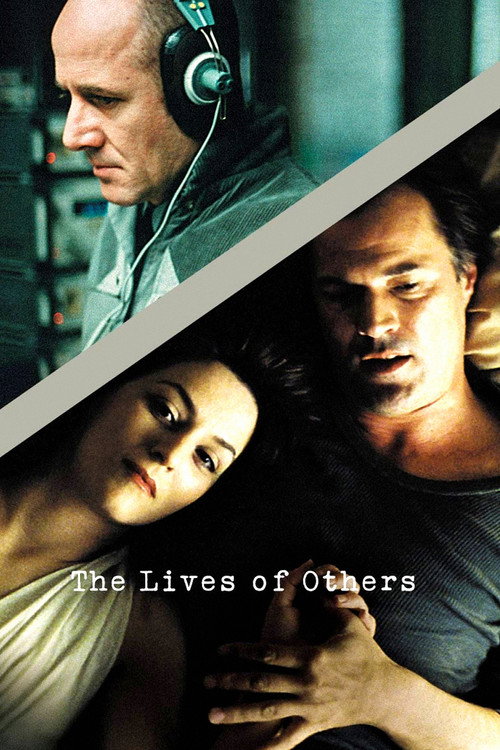
The Lives of Others2006
East German secret police surveillance drama. A man inside an oppressive system slowly awakening to its evil. Quiet, patient, and unbearably tense—the interior moral crisis is the whole film.
But Deliberately paced. Long stretches of watching and listening rather than action. Rewards attention but demands it.
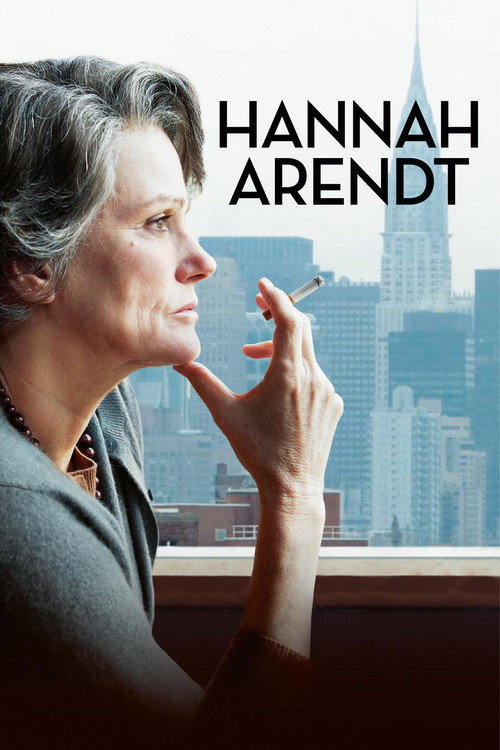
Hannah Arendt2012
Barbara Sukowa as the philosopher grappling with the banality of evil. A film about thinking, about refusing easy answers, about one person trying to tell an unwilling public what she sees.
But Largely a conversation between intellectuals. If you need movement and event, the philosophical register will feel static.
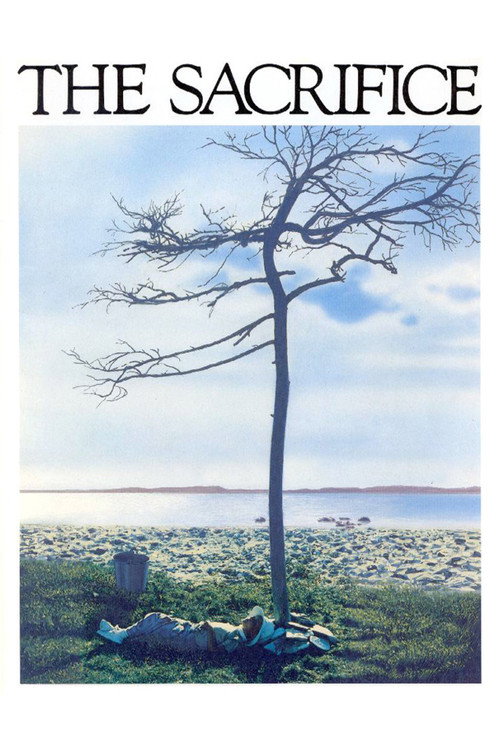
The Sacrifice1986
Both films are about one person's conviction that he must act against historical catastrophe, and both examine what that conviction costs him and whether it matters.
Tarkovsky's final film: a man preparing to sacrifice everything to stop a war he can feel coming. Metaphysical, glacially paced, visually transcendent. It approaches moral crisis through dream-logic rather than procedure, but the stakes are the same.
But Austere and cryptic. If you need clarity, this will feel like watching someone else's fever dream. It moves at its own pace, which is glacial.
Come and See1985
Both films refuse to let you escape complicity or numbness. Both insist that watching atrocity means being changed by it, not comforted.
Elem Klimov's Belarusian masterpiece about a boy conscripted into the Soviet army during WWII. Not a war film—a descent into hell. Visceral, hallucinatory, and morally devastating in ways that make most war films look quaint.
But Brutally graphic and relentless. It does not offer relief or distance. Many viewers find it nearly unwatchable, and that's not accidental.

People
Cast
 Ulrich TukurKurt Gerstein
 Mathieu KassovitzRiccardo Fontana
 Ulrich MüheThe Doctor
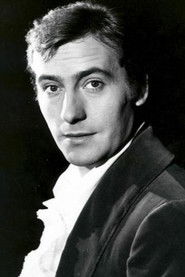 Michel DuchaussoyThr Cardinal
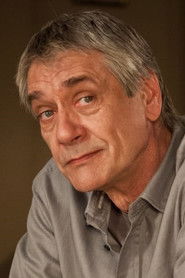 Marcel IureșThe Pope
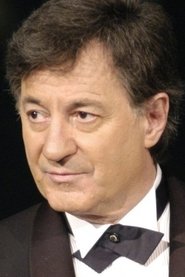 Ion CaramitruCount Fontana
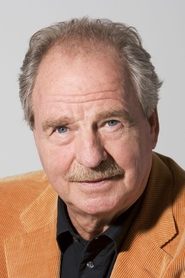 Friedrich von ThunGerstein's Father
 Antje SchmidtMrs. Gerstein
 Günther Maria HalmerPastor Dibelius
 Hanns ZischlerGrawitz
 Sebastian KochHöss
 Monica BleibtreuMrs. Hinze
Directing
- Anne AbitbolAssistant Director
- Julie GavrasAssistant Director
- Radu JudeAssistant Director
- Yaël FauthouxAssistant Director
- Costa-GavrasDirector
- Alain OlivieriFirst Assistant Director
- Cristian CiureaFirst Assistant Director
- Melia Cerchez AnghelFirst Assistant Director (Prep)
- Andra BarbuicaScript Supervisor
- Anatol ReghintovschiSecond Assistant Director
- Theodor Halacu-NiconSecond Assistant Director
- Adrian SitaruThird Assistant Director
- Laurentiu MaroneseThird Assistant Director
Writing
- Costa-GavrasScreenplay
- Jean-Claude GrumbergScreenplay
- Rolf HochhuthTheatre Play
Production
- Florin KevorkianCasting
- Jina JayCasting
- Sabine SchrothCasting
- Andrei BonceaProducer
- Michèle Ray-GavrasProducer
Recommended by
Defiance, Of Gods and Men, The White Rose, Triumph of the Spirit, The Invisibles, Alone in Berlin, Vigilante: The Crossing, Beyond the Gates