
Film
Alone in Berlin
A quiet act of resistance becomes a death sentence. When a Berlin couple loses their son to Nazi war, they begin distributing anonymous postcards urging people to stop the regime. This is a film about ordinary people choosing principle over survival, about grief curdling into defiance. Tense, morally unflinching, and small in the best way—intimate rather than epic.
Should you watch it?
Watch it if you want a slow-burn resistance story built on small, stubborn acts, where moral courage is measured in postcards and the dread of being noticed by a neighbour.
Skip it if you need propulsive plotting or a sweeping canvas; this is a narrow, sombre chamber piece where the tension is quiet and the suffering is close and unrelenting.
What it asks of you: Roughly an hour and forty-three minutes, paced deliberately, with little relief and much held in faces and silences rather than action, so the weight arrives gradually and stays.
Not sure? Find tonight's pick in a minute.
If you liked this
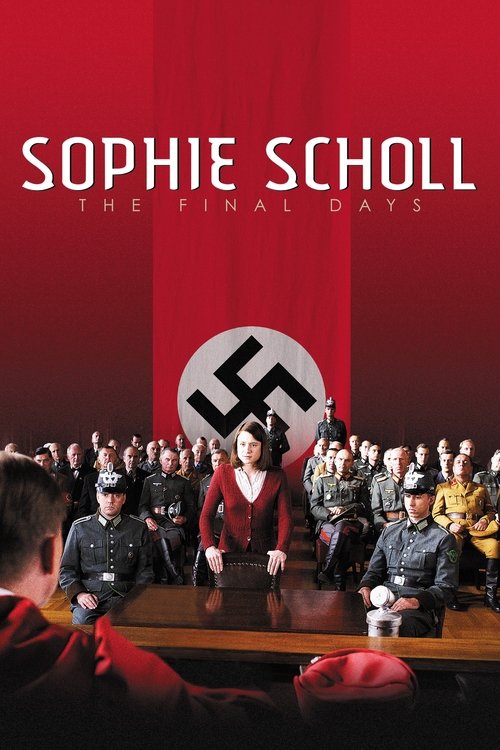
Sophie Scholl: The Final Days2005
Another portrait of German civilians resisting the Third Reich through the simplest act: speaking truth. Executed with surgical precision and devastating emotional clarity. Sophie's quiet courage mirrors the Quangels' in register and consequence.
But It is almost unbearably sad, and the outcome is known. The film does not soften the historical record for your comfort.
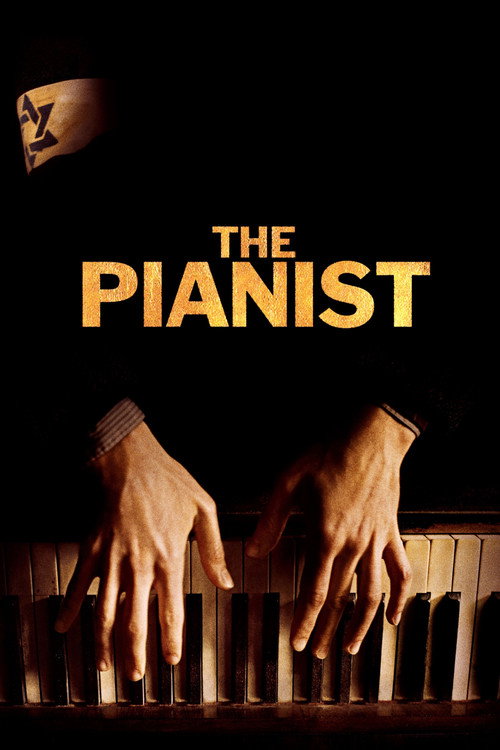
The Pianist2002
Survival under Nazi occupation—visceral, unglamorous, focused on small desperate choices rather than grand heroism. Polanski's direction finds humanity in extremity without ever letting you forget the systematic horror.
But Brutally violent in places. Some find Brody's withdrawn performance detached rather than affecting.
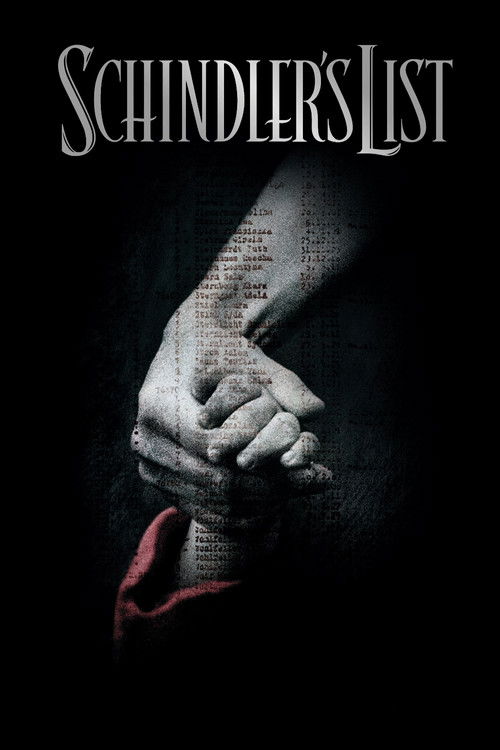
Schindler's List1993
The gold standard of Holocaust cinema. Oskar Schindler is no idealist—he saves lives because he can and it matters. The film asks what ordinary people are capable of when the stakes are absolute.
But At three hours and fourteen minutes, it is a substantial commitment. The violence is neither stylised nor avoidable.
Not sure tonight? Get a pick in a minute, starting from Alone in Berlin
The wildcard
Something you would not have found on your own.
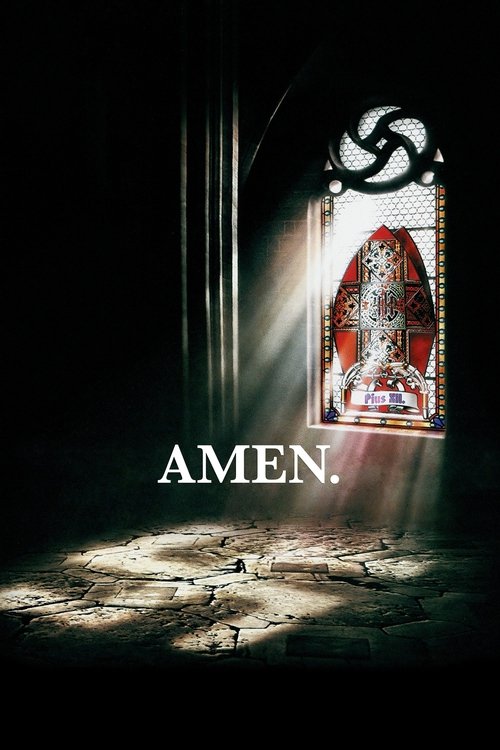
Amen.2002
Both are about Germans wrestling with conscience while systems around them demand compliance. Both refuse to make their protagonists heroic or exceptional—they are ordinary people in extraordinary moral positions.
Costa-Gavras on the Vatican's silence during the Holocaust. A priest and a Nazi officer form an unlikely alliance to expose the Church's complicity. Political thriller energy applied to moral cowardice—entirely different in register from Alone in Berlin but asking the same question: what is the cost of remaining silent?
But Dated in its filmmaking style. Some find the dual-protagonist structure diffuses rather than clarifies the moral argument.
More like this (8)
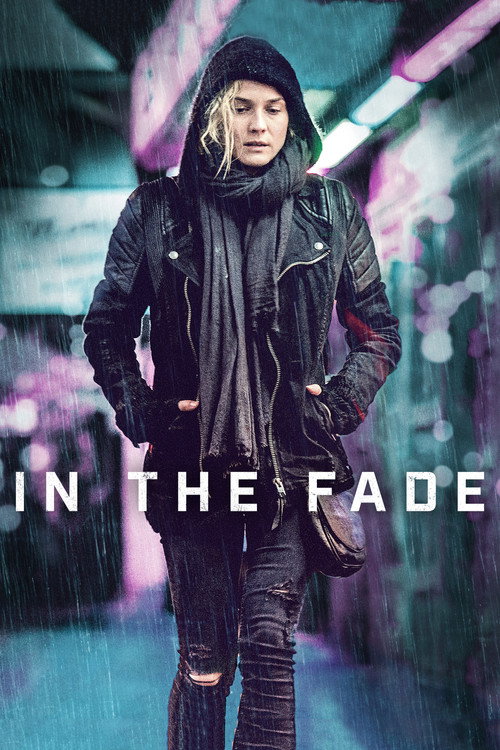
In the Fade2017
Fatih Akin's portrait of grief transformed into obsession and rage. Like Alone in Berlin, it's about ordinary lives shattered by systemic cruelty and the question of what you do when the system protects itself.
But It is a slow burn that demands patience. The emotional payoff arrives quietly, which some will find unsatisfying.
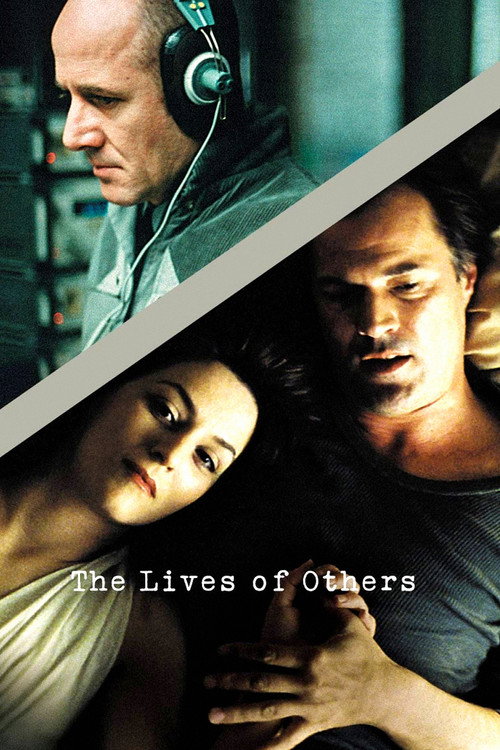
The Lives of Others2006
East German surveillance state, watched from inside the apparatus of oppression. A Stasi officer begins to question everything he's been told to do. The intimacy and moral complexity are extraordinary.
But Deliberately paced. If you want plot momentum over character study, you'll fidget.
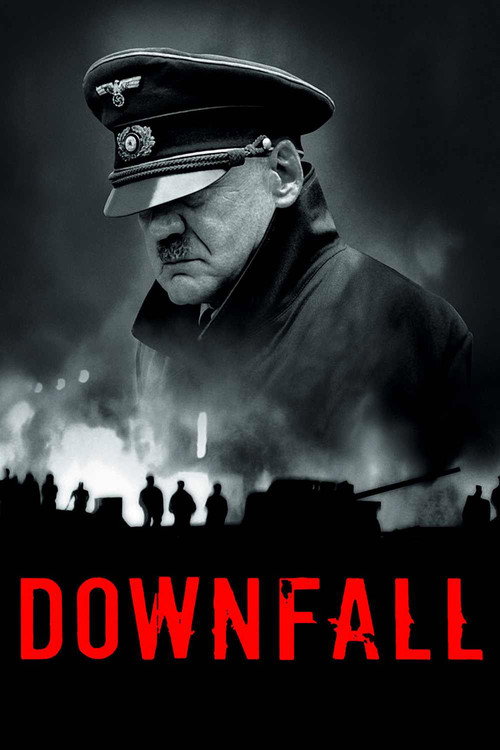
Downfall2004
Hitler's final days in the bunker, seen through the eyes of his secretary and the people around him. Humanises without excusing, showing how ordinary people enable extraordinary evil through small compromises.
But Some objected to showing Hitler as anything other than a caricature. The film's complexity may feel uncomfortable.
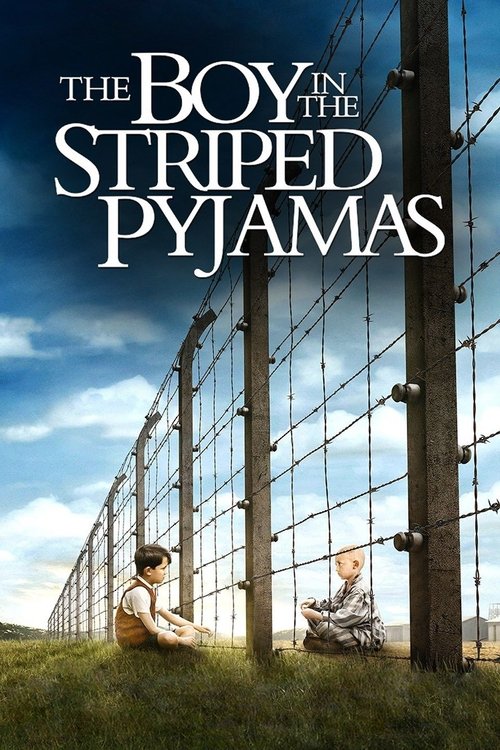
The Boy in the Striped Pyjamas2008
Two boys divided by a fence, one Nazi commandant's son and one imprisoned in a camp. Told from a perspective of tragic innocence, it finds connection where the machinery of the Holocaust insists on separation.
But The ending is devastating in a way that some readers found manipulative rather than moving. It asks a lot emotionally.
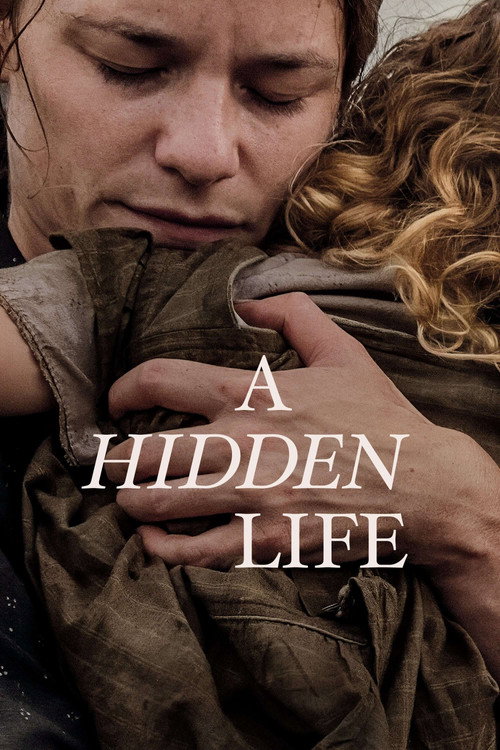
A Hidden Life2019
Terrence Malick on Austrian conscientious objection during WWII. Franz Jägerstätter refuses to take up arms and faces execution. Visually rapturous and spiritually grounded, about faith as an act of resistance.
But Malick's late style is not for everyone—fragmentary, lyrical, resistant to conventional narrative. You are either with it or profoundly against it.
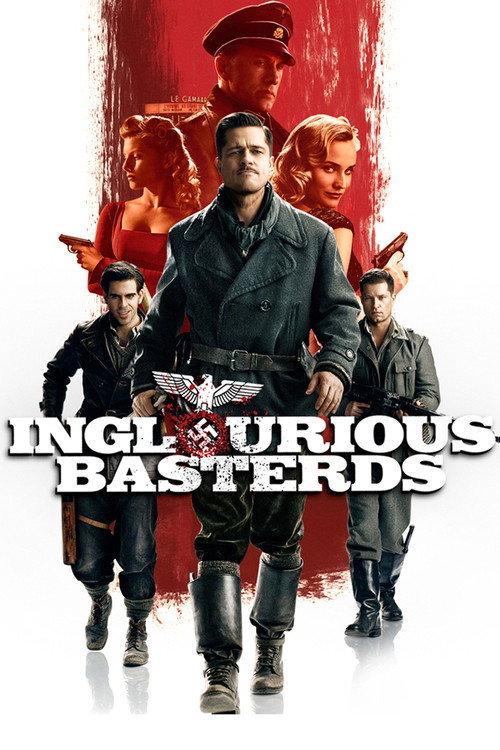
Inglourious Basterds2009
Tarantino's alternate history where Jewish soldiers get to rewrite the ending. It is catharsis dressed as cinema, and after the moral weight of true accounts, the fantasy can be electric and clarifying.
But It is a revenge fantasy that inverts historical reality. If you want documentary accuracy about WWII resistance, this is not it.
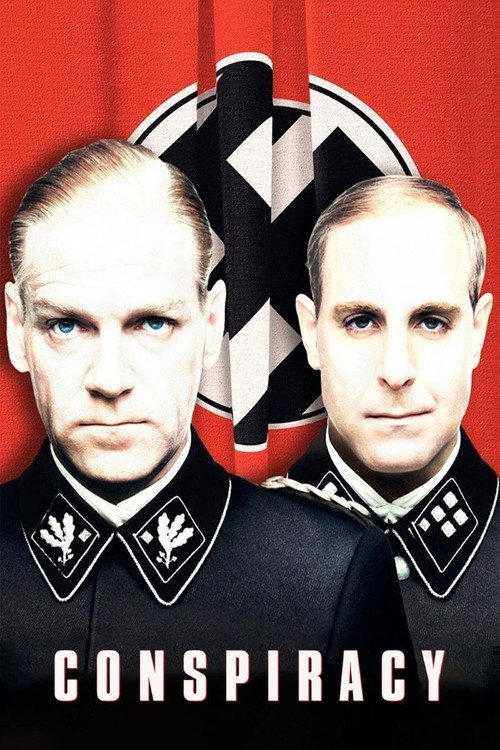
Conspiracy2001
Same historical moment and geography, but from the opposite end of the telescope. The Quangels are alone in their kitchen trying to stop the machine; Conspiracy shows you the men in the room building it. Different scales of the same moral rupture.
HBO film about the Wannsee Conference—a single room, a single meeting, where Nazi bureaucrats methodically plan the Final Solution. Entirely dialogue-driven, almost stagey. It renders the Holocaust's architecture visible in real time without spectacle or sentiment.
But It is ninety minutes of men in a room talking. There is no action, no visual relief, no music. It is austere to the point of difficulty.
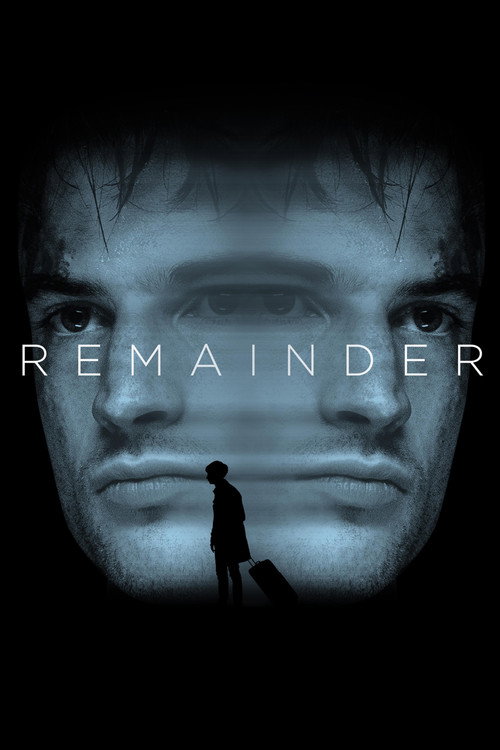
Remainder2015
Both explore how trauma reshapes ordinary people into something unrecognizable, and both are interested in the gap between intention and outcome. The Quangels distribute postcards hoping to inspire resistance; Remainder suggests how actions launched into the world rarely land as we imagine. Different genres entirely, but the same quiet horror of powerlessness.
A man uses a large financial settlement to reconstruct and replay an accident that nearly killed him, methodically, obsessively, with hired actors. It is a spare, strange, unsettling examination of how trauma calcifies into compulsion and what happens when grief has nowhere to go.
But Deliberately alienating and cold. It has no conventional emotional arc and offers no catharsis. The style feels divorced from feeling, which is either the point or unbearable.
People
Cast
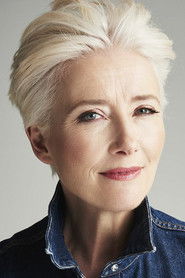 Emma ThompsonAnna Quangel
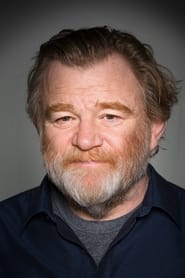 Brendan GleesonOtto Quangel
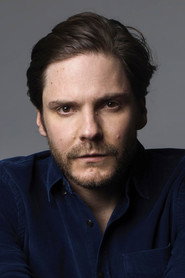 Daniel BrühlEscherich
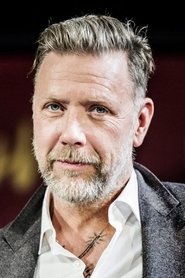 Mikael PersbrandtPrall
 Katharina SchüttlerClaire Gehrich
 Louis HofmannHans Quangel
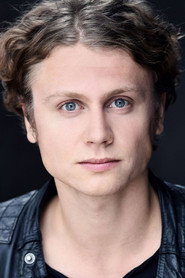 Rafael GareisenHerbert Wegner
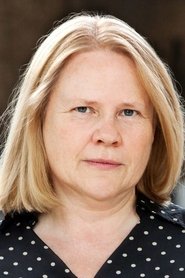 Hildegard SchroedterIda Kuhn
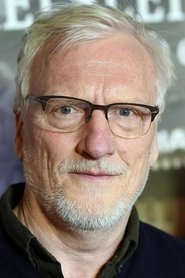 Ernst StötznerDptm. Head Walter
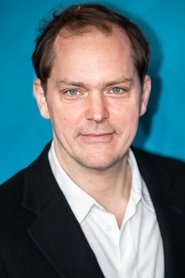 Godehard GieseColonel Krüger
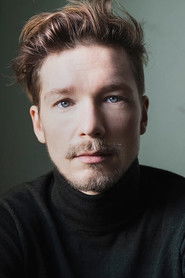 Jacob MatschenzDietrich Necker
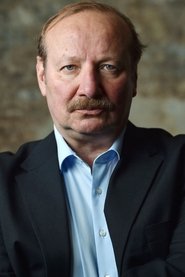 Rainer ReinersSalesman Franz Kanz
Directing
- Vincent PerezDirector
- Arndt WiegeringFirst Assistant Director
- Nancy RivasScript Supervisor
Writing
- Vincent PerezCo-Writer
- Hans FalladaNovel
- Achim von BorriesScreenplay
Production
- Jina JayCasting
- Simone BärCasting
- Alison ThompsonExecutive Producer
- Michael ScheelExecutive Producer
- Norman MerryExecutive Producer
- Peter HampdenExecutive Producer
- Christian GrassProducer
- James SchamusProducer
- Marco PacchioniProducer
- Paul TrijbitsProducer
- Stefan ArndtProducer
- Uwe SchottProducer
- Anja WedellProduction Executive
- Jan R. MartinProduction Manager
- Svenja StirnProduction Secretary