
Film
Sophie Scholl: The Final Days
- Drama
- Very dark
A precise, unflinching reconstruction of Sophie Scholl's final days after her arrest by the Gestapo in 1943. The film sits almost entirely in interrogation rooms and prison cells, building unbearable tension through dialogue and moral clarity. It's for anyone interested in how ordinary people found courage under totalitarianism, and what happens when ideology meets conscience face-to-face.
Should you watch it?
Watch it if you are drawn to austere, dialogue-driven films where moral courage shows itself in conversation and close observation rather than in battles, and you trust a single interrogation to carry the weight.
Skip it if you want wartime momentum or sweeping history; this is claustrophobic, slow and talky, with long stretches of procedure that can feel more like a transcript than a movie.
What it asks of you: It asks for steady, unbroken attention to faces and silences, with sparse music and no comic relief, across a restrained and rigorous two hours.
Not sure? Find tonight's pick in a minute.
If you liked this
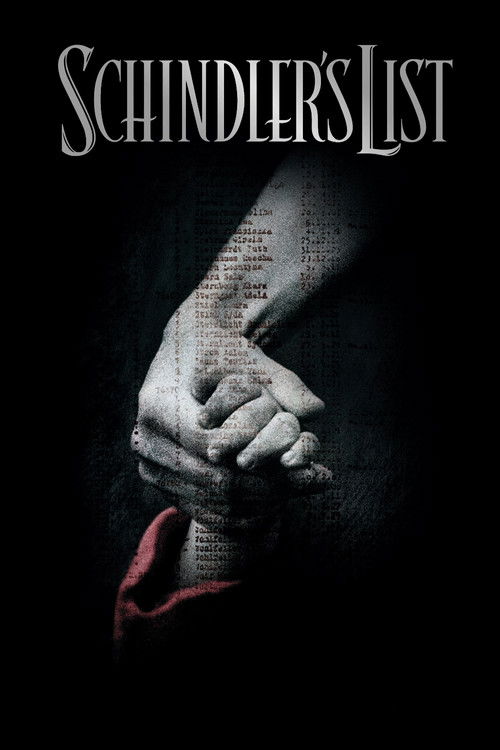
Schindler's List1993
Spielberg's masterpiece about moral resistance during the Holocaust. Haunting, meticulously constructed, and unafraid to show both the machinery of evil and the weight of choosing to resist it.
But Nearly four hours long, and the subject matter is relentlessly dark. There are moments of graphic violence that don't flinch away.
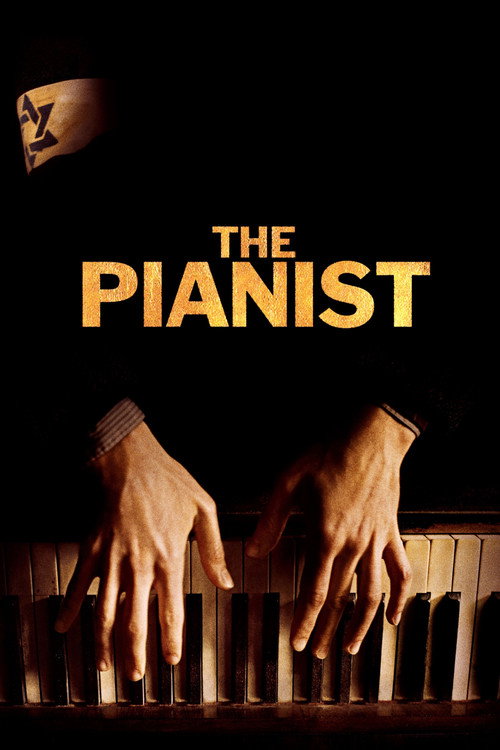
The Pianist2002
Roman Polanski's intimate portrait of survival against impossible odds. Like Sophie Scholl, it grounds historical horror in one person's experience and inner life, making the abstract suddenly visceral.
But It can feel bleak and repetitive—long stretches where very little happens except endurance. Some find that clarity punishing rather than clarifying.
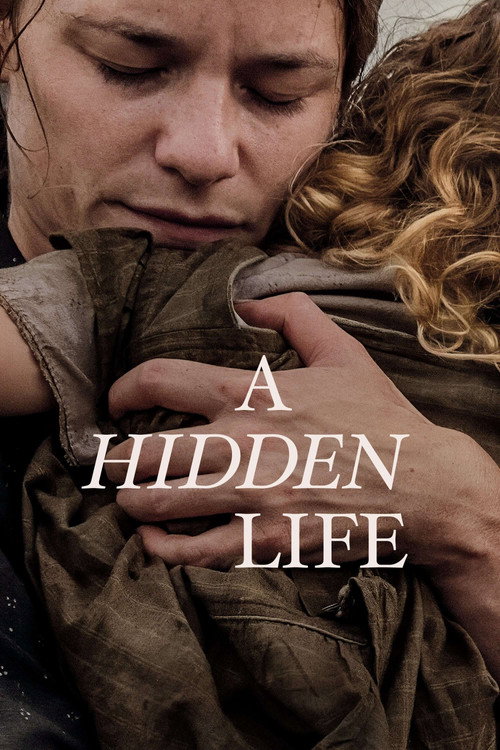
A Hidden Life2019
Terrence Malick's meditative film about an Austrian farmer who refuses to swear allegiance to the Nazis. Shares Sophie's quiet moral absolutism and explores what it costs to say no when the world says yes.
But Malick's style is deliberately slow and poetic. If you want plot momentum or clear narrative beats, you'll find it frustrating rather than moving.
Not sure tonight? Get a pick in a minute, starting from Sophie Scholl: The Final Days
The wildcard
Something you would not have found on your own.
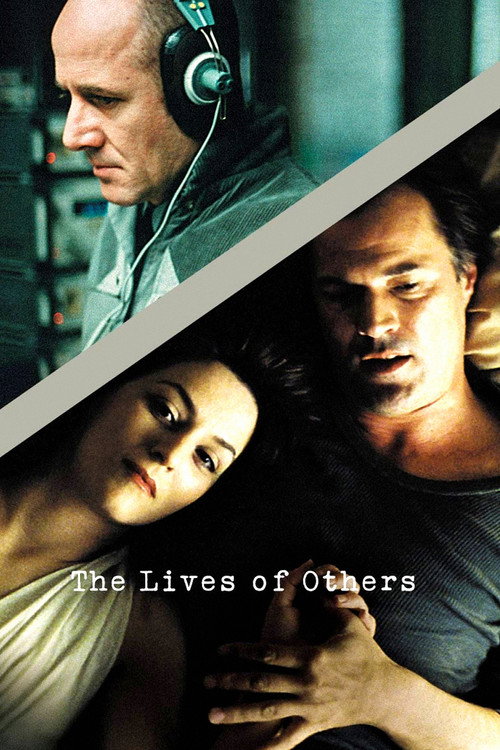
The Lives of Others2006
Both films use the interrogation room as a moral arena where belief systems collide. Both are about people discovering their own agency in the face of absolute power.
A Stasi officer in Cold War East Germany begins questioning the system he serves. Like Sophie, it's about surveillance, conscience, and the moment someone chooses moral clarity over complicity. The interrogation scenes have the same crushing intimacy.
But It's in German with subtitles. The pacing is glacial—nothing external happens, only internal erosion. Some find it too quiet to sustain attention.
More like this (7)
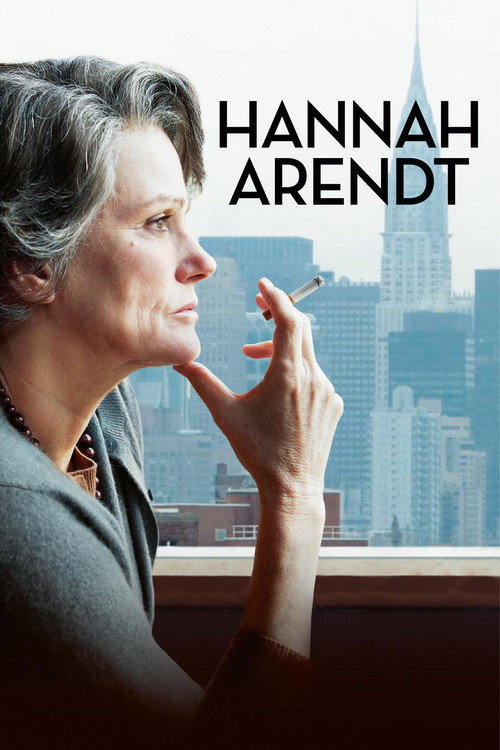
Hannah Arendt2012
Barbara Sukowa is magnificent as the philosopher grappling with the nature of evil after witnessing the Eichmann trial. Intellectual and urgent, about how we think through atrocity.
But It's a film of ideas and conversations. If you need action or external conflict, it may feel airless and academic.
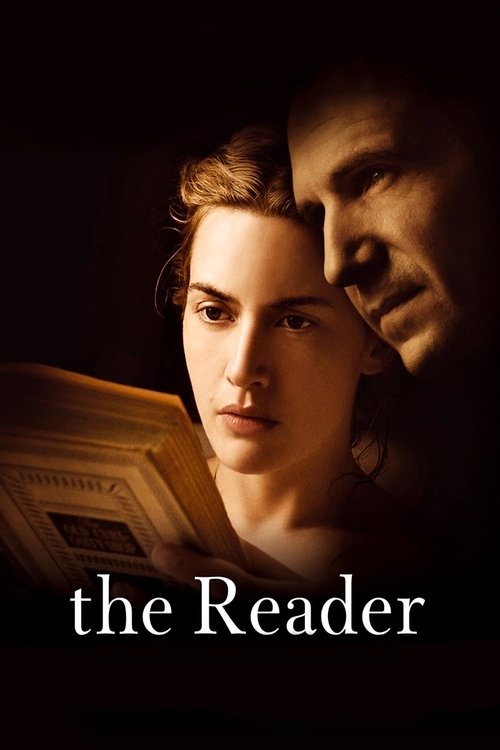
The Reader2008
Kate Winslet in a morally complex story about a woman confronting her role in Nazi crimes. It asks uncomfortable questions about complicity and redemption in ways that linger.
But Some feel it softens or romanticizes a character who participated in atrocity. The moral reckoning many want never quite arrives.
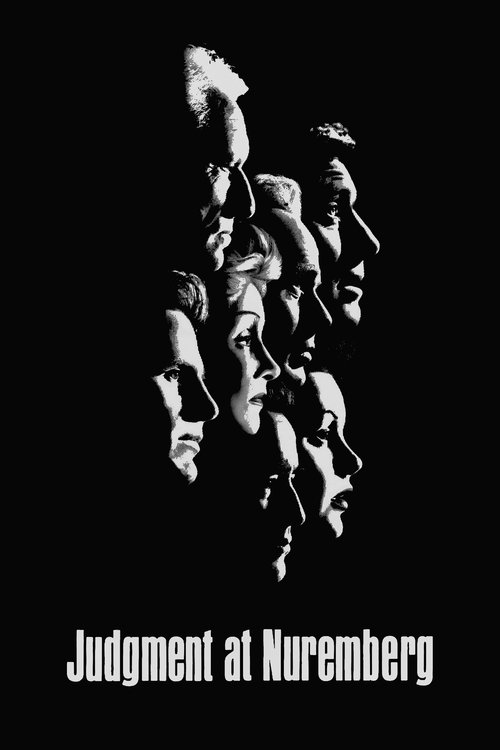
Judgment at Nuremberg1961
A courtroom drama about the trial of Nazi judges. Spencer Tracy and Burt Lancaster anchor a film about institutional evil and the people who enable it from behind desks.
But It's a product of its era—long, formally staged, sometimes didactic. The performances matter more than the screenplay's subtlety.
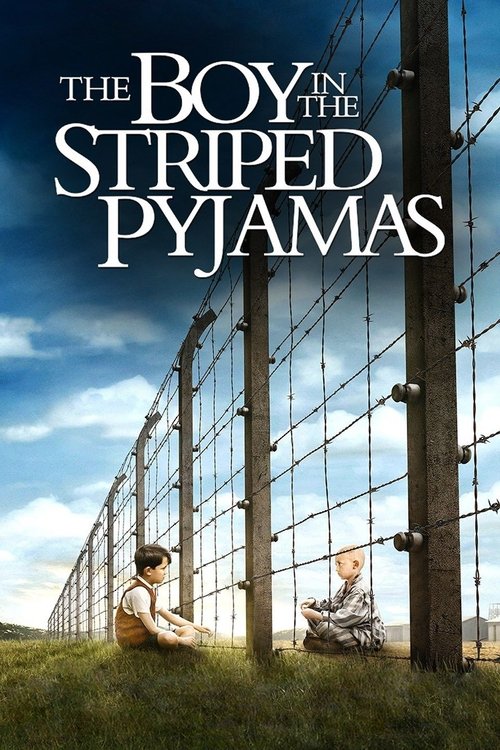
The Boy in the Striped Pyjamas2008
A Holocaust story told through a child's unknowing perspective, heartbreaking and morally clear. Its formal restraint and final sequence are devastating.
But The historical framing is sometimes criticized for oversimplifying. Some find the naïveté of the perspective too convenient for its tragic ending.
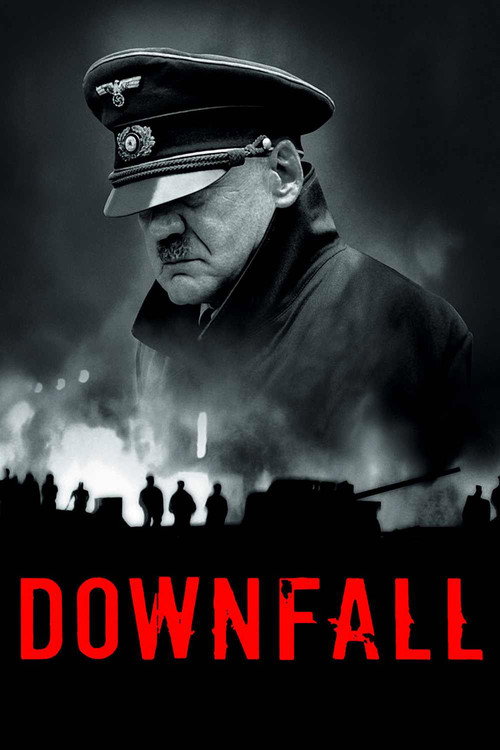
Downfall2004
Bruno Ganz's Hitler in the final days of the bunker. A film that faces evil without flinching or mythologizing it, told from inside the machinery of terror.
But Depicting Hitler as a human being, however monstrous, unsettles some viewers. The film's refusal to make him a cartoon can feel provocative.
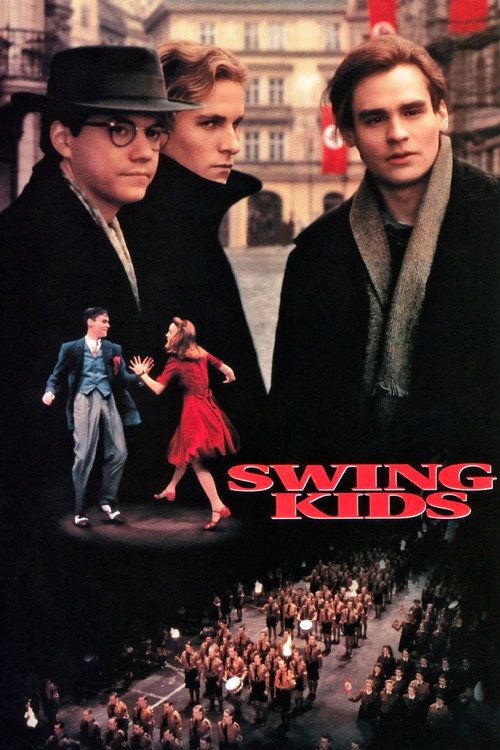
Swing Kids1993
Young Germans finding resistance through jazz and swing music. It's lighter than Sophie Scholl but asks similar questions about how individuals assert humanity against a totalitarian state.
But The tone can feel uncertain—sometimes earnest, sometimes a coming-of-age movie. It doesn't have the moral weight of its subject matter, which some find dishonoring.
The Act of Killing2012
Both are about what happens when a person is forced to state what they believe and why. One resists the state; the other is the state, unrepentant. Together they form a terrible diptych about how conviction works.
A documentary where perpetrators of Indonesian mass killings reenact their crimes, speaking openly about murder as duty. It's a mirror image of Sophie Scholl—the interrogation of conscience, but with the roles reversed. Evil asked to account for itself, and refusing to feel ashamed.
But It's disturbing on a different register—not atrocity shown to us, but perpetrators performing their own evil. Very long, morally exhausting, and some viewers find the filmmakers' methods ethically questionable.

People
Cast
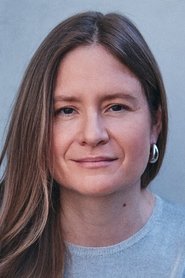 Julia JentschSophie Magdalena Scholl
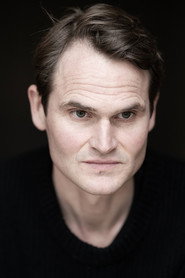 Fabian HinrichsHans Scholl
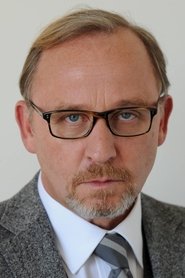 Alexander HeldRobert Mohr
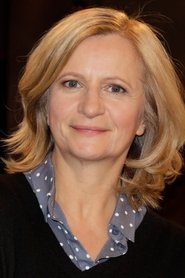 Johanna GastdorfElse Gebel
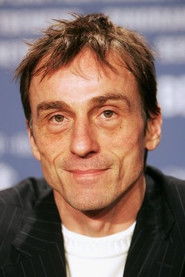 André HennickeJudge Dr. Roland Freisler
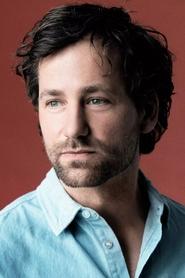 Florian StetterChristoph Probst
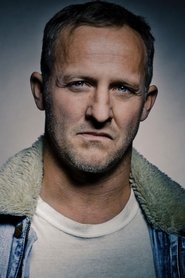 Maximilian BrücknerWilli Graf
- Johannes SuhmAlexander Schmorell
- Jörg HubeRobert Scholl
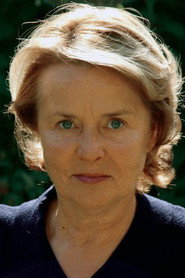 Petra KellingMagdalena Scholl
- Franz StaberWerner Scholl
- Lilli JungGisela Schertling
Directing
- Marc RothemundDirector
Writing
- Fred BreinersdorferScreenplay
Production
- Nessie NesslauerCasting
- Andreas SchreitmüllerCo-Producer
- Fred BreinersdorferProducer
- Marc RothemundProducer
- Sven BurgemeisterProducer
- Patrick BrandtProduction Manager
- Christian HartmannResearcher
- Imre TörökResearcher
- Markus MüllerResearcher
- Ulrich ChaussyResearcher
Recommended by
Downfall, Conspiracy, Valkyrie, The White Rose, Swing Kids, Milada, Before the Fall, The Invisibles, Alone in Berlin, Address Unknown