
Film
Address Unknown
A 1944 wartime drama about a German-American art dealer who returns to Nazi Germany and becomes seduced by fascist ideology. Tense and morally unsparing, it's a portrait of how ordinary people rationalize complicity. For anyone interested in how propaganda works on individuals, or how quickly principles erode under pressure.
Should you watch it?
Watch it if you like chilly, precise moral dramas told in tight, economical strokes, where the horror grows out of ordinary politeness and the letters between two friends carry more menace than any chase.
Skip it if you need plot twists or a fast pace, since it moves at a deliberate, almost stagey clip and spends its runtime in quiet rooms and written words.
What it asks of you: Brief at seventy-two minutes, it asks you to stay alert to small shifts in tone and to read what goes unsaid between the lines.
Not sure? Find tonight's pick in a minute.
If you liked this
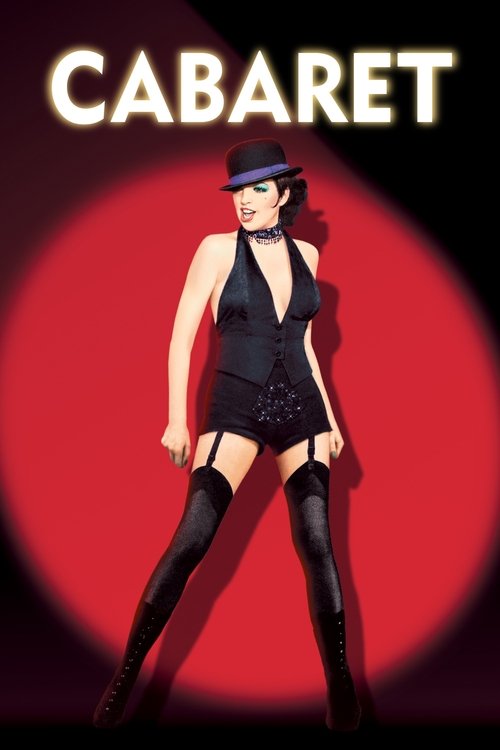
Cabaret1972
Captures the seduction of Weimar Germany before the Nazi takeover—decadent, thrilling, and deeply unsettling about how a society can be lured toward darkness by aesthetics and escapism.
But It's deliberately stylized and theatrical rather than naturalistic, which can feel distancing if you want raw historical drama.
The Third Man1949
A masterpiece of moral ambiguity set in post-war Vienna. An ordinary man discovers his best friend is profiting from human suffering, forcing an agonizing reckoning about loyalty and right action.
But It moves slowly by modern standards and the ending may feel too quietly devastating rather than cathartic.

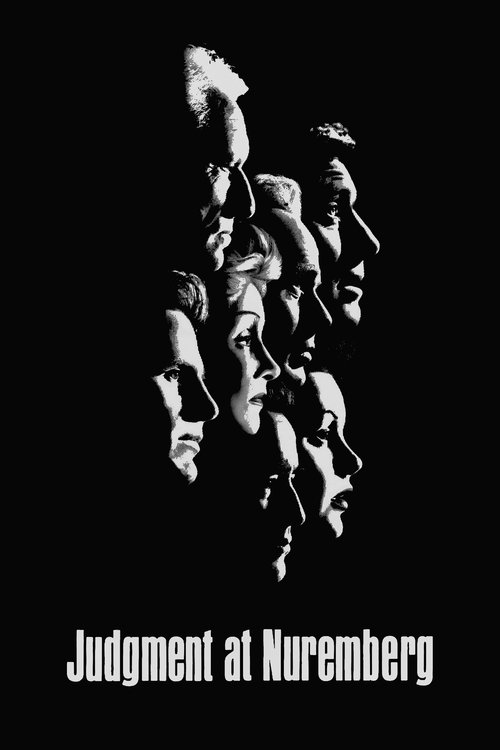
Judgment at Nuremberg1961
An unflinching examination of how ordinary Germans—judges, industrialists—justified atrocities through law and rationalization. Maximilian Schell's performance is extraordinary.
But At three and a half hours and set almost entirely in a courtroom, it requires patience and emotional stamina.
Not sure tonight? Get a pick in a minute, starting from Address Unknown
The wildcard
Something you would not have found on your own.
Triumph of the Will1935
Both explore how ideology enters through aesthetics and emotion rather than reason. Address Unknown shows the internal rationalization; Triumph of the Will shows the external machinery designed to create it.
Leni Riefenstahl's Nazi propaganda film—watching it is watching the seduction mechanism from the inside. It's unbearably beautiful and reveals exactly how fascism sells itself as spectacle and belonging.
But It's propaganda, so watching it is disorienting and morally nauseating. It requires a strong stomach and critical distance.

More like this (6)
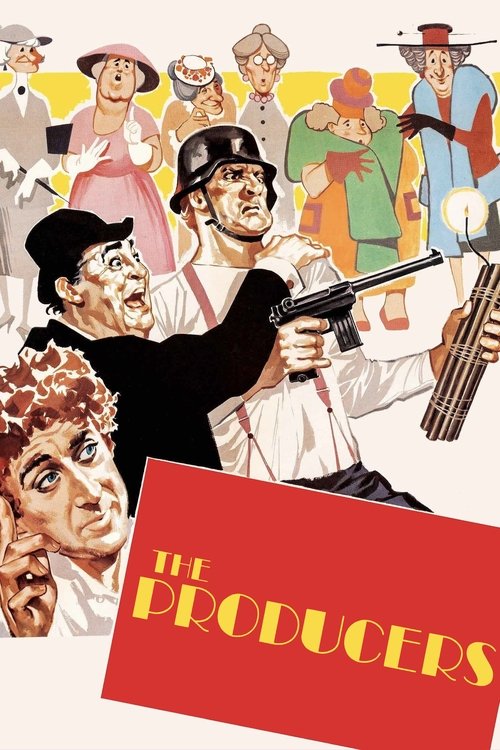
The Producers1968
Mel Brooks finds grotesque comedy in a story about men trying to profit from a play about Hitler. Offensive, brilliant, and weirdly cathartic about the power of absurdity to deflate fascism.
But The humor is deliberately tasteless and might land as shock value rather than insight, depending on your mood.
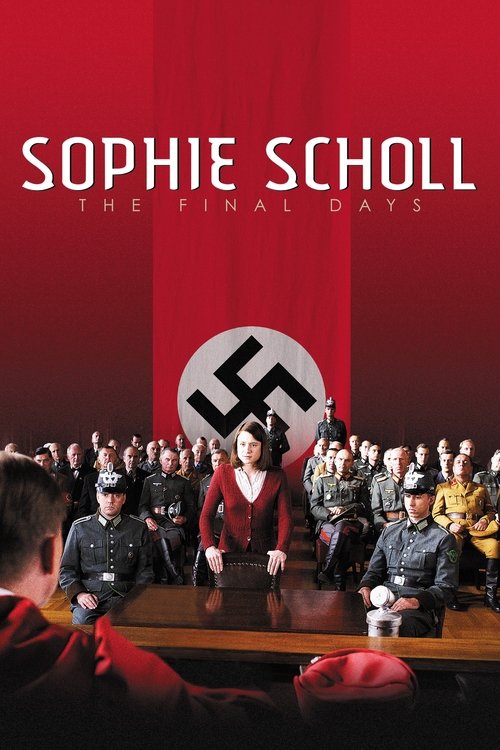
Sophie Scholl: The Final Days2005
A quieter, more intimate portrait of resistance: a young German woman choosing principle over survival. Contemplative and devastating without melodrama.
But It's deliberately austere and offers no comfort—just the slow weight of an impossible choice.
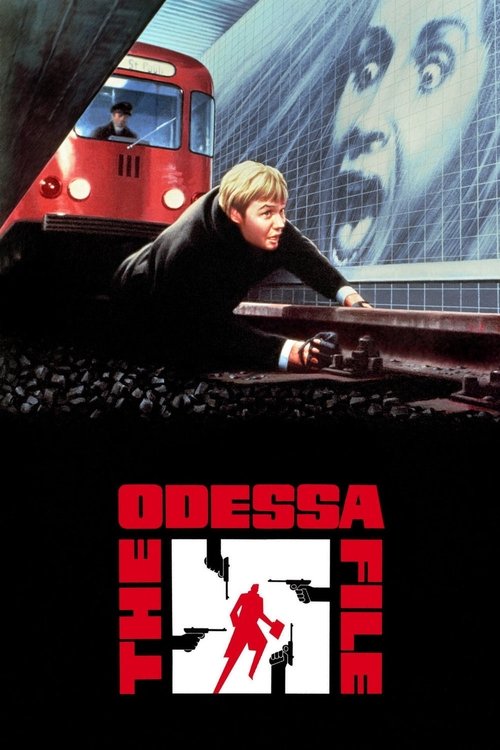
The Odessa File1974
A journalist hunts Nazi war criminals still living anonymously in post-war Germany. Taut, angry, and asks who bears responsibility after the state's evil ends.
But The pacing is uneven and some plot turns strain credibility.
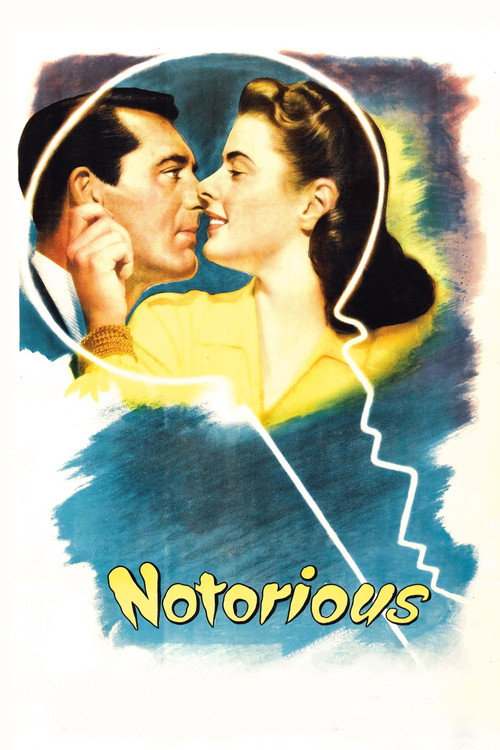
Notorious1946
Hitchcock's masterwork about a woman recruited to infiltrate a Nazi cell in Brazil. Gorgeously shot, erotically charged, and morally complicated about complicity and love.
But If you go in expecting a straightforward spy thriller, the psychological depths might feel slow.
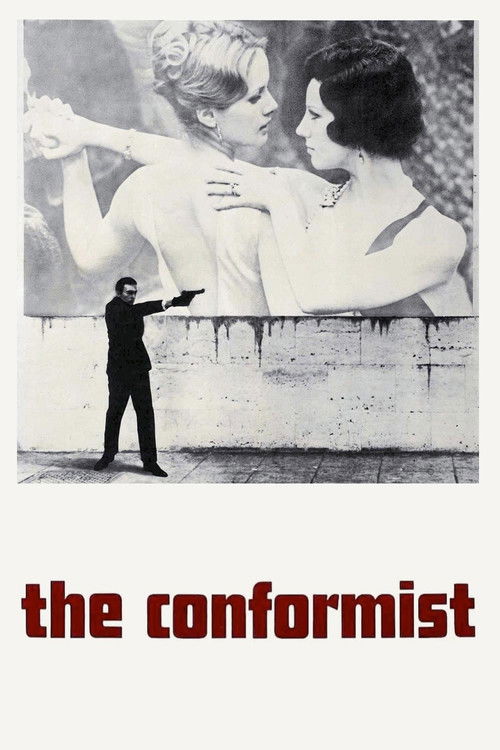
The Conformist1971
An Italian fascist becomes an informant for the regime, and Bertolucci traces how someone chooses conformity and betrayal to feel safe. Visually stunning and philosophically dense.
But It's deliberately elliptical and ambiguous; if you want clear moral answers, you won't find them here.
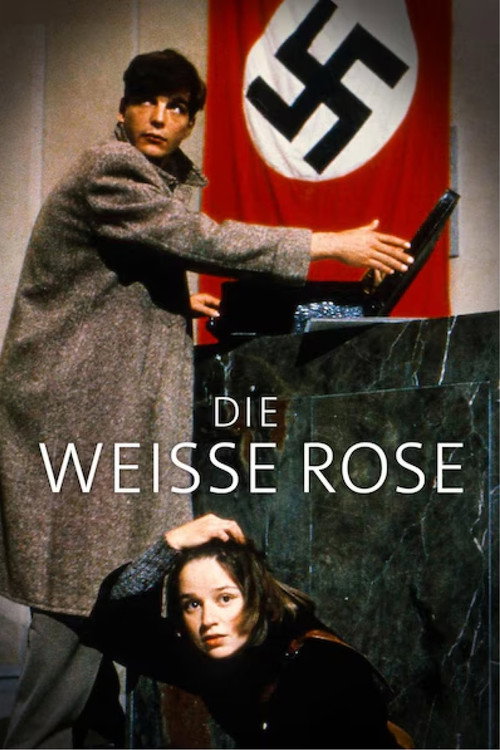
The White Rose1982
A direct counter-narrative: while the protagonist in Address Unknown slides toward the regime, the White Rose characters move toward sacrifice. They shared the same moment and made opposite choices.
A German miniseries about actual university students who formed an underground resistance movement. It's urgent, moral, and shows that ordinary young people did refuse—making Address Unknown's complicity even more damning.
But Foreign language, and it's slower and more meditative than a typical thriller.
People
Cast
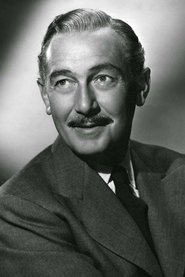 Paul LukasMartin Schulz
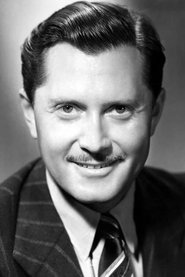 Carl EsmondBaron von Friesche
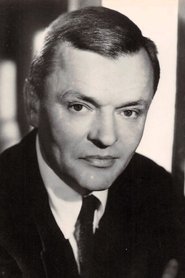 Peter van EyckHeinrich Schulz
 Mady ChristiansElsa Schulz
 Morris CarnovskyMax Eisenstein
 K.T. StevensGriselle Eisenstein
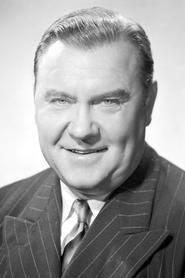 Emory ParnellPostman
 Mary YoungMrs. Delaney
 Frank FaylenJimmie Blake
 Charles HaltonCensorial Pipsqueak
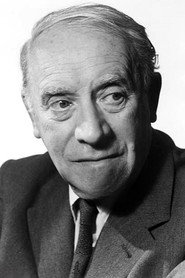 Erwin KalserStage Director
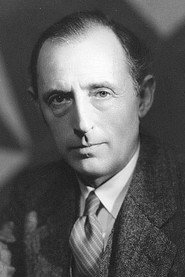 Frank ReicherProfessor Schmidt
Directing
- John SherwoodAssistant Director
- William Cameron MenziesDirector
Writing
- Kressmann TaylorNovel
- Herbert DalmasScreenplay
Production
- Lonnie D'OrsaAssociate Producer
- William Cameron MenziesProducer