
Film
Hotel Berlin
A final-days thriller set in a crumbling Berlin hotel as Nazi Germany collapses. Strangers with conflicting loyalties—resisters, opportunists, spies, victims—collide in shrinking rooms as the Soviet advance closes in. Tense, claustrophobic, anchored by a superb ensemble cast. For anyone drawn to wartime intrigue and the moral compromises ordinary people make when the world burns.
If you liked this
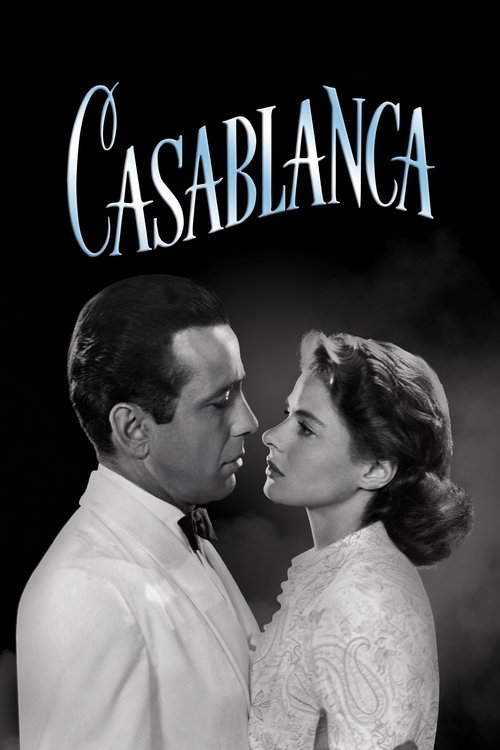
Casablanca1943
The spiritual ancestor of every wartime ensemble drama. Rick's café is Hotel Berlin's distant cousin—strangers converging, secrets layered, loyalty tested, escape routes narrowing as history bears down.
But If you've seen it a dozen times, you know every beat. The romance can feel a touch overwrought by today's standards.
The Third Man1949
Post-war Vienna instead of wartime Berlin, but the mood is identical: a ruined city, moral ambiguity, betrayal lurking behind every shadow. Crafted with hypnotic precision and a zither score that never leaves you.
But Deliberately paced. The final act trades clarity for atmosphere, which can frustrate if you want answers.

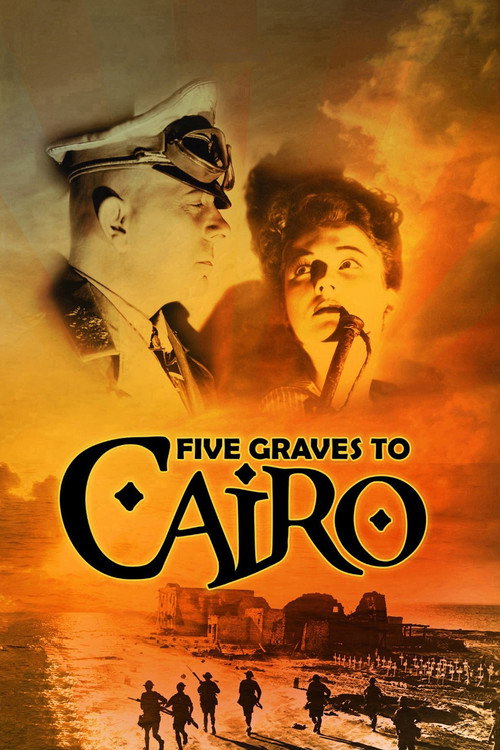
Five Graves to Cairo1943
Desert intrigue during the North African campaign. Erich von Stroheim as a Nazi general who is terrifying and human. The same high-wire act of espionage and survival Hotel Berlin attempts, with an even tighter focus.
But Wartime propaganda undertones are visible now. Some plot mechanics creak a bit.
Not sure tonight? Get a pick in a minute, starting from Hotel Berlin
The wildcard
Something you would not have found on your own.
The Battle of Algiers1966
Both films are fundamentally about ordinary people in extraordinary systems, trapped in spaces—literal or ideological—where every choice is complicit. Neither offers moral comfort.
A city at war with itself, filmed like documentary. Urban combat, resistance cells, collaborators, civilians caught between. Gillo Pontecorvo's masterpiece asks the same questions as Hotel Berlin—who betrays whom, and why—but on an epic scale, with methodical intensity.
But Formally austere and deliberately unsentimental. No movie-star charm, no easy sympathies. It demands active watching and tolerates ambiguity the way some people tolerate silence.

More like this (8)
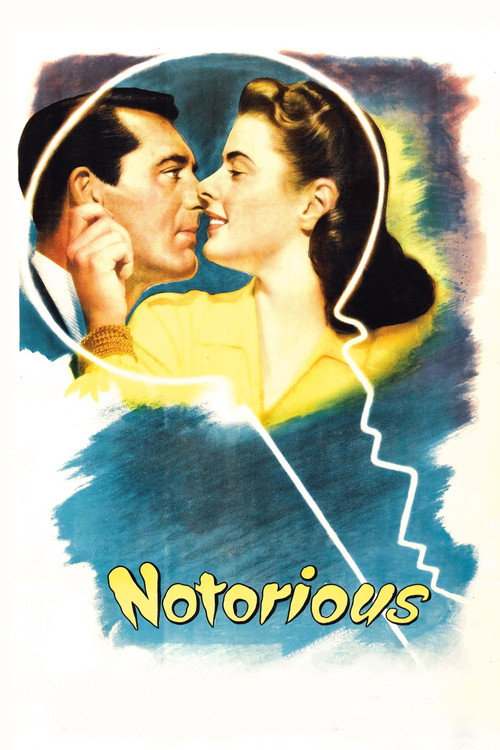
Notorious1946
Hitchcock's masterpiece of espionage and moral compromise. A woman is weaponized, a man instructs her to seduce an enemy, love complicates everything. The anxiety never stops; the camera never stops moving.
But The central romance hinges on coercion that the film itself doesn't quite interrogate. Heavy viewing.
The Killers1946
Post-war noir suffused with moral rot. A murder sets off a chain of deceptions across a shadowy landscape. Siodmak's direction is pristine, the ensemble cast is perfection, and the atmosphere of betrayal is suffocating.
But Jumps in time can be disorienting. If you need a linear narrative, this will frustrate you.

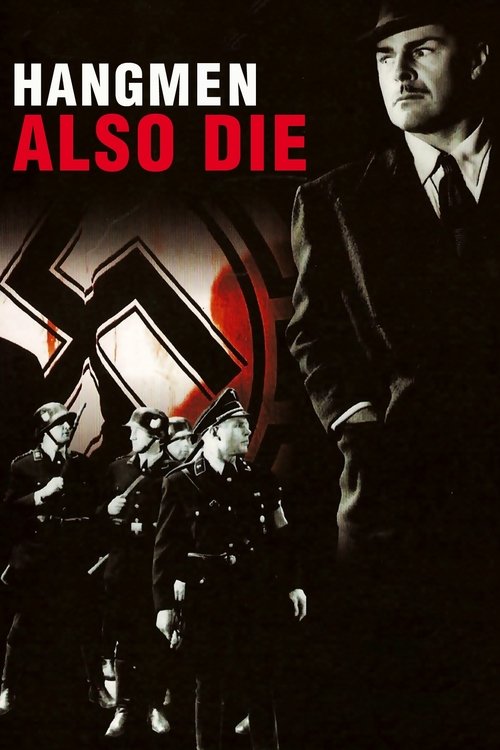
Hangmen Also Die!1943
Occupied Prague, a Nazi assassination, retribution closing in. Fritz Lang's only wartime thriller, taut as wire. A resistance cell under pressure makes impossible choices—Hotel Berlin's ideological twin.
But The pacing dips in the middle. Some supporting performances feel like they're from a different, broader film.
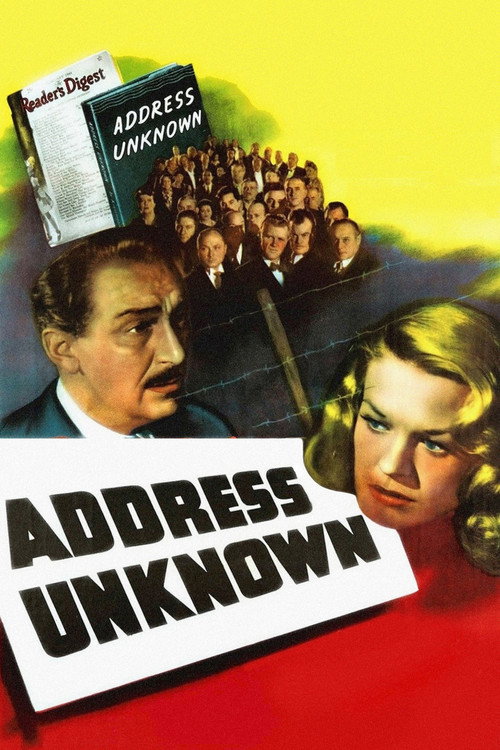
Address Unknown1944
A story told entirely through postcards exchanged between an American businessman and his German friend as the regime tightens. Understated, devastating, claustrophobic without a single crowded scene.
But The slow-burn approach won't work if you want immediate momentum. It takes patience to pay off.
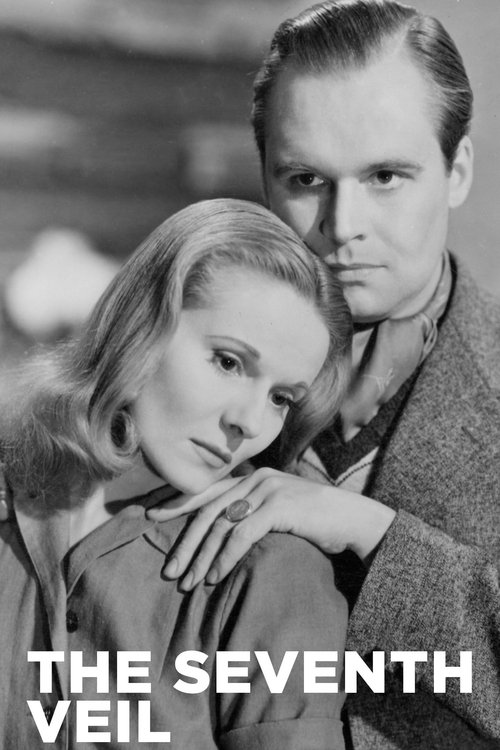
The Seventh Veil1945
A pianist's life fractured by a tyrannical guardian. Psychological thriller in wartime London with James Mason as a man of beautiful, terrible control. Moral ambiguity dressed in suspense and music.
But The ending divides audiences. Some find it brilliant; others see it as a betrayal of the woman's agency.
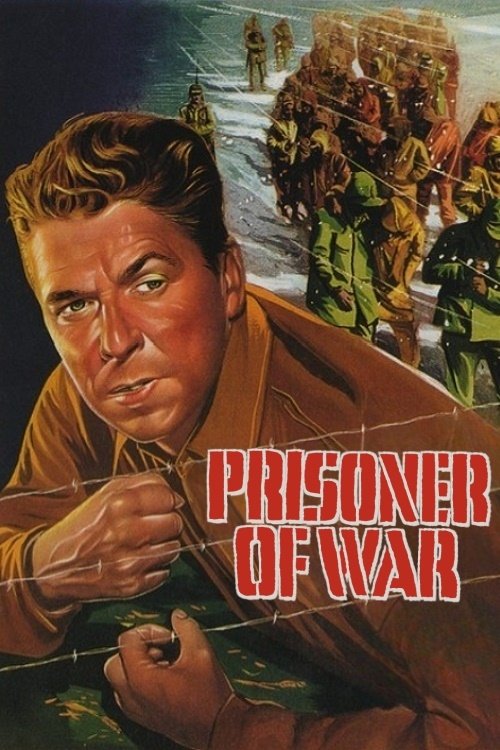
Prisoner of War1954
A Korean War camp where ideology and survival collide. Like Hotel Berlin, it's an ensemble locked in one space, each person a code to crack. Paranoia and small cruelties compound.
But Decades on, Cold War rhetoric feels dated. The film's stance on captivity and confession can feel blunt.
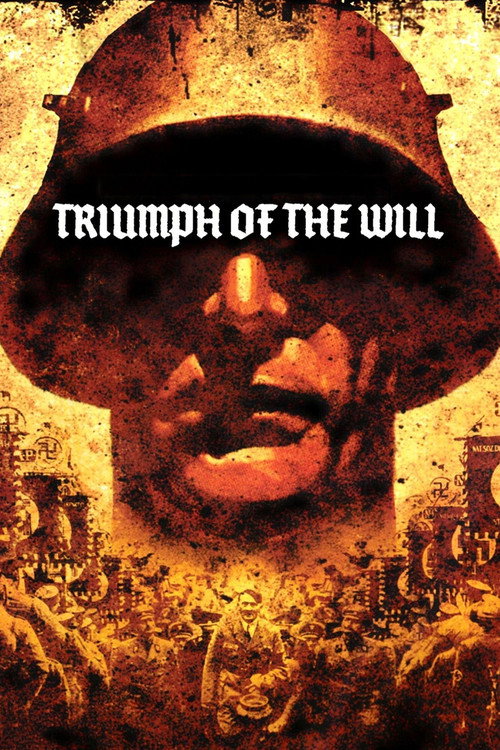
Triumph of the Will1935
Inverse and essential companion. One shows the machinery's grandeur; the other shows the wreckage of individuals trying to survive it.
Leni Riefenstahl's Nazi propaganda documentary. Watching it after Hotel Berlin creates a chilling conversation: this is what the hotel guests are living under. Understanding the aesthetics of totalitarianism—its seduction, its architecture, its visual language—makes the human scrambling in Hotel Berlin's rooms feel even more desperate.
But It is propaganda, and it works. The visuals are hypnotic in ways that are morally troubling. Watching it requires steel and a critical mind.
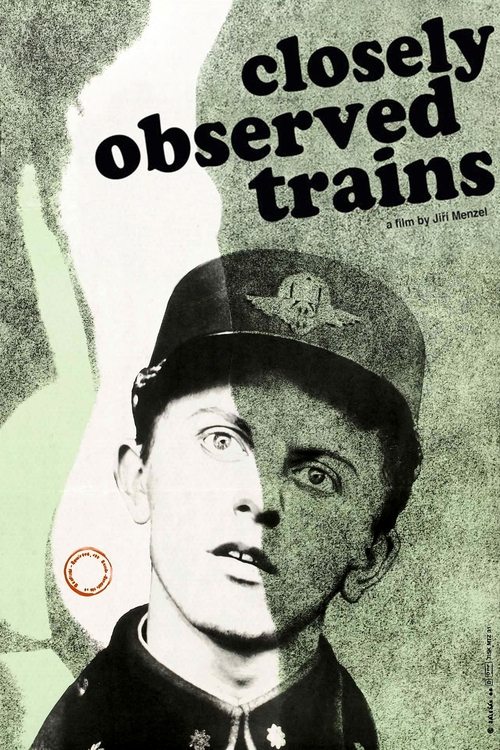
Closely Watched Trains1966
Same historical moment as Hotel Berlin, same question of complicity and courage, but seen through a boy's eyes in the margins rather than an ensemble in a central location. The personal scale makes the pressure more visible.
A young Czech railroad worker under Nazi occupation, coming of age amid small acts of resistance. Tender, darkly funny, and achingly human in ways most war films aren't. The stakes feel intimate because they are. Jiří Menzel's direction is a masterclass in tonal control.
But The tone shifts unpredictably—comedy, romance, tragedy in the same scene. If you need consistent emotional weather, this will throw you. Subtitled; few Americans know it exists.
People
Cast
 Faye EmersonTillie Weiler
 Helmut DantineMartin Richter
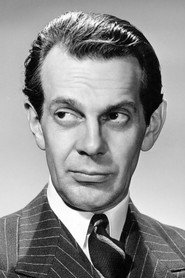 Raymond MasseyArnim von Dahnwitz
 Andrea KingLisa Dorn
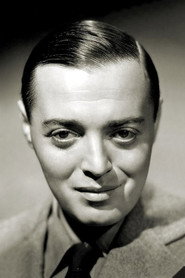 Peter LorreJohannes Koenig
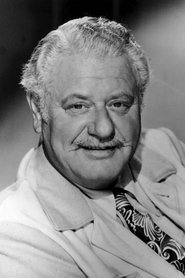 Alan HaleHerman Plottke
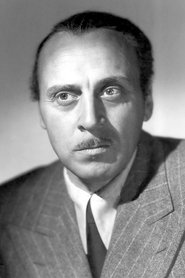 George CoulourisJoachim Helm
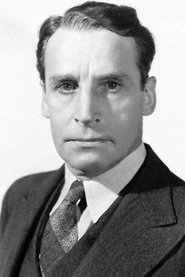 Henry DaniellBaron Von Stetten
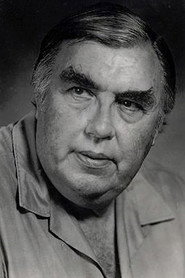 Peter WhitneyHeinrichs
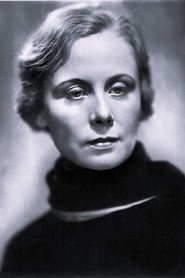 Helene ThimigSarah Baruch
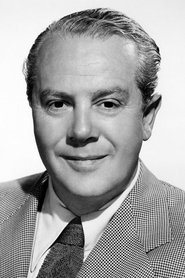 Steven GerayKleibert
 Kurt KreugerOtto Kauders
Directing
- Peter GodfreyDirector
Writing
- Vicki BaumNovel
- Alvah BessieScreenplay
- Jo PaganoScreenplay
Production
- Jack L. WarnerExecutive Producer
- Louis F. EdelmanProducer