
Film
Prisoner of War
- War drama
- Very dark
A 1954 Korean War film examining American POWs subjected to communist indoctrination. Taut and deliberately unglamorous, it trades combat spectacle for psychological pressure and moral ambiguity. Made in the thick of Cold War anxiety, it's most interesting now as a historical artifact—a window into how Hollywood processed geopolitical fear when the outcome still felt uncertain.
Should you watch it?
Watch it if you are drawn to Cold War stories where the battle is fought inside a prisoner's head, through argument, pressure and small concessions, and you don't need the set pieces.
Skip it if you want the rousing combat of most 1950s war pictures, since this is mostly talk in drab rooms and its messaging is stiff and didactic.
What it asks of you: Eighty-one minutes, mostly indoors and unhurried, with tension built from argument and mood rather than action; it lingers on faces more than events.
Not sure? Find tonight's pick in a minute.
If you liked this
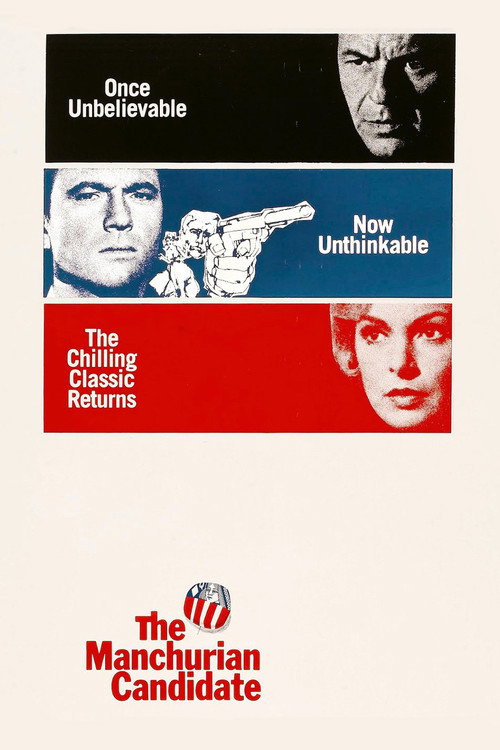
The Manchurian Candidate1962
Explores brainwashing and Cold War paranoia with genuine sophistication. A thriller that actually thinks, featuring Frank Sinatra in one of his best dramatic roles and a plot twist that still lands.
But The middle section drags slightly, and the ending feels hurried after such careful setup. Some of the rhetoric feels dated even by its own standards.
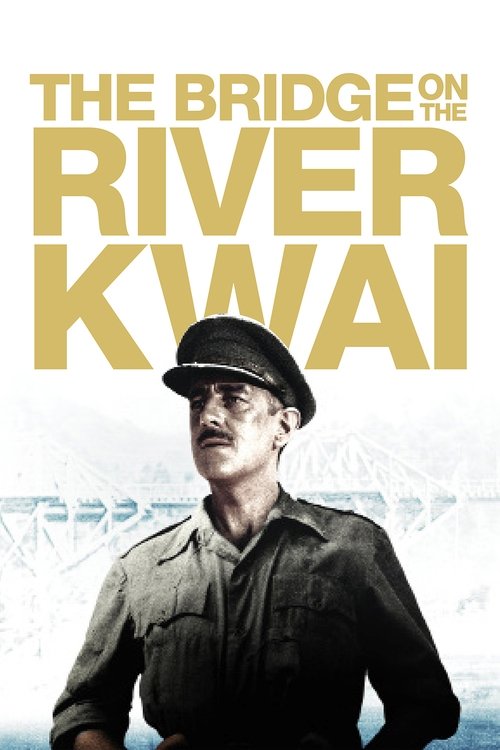
The Bridge on the River Kwai1957
Another war film about captivity and moral compromise under duress. Lean's direction is masterful, and it grapples seriously with how good men rationalize impossible choices.
But Nearly three hours, and the second half shifts focus in ways some find unsatisfying. The 'civilised' treatment of the Japanese officer can read as problematic.
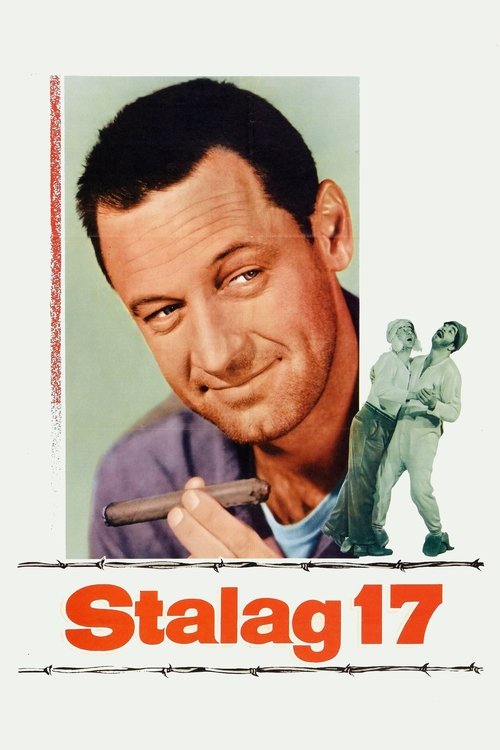
Stalag 171953
A POW camp drama that balances tension with dark humour. Wilder's direction is sharp, the mystery element keeps you engaged, and it refuses easy sentiment about heroism.
But The comedy sections genuinely might undercut the gravity for you. Some plot mechanics feel contrived on closer inspection.
Not sure tonight? Get a pick in a minute, starting from Prisoner of War
The wildcard
Something you would not have found on your own.
Hiroshima Mon Amour1959
Both films examine how ideological systems reshape the human psyche—one through forced indoctrination, the other through historical trauma. Both ask what persists in us when systems try to rewrite us.
A French New Wave film that uses fragmented memory and fractured time to explore trauma, love, and how nations process atrocity. Shot in Hiroshima itself. Hypnotic and formally radical.
But It's not a narrative film in the conventional sense. Dialogue-heavy, structurally demanding, and the editing deliberately disorients. Patience required.
More like this (7)
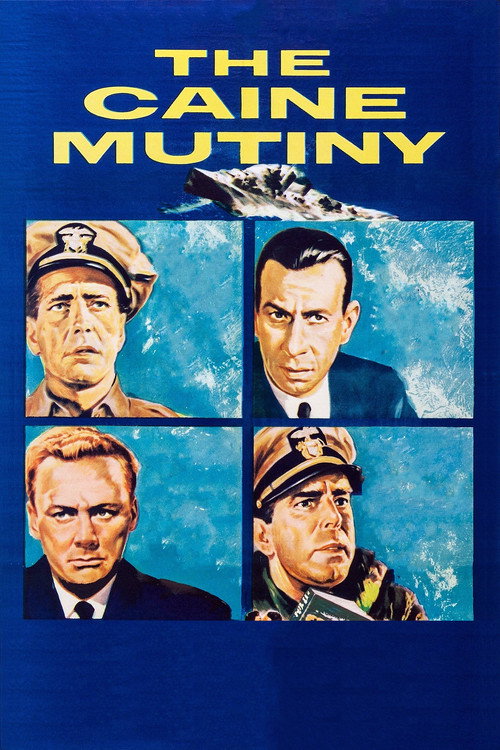
The Caine Mutiny1954
Released the same year, it also interrogates loyalty, authority, and whether you're doing the right thing for the right reasons. Courtroom drama wrapped around naval discipline and doubt.
But The trial scenes can feel overly theatrical. Bogart's performance, brilliant as it is, sometimes tips into caricature.
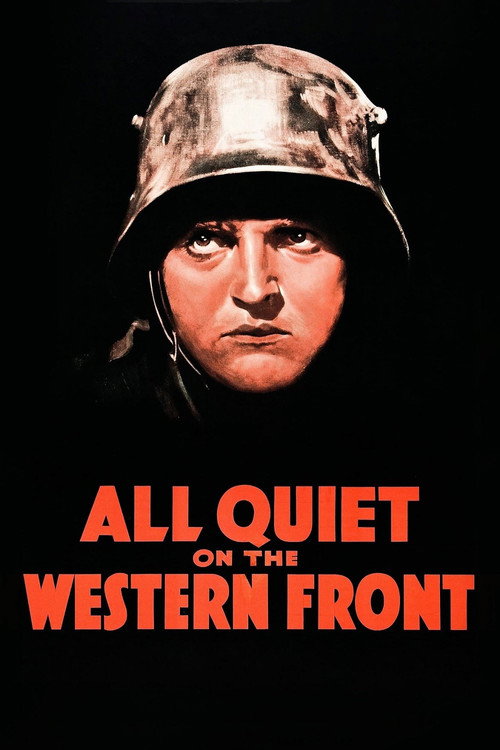
All Quiet on the Western Front1930
The granddaddy of anti-war films. It refuses to make war noble or comprehensible, treating soldiers as victims of systems they don't control. Deeply humane.
But Nearly a century old and it shows technically. Pacing feels glacial by modern standards, and the propaganda elements are obvious.
Come and See1985
A Soviet film about a boy soldier in WWII that captures trauma and psychological damage with unflinching clarity. Visually and emotionally devastating in the best way.
But Genuinely difficult viewing. It's bleak, repetitive by design, and makes no concessions to audience comfort. Not entertainment.

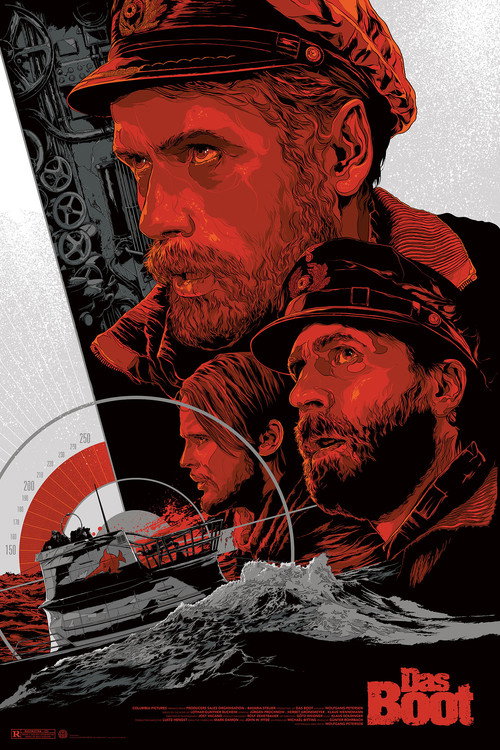
Das Boot1981
Claustrophobic submarine warfare drama that generates unbearable tension. You're trapped with these men, experiencing their fear and exhaustion firsthand.
But Nearly three hours of sustained pressure. The pacing is methodical rather than propulsive, which some find tedious rather than atmospheric.
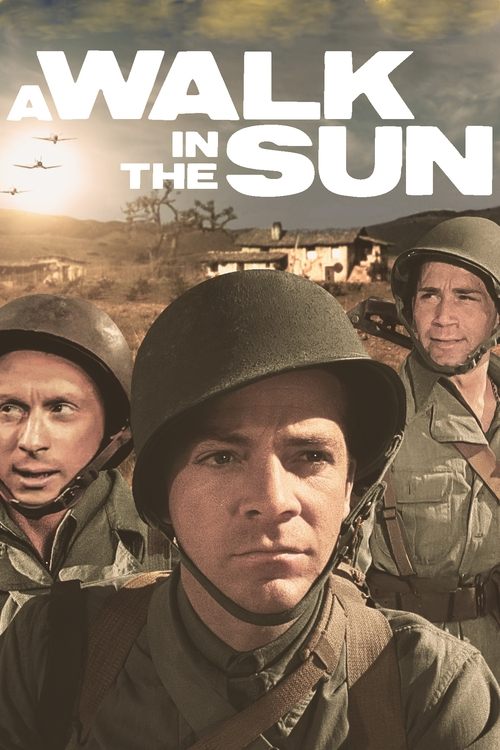
A Walk in the Sun1945
A quiet, character-driven war film following soldiers through a single day in Italy. It prioritises the ordinary moments and the erosion of nerves over spectacle.
But Very little happens plot-wise. The pacing is almost meditative, which reads as slow to many. Also hard to find in good prints.
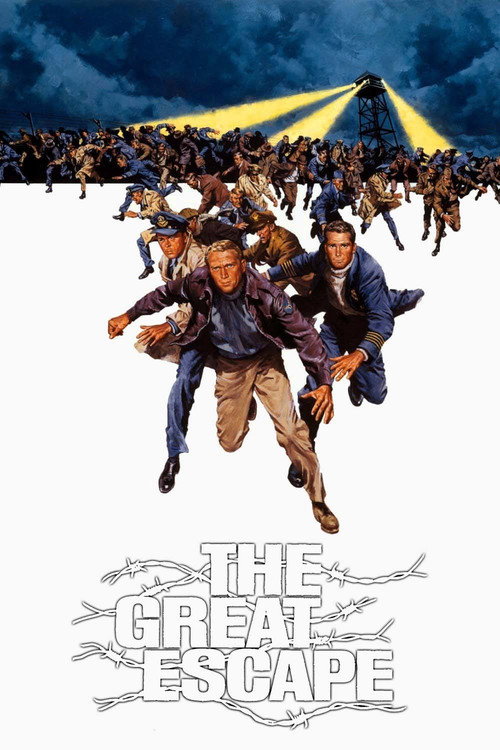
The Great Escape1963
A masterclass in ensemble filmmaking and pure narrative momentum. It's fun, expertly crafted, and based on a true story of ingenuity under constraint.
But Frankly, it's almost too entertaining—it softens the reality of captivity into adventure. The historical liberties are substantial.
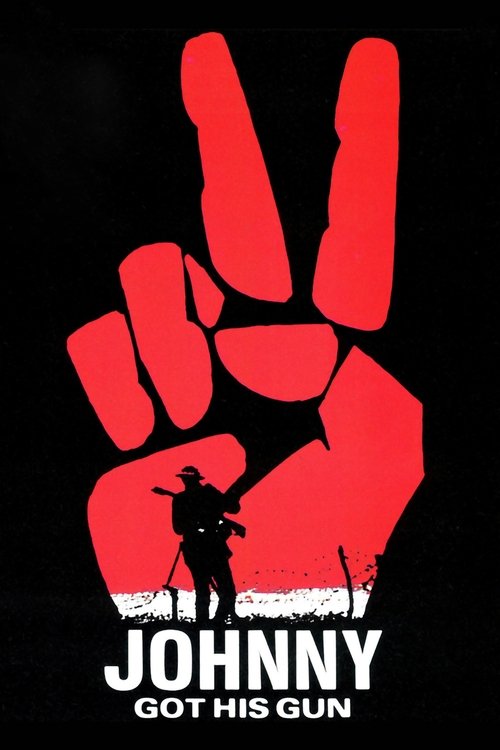
Johnny Got His Gun1971
Like Prisoner of War, it's about a soldier robbed of agency and autonomy—but here the captor isn't an enemy state, it's war itself. Both ask what remains of a man when his ability to choose is stripped away.
A man, locked inside a destroyed body, cannot communicate with the world. Dalton Trumbo's antiwar film is nightmarish, philosophical, and formally inventive—animation, fantasy sequences, fractured time.
But Profoundly disturbing and bleak. The premise is difficult, the execution is dark, and there's no comfort offered. It's a one-time viewing for most people.
People
Cast
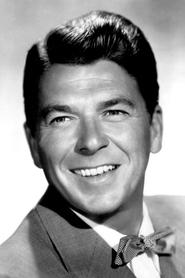 Ronald ReaganWebb Sloane
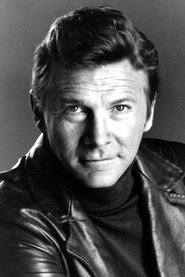 Steve ForrestCpl. Joseph Robert Stanton
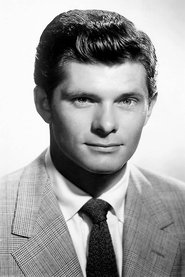 Dewey MartinJesse Treadman
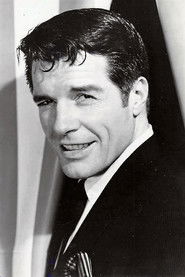 Robert HortonFrancis Aloysius Belney
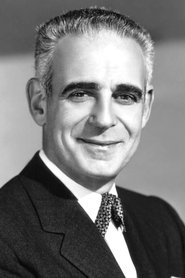 Paul StewartCapt. Jack Hodges
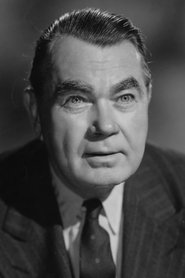 Oskar HomolkaCol. Nikita I. Biroshilov
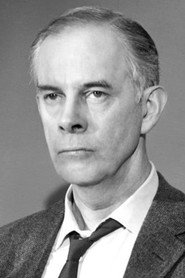 Harry MorganMaj. O.D. Hale
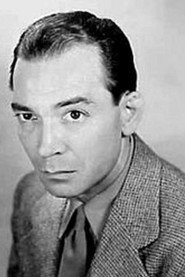 Leonard StrongCol. Kim Doo Yi
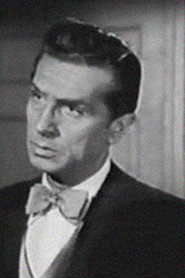 Stephen BekassyLt. Georgi M. Robovnik
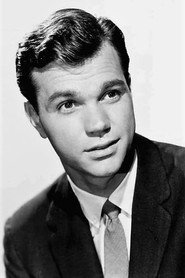 Darryl HickmanMerton Tollivar
 Ralph AhnRed Guard
- Rollin MoriyamaCapt. Lang Hyun Choi
Directing
- Andrew MartonDirector
Writing
- Allen RivkinWriter
Recommended by
The True Story of Lili Marlene, Hotel Berlin, Bomber's Moon, Summer of My German Soldier