
Film
Stalag 17
Billy Wilder's POW camp is equal parts vaudeville and murder mystery, played out under a permanent searchlight and a permanent cloud of suspicion. William Holden's black-marketeer Sefton is gloriously unlikeable, the prime suspect for informing while the real traitor sits quietly among the men. Funny, tense, and quietly savage by turns — for anyone who wants their wartime drama laced with sharp dialogue and moral rot.
If you liked this
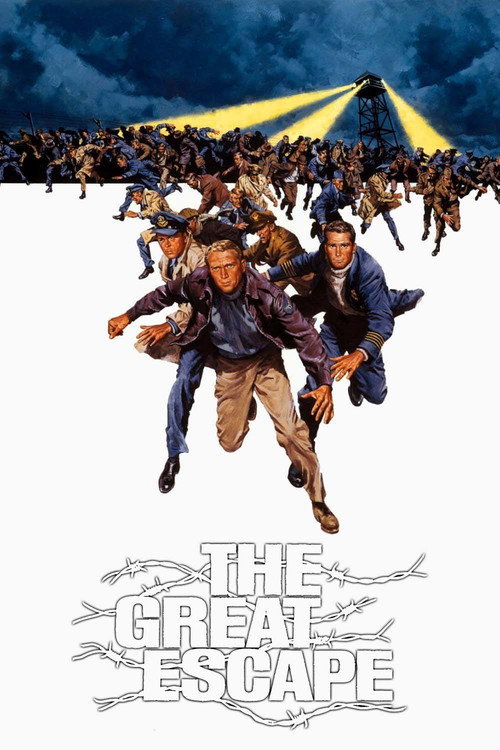
The Great Escape1963
Same wire, sunnier mood: British POWs digging tunnels, Steve McQueen doing motorcycle stunts, Richard Attenborough running logistics. It's the film Stalag 17 gets compared to endlessly, and for good reason — pure, propulsive escape-movie craft.
But Nearly three hours of stiff-upper-lip Englishness with barely a woman in sight; the tone stays boyish adventure rather than moral thriller.
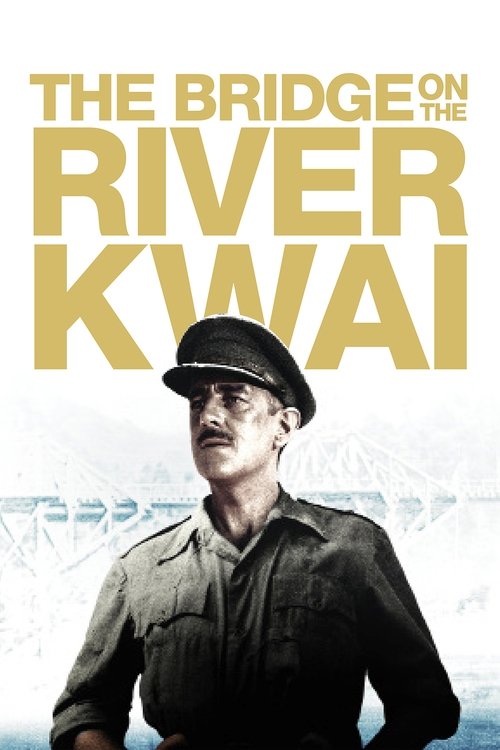
The Bridge on the River Kwai1957
Another camp, another war, but the tension here is about complicity rather than escape — Alec Guinness's colonel building the enemy's bridge out of sheer institutional pride. Holden again, playing another cynic dragged into heroism.
But Slower and more Shakespearean than Wilder's film, with a tragic weight that leaves less room for jokes.
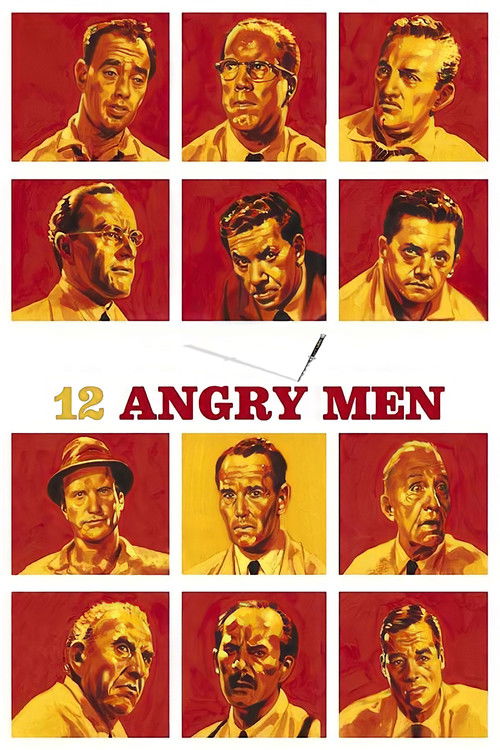
12 Angry Men1957
Swap the barracks for a jury room and you get the same engine as Stalag 17: a group of men, sealed off from the world, arguing their way toward the truth about one of their own.
But No war, no camp, no physical stakes — just talk. If you came for uniforms and barbed wire, this won't scratch that itch.
The wildcard
Something you would not have found on your own.
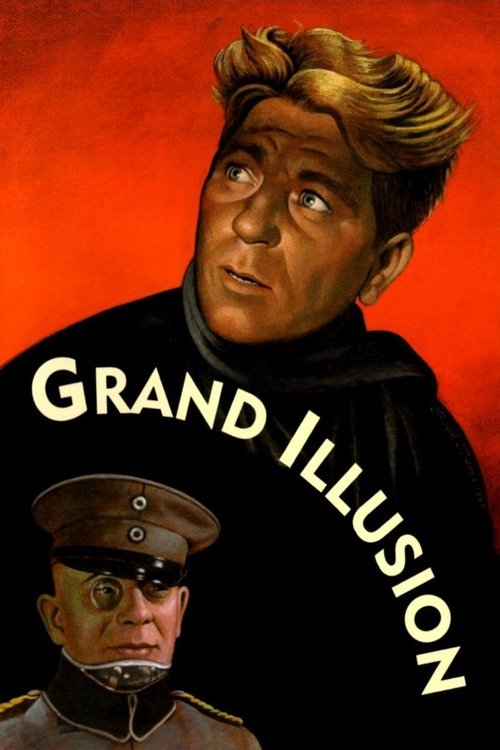
Grand Illusion1937
Stalag 17 belongs to a lineage Renoir invented sixteen years earlier — barbed wire as class theatre, escape as dignity. Watch this and you're watching the ancestor.
Renoir's WWI POW drama got there first — the escape plots, the class tension between captors and captives, the strange camaraderie across enemy lines. It's the blueprint every camp movie since has been quoting.
But Older pacing and subtitled French dialogue ask a patience Wilder's zippier film never demands.
More like this (8)
Das Boot1981
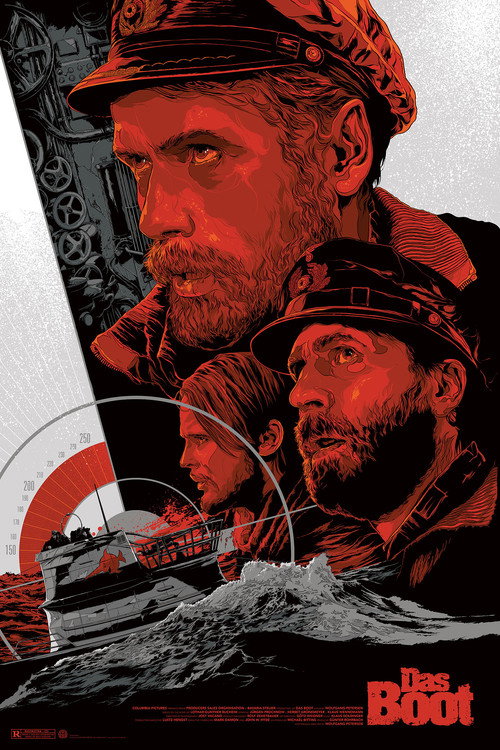
Trade the compound for a U-boat and the mood turns from gallows humour to pure claustrophobic dread. Same idea of trapped men under constant threat, told from the German side for once.
But Relentlessly grim where Wilder's film keeps finding room to laugh; three-plus hours of pressure with almost no release.
Cool Hand Luke1967
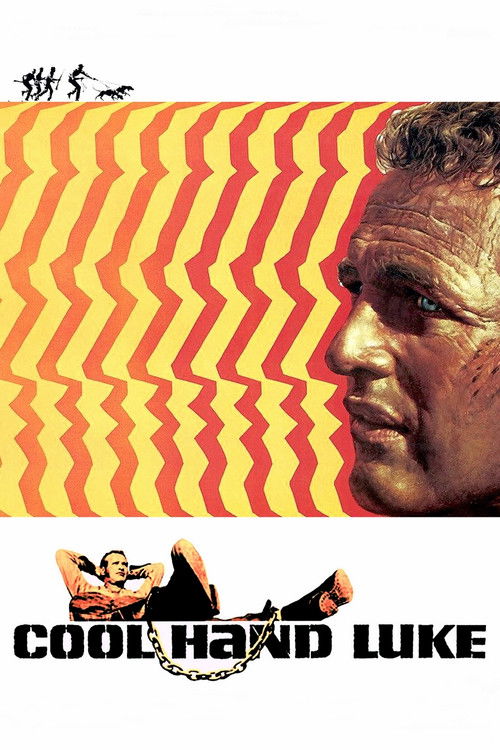
Paul Newman's chain-gang rebel is Sefton's American cousin: charming, contemptuous of authority, impossible for the system to fully break. Same DNA of insolence-as-survival, different uniform entirely.
But Swaps the ensemble mystery for one man's slow martyrdom — less whodunit, more character study.
The Dirty Dozen1967
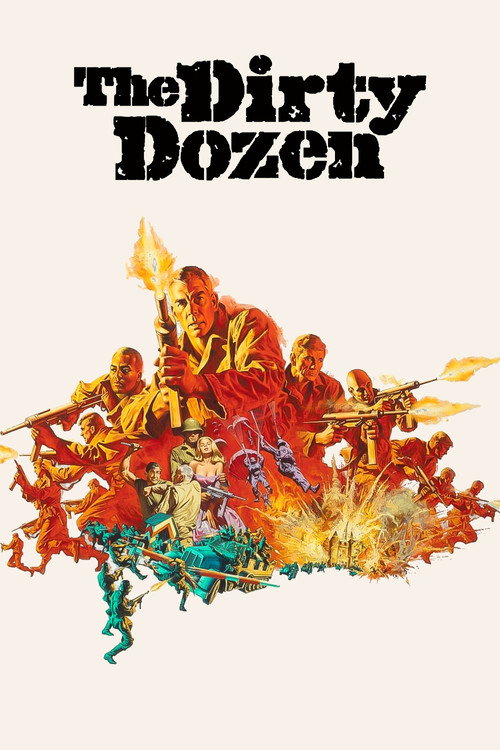
Twelve convicts turned soldiers, thrown together and distrusted by everyone above them — the same tension between institution and individual, pushed into pulpy, violent wartime spectacle.
But Any moral nuance gets traded for body count; it's after excitement, not the slow-burn suspicion Stalag 17 specialises in.
Von Ryan's Express1965no page yet
Frank Sinatra leads an escape-by-train caper that shares Stalag 17's love of clever, morale-boosting schemes cooked up right under a captor's nose.
But Leans harder into action-adventure and loses the psychological unease that makes Wilder's film linger.
Kelly's Heroes1970
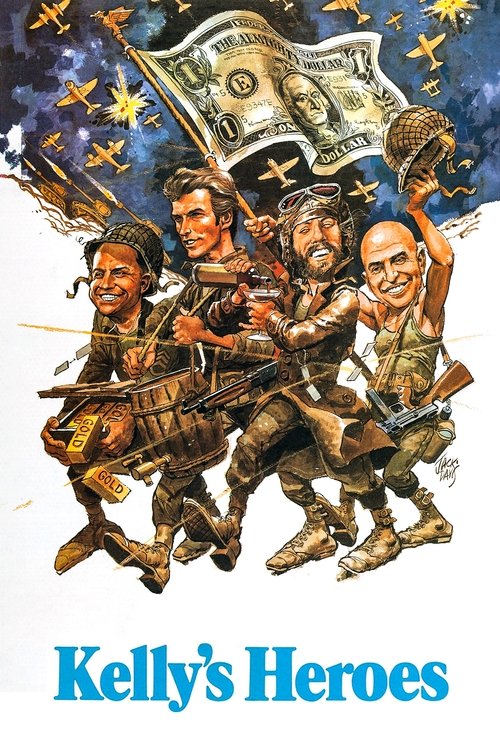
A looser, funnier war caper with Clint Eastwood, if what you liked about Stalag 17 was the banter and scheming rather than the danger.
But Practically a heist comedy in uniform — charming, but with none of the camp's paranoia or stakes.
The Hill1965no page yet
Sean Connery in a British army prison in the desert, worn down by a sadistic sergeant — the same claustrophobic pressure-cooker of men and authority, minus the comic relief.
But Bleaker and angrier than Wilder's film, with almost nothing to laugh at along the way.
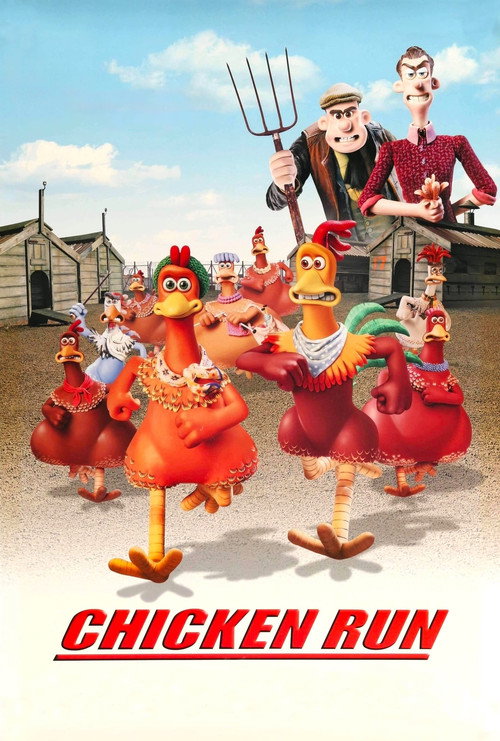
Chicken Run2000
It's not parody so much as pure genetic transfer — the camp-escape structure, distilled and re-skinned for kids, proving how sturdy Wilder's formula really is.
Aardman's claymation chickens plan a breakout from Tweedy's farm with the exact plotting rhythms of a POW escape film — tunnels, disguises, a mole hunt, a doomed attempt before the real one.
But It's a family film with poultry puns; if you want your war drama to feel like war, this will seem absurd.
The Lives of Others2006
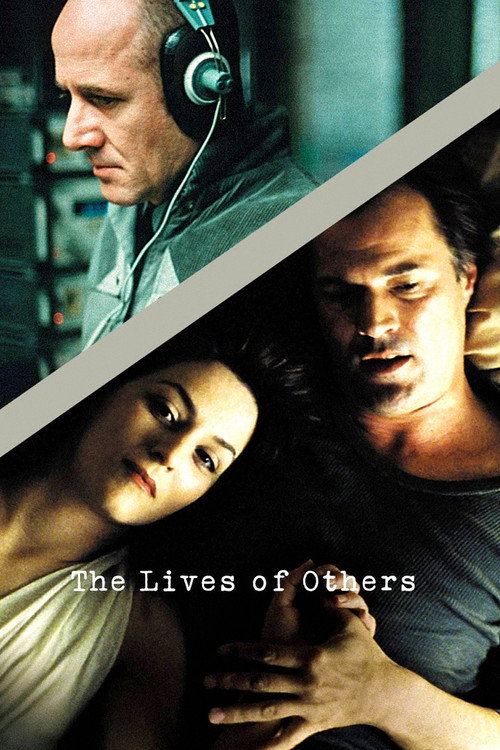
Both films live inside the informer's psychology under a watching, punishing system. Wilder plays it as a whodunit with punchlines; this plays the same paranoia straight, decades later, in the country that built the real Stasi.
East Berlin, decades later: a Stasi officer surveils a suspected dissident and the moral ground slowly shifts. Same question Stalag 17 asks — who's really the informer, and what does that betrayal cost — played for tragedy instead of laughs.
But Quiet, sorrowful, and entirely serious; nobody's cracking jokes about the guards here.
People
Cast
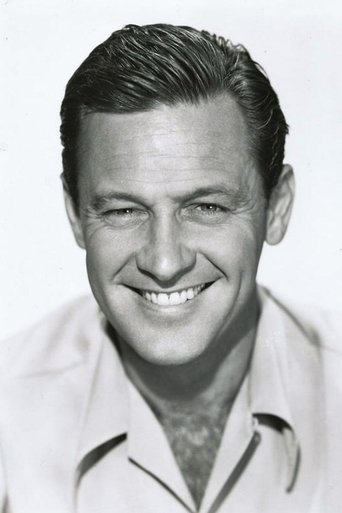 William HoldenJ.J. Sefton
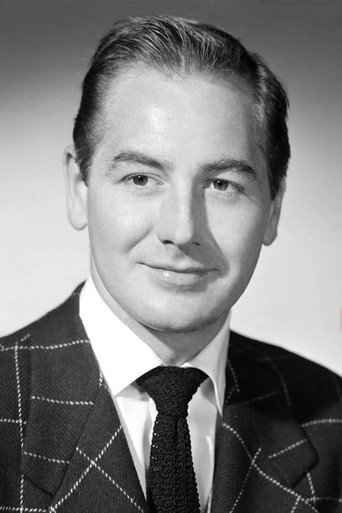 Don TaylorJames Dunbar
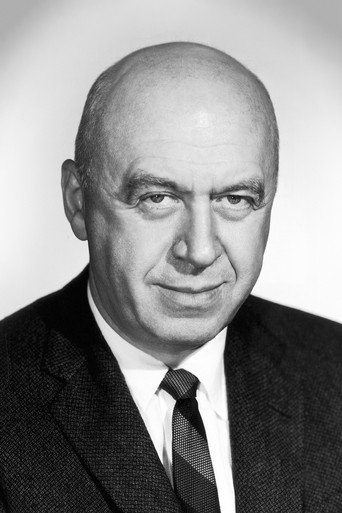 Otto PremingerOberst von Scherbach
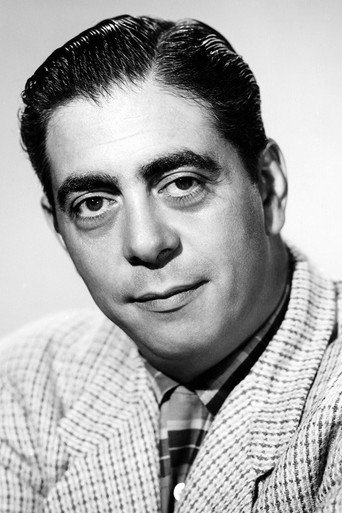 Robert StraussStanislaus 'Animal' Kuzawa
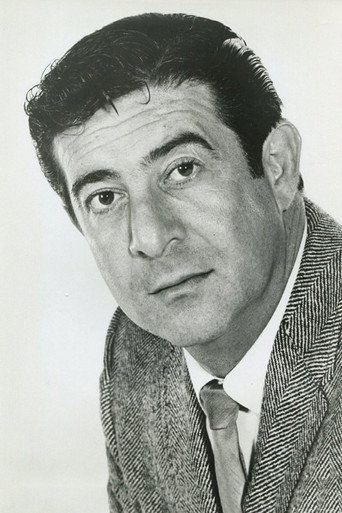 Harvey LembeckHarry Shapiro
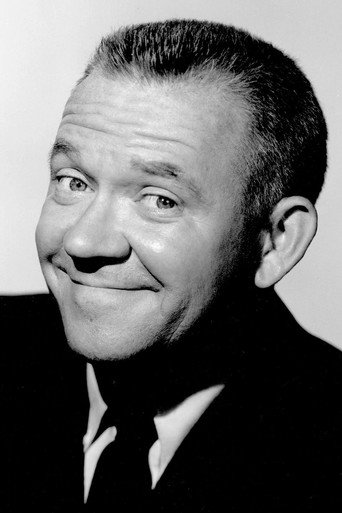 Richard ErdmanHoffy Hoffman
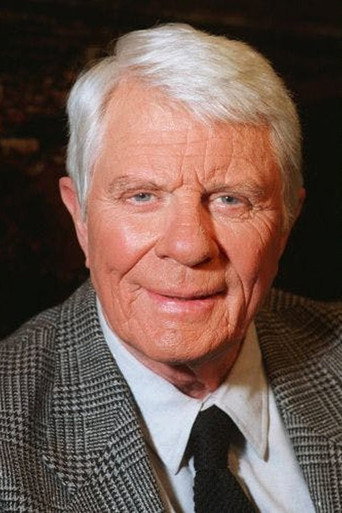 Peter GravesFrank Price
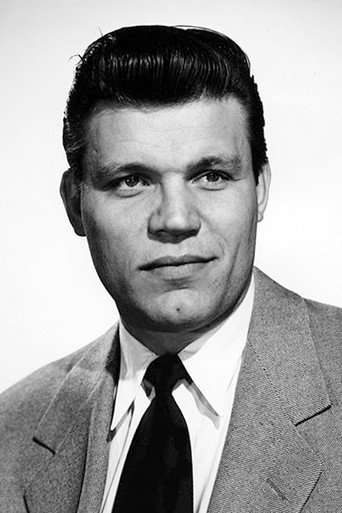 Neville BrandDuke
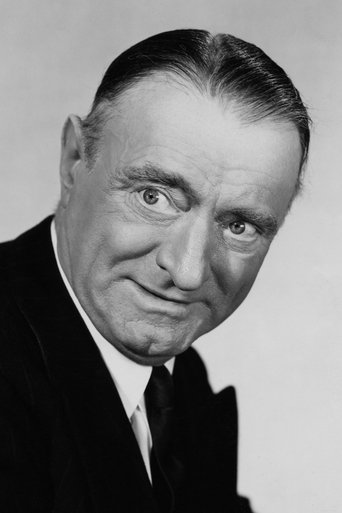 Sig RumanJohann Schulz
 Michael MooreManfredi
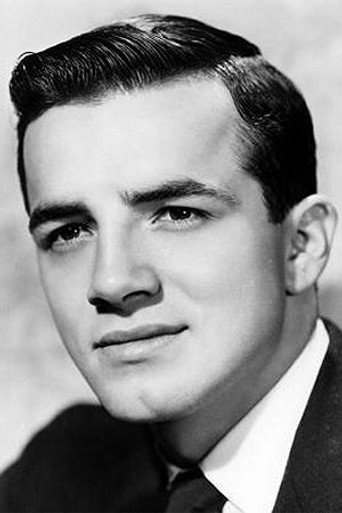 Peter BaldwinJohnson
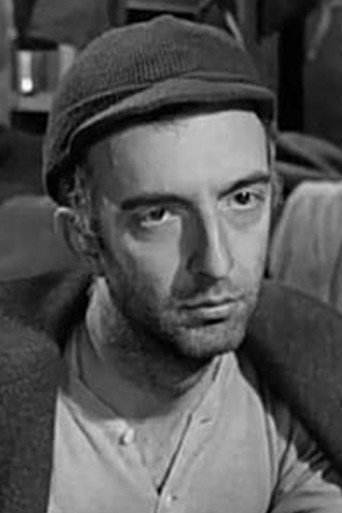 Robinson StoneJoey
Directing
- Billy WilderDirector
Writing
- Donald BevanTheatre Play
- Edmund TrzcinskiTheatre Play
- Billy WilderWriter
- Edwin BlumWriter
Production
- William SchorrAssociate Producer
- Billy WilderProducer
Recommended by
The Great Escape, Papillon, M*A*S*H, Grand Illusion, Porridge, The Bridge on the River Kwai