
Film
Death of a Bureaucrat
- Satire
- Strange
Tomás Gutiérrez Alea's absurdist comedy traps a young Cuban in a Kafkaesque nightmare: to help his aunt claim her dead husband's pension, he must navigate an indifferent bureaucracy that demands he dig up the corpse. A brilliant satire of revolutionary ideals meeting institutional inertia, fueled by physical comedy, deadpan logic, and the mounting hilarity of systemic absurdity.
Should you watch it?
Watch it if you enjoy satire that finds the absurd in paperwork and keeps a straight face while the rules close in, with a dark, deadpan cruelty you can laugh at.
Skip it if you want brisk, gag-packed farce, since this one is bitter by design and its jokes circle the same frustration rather than racing ahead.
What it asks of you: Under an hour and a half, it runs on repetition: the same grinding loop of counters and clerks, its bite coming from dry stillness as much as punchlines.
Not sure? Find tonight's pick in a minute.
If you liked this
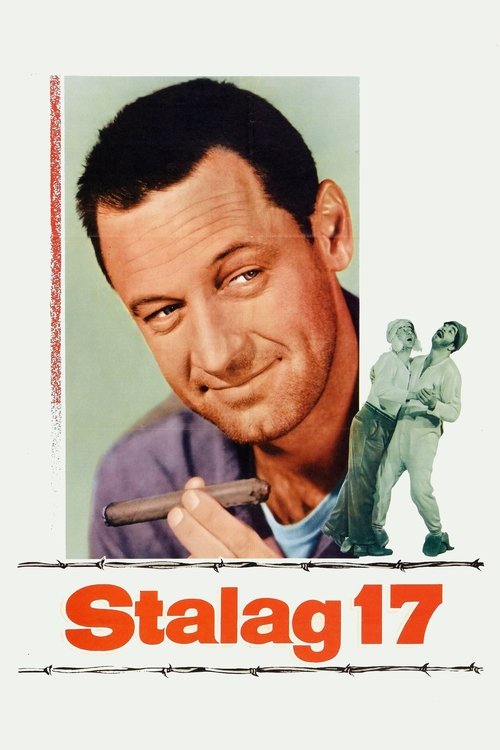
Stalag 171953
Billy Wilder's POW camp comedy uses the same basic engine: ordinary people trapped in a system of petty rules, forced to outthink bureaucratic logic with ingenuity and darkening humor. Sharp, tightly wound, genuinely funny.
But It's a war film first and a comedy second, so the tone can feel dated, and the plot mechanics occasionally override character development.
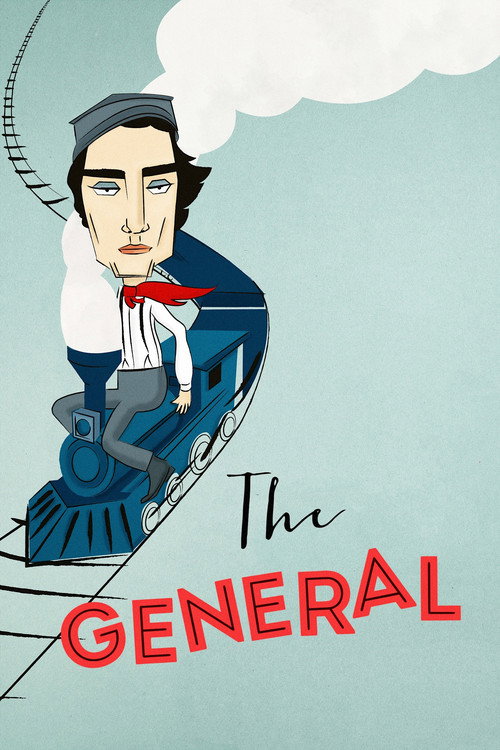
The General1926
Buster Keaton's silent masterpiece shares the same DNA of escalating chaos and physical comedy born from a single impossible problem. The logic is implacable; the results are hilarious. Wordless but never unclear.
But Silent film pacing and style will feel utterly remote if you're not accustomed to it. The lack of dialogue requires active attention.
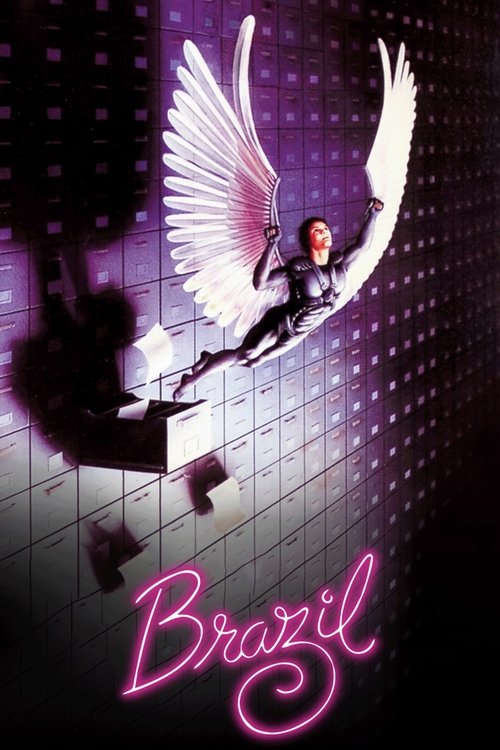
Brazil1985
Terry Gilliam's dystopian farce is virtually the Anglophone spiritual cousin—a man mangled by a totalitarian bureaucracy, fighting nonsensical paperwork and indifferent officials with mounting desperation and dark comedy.
But Gilliam's visual chaos and paranoid tone veer toward bleak; the humor is angrier and more disorienting than Alea's controlled satire.
Not sure tonight? Get a pick in a minute, starting from Death of a Bureaucrat
The wildcard
Something you would not have found on your own.
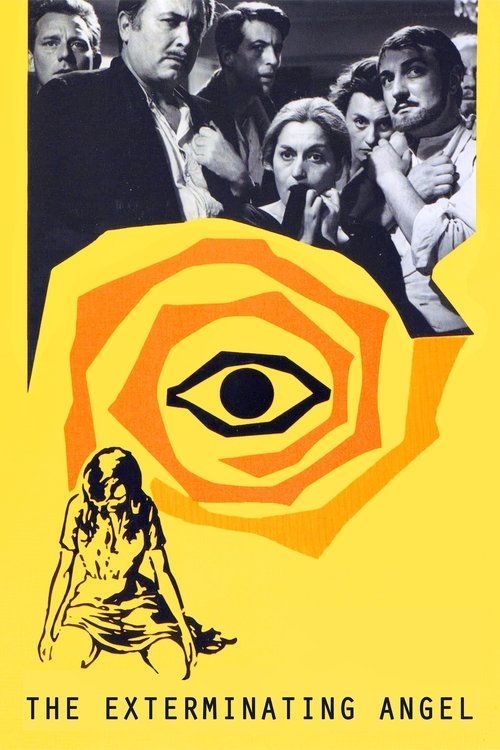
The Exterminating Angel1962
Both use systemic entrapment and absurdist logic as engines for satire; both suggest that the system itself is the real villain, not any individual within it.
Buñuel's surrealist masterpiece: bourgeois dinner guests find themselves mysteriously unable to leave a room, watched by an indifferent system that doesn't care. Like *Death of a Bureaucrat*, it's about how systems—written or unwritten—trap us in absurdity. Hilarious and grotesque in equal measure.
But Surrealism means the logic is dreamlike, not narrative; if you need plot coherence, this will infuriate you. It's also deeply uncomfortable about class and human nature.
More like this (7)
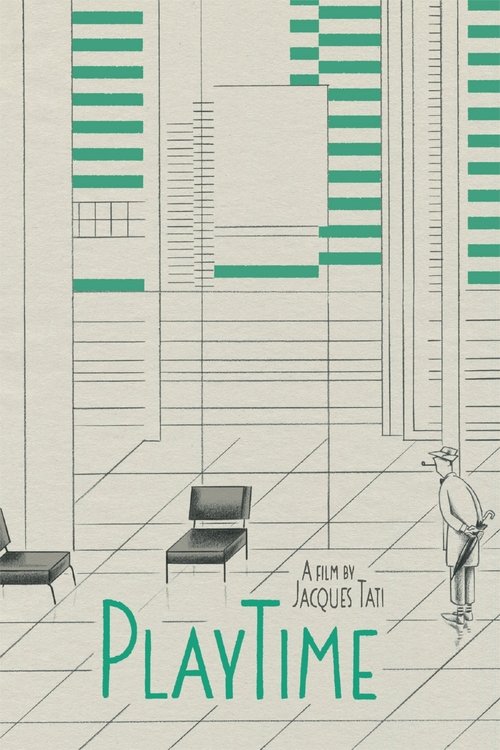
PlayTime1967
Jacques Tati's nearly wordless comedy observes characters lost in modernist architecture and systems that dwarf human needs. Hilarious, intricate, and profoundly humanist. A meditation on institutional indifference disguised as a gag reel.
But It's deliberately shapeless and requires patience; the comedy is embedded in dense frames and repetition rather than narrative momentum. Glacial by design.
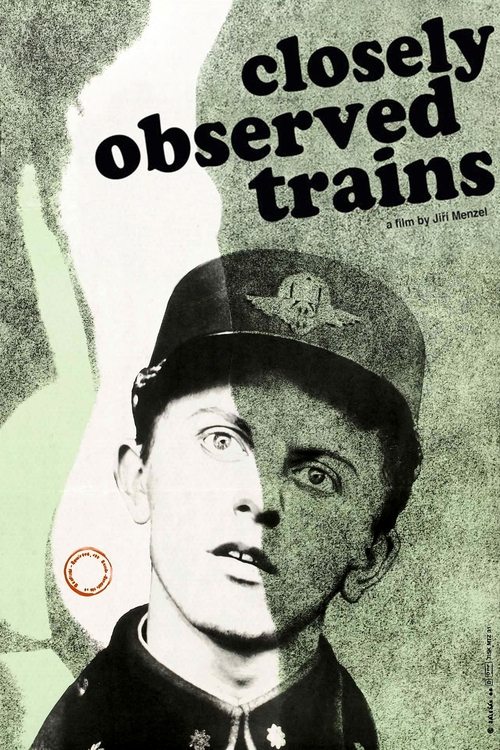
Closely Watched Trains1966
This Czech New Wave gem is a coming-of-age comedy set in a railway bureaucracy during Nazi occupation. Tender, sly, full of quiet absurdist humor about systems that grind on regardless of human consequence.
But The tone is mournful beneath the comedy, and it moves with deliberate slowness. The ending carries real weight and sadness.
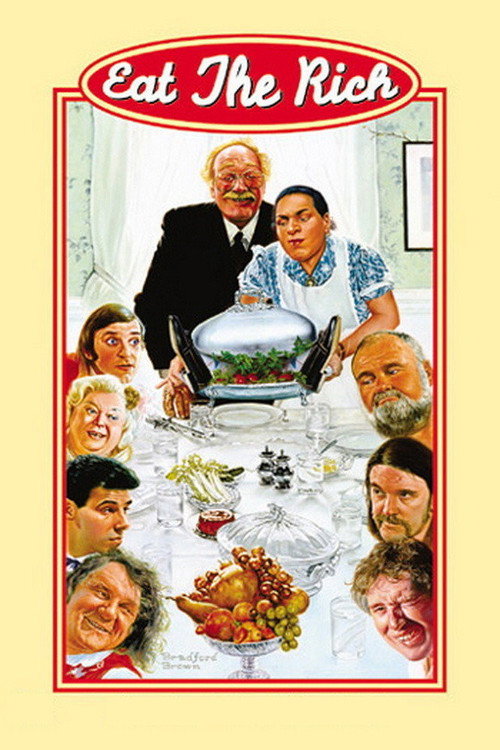
Eat the Rich1987
British punk satire about a restaurant that becomes a weapon of class revenge. Raucous, obscene, beautifully stupid in service of rage at systems and power. Chaotic energy meets sharp political wit.
But It's aggressively crude and the politics can feel heavy-handed. The satire occasionally collapses into just trash, which is the point—but not everyone wants that.
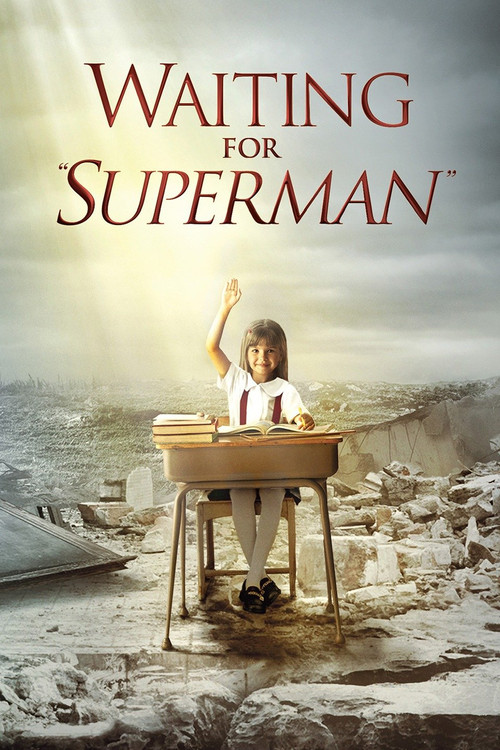
Waiting for "Superman"2010
This documentary follows families navigating the American education bureaucracy with bureaucratic absurdity that mirrors *Death of a Bureaucrat*'s systemic traps, but the stakes are children's futures. Infuriating and clarifying.
But It's a documentary polemic, not a comedy, and the anger is real. Watching systems fail actual people lacks the cathartic distance of satire.
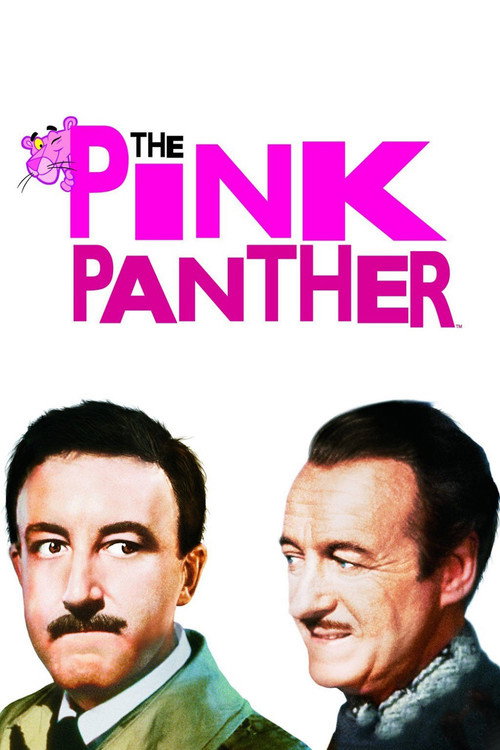
The Pink Panther1963
Peter Sellers' Inspector Clouseau stumbles through a detective bureaucracy as clueless and indifferent as any pension office. Physical comedy collides with institutional logic. Silly but never stupid.
But The slapstick can feel thin, and Sellers' comedy style is mannered in ways that age unevenly. The plot exists mainly to hang gags on.
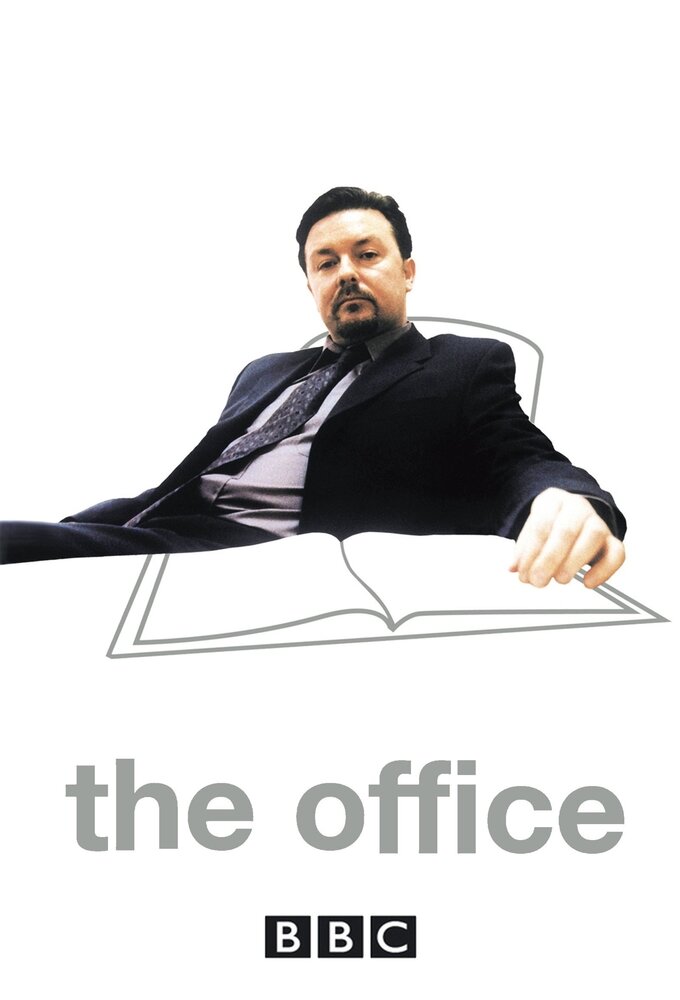
The Office2001
Both find comedy in the gap between human dignity and institutional indifference; both suggest that bureaucracy transforms decent people into cogs. Same target, different registers.
Ricky Gervais's original British version captures the cringing comedy of petty bureaucratic power in a paper company. It's mockumentary naturalism applied to the same machinery of institutional futility that crushes the nephew in Alea's film.
But If you've only seen the American version, this feels meaner and bleaker. The comedy depends on your tolerance for uncomfortable cringe; there's no warmth to cushion the humiliation.
Come and See1985
Both use the logic of bureaucratic absurdity and physical comedy as a language for expressing how systems dehumanize people. *Come and See* takes that logic to its horrifying endpoint, suggesting that what makes *Death of a Bureaucrat* funny is only funny because we're not being slaughtered.
Elem Klimov's devastating Soviet war film uses grotesque logic and physical slapstick in scenes of atrocity—the surreal collides with the real. A teenage boy navigates systems of absolute chaos and cruelty. It's structured like a darkly absurdist comedy that realizes, partway through, that it's a tragedy.
But This is a deeply traumatic film about Nazi occupation. The grotesque humor is a device to convey the incomprehensibility of genocide, not a cushion. Watching it is an endurance test, not an evening's entertainment.

People
Cast
 Salvador WoodNephew
- Silvia PlanasAunt
- Manuel EstanilloBureaucrat
- Omar AlfonsoCojimar
- Gaspar De SantelicesNephew's boss
- Elsa MonteroSabor
- Luis RomayEl Zorro
- Carlos Ruiz de la TejeraPsychiatrist
- Richard SuarezTarafa
Directing
- Tomás Gutiérrez AleaDirector
- José Antonio JorgeFirst Assistant Director
- Luis M. LópezFirst Assistant Director
- Manuel Duchesne CuzánScript Supervisor
Writing
- Alfredo L. Del CuetoScreenplay
- Ramón F. SuárezScreenplay
- Tomás Gutiérrez AleaScreenplay
- Tomás Gutiérrez AleaStory
Production
- Margarita AlexandreProducer
- Roberto RosayProduction Assistant