
Film
Brazil
Terry Gilliam's dystopian satire buries a lonely dreamer under paperwork, pneumatic tubes, and a totalitarian state so inept it can't even file its own death warrants correctly. It's visually overstuffed, tonally whiplash-inducing — farce curdling into horror and back — and unmistakably its own thing. For anyone who likes their nightmares baroque and their comedy laced with dread.
If you liked this
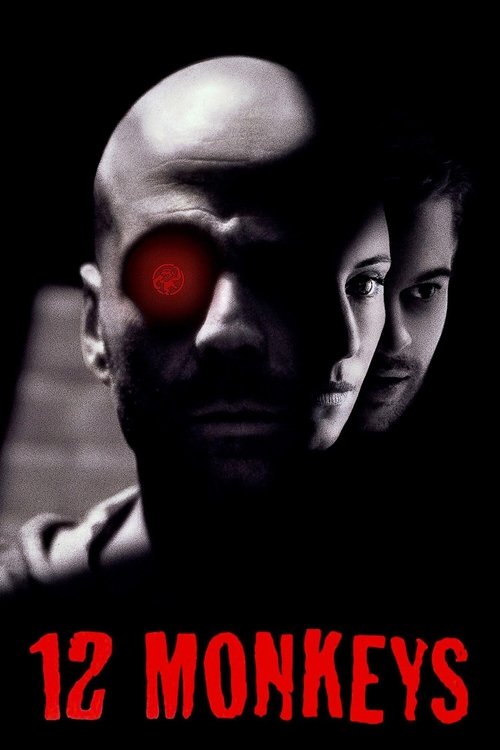
Twelve Monkeys1995
Gilliam's own later dystopia, swapping bureaucratic absurdity for time-travel dread but keeping the same crumbling institutions and doomed romantic hero fighting a system rigged against him.
But Plays it straighter as a thriller — less anarchic comedy, more grim inevitability.
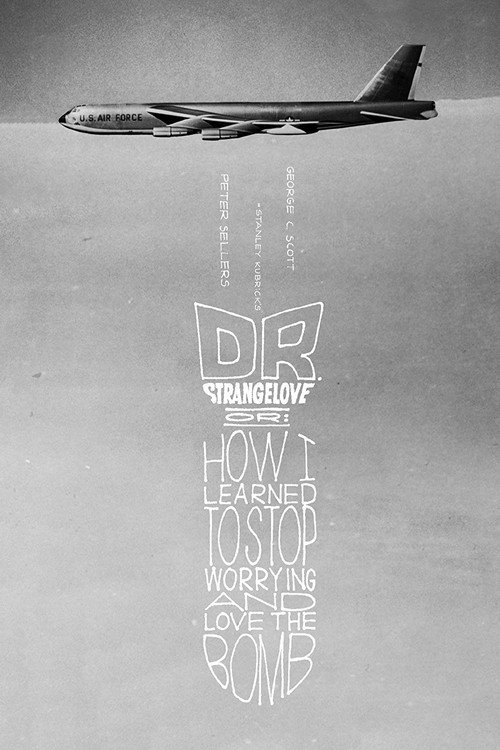
Dr. Strangelove or: How I Learned to Stop Worrying and Love the Bomb1964
Kubrick's masterpiece of institutional idiocy, where the machinery of government marches everyone toward disaster while cracking jokes the whole way down.
But Black-and-white, Cold War-specific, and considerably less visually ornate than Gilliam's world.
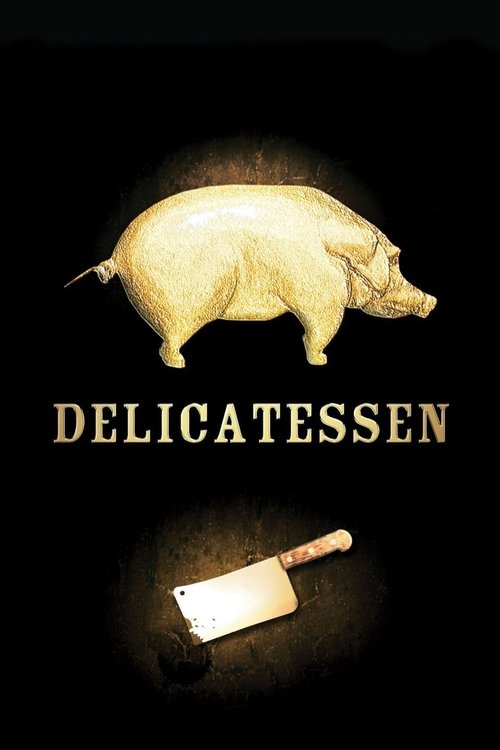
Delicatessen1991
Jeunet and Caro's grimy, retro-futurist fairy tale shares Brazil's cluttered production design and deadpan absurdism, just with cannibals instead of bureaucrats.
But French, subtitled, and more whimsical fable than political satire.
The wildcard
Something you would not have found on your own.
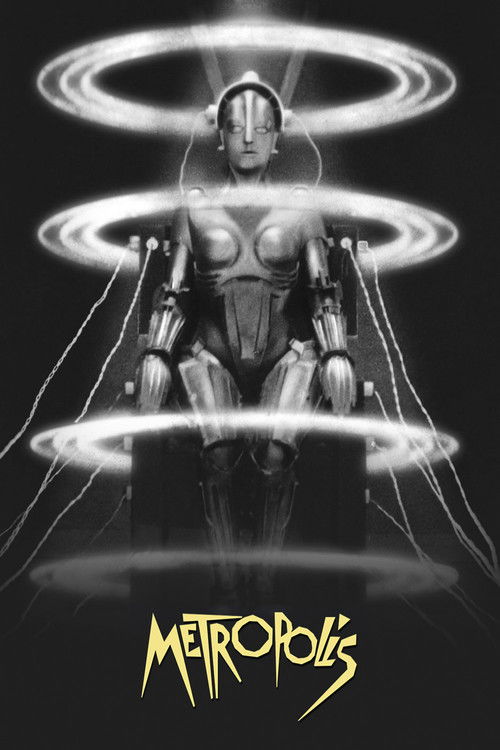
Metropolis1927
Brazil's oppressive, cathedral-scaled bureaucracy is a direct descendant of Metropolis's industrial dystopia — same idea of buildings themselves as the enemy, sixty years earlier.
The silent film that invented the vertical dystopia — towering machinery, faceless workers, architecture as instrument of control. Gilliam's whole visual vocabulary traces back here.
But Silent, melodramatic, and its politics are cruder than Brazil's satire.
More like this (8)
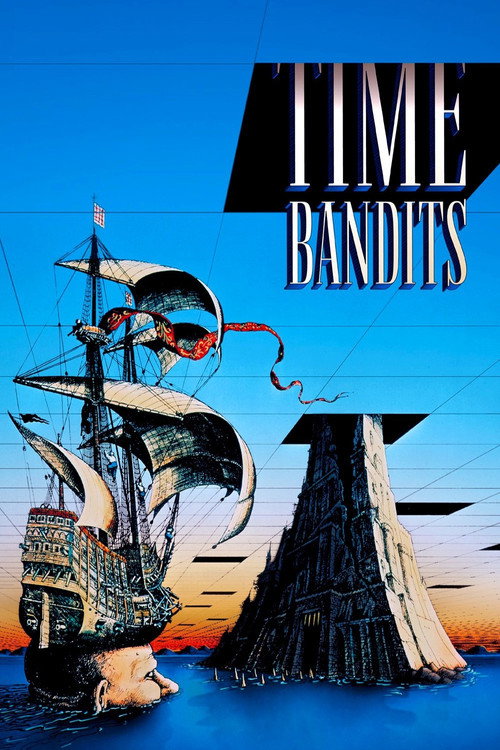
Time Bandits1981
Gilliam's earlier romp shows where his visual imagination came from — same anarchic energy, dwarfs and time holes instead of forms in triplicate.
But Lighter and more child-friendly, with none of Brazil's creeping despair.
Sleeper1973no page yet
Woody Allen's dystopian comedy plays the same joke — a hapless man swallowed by a future run by idiots — but with pratfalls instead of paperwork.
But Slapstick over satire, and nowhere near as visually inventive.
The Zero Theorem2013no page yet
Gilliam revisits his own obsessions decades later — alienation, meaningless labor, a man trying to escape a system that owns his soul on paper.
But Baggier and less focused, with a reception to match its uneven ambition.
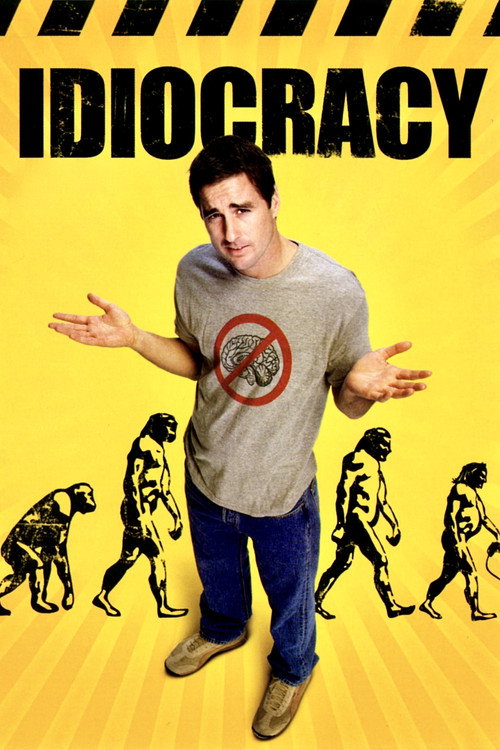
Idiocracy2006
A cruder cousin of Brazil's satire, imagining bureaucracy not as menacing but as terminally, catastrophically stupid — and just as quotable.
But Broader humor, cheaper visuals, and a much less melancholy heart.
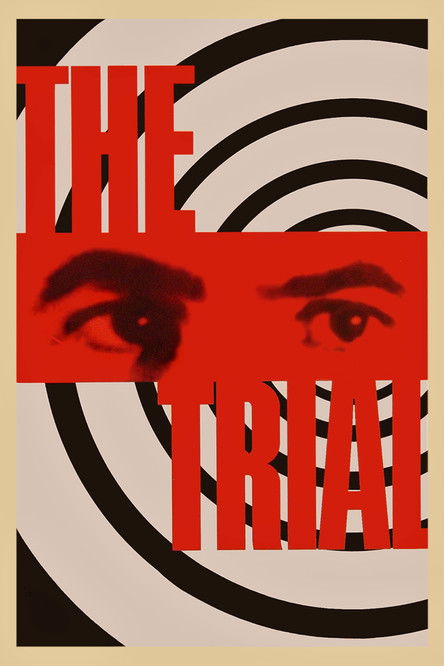
The Trial1962
Orson Welles's Kafka adaptation is the nightmare bureaucracy Brazil grew out of — vast, cold, architecturally oppressive, and utterly humorless.
But Slow, theatrical, and completely without Gilliam's comic relief.
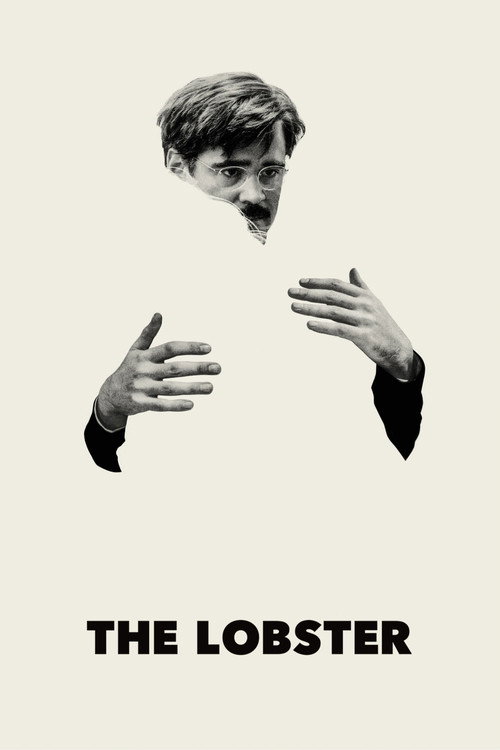
The Lobster2015
A deadpan dystopia about a society enforcing absurd rules with a straight face — same dread-laced comedy, different bizarre premise entirely.
But Minimalist and clinical where Brazil is maximalist and baroque.
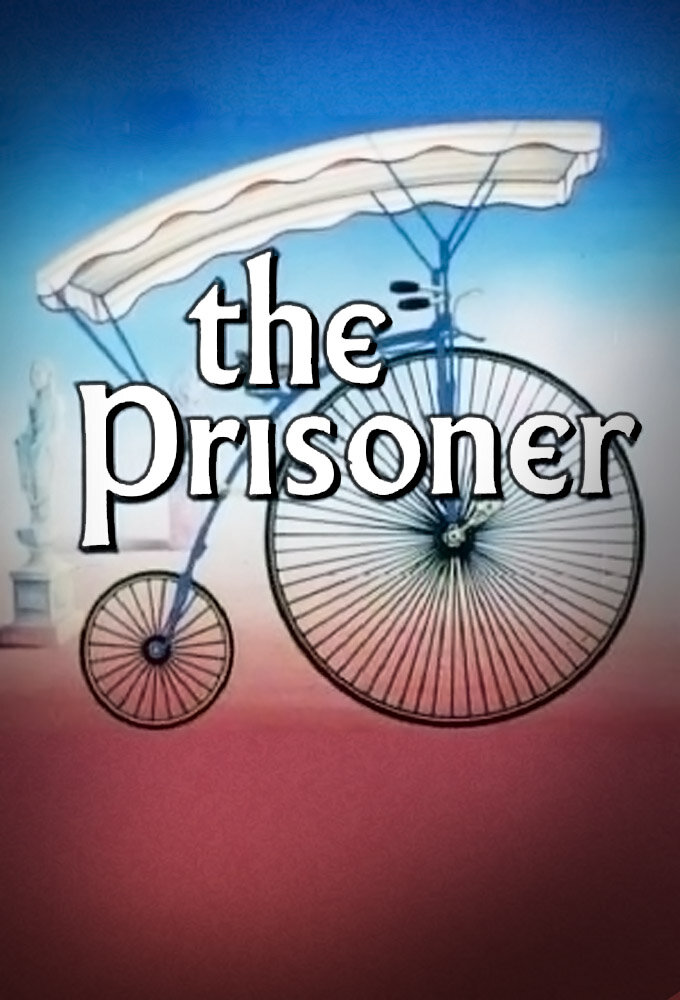
The Prisoner1967
Both trap an ordinary man inside a system too polite and too absurd to fight directly; the paranoia and dark comedy of institutional control run through both.
A British cult series where a man wakes up trapped in a genteel, absurdly bureaucratic village that will not let him leave, resign, or even learn its rules.
But Slow, stagey, deliberately maddening — a puzzle box that refuses to fully resolve.
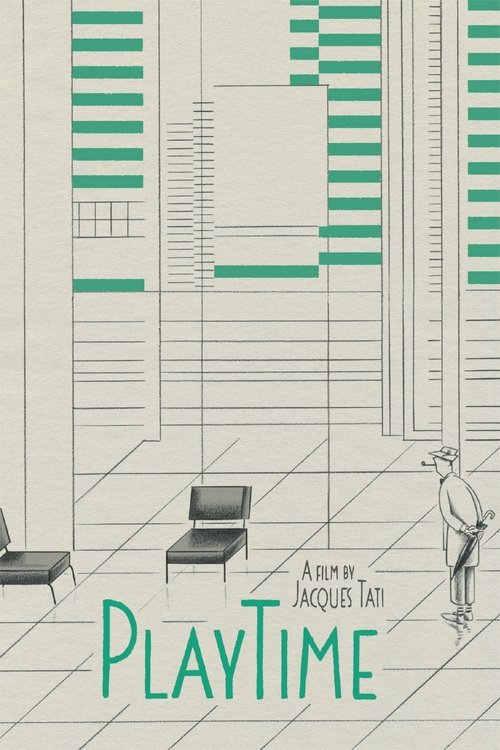
PlayTime1967
Same satire of dehumanizing modern institutions and their architecture, but played as warm farce rather than dystopian dread — the engine's other setting.
Jacques Tati's nearly wordless comedy watches modern glass-and-steel bureaucracy swallow a bumbling man whole — same target, delivered as gentle slapstick instead of nightmare.
But No real plot, almost no dialogue, and a pace built for patient viewers only.
People
Cast
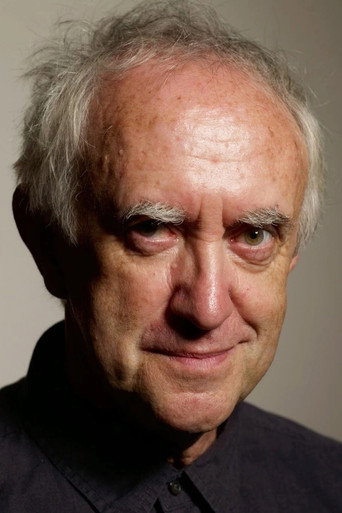 Jonathan PryceSam Lowry
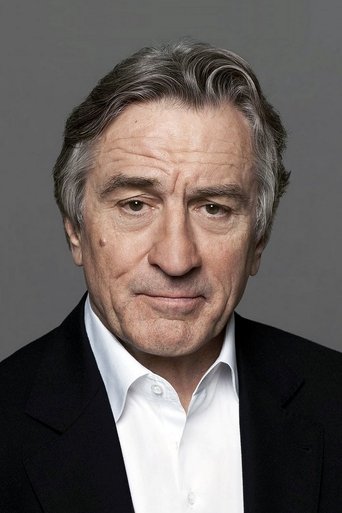 Robert De NiroHarry Tuttle
 Katherine HelmondMrs. Ida Lowry
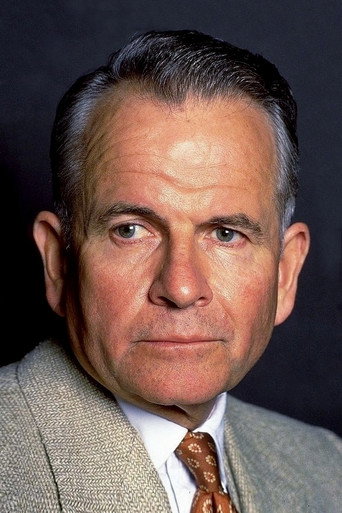 Ian HolmMr. Kurtzmann
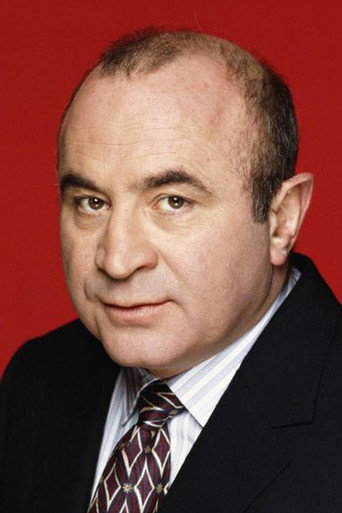 Bob HoskinsSpoor
 Michael PalinJack Lint
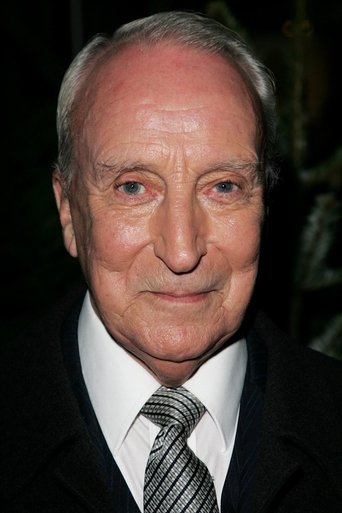 Ian RichardsonMr. Warrenn
 Peter VaughanMr. Helpmann
 Kim GreistJill Layton
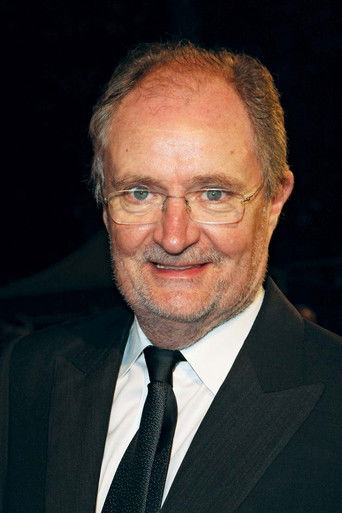 Jim BroadbentDr. Jaffe
 Barbara HicksMrs. Alma Terrain
 Charles McKeownLime
Directing
- Terry GilliamDirector
- Penny EylesScript Supervisor
Writing
- Charles McKeownScreenplay
- Terry GilliamScreenplay
- Tom StoppardScreenplay
Production
- Irene LambCasting
- Margery SimkinCasting
- Arnon MilchanProducer
- Patrick CassavettiProducer
- Graham FordProduction Manager
- Alan ArnoldPublicist
- Geoff FreemanPublicist
Recommended by
A Clockwork Orange, Citizenfour, Alphaville, Metropolis, Dark City, Lost in La Mancha, The Wrong Man, PlayTime, Twelve Monkeys, Monty Python's Flying Circus, Time Bandits, The Trial, Gattaca, The Prisoner, THX 1138, Idiocracy, The Lobster, Buried, Sorry to Bother You, The Hospital, Chitty Chitty Bang Bang, Loki, Catch-22, I Was a Male War Bride, Monsters, Inc., V for Vendetta, Nineteen Eighty-Four, Fahrenheit 451, Delicatessen, I, Daniel Blake