
Film
Mother Night
Keith Gordon's adaptation of Kurt Vonnegut follows an American broadcaster who posed as a Nazi propagandist during WWII, only to discover that the cover story that saved his life has become his inescapable identity. It's a quiet, unsettling film about complicity, reinvention, and how the roles we play can calcify into who we are. For readers of Vonnegut and anyone troubled by the gap between intention and consequence.
Should you watch it?
Watch it if you like moral puzzles about identity and complicity, where the question of who you really are gets harder the longer you keep a mask on.
Skip it if you want a brisk thriller with clean heroes, since its unease sits in long stretches of talk and quiet dread rather than action.
What it asks of you: At 114 minutes it moves at a deliberate, talky pace, its tone grave rather than light, and it keeps working on you after the credits.
Not sure? Find tonight's pick in a minute.
If you liked this
The Third Man1949
Like Mother Night, it follows a morally compromised American entangled in postwar chaos, unable to escape the consequences of wartime choices. Carol Reed's Vienna is as claustrophobic as Gordon's moral trap.
But The plotting can feel distant and the moral ambiguities may frustrate anyone wanting clear answers or traditional redemption.

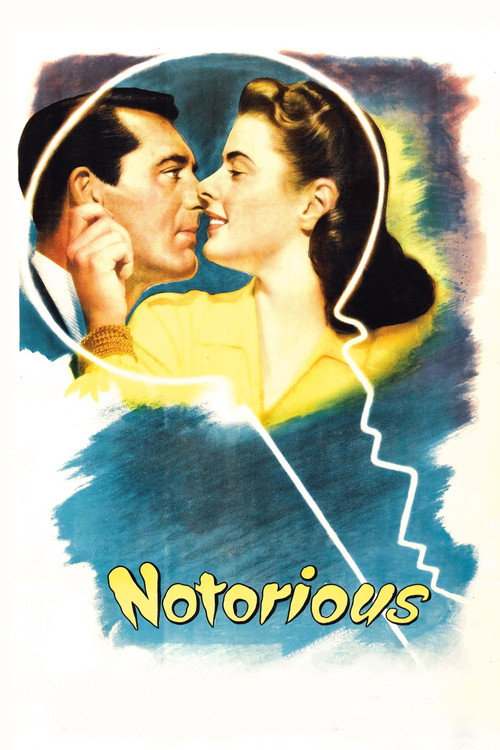
Notorious1946
Hitchcock's masterpiece of a woman used as a spy against the Nazis explores similar territory: identity as weapon, performance as poison, the impossibility of shedding a constructed self.
But It's a thriller first, which means the philosophical weight lands differently—you may want more plot momentum than Mother Night offers.
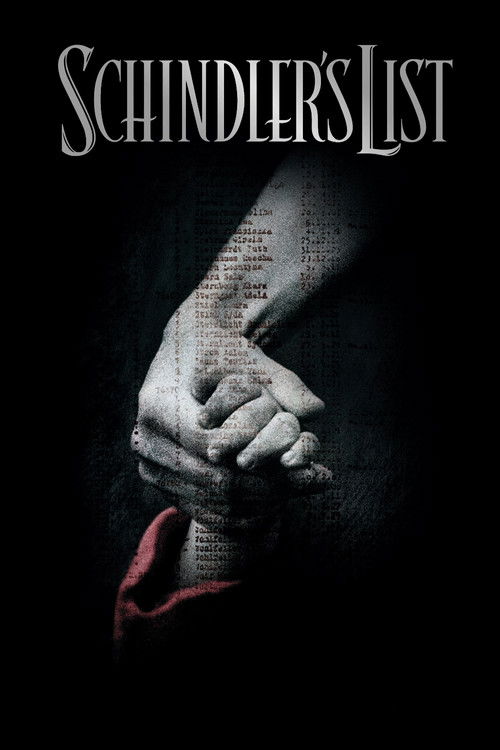
Schindler's List1993
Both are sober interrogations of how one survives WWII morally, and what it costs. Spielberg and Gordon share a refusal to let you rest comfortably with their protagonists' choices.
But Schindler's List is far more conventionally powerful. Mother Night's quietness can read as indulgent by comparison.
Not sure tonight? Get a pick in a minute, starting from Mother Night
The wildcard
Something you would not have found on your own.
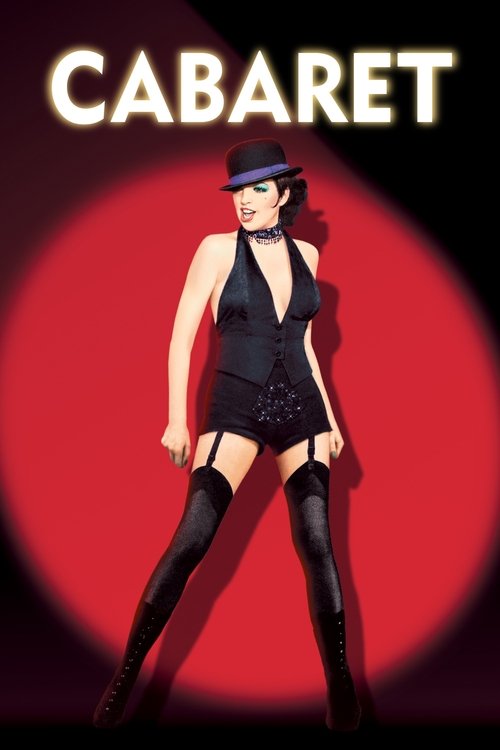
Cabaret1972
Both are about how to be an entertainer (or propagandist) in an evil system, and whether neutrality is even possible—or whether choosing to perform is itself a kind of choice.
Bob Fosse's nightclub becomes a mirror for a Germany sliding into fascism, and its performers are collusions by performance. Like Mother Night, it argues that art and entertainment can be both apolitical and complicit.
But It's a musical. The song-and-dance will feel like a different language if you're not prepared for it, and Liza Minnelli's star power can eclipse the moral argument.
More like this (8)
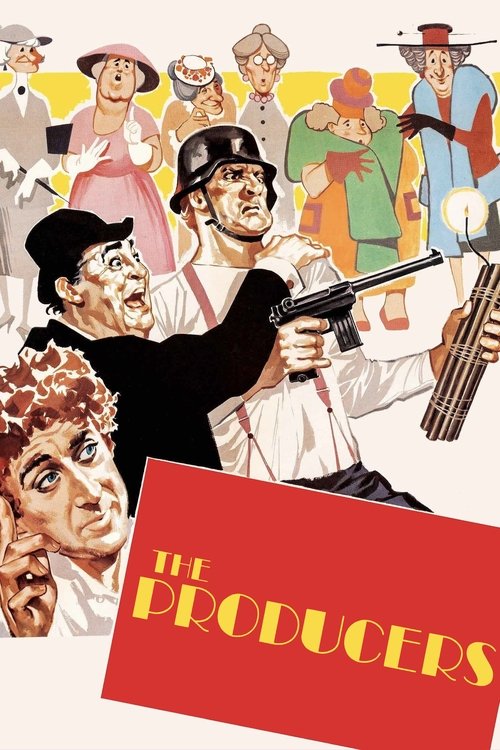
The Producers1968
Mel Brooks' satire also hinges on a man trapped by a Nazi-themed creation he can never fully escape. It's the dark comedy version of the same bind, which gives you another angle on the problem.
But The tonal whiplash between Brooks' farce and Gordon's gravity is severe. They're asking similar questions in completely different registers.
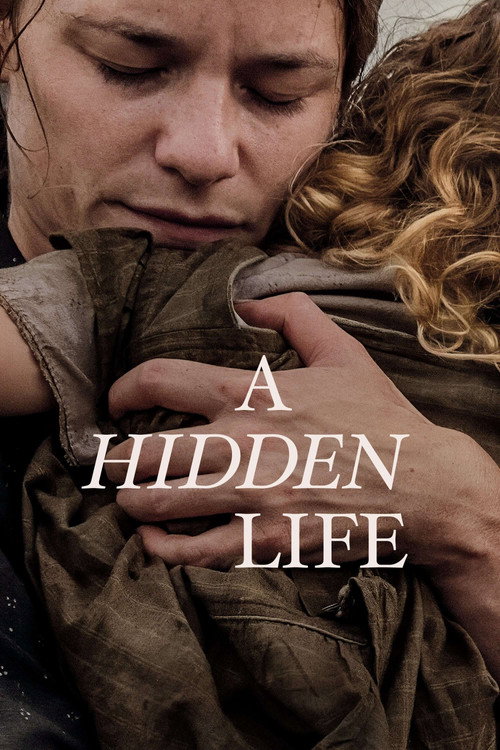
A Hidden Life2019
Terrence Malick's meditation on conscience during WWII: a man who refused to become what the Reich demanded. It shares Mother Night's interest in the weight of a single moral choice and its cost.
But Malick's style is rhapsodic and very long. If you want a film that moves like Mother Night, you'll find this frustratingly baroque.
Ikiru1952
Kurosawa's film about a man confronting what his life has become shares Mother Night's core insight: how we live with the gap between who we meant to be and who we became.
But It's a different war, a different culture, and emotionally much warmer. The comfort you might find in it could undercut what you're looking for.

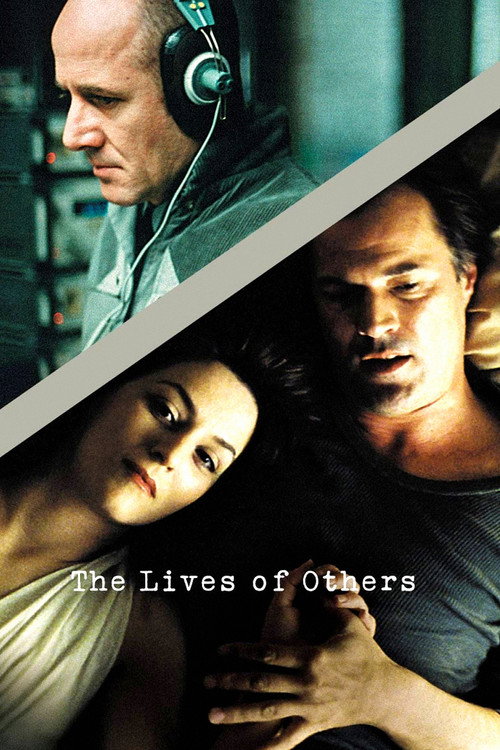
The Lives of Others2006
A Stasi informant slowly realizes he cannot unbecome what the state made him. Like Mother Night, it's about performance and complicity calcifying into something real and irreversible.
But It's a more conventional thriller with a redemptive arc. Mother Night denies you that comfort.
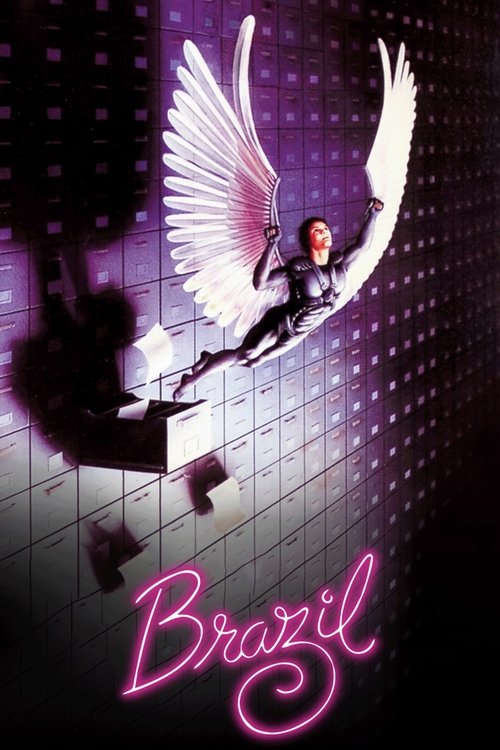
Brazil1985
Terry Gilliam's dark bureaucratic nightmare about a man trapped in a system of his own making has the same fatalistic mood and refusal to let you off the hook morally.
But It's operatic and surreal where Mother Night is precise. The genres barely touch.
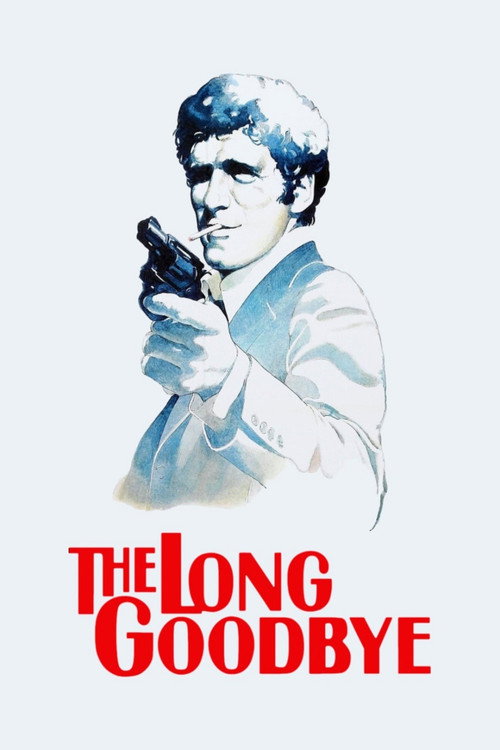
The Long Goodbye1973
Altman's revisionist Marlowe is a man whose persona has become a prison he can't dismantle. It shares Mother Night's fascination with the self as performance and its consequences.
But It's a genre film first—mystery, noir—so the philosophical weight is more diffuse and the tone more detached.
Stalker1979
Both use a single, confined space (a room, a Zone) to trap a man with what he's become. Both argue that you can't escape your own nature by moving through space.
Tarkovsky's slow meditation on desire and the self in a labyrinth has the same hypnotic, inescapable logic as Mother Night: you move forward only to discover you were always going in circles.
But It's a Soviet science-fiction film that runs 163 minutes and has almost no plot. The patience required is significant, and the metaphysical register is entirely different from Mother Night's realism.

The Ascent1977
Both examine the spiritual and moral weight of performance under totalitarianism—the impossibility of being 'only pretending' when the system demands absolute belief. Both suggest that survival itself can be a form of betrayal.
Larisa Shepitko's devastating film about two Soviet partisans facing execution explores conscience and compromise in extremis—how the self fractures when tested absolutely, and what you're willing to become to survive.
But It's bleak, monochromatic, visually austere, and deeply spiritual in a way that may feel remote. It's not a film that offers much comfort.

People
Cast
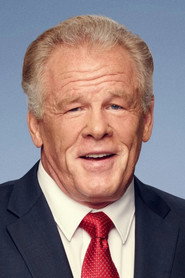 Nick NolteHoward Campbell
 Sheryl LeeHelga Noth / Resi Noth
 Alan ArkinGeorge Kraft
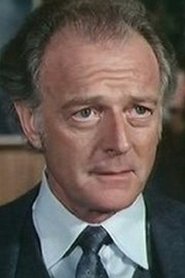 Bernard BehrensReverend Dr. Lionel Jones
 Anna BergerEpstein's Mother
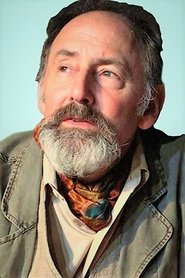 Arye GrossDr. Abraham Epstein
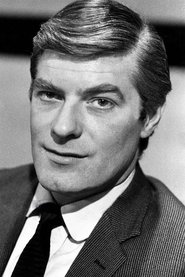 Norman RodwayWerner Noth
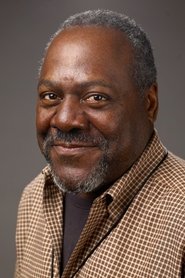 Frankie FaisonRobert Sterling Wilson
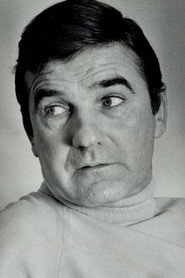 Gerard ParkesFather Patrick Keeley
 Vlasta VranaAugust Krapptauer
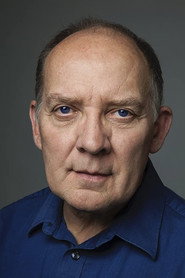 Zach GrenierJoseph Goebbels
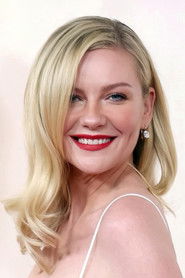 Kirsten DunstYoung Resi Noth
Directing
- Keith GordonDirector
Writing
- Kurt VonnegutNovel
- Robert B. WeideScreenplay
Production
- Leon DudevoirAssociate Producer
- Valerie McCaffreyCasting
- Linda ReismanExecutive Producer
- Mark OrdeskyExecutive Producer
- Ruth VitaleExecutive Producer
- Josette PerrottaLine Producer
- Keith GordonProducer
- Robert B. WeideProducer