
Film
Slaughterhouse-Five
George Roy Hill's woozy, deadpan adaptation of Vonnegut's novel treats time as something you fall through rather than move along, hopping between a Dresden POW camp, a suburban marriage, and a Tralfamadorian zoo without warning. It's funny in the way trauma survivors are sometimes funny — flatly, sideways — until the firebombing arrives and the joke stops. Not for anyone wanting a linear war drama.
If you liked this
Catch-221970
Same absurdist logic applied to WWII bureaucracy — the war machine as an inescapable, looping joke that curdles into horror, with a fractured structure that mirrors Vonnegut's own genre-hopping.
But Buck Henry's script is denser and colder than Vonnegut's warmth; some find its cynicism exhausting rather than illuminating.

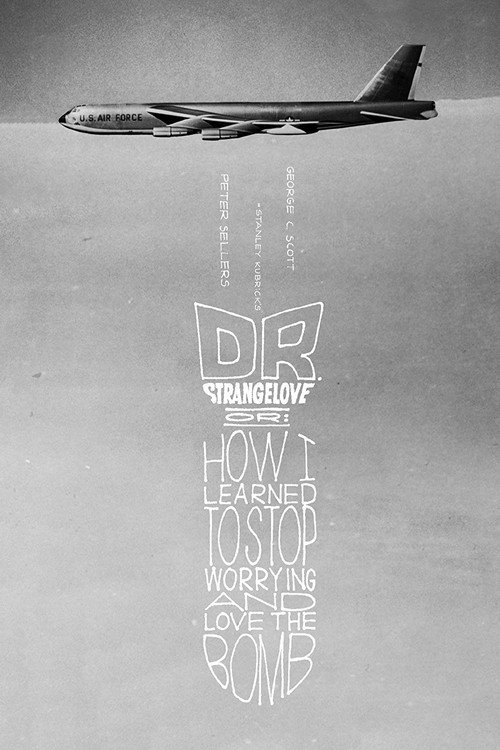
Dr. Strangelove or: How I Learned to Stop Worrying and Love the Bomb1964
Kubrick's satire shares Slaughterhouse-Five's conviction that the only sane response to mass annihilation is laughter, aimed here at nuclear brinkmanship instead of firebombing.
But Its comedy is broader and more theatrical, missing the melancholic drift that makes Billy Pilgrim's story so strange.
M*A*S*H1970
Robert Altman's overlapping, shaggy-dog approach to Korean War surgeons finds the same gallows humor in institutional violence, treating horror as background noise to be joked over.
But Episodic and loose where Slaughterhouse-Five is structurally rigorous; if you wanted tight plotting, look elsewhere.

The wildcard
Something you would not have found on your own.
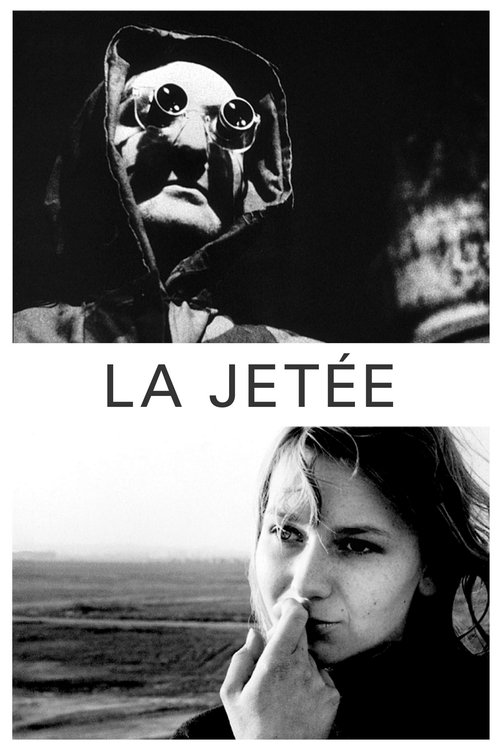
La Jetée1962
Chris Marker's 28-minute photo-montage predates Vonnegut's unstuck-in-time structure, using still images and a fractured chronology to trap its protagonist inside a single traumatic loop — the same trick Billy Pilgrim uses to survive Dresden.
Made from almost nothing but still photographs, it invents the loop-in-time structure Vonnegut's novel would later use, compressing an entire life of memory and catastrophe into a haunting half hour.
But Silent narration and stillness make it a demanding, austere watch — nothing like the loose, wisecracking tone of the main feature.
More like this (8)
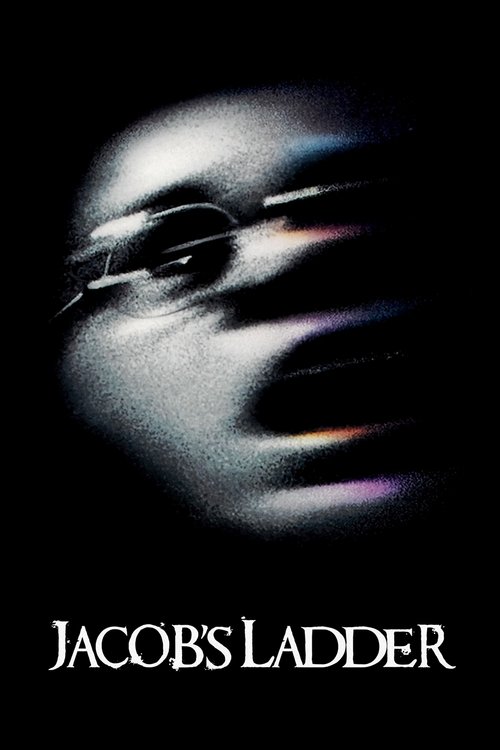
Jacob's Ladder1990
A Vietnam veteran unstuck from a coherent timeline, sliding between memory, hallucination and horror — the same fractured-mind engine, run through a horror-movie chassis.
But Genuinely frightening and disorienting by design; not for anyone who wants Vonnegut's dry wit alongside the dread.
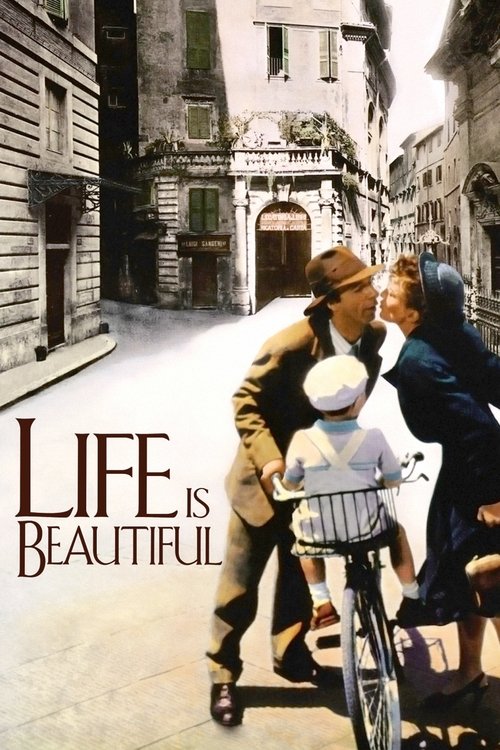
Life Is Beautiful1997
Another film that insists on comedy inside a concentration camp, using whimsy as armor against unbearable historical fact, much like Billy's alien fantasies shield him from Dresden.
But Sentimental where Vonnegut is deadpan; its tenderness can feel manipulative if you prefer irony to heart.
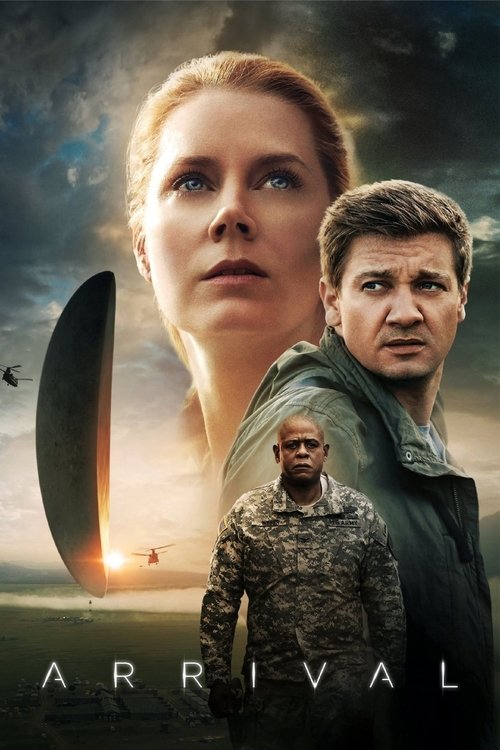
Arrival2016
A serious science-fiction film that treats nonlinear time not as a gimmick but as the whole emotional argument, echoing Billy's fatalistic understanding of a life already lived.
But Cerebral and hushed rather than funny; expect grief handled with reverence, not gallows humor.
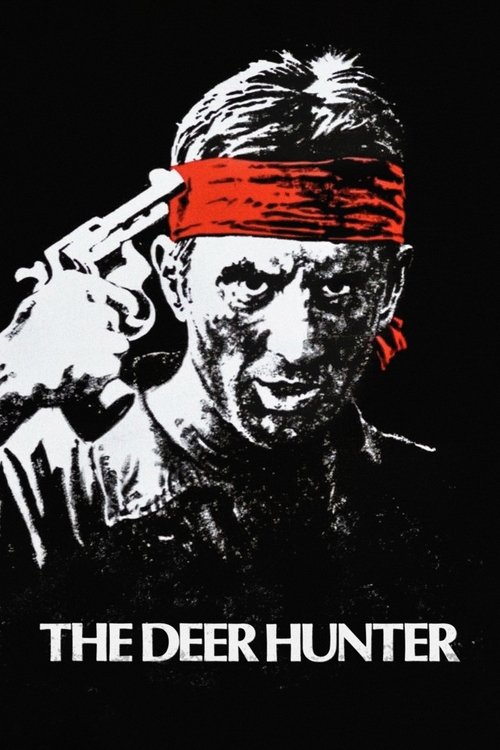
The Deer Hunter1978
No time travel, no aliens — just the unflinching, linear version of what war does to a mind that can never quite come home afterward.
But Three unhurried hours with none of Vonnegut's structural playfulness or comic relief; it asks you to sit in the wound.
Mother Night1996no page yet
Another Vonnegut novel turned film, this one about identity and complicity in wartime rather than trauma and time, with Nick Nolte doing quietly devastating work.
But Little of the same formal daring; it's a straightforward drama, not an experiment in structure.
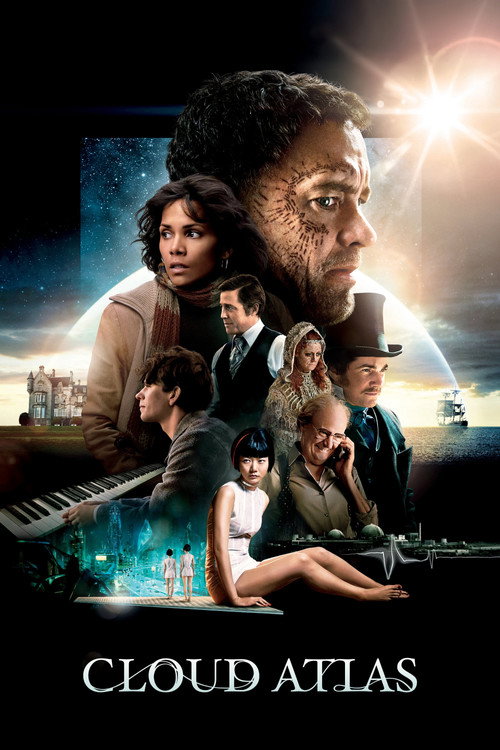
Cloud Atlas2012
A maximalist, multi-era experiment in braided storytelling, jumping centuries the way Billy jumps decades, chasing the idea that souls and choices echo across time.
But Its ambition outstrips its coherence for many viewers; three hours of leaping timelines can feel more exhausting than illuminating.
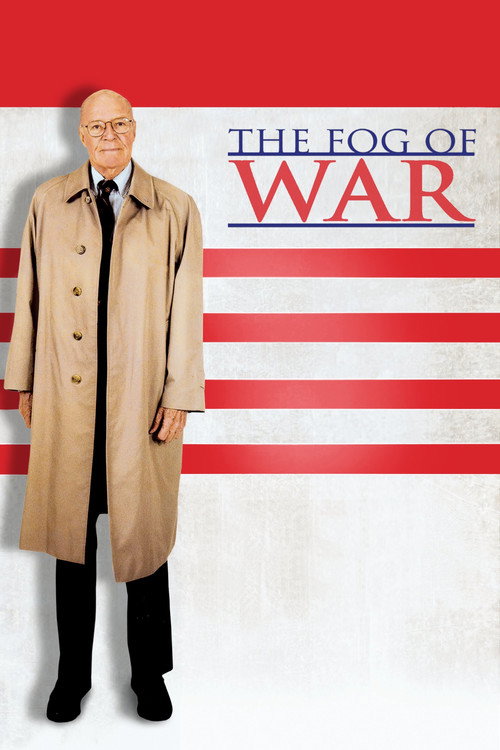
The Fog of War2003
Errol Morris's documentary interviews Robert McNamara, who helped plan the firebombing of Japanese cities, directly confronting the same moral question Slaughterhouse-Five dramatizes obliquely — what it means to have participated in the mass killing of civilians from the air.
Hearing an architect of aerial mass killing reckon, decades later, with what he did gives you the real-world weight that Vonnegut's fiction keeps at arm's length with jokes and aliens.
But There's no science fiction, no comic distance — just an old man talking, which some will find far less watchable than a novel with jokes in it.
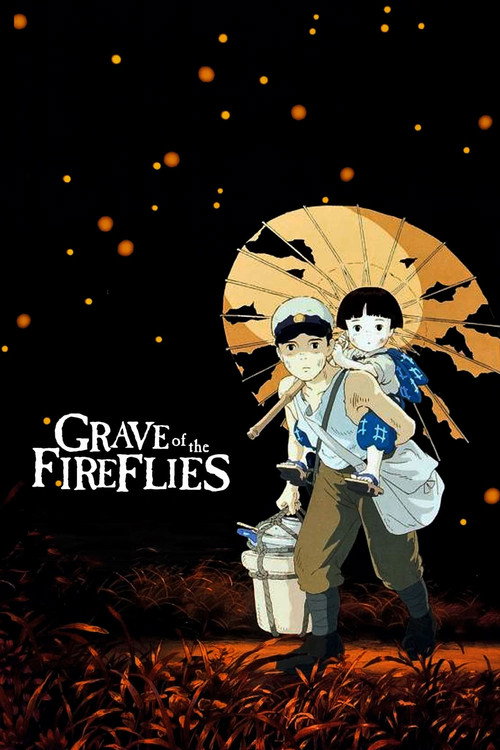
Grave of the Fireflies1988
This Studio Ghibli film puts children through the firebombing of a Japanese city, using the tenderness of animation the way Vonnegut uses black comedy — as a container that makes an unbearable historical atrocity possible to look at.
Animation lets it hold both childhood ordinariness and the horror of firebombed cities in the same frame, achieving the tonal whiplash Vonnegut manages through humor, but through devastating gentleness instead.
But It offers no escape hatch, comic or otherwise; this is one of the most purely devastating films ever made, animated or not.
People
Cast
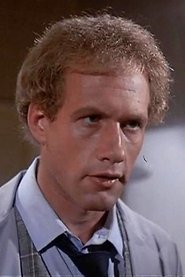 Michael SacksBilly Pilgrim
 Ron LeibmanPaul Lazzaro
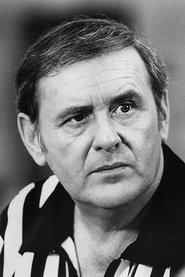 Eugene RocheDerby
- Sharon GansValencia
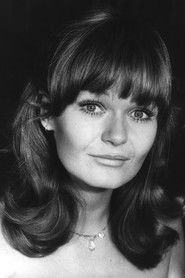 Valerie PerrineMontana Wildhack
 Holly NearBarbara
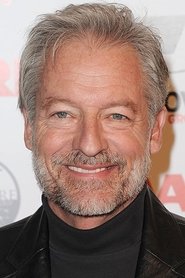 Perry KingRobert
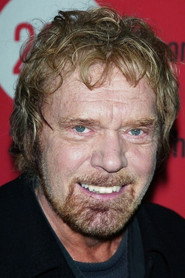 Kevin ConwayWeary
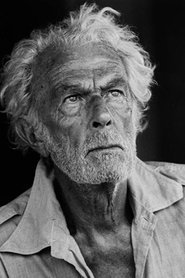 Friedrich von LedeburGerman Leader
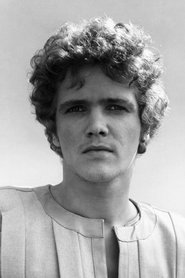 Ekkehardt BelleYoung German Guard
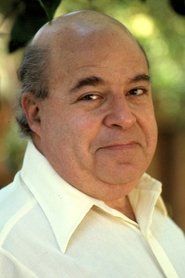 Sorrell BookeLionel Merble
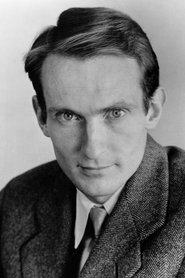 Roberts BlossomWild Bob Cody
Directing
- Ray Gosnell Jr.Assistant Director
- George Roy HillDirector
- Charlsie BryantScript Supervisor
Writing
- Kurt VonnegutNovel
- Stephen GellerScreenplay
Production
- Marion DoughertyCasting
- Jennings LangExecutive Producer
- George Roy HillProducer
- Paul MonashProducer
- Ernest B. WehmeyerUnit Production Manager
- Lloyd AndersonUnit Production Manager