
Film
Castle Keep
A 1969 war film that doesn't take the war seriously. American soldiers hole up in a medieval castle during the Battle of the Bulge, where the line between tragedy and absurdity becomes bewilderingly thin. It's surreal, sometimes brilliant, often frustrating—a film that swings wildly between profound antiwar sentiment and baffling tonal whiplash. For viewers who want their combat stories strange.
If you liked this
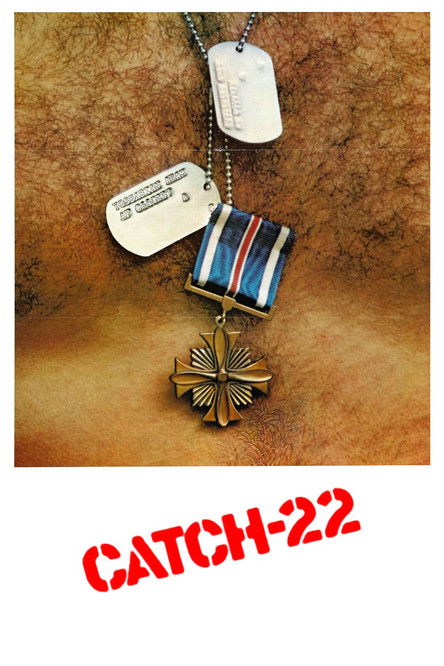
Catch-221970
Gallows comedy about war's bureaucratic madness, where logic becomes useless and survival depends on accepting the unacceptable. Shares Castle Keep's refusal to make sense feel natural.
But The satirical mode can feel dated, and some sequences run longer than their jokes deserve. It can be frustratingly opaque about what it actually thinks.
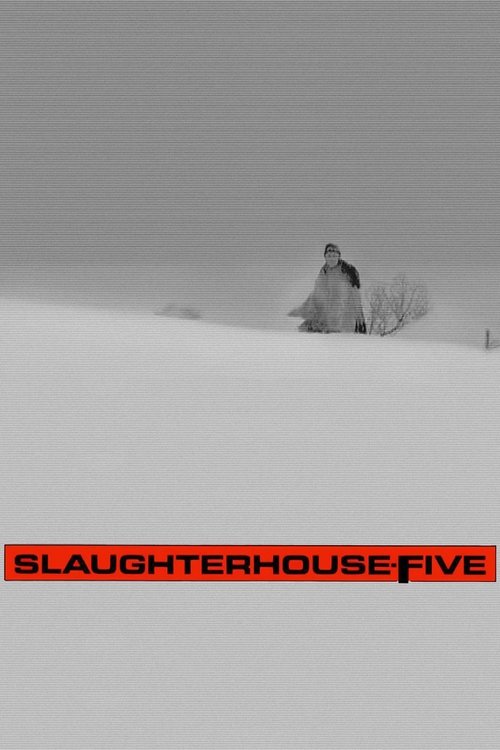
Slaughterhouse-Five1972
Kurt Vonnegut's Dresden bombing brought to screen as fractured, darkly comic science fiction. Antiwar rage wrapped in formal strangeness, much like Castle Keep's tonal ambition.
But The time-jumping structure alienates viewers expecting linear narrative. Its mix of cosmic comedy and real suffering won't work for everyone.
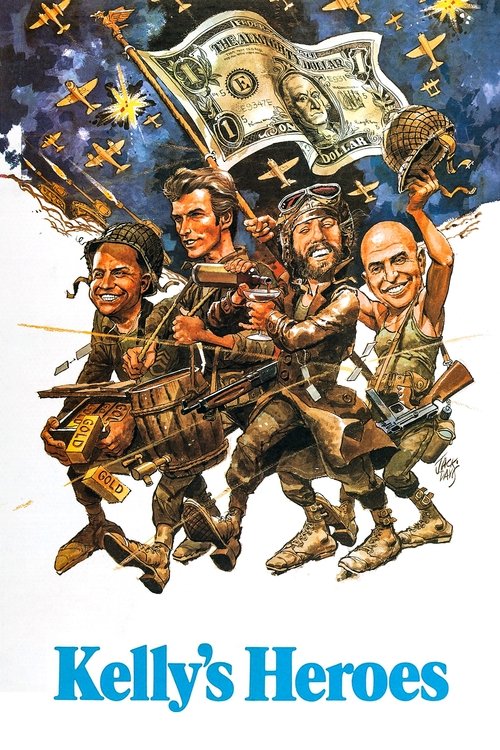
Kelly's Heroes1970
WWII soldiers on a madcap heist, blending war film with caper movie. Same era, same willingness to treat combat as backdrop for something weirder and more human.
But Tonal confusion—it can't decide between funny and thrilling, and neither impulse gets full development. It meanders.
Not sure tonight? Get a pick in a minute, starting from Castle Keep
The wildcard
Something you would not have found on your own.
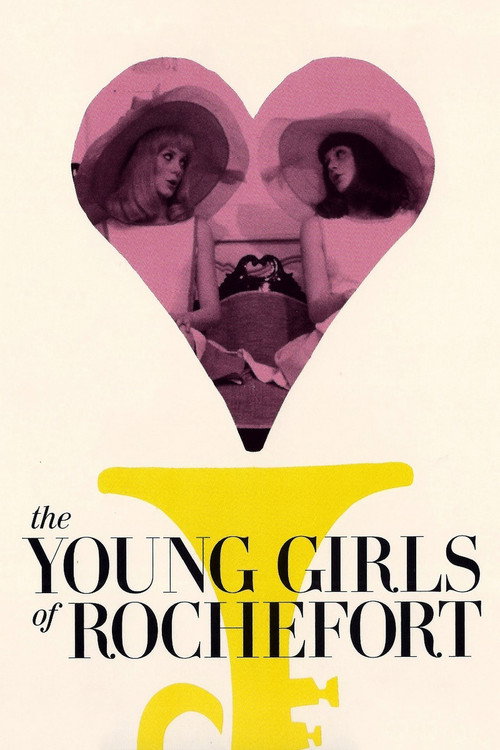
The Young Girls of Rochefort1967
Both use European geography and historical timing as stage for human stories that have nothing to do with grand historical forces.
Demy's musical about love and chance in a French seaside town. The connection: both are set in France during pivotal historical moments, yet treat them as backdrop for stranger, more human concerns. Castle Keep's castle is Demy's town—a space where character matters more than history.
But It's a cheerful, Technicolor musical. If you wanted Castle Keep's antiwar edge, this might feel frivolous. Also entirely in French with subtitles.
More like this (8)
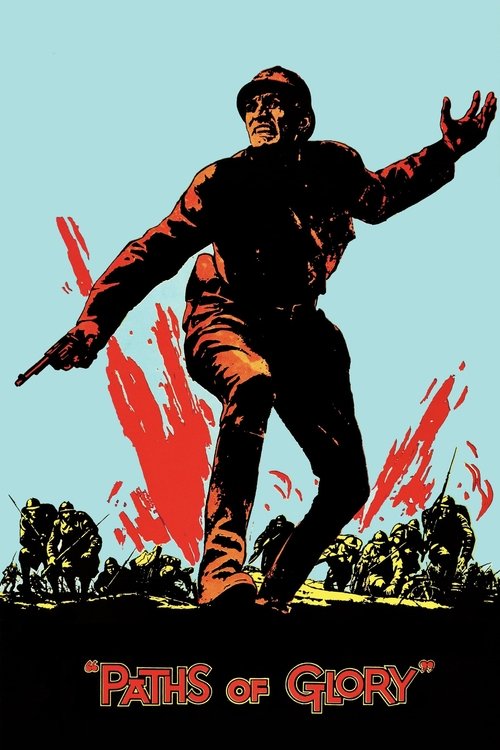
Paths of Glory1957
Kubrick's WWI tragedy about the machinery of military injustice. Castle Keep shares its moral rage, though Paths channels it into precision rather than absurdist dissent.
But It's bleak in a way that offers no comic relief. Demands patience with long takes and formal distance.
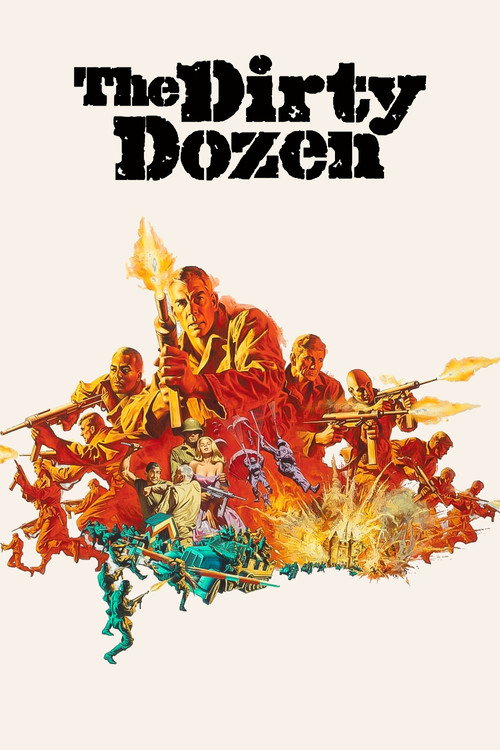
The Dirty Dozen1967
Ragtag soldiers on an impossible mission. Ensemble war film with genuine camaraderie and chaotic action, though it trades antiwar sentiment for adventure.
But Straightforward and conventional compared to Castle Keep. If you're drawn to that film's weirdness, this might feel too comfortable.
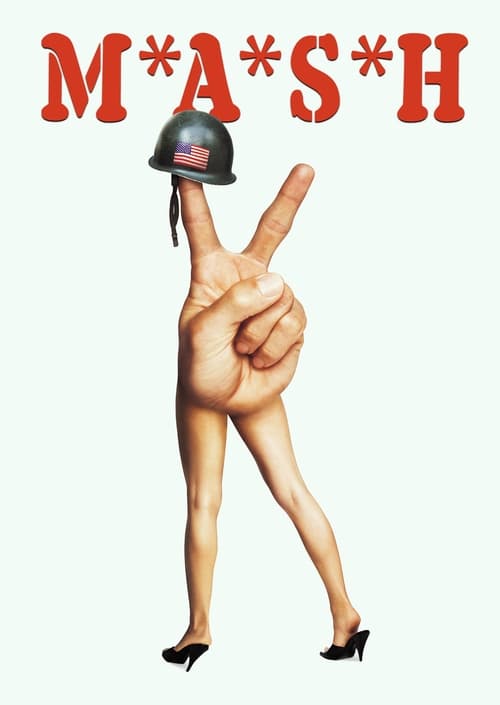
M*A*S*H1970
Altman's war comedy uses surgical unit as stage for absurdist antiwar philosophy. Gallows humor, fractured narrative, formal wildness—closer to Castle Keep's DNA than you'd expect.
But Very loose and improvisational. Some gags miss, and the tone can feel scattered even when it's working.
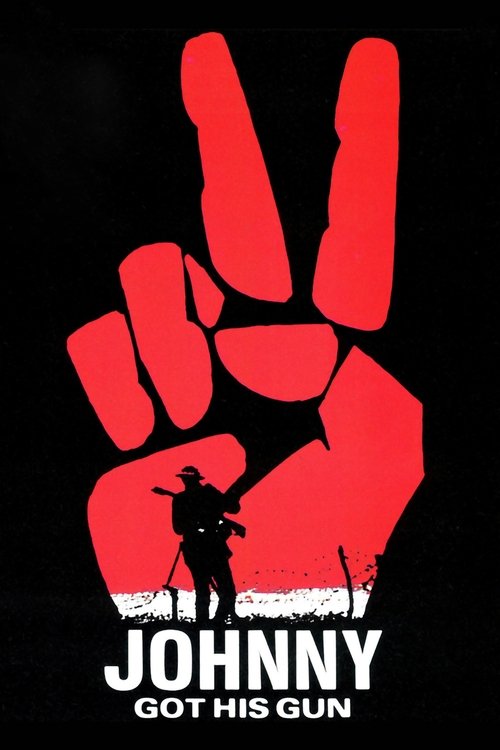
Johnny Got His Gun1971
Dalton Trumbo's surreal, devastating antiwar nightmare about a soldier who survives but wishes he hadn't. Castle Keep shares its refusal to sentimentalize combat.
But Relentlessly dark and physically disturbing. There's no relief, no humor. Not a companion watch so much as a reckoning.
The Killing1956
Kubrick's fractured heist film with fractured timeline. If Castle Keep intrigues you for its formal strangeness, this proves Kubrick was already fragmenting narrative in service of theme.
But It's about a racecourse robbery, not war—thematically distant despite formal kinship. Also in black and white, which dates it more than Castle Keep.

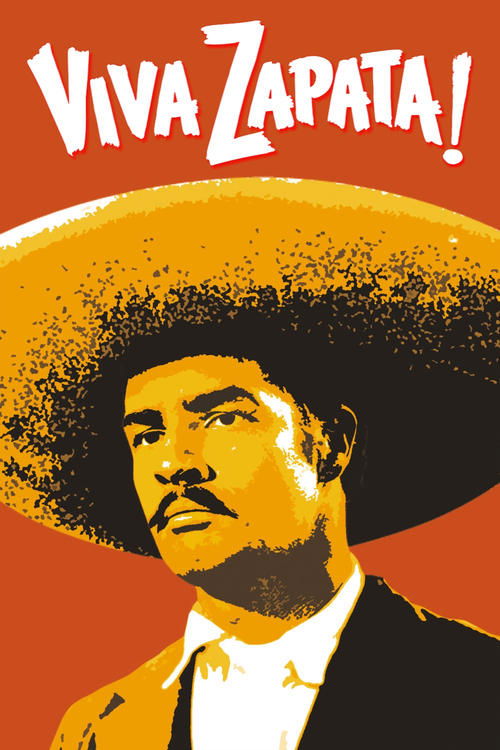
Viva Zapata!1952
Kazan's film about revolution and the corruption of ideals in wartime. Shares Castle Keep's skepticism about martial heroism and the gap between what we think war is and what it becomes.
But Earnest and stately where Castle Keep is antic. Shot in black and white and made a generation earlier, it can feel distant.
Come and See1985
Both reject conventional war film language. Where Castle Keep fractures tone, Come and See fractures sanity itself. Both refuse the comfort of straight narrative.
Elem Klimov's Belarusian WWII film is the antiwar film that makes Castle Keep look like a vaudeville show. Hallucinatory, grotesque, committed to the proposition that war corrupts the soul. If Castle Keep's formal wildness intrigued you, this proves surrealism can serve unflinching witness.
But Genuinely difficult to watch. Not intellectually challenging—viscerally punishing. Based on true events and doesn't flinch from showing you what that means.

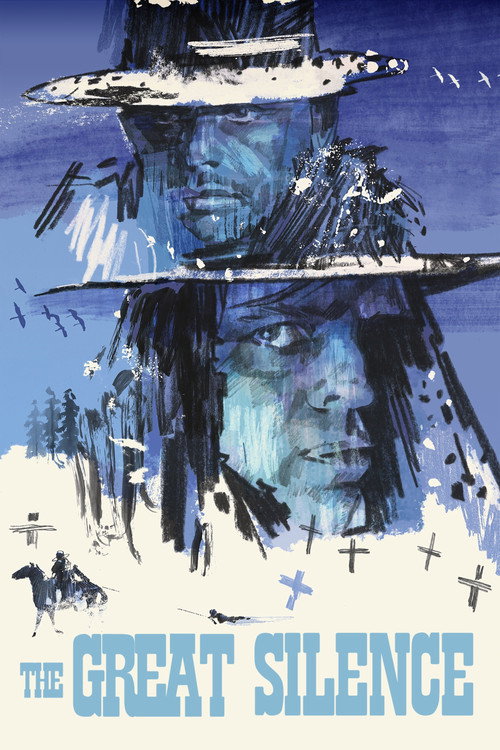
The Great Silence1968
Both use genre conventions (war film, Western) as Trojan horse for moral argument. Both suggest their historical settings matter less than what they let the filmmaker say about violence and power.
Sergio Corbucci's Italian Western set in snow, featuring a black gunslinger in the American frontier. Genre as disguise: it's actually a meditation on racism, violence, and the machinery of injustice. Castle Keep uses medieval castle as disguise for the same antiwar argument.
But Difficult to find and not beautifully restored. The plot is secondary to mood and moral argument. If you want plot clarity, this won't provide it.
People
Cast
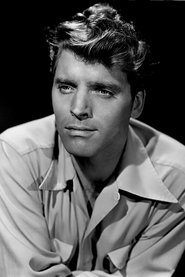 Burt LancasterMaj. Abraham Falconer
 Jean-Pierre AumontThe Count of Maldorais
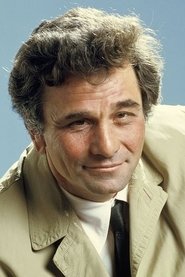 Peter FalkSgt. Rossi
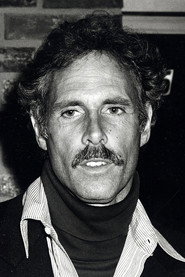 Bruce DernLt. Billy Byron Bix
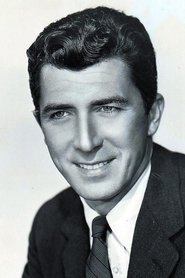 Patrick O'NealCapt. Lionel Beckman
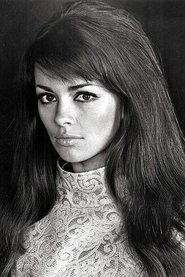 Astrid HeerenTherese
 Scott WilsonCpl. Clearboy
 Tony BillLt. Amberjack
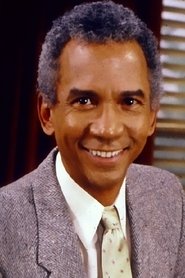 Al Freeman Jr.Pvt. Allistair Piersall Benjamin
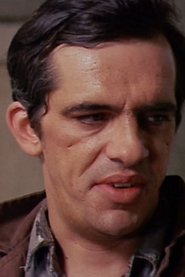
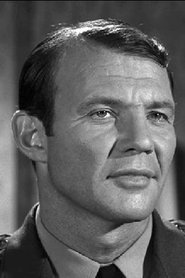 Michael ConradSgt. DeVaca
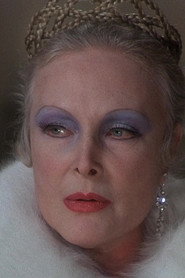 Caterina BorattoRed Queen
Directing
- Marc MauretteAssistant Director
- Sydney PollackDirector
- Ray KelloggSecond Unit Director
Writing
- William EastlakeNovel
- Daniel TaradashScreenplay
- David RayfielScreenplay
Production
- Edward L. RissienAssociate Producer
- Lynn StalmasterCasting
- John CalleyProducer
- Martin RansohoffProducer
- Ludmilla GoulianProduction Manager
- Suzanne WiesenfeldUnit Manager
Recommended by
The Memphis Belle, Dirty Heroes, I Escaped from Devil's Island