
Film
The Ascent
Other titles called The Ascent: the 1994 film.
- War drama
- Very dark
Andrei Konchalovsky's 1977 spiritual odyssey follows two Soviet partisans trudging through frozen wartime landscape, hunted by Nazis and haunted by conscience. Visually austere, philosophically demanding, it transforms a survival story into meditation on faith, betrayal and the soul's endurance. For viewers who prize moral complexity over plot momentum.
Should you watch it?
Watch it if you respond to austere moral war stories where the enemy is cold and hunger, and the real test is what people will do to each other, told with patient, almost documentary stillness.
Skip it if the pace is deliberately grinding and the snow-bound misery is relentless, so if you need relief or momentum, the long stretches of bleak endurance will test your patience.
What it asks of you: Just under two hours of unhurried, snow-grey frames with long silences and few reliefs; you have to stay attentive rather than letting it wash over you.
Not sure? Find tonight's pick in a minute.
If you liked this
Come and See1985
Elem Klimov's masterpiece of war's dehumanizing horror. Like The Ascent, it strips away heroism to show ordinary men confronting impossible choices and spiritual devastation in Soviet territory during WWII.
But Relentlessly bleak and graphic. The final image will haunt you in ways that may feel punitive rather than cathartic.

Stalker1979
Tarkovsky's philosophical slow-burn about a guide leading two men through a mysterious zone. Same meditative pace, same faith in visual poetry over exposition, same willingness to let viewers sit with big questions about meaning and desire.
But Runs 163 minutes with minimal dialogue. If you want narrative propulsion, this will feel like watching paint dry in a very cold room.

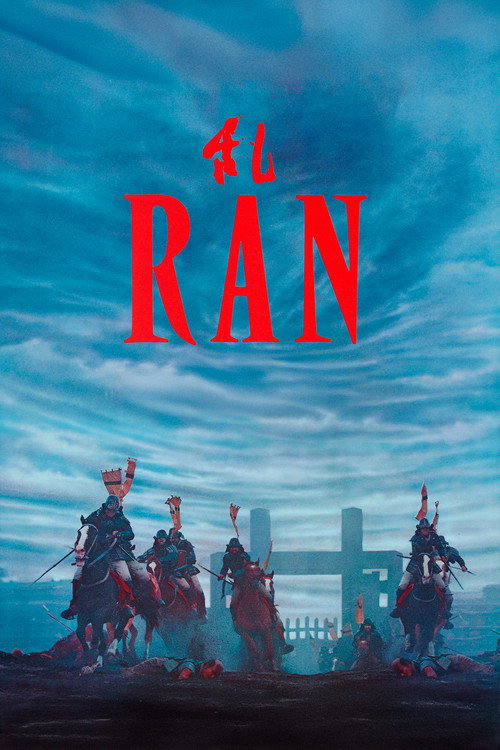
Ran1985
Kurosawa's apocalyptic retelling of King Lear across a fragmenting medieval Japan. Shares The Ascent's unflinching portrayal of moral collapse, human cruelty as destiny, and the indifference of nature to human suffering.
But Visually overwhelming and structurally complex. Three hours of beautiful devastation can leave you emotionally wrung out.
Not sure tonight? Get a pick in a minute, starting from The Ascent
The wildcard
Something you would not have found on your own.
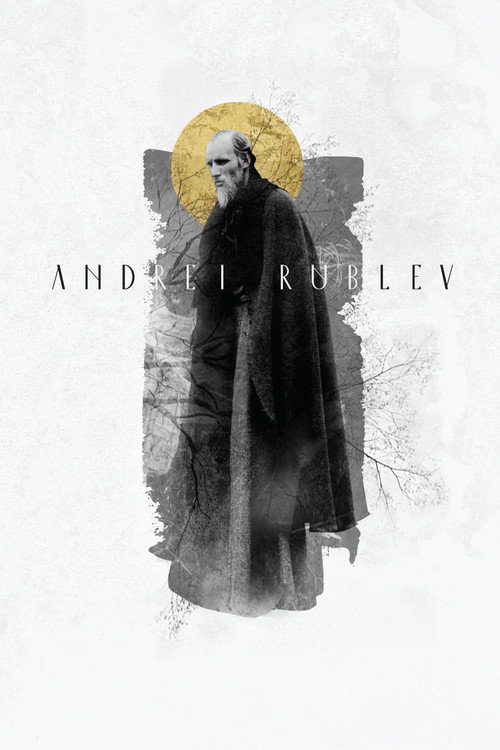
Andrei Rublev1966
Konchalovsky learned filmmaking from Tarkovsky on this production. The Ascent inherits its visual philosophy and its faith that cinema can be a spiritual act, not just entertainment.
Tarkovsky's epic about a medieval icon painter under Mongol occupation wrestling with whether art matters when people suffer. Konchalovsky was Tarkovsky's assistant—this is the film that shaped his sensibility. Same question: how does the spirit survive tyranny?
But Three hours plus, in Russian, with long sequences of silent artistic labour. The historical setting is remote and the pacing will test patience.
More like this (7)
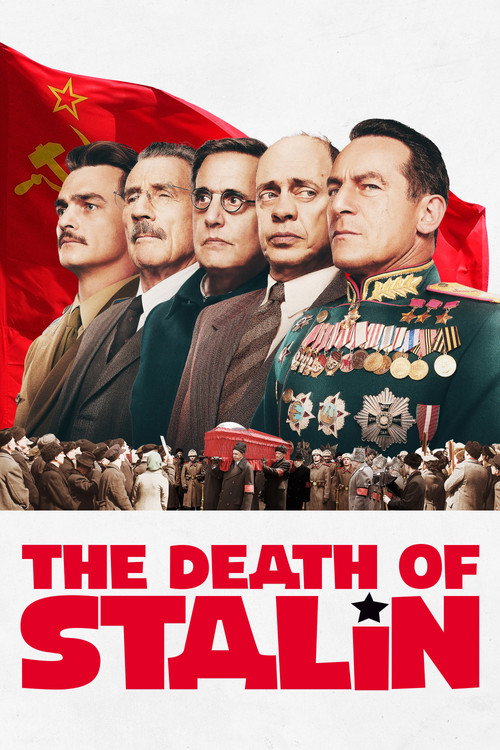
The Death of Stalin2017
Armando Iannucci's dark comedy about Soviet power politics in 1953. Like The Ascent, it examines conscience and complicity under totalitarianism, but trades spiritual anguish for pitch-black bureaucratic satire.
But The tonal shift from grave to comedic jarring for some. Cynicism about Soviet history may feel glib compared to The Ascent's moral seriousness.
Winter Light1963
Bergman's spare chamber piece about a pastor's crisis of faith during a bleak Swedish winter. Konchalovsky learned from this—same interest in spiritual doubt, same refusal to offer easy answers about belief.
But Austere dialogue film with almost no plot. If you need action or warmth, you will find neither.

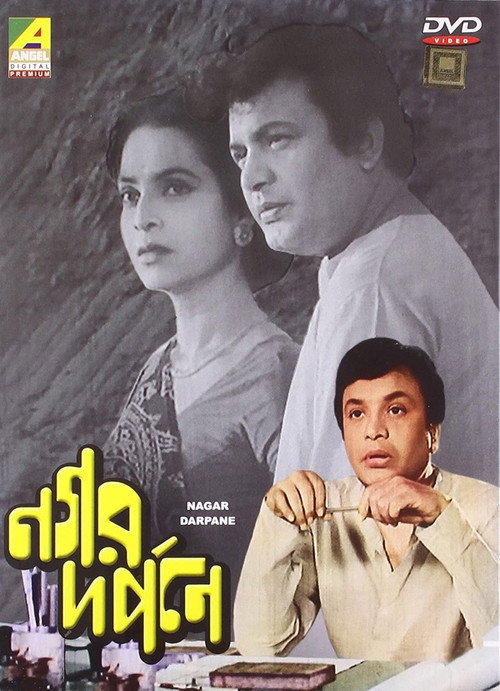
In the Mirror of the City1975
Tarkovsky's autobiographical collage of Soviet memory, war, family and mortality. Another 1970s Soviet meditation on how history and ideology fracture the self. Shares The Ascent's formal boldness and metaphysical weight.
But Structurally fragmented and cryptic. Without context on Tarkovsky's life and Russian cinema, it can feel impenetrable.
The Battle of Algiers1966
Pontecorvo's docudrama about anti-colonial resistance captures that same documentary truthfulness and moral complexity. Shows ordinary people making devastating choices under occupation, without sanitizing any side.
But Shot in blunt black-and-white and formally austere. The political argument is explicit and may feel dated to contemporary viewers.

Under the Skin2014
Jonathan Glazel's glacial science-fiction uses landscape and silence like Konchalovsky does—Scotland's emptiness becomes existential dread. Both films trust viewers to find meaning in what is *not* explained.
But Minimal dialogue, maximum abstraction. If you need plot clarity and character motivation spelled out, this will frustrate you.

Memories of Murder2003
Both use a pairs-on-a-mission structure to explore how systems of power crush individual conscience. Both end in spiritual devastation rather than heroism.
Bong Joon-ho's forensic thriller about serial murders in 1980s South Korea under dictatorship. Transforms genre into meditation on powerlessness and moral corruption. The two detectives echo Sotnikov and Rybak—bound together, unable to trust each other, destroyed by what they uncover.
But Graphic violence. The ending offers no catharsis or justice, which enrages viewers wanting thriller satisfaction.

A Prophet2009
Both films ask: what remains of morality when the system demands complicity for survival? Both watch characters choose wrong and show the cost unflinchingly.
Jacques Audiard's prison drama about a young man's initiation into violence and survival. Sounds wholly different from The Ascent, but both trace the soul's corruption under impossible circumstances. Audiard shoots it with Konchalovsky's unflinching clarity—no spectacle, only anatomy of collapse.
But French, 155 minutes, set in a modern prison. Feels contemporary and genre-bound compared to The Ascent's timeless austerity. The violence is brutal and casual.

People
Cast
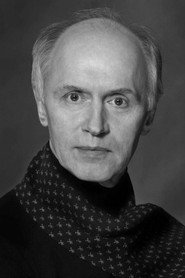 Boris PlotnikovSotnikov
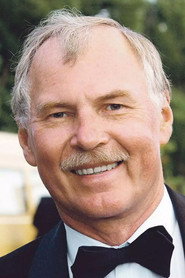 Vladimir GostyukhinRybak
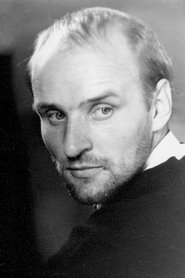 Anatoliy SolonitsynPortnov, Collaborationist Interrogator
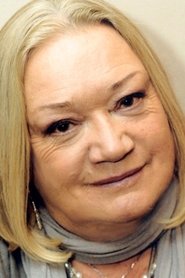 Lyudmila PolyakovaAvginya Demchikha, the Mother
 Viktoriya GoldentulBasya Meyer, the Girl
 Sergei YakovlevPetr Sych, Village Elder
 Mariya VinogradovaVillage Elder's Wife
 Mykola SektymenkoStas Gomenyuk, Collaborationist Policeman
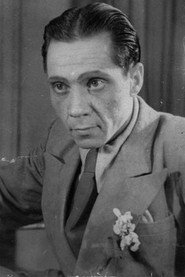 Leonid YukhinPartisan Commander
- Aleksandr ZvenigorskiyGerman Officer
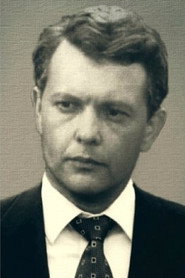 Vladimir RudyyGerman Officer with Black Glasses
- Anatoli ChebotaryovGerman Officer with Glasses
Directing
- Valentina KhovanskayaAssistant Director
- Larisa ShepitkoDirector
- E. EliasovaFirst Assistant Director
- Evgeny TsymbalSecond Assistant Director
Writing
- Vasili BykovNovel
- Aida RepinaScript Editor
- Larisa ShepitkoWriter
- Yuri KlepikovWriter
Production
- Willie GellerProducer
Recommended by
The Burmese Harp, Human, Wanda, Atanarjuat: The Fast Runner, The Exiles, The Way Back, Enemies of the People, Ivan's Childhood, Cave of Forgotten Dreams, Khartoum, King Rat, War Photographer, Armstrong Circle Theatre, Phoenix, Man vs. Wild, About Elly, Descendants of the Sun, Incendies, Wings of Defeat, Safe, Rogue Trader, Uncle Boonmee Who Can Recall His Past Lives, The Bridges at Toko-Ri, Sands of Iwo Jima, Approved for Adoption, The Winter War, South, The Warrior, Tales from the Organ Trade, A State of Mind, Tyrannosaur, Smoke, The Genius, Notturno, Mama, Port Protection Alaska, Lourdes, Stalingrad, Letter Never Sent, Mother Night, Underground, Overlord, Antarctica, Kings of the Road, Winter Song, A Woman in Berlin, Wings, Film Socialisme, Daphne, Backroads, After the Wedding, My Beautiful Broken Brain, Hadewijch, Soldier of Orange, Shadows of Forgotten Ancestors, Women Without Men, Damnation, The Lost Battalion, Saint Maud, After the Wedding, Mirror, Christine, Centaur, Flowers for Algernon, The Confrontation, Hard to Be a God, Only the Animals, Oblomov, Marketa Lazarová, The Home and the World, In the Fog, The Shop on Main Street, Diamonds of the Night, Ten Days That Shook the World, A Doll's House, The Ister, Mullum Malarum, Earth, Battleground, Aruvi, The Steel Helmet, Pyaasa, An Actor's Revenge, Street Smart, The River, Winter Sleep, I've Loved You So Long, Lord Jim, My Father's Glory, The Camp on Blood Island, 35 Shots of Rum, Dor, Things to Come, The Mother, Heartbeat Detector, Lord of Misrule, Tarka the Otter, The Fifth Seal, Thieves' Highway, Dunkirk, The Sunlit Night, Blind Beast, The Light Shines Only There, My Way, Floating Weeds, The Dark Angel, Sing Me a Song, Ankur, Asylum, Antonia's Line, Feast of Love, My Antonia, Little Women, Soorarai Pottru, Prodigal Son, Tharlo, Thou Wast Mild and Lovely, The Price of Desire, Days of Glory, The Music Room, Pastoral Symphony, Get Out Your Handkerchiefs, Love Me If You Dare, Rams, Ghoul, Deepsea Challenge 3D, The Hour of the Furnaces, Oasis: Don't Look Back in Anger, White Material, Alucarda, Carol of the Bells, Waiting for the end of the World, Eichmann, Boat People, Burial, The Ninth Circle, Landscape After Battle, Ballad of a Soldier, Young Törless, The Last Romantic, Distant, The Middle of the World, Mammo, Face to Face, Air Crew, Jait Re Jait, Tabu: A Story of the South Seas, The Swordsman, The Three Sisters, Passenger, A Place to Live, The Stone Sky, Dead Souls, The Swordswoman in White, Sunstroke, All That Breathes, Krakatoa: The Last Days, Broken Lullaby, The Forgiven, Joanna Lumley's Japan, Diriliş Ertuğrul, A Death in the Gunj, The Son of Joseph, The Lunatics, One Step Beyond, Happy Days, Admiral, The Match King, A Doll's House, The Mercy of the Jungle, The Tenth Man, Sorrell and Son, Murder Most Foul, Quiet Flows the Don, The Young Guard, Memories of Prison, The Kindness Diaries, Fortress of War, Rich and Famous, If These Walls Could Talk, Memento Mori, My Happy Family, Torment, Orchestra of Exiles, Hell Below, Dostoevsky's Travels, My Sweet Pepper Land