
Film
Saint Maud
- Psychological horror
- Medical drama
- Very dark
- Slow-burning
A fever dream of a film about a nurse's unraveling faith and sanity. Maud is pious, devoted, and increasingly unstable as she cares for a dying dancer. Morphydd Clark gives a performance of such controlled terror it's almost silent. Saint Maud uses body horror and ambiguity to ask whether her visions are divine or delusional—and whether it matters. Magnificent and deeply unsettling.
Should you watch it?
Watch it if you want a slow-burn character study where faith turns quietly unsettling, and you're happy to sit inside one isolated mind while the dread builds at its own pace.
Skip it if you need plot momentum or tidy answers, since it prefers unease and interiority to explanation, and its horror comes in sharp jolts rather than steady scares.
What it asks of you: Attention for its 85 minutes, a patient pace that lingers on small rituals and silences, and a tolerance for ambiguity that stays with you well after the credits.
Not sure? Find tonight's pick in a minute.
If you liked this
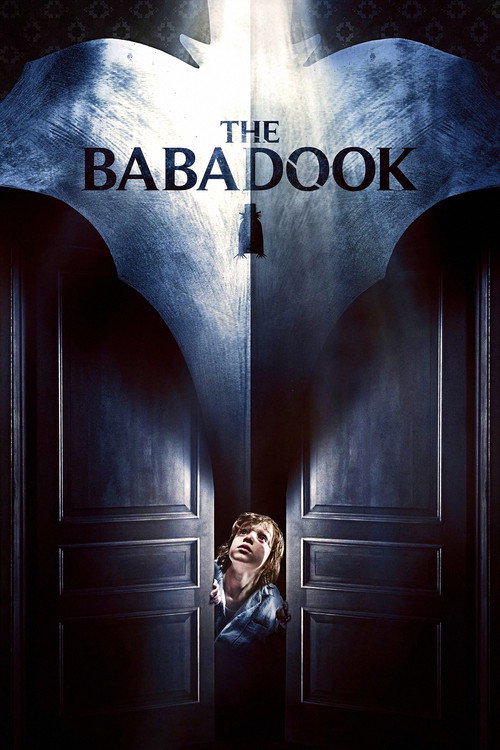
The Babadook2014
An Australian masterpiece about grief wearing a monster suit. Like Maud, it uses intimate domestic spaces and a woman's fracturing mind to generate genuine dread. Exceptional horror that trusts the audience to feel rather than jump.
But Deliberately paced and elliptical. The monster itself is deliberately sketchy. If you need clearer answers or faster movement, it will frustrate you.
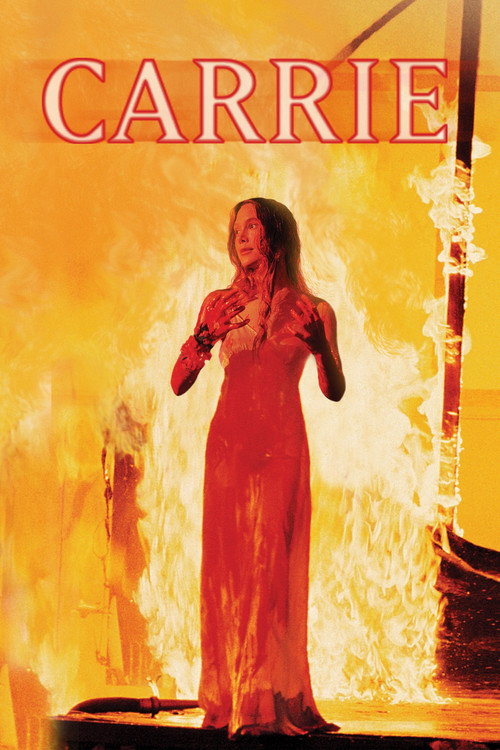
Carrie1976
Brian De Palma's essential work about religious repression and supernatural power. Margaret White's suffocating faith mirrors Maud's, and the final act delivers what Maud only imagines. A masterclass in building from stillness to eruption.
But Some of the effects are dated now. And the film's gender politics, while progressive for 1976, read differently fifty years on.
The Wailing2016
A South Korean thriller that makes ambiguity itself terrifying. A policeman investigates a mysterious illness that might be murder, might be possession, might be neither. Deliberately refuses to resolve what Maud grapples with: what is real and what is madness?
But Nearly three hours long and structurally complex. The ending is aggressively unrewarding if you want certainty. Requires active engagement.

Not sure tonight? Get a pick in a minute, starting from Saint Maud
The wildcard
Something you would not have found on your own.
The Ascent1977
Both films treat faith as a material force that can warp the body and mind. Both depict it not as comforting but as corrosive. The Ascent is massive where Maud is claustrophobic, but they're after the same wound.
Andrei Tarkovsky's film about two priests on a pilgrimage that becomes a test of faith and endurance. Monumental, austere, and hypnotic. Like Maud, it's about belief systems warping under pressure, but it operates at almost a completely different register—philosophical rather than psychological.
But Soviet cinema from 1977, shot in black and white, 111 minutes long, almost no conventional dramatic incident. This is not entertainment; it's an ordeal in the best way. Many will find it impenetrable.

More like this (8)
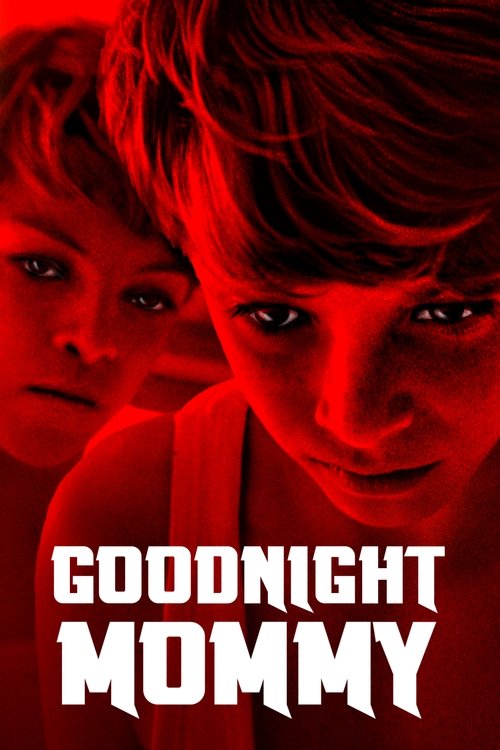
Goodnight Mommy2015
An Austrian film about a woman's identity and a child's breaking grip on reality. Like Maud, it unfolds in a fastidious, beautiful space where something is deeply wrong. Body horror used surgically, never gratuitously.
But The twist is stomach-turning in ways that have nothing to do with jump scares. Some viewers find the reveal manipulative rather than earned.
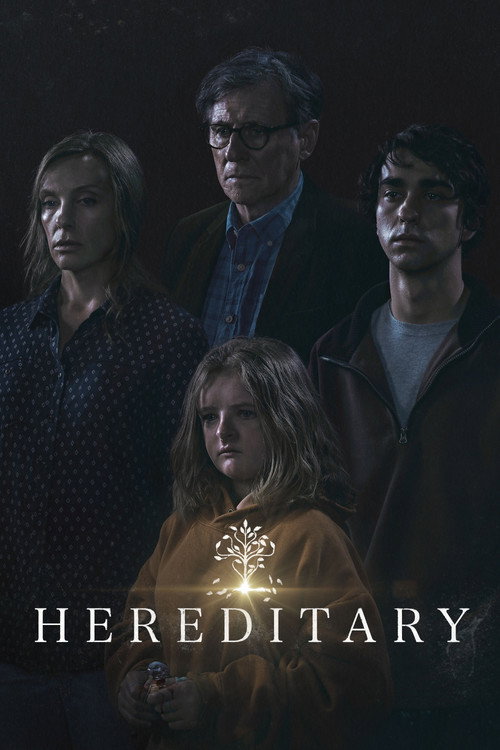
Hereditary2018
Ari Aster's film about grief, family curse, and whether there's a difference. Toni Collette gives an unhinged performance. Like Maud, it's unsure whether the horror is internal or external, and that uncertainty is the point.
But Very bleak. The third act goes full supernatural melodrama, which some find overcooked. And it's genuinely grueling to sit through.
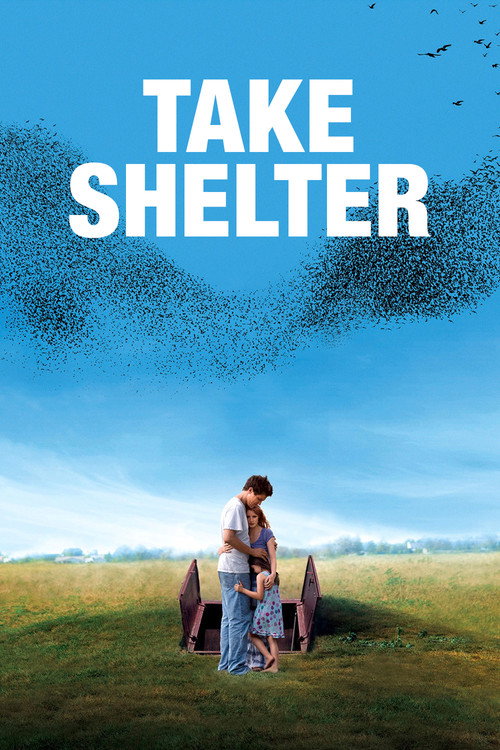
Take Shelter2011
Michael Shannon as a man driven to build a shelter by nightmares he can't explain. Deliberately withholds whether he's prophet or psychotic. The tension comes from watching someone we can't trust try to convince us. Restrained and devastating.
But Almost nothing happens for two hours. The pacing is deliberate to the point of slow. If you need plot momentum, this will bore you.
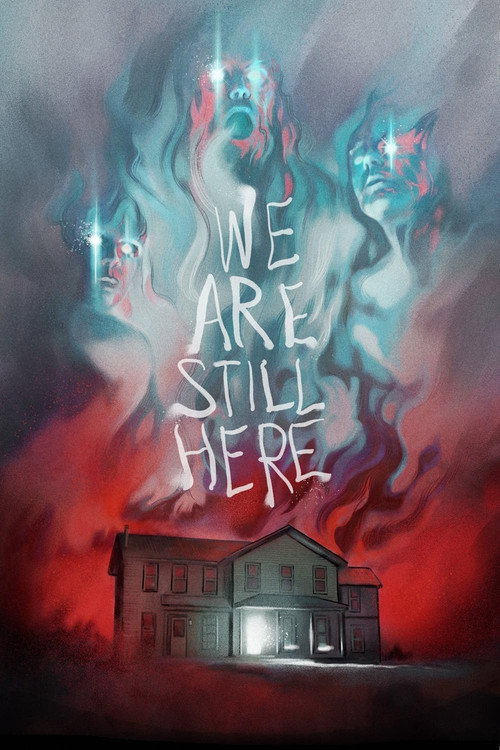
We Are Still Here2015
A haunted house film that's also about grief and the refusal to accept loss. Genuinely frightening and emotionally earned. Like Maud, it's interested in how belief and perception can twist reality into something terrible.
But The third act becomes more traditional horror-movie than the rest. Some will want something subtler all the way through.
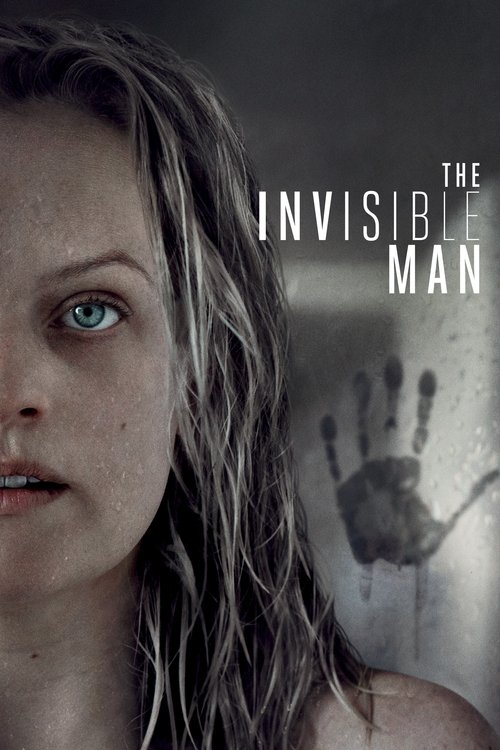
The Invisible Man2020
Leigh Whannell's remake is a paranoia thriller about control and gaslighting. Like Maud, it uses intimate spaces and the unreliability of perception. Visceral and urgent in ways that feel completely current.
But Very different in tone—this is propulsive action-thriller rather than slow-burn dread. If you want Maud's restraint, you won't find it here.
Under the Skin2014
Jonathan Glazel's hypnotic film about an alien wearing a woman's body. Minimal dialogue, maximum mood. Explores embodiment and the uncanny in ways that make conventional narrative seem quaint. Genuinely otherworldly.
But Aggressively abstract. There is no plot to speak of. Entire scenes are just watching. Many people find it pretentious or unwatchable.

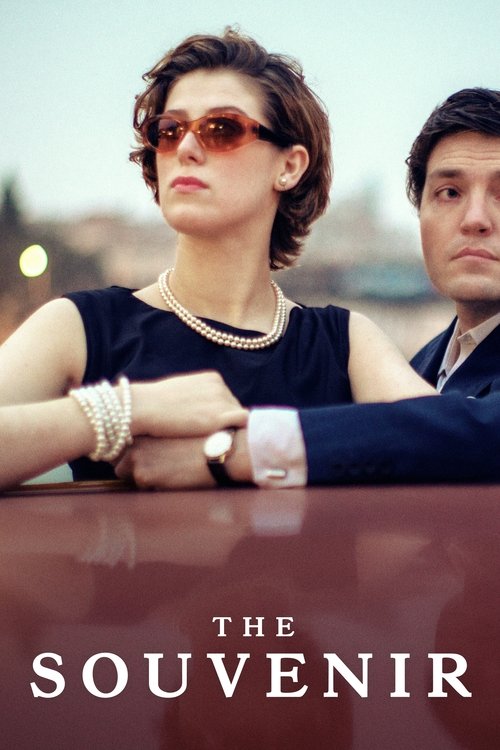
The Souvenir2019
Both are about women in proximity to charismatic figures whose needs consume them. Both use interior spaces, restricted framing, and the close study of a face to suggest psychological dissolution without ever stating it.
Honor Swinton Byrne's film (directed by Joanna Hogg) about a film student in love with a man who is not what he seems. Tender and devastating. Uses subtle visual language to suggest psychology unraveling. The performance is a masterpiece in understatement.
But Nothing is explained. Dialogue is oblique. The film trusts you to intuit emotional truth from gesture and silence. Easy to feel you're missing something. Some viewers hate being asked to work this hard.
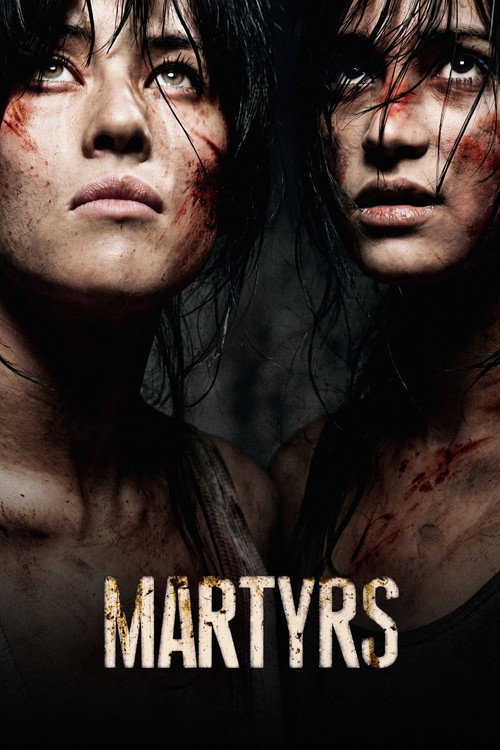
Martyrs2008
Like Maud, Martyrs uses the body as a text to be read for spiritual meaning. Both suggest that faith and suffering might be inseparable, that belief itself might be a kind of beautiful damage. Both are visually assured and morally complicated.
Pascal Laugier's French extreme horror is about suffering, belief, and the limits of faith. Two women pursue revenge that becomes something stranger and more terrible. Unflinching and visually extraordinary. Asks whether transcendence and torture are the same thing.
But Contains graphic violence and self-harm. Not for the squeamish. The philosophy is bleak and offers no comfort. The ending is intentionally unanswerable. Many viewers find it punishing rather than enlightening.
People
Cast
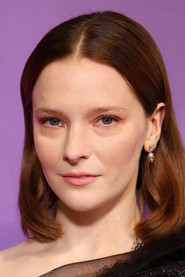 Morfydd ClarkMaud
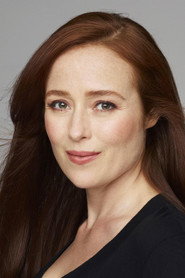 Jennifer EhleAmanda
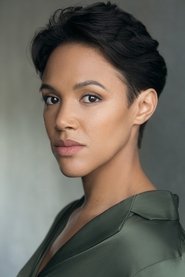 Lily FrazerCarol
 Lily KnightJoy
 Rosie SansomEsther
 Caoilfhionn DunneNurse
 Marcus HuttonRichard
 Carl PrekoppHomeless Pat
 Noa BodnerHilary
 Takatsuna MukaiHiro
 Sona VyasAgency Worker
 Faith EdwardsAgency Worker
Directing
- Gareth LewisAdditional Second Assistant Director
- Rose GlassDirector
- Toby SpantonFirst Assistant Director
- Shaida KazemiScript Supervisor
- Rory BroadfootSecond Assistant Director
- Naomi KingThird Assistant Director
Writing
- Rose GlassWriter
Production
- Katie VolkerAdditional Production Assistant
- Conor KaneAssistant Accountant
- Kharmel CochraneCasting
- Ariane MasonCasting Assistant
- Joelle CochraneCasting Assistant
- May DouglasCasting Assistant
- Daniel BattsekExecutive Producer
- Mary BurkeExecutive Producer
- Sam LavenderExecutive Producer
- Tim DennisonLine Producer
- Joe GradwellLocation Assistant
- Joseph SimmonsLocation Assistant
- Mark RigbyLocation Assistant
- Paul CoverdaleLocation Assistant
- Alastair DonLocation Manager
- Jess WalugaLocation Manager
- Konstantinos IordanouLocation Manager
- Andrea CornwellProducer
- Oliver KassmanProducer
- Eddie KaneProduction Accountant
- Jordan ChandlerProduction Assistant
- Jessica MoranProduction Coordinator
- Emily LeachProduction Executive
- Anna JancsóProduction Manager
- Francesca CastelbuonoProduction Secretary
- Ian WarnerUnit Manager
Recommended by
The Falling, The Innocents, Smile, The Lure, The Devil and Father Amorth, XX, Nanny, Permanent Midnight, Honeycomb, BLOOM, The Mess We're In, Dinner in America, The Eyes of My Mother, Summertime, The Bedroom Commandments, The Gospel, Bambi: The Reckoning, Sick, The Devil's Candy, The Grandmother, Bloodsuckers, The Golem, The Funhouse Massacre, The Surrogate, The Locker Room, Blessed Are the Children, My Brother's Keeper, Jagged Mind, The Divine Comedy, Seance, The Exorcist: Believer