
Film
The Innocents
Other titles called The Innocents: the 1961 film, the 2018 series (Netflix), the 2021 film.
- Period drama
- Very dark
A French Red Cross doctor arrives at a Polish convent in 1945 to discover pregnant nuns—victims of Soviet assault during the war—struggling in silence and shame. This haunting film treats their impossible situation with grave dignity, refusing easy answers. It's for viewers who want cinema that sits with moral complexity and human fragility without flinching.
Should you watch it?
Watch it if you are drawn to quiet moral dramas where faith and bodily reality collide, and you want a story told with restraint rather than spectacle.
Skip it if you want battlefield spectacle or a brisk pace, since this moves slowly inside convent walls and mostly talks rather than acts.
What it asks of you: Patience for long stretches of hushed argument and close-up faces, plus a tolerance for dread that builds slowly without much release across its 115 minutes.
Not sure? Find tonight's pick in a minute.
If you liked this
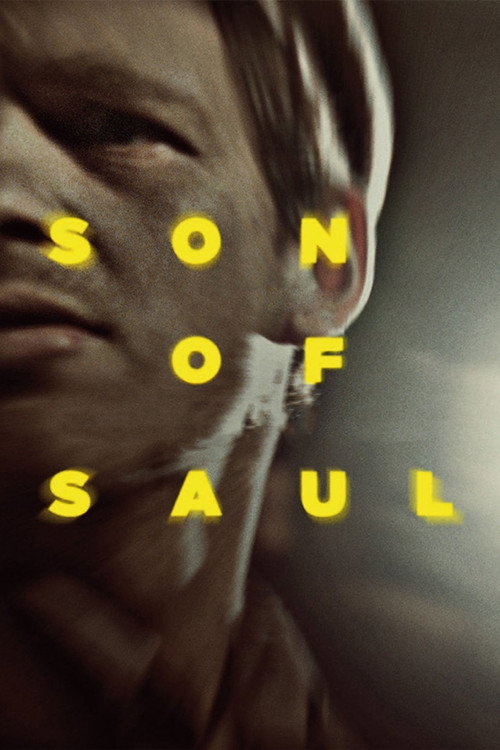
Son of Saul2015
A Hungarian film about the Holocaust that matches The Innocents' unflinching gaze and formal precision. It enters unbearable situations through one man's narrow perspective, trusting the audience to understand without explanation.
But It is relentlessly bleak and the central act—the burial of the dead—becomes the entire narrative. Some viewers find this repetitive rather than meditative.
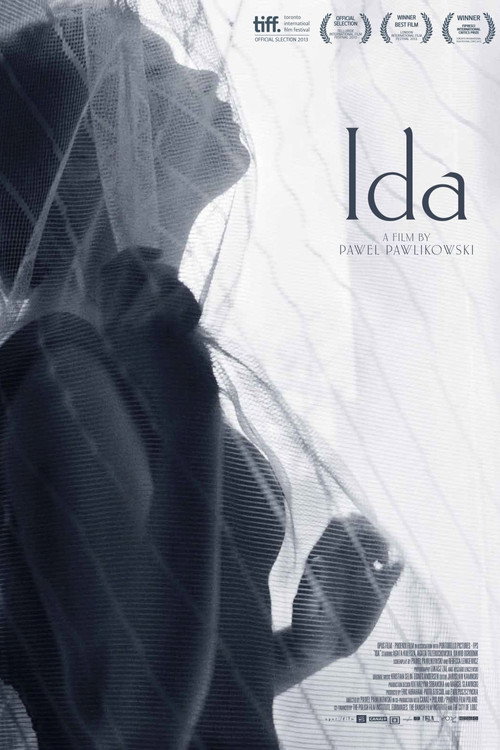
Ida2013
Polish cinema, black-and-white photography, a young woman discovering shameful family history in the shadow of World War II. It shares The Innocents' sense of moral reckoning and uses silence as powerfully as dialogue.
But Its pacing is glacial and it withholds emotional catharsis. If you need films to resolve their tensions, this will frustrate you.
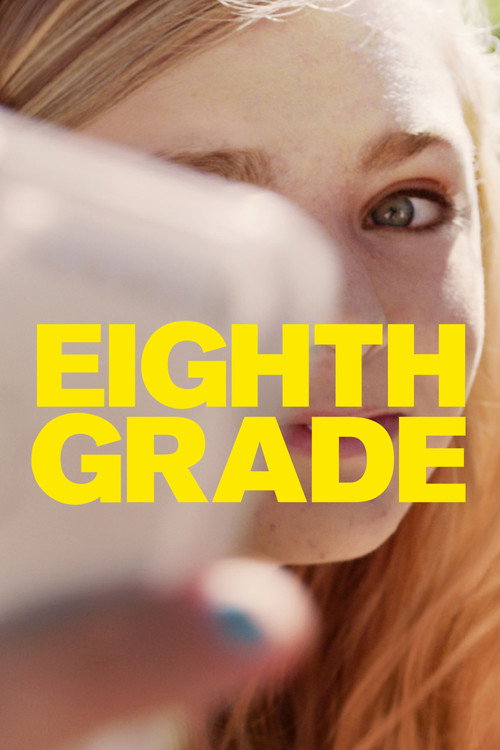
Eighth Grade2018
Bo Burnham's film observes a vulnerable young woman navigating impossible social and bodily pressures with the same unflinching empathy. Both films trust their audience and their subjects.
But It's contemporary America, not wartime Poland—a completely different register that may feel tonally distant from what you're seeking.
Not sure tonight? Get a pick in a minute, starting from The Innocents
The wildcard
Something you would not have found on your own.
Come and See1985
Both films refuse to aestheticize or sentimentalize atrocity. They place you inside the experience of people confronting the absolute worst and demand you bear witness.
A Belarusian epic following a child through the Nazi invasion of the Soviet Union. It is the most unsparing film ever made about war's effect on the innocent. The Innocents' restrained horror finds its logical extreme here.
But It is genuinely difficult to watch—not for adults only, for most people. It contains imagery of dead children and profound human degradation. Many viewers cannot finish it.

More like this (7)
Spotlight2015
An ensemble drama about uncovering institutional abuse and complicity. It shares The Innocents' interest in how power silences suffering and how revelation requires courage from multiple parties.
But It's a procedural thriller, ultimately—more concerned with the investigation than with the interior lives of victims. The emotional register is cooler.

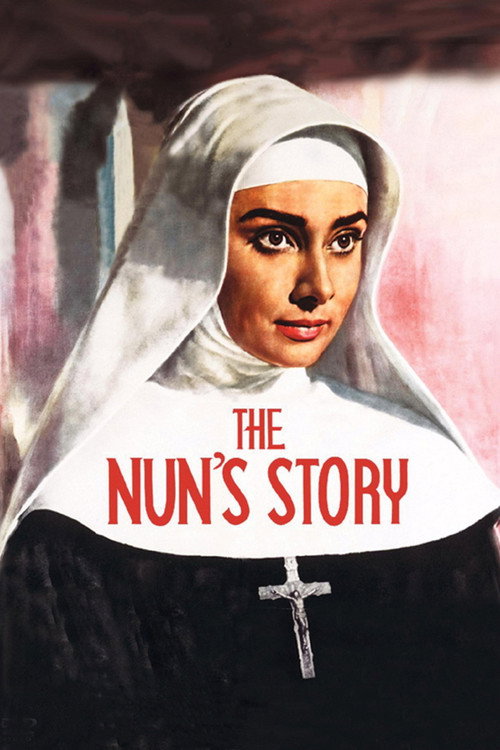
The Nun's Story1959
Audrey Hepburn as a nun wrestling with faith, obedience, and her own desires. A mid-century meditation on female agency within religious authority that echoes The Innocents' central conflicts.
But It's from 1959 and shaped by very different assumptions about sexuality and faith. The resolution feels dated and sentimental by contemporary standards.
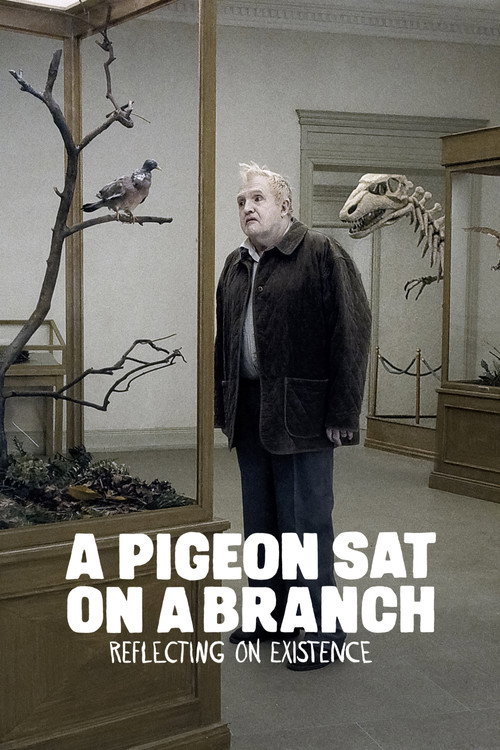
A Pigeon Sat on a Branch Reflecting on Existence2014
Roy Andersson's deadpan Swedish film observes human suffering and absurdity with dark humor and painterly compositions. Like The Innocents, it finds strange beauty in despair without ever becoming cruel.
But It is structurally a series of vignettes with no traditional narrative. If you need plot momentum, this will feel glacial and impenetrable.
The Lives of Others2006
East German surveillance state, institutional power, secrets, and the moral cost of complicity. It shares The Innocents' interest in how systems trap people and demand impossible choices.
But It's a political thriller that builds toward revelation and catharsis. It resolves more neatly than The Innocents does, which may feel like a step backward.

Winter Light1963
Bergman's spare meditation on faith collapsing under the weight of human suffering and institutional emptiness. Swedish minimalism and a pastor's crisis that echoes the nuns' spiritual vertigo.
But It is extremely slow, philosophically abstract, and offers no comfort. If you're seeking narrative momentum or emotional resolution, you will not find it.

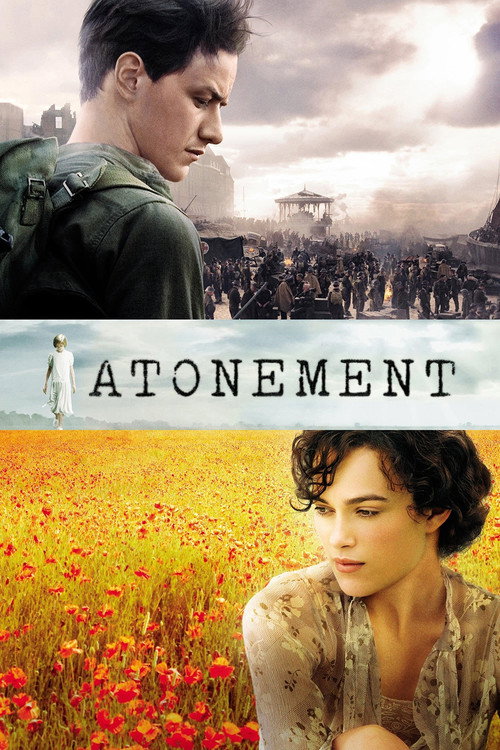
Atonement2007
Both examine how shame and institutional silence create suffering more devastating than the original trauma. Both ask how we atone for complicity.
A narrative about how a lie creates cascading harm across lives and time. Like The Innocents, it concerns itself with how institutions (family, church, military) fail vulnerable people and how truth becomes impossible.
But It is a very different beast—a lush literary adaptation with significant romantic content. The emotional texture is warmer and the narrative much more traditionally structured.
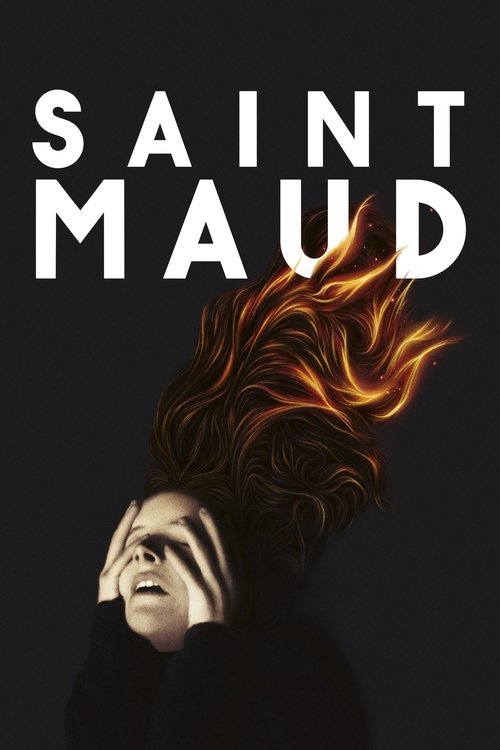
Saint Maud2020
Both feature isolated women whose faith becomes inseparable from their physical and emotional vulnerability. Both suggest that institutional religion can distort love into something unrecognizable and dangerous.
British horror about a nurse caring for a dying woman, blending psychological unraveling with religious obsession and queer longing. A completely different era and mood but the same interior collision of faith, body, and desire.
But It is frankly weird and gets weirder. Some viewers will read it as schlock or exploitation rather than as tragedy. The ending polarizes audiences.
People
Cast
 Lou de LaâgeMathilde Beaulieu
 Agata BuzekNun Maria
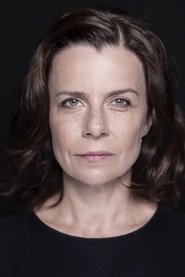 Agata KuleszaMother Superior
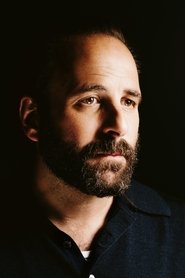 Vincent MacaigneSamuel
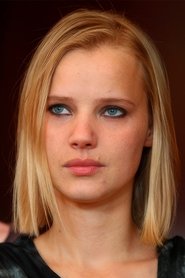 Joanna KuligNun Irena
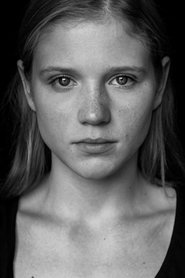 Eliza RycembelTeresa
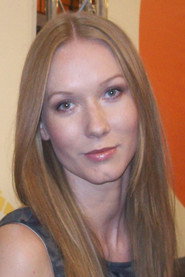 Katarzyna DąbrowskaNun Anna
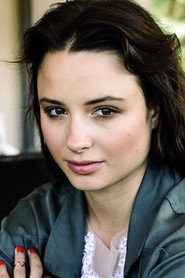 Anna PróchniakZofia
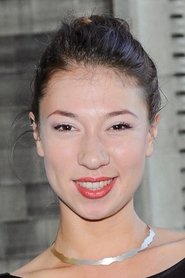 Helena SujeckaLudwika
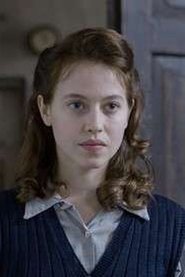 Mira MaludzińskaBibiana
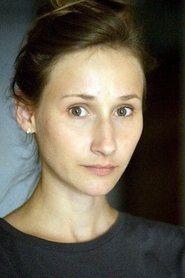 Dorota KudukNun Wanda
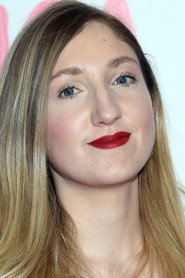 Klara BielawkaJoanna
Directing
- Anne FontaineDirector
- Bogusław BielańskiFirst Assistant Director
- Anna ZenowiczScript Supervisor
Writing
- Anne FontaineAdaptation
- Pascal BonitzerAdaptation
- Anne FontaineDialogue
- Pascal BonitzerDialogue
- Philippe MaynialIdea
- Alice VialScreenplay
- Sabrina B. KarineScreenplay
Production
- Isabelle GrellatAssociate Producer
- Philippe CarcassonneAssociate Producer
- Pascale BéraudCasting
- Weronika MigońCasting
- Eliza Oczkowska-EdelmanCo-Producer
- Klaudia Śmieja-RostworowskaCo-Producer
- Beata RzeźniczekPost Production Coordinator
- Patricia ColombatPost Production Coordinator
- Eric AltmayerProducer
- Nicolas AltmayerProducer
- Anna RóżalskaProduction Consultant
- Dagmara BończykProduction Manager
- Thibault MatteiProduction Manager
Recommended by
Black Narcissus, A Dark Song, Farewell, My Queen, Benedetta, Afterlife, Lair, Let Me In, The Monastery